Reading guide
Content guideOverview
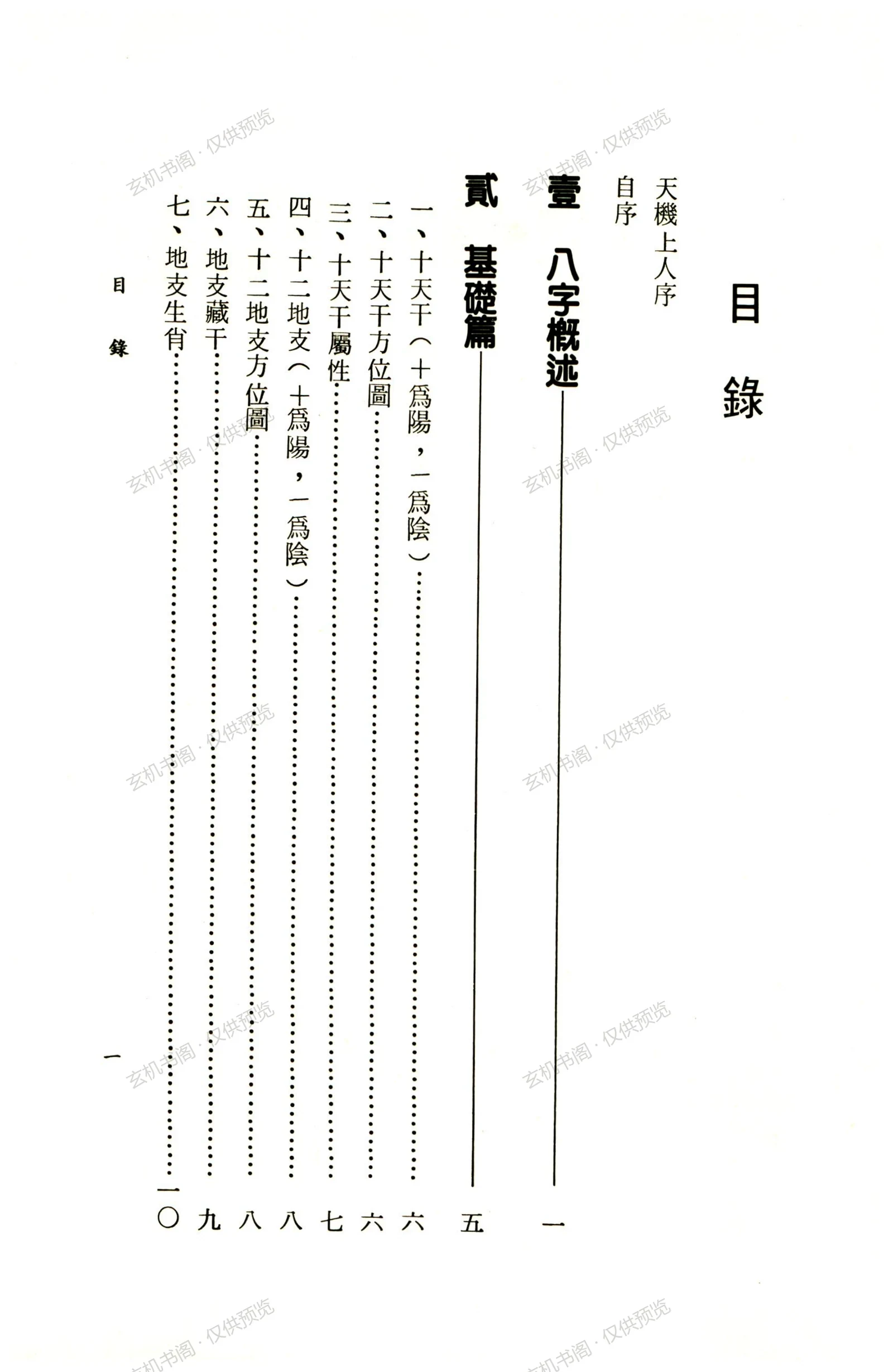
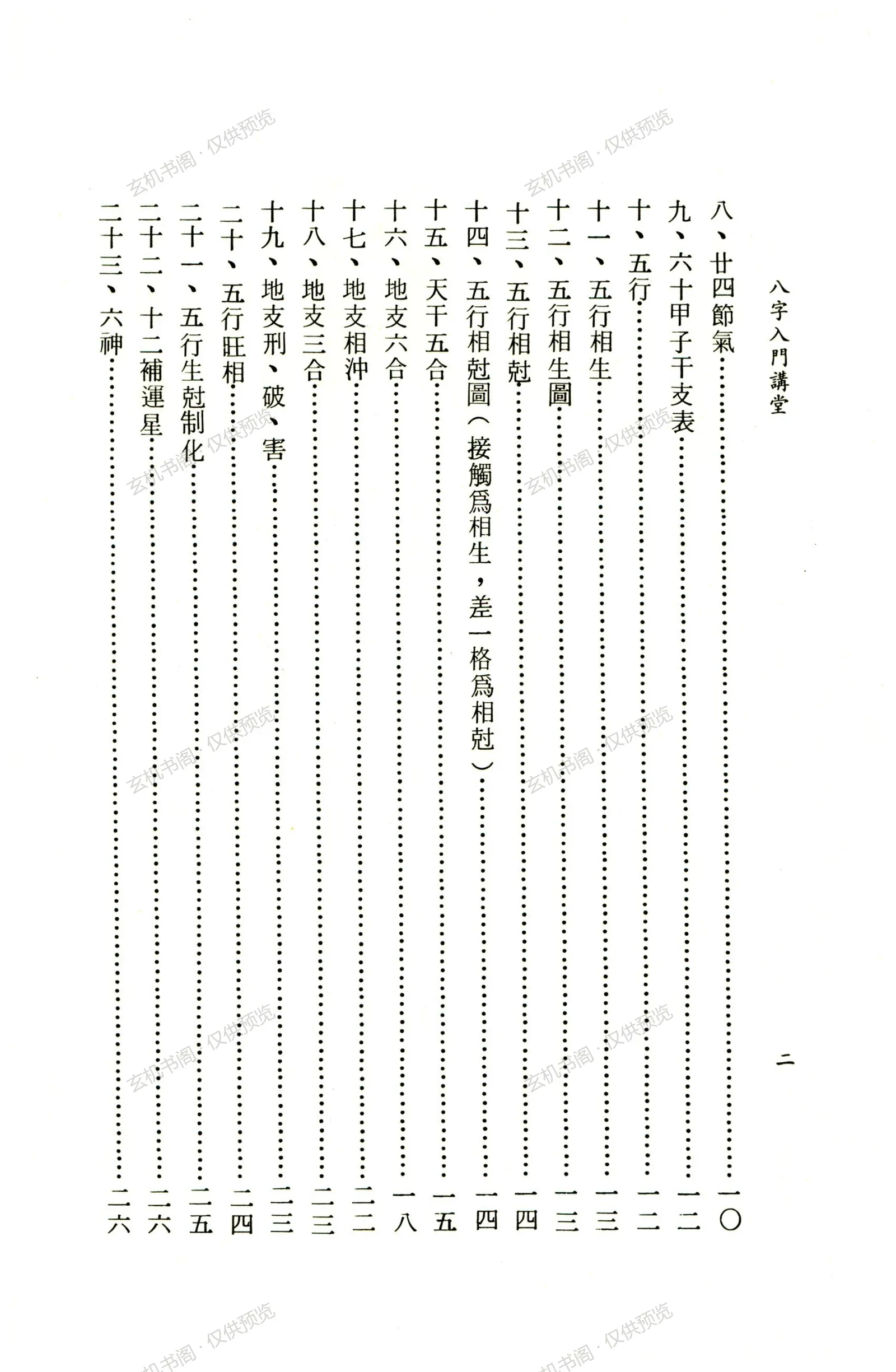
This is volume 29 of the Mingli Qiankun series, compiled by Yu Long Jushi. The cover subtitle states that it uses the generation and restraint of stems and branches, together with luck pillars and annual cycles, to assess a person's fortunes. The preface notes that Zi Ping Bazi is easy to learn but hard to master, and stresses understanding stem-branch interactions first, then using the seasonal adjustment method to find balance in the chart, and finally combining the Six Gods with luck pillars, years and months to judge good and bad fortune. The visible table of contents shows an opening overview chapter and a foundations chapter covering the yin-yang and directional attributes of the ten stems, the properties of the twelve branches, hidden stems, zodiac correspondences, the 24 solar terms, the sexagenary cycle table, the five elements' generating and overcoming relations, stem combinations, branch combinations, clashes, triple harmonies, punishments, harms and breaks, the twelve supplementary stars and the Six Gods. The book is written in a step-by-step style for beginners and lays a solid groundwork before moving to practical chart reading.
Contents
Preface by the author and by Tianji Shangren
1. Overview of Bazi
2. Foundations: yin-yang and directions of the ten stems
The twelve branches, their directions and hidden stems
The 24 solar terms and the sexagenary cycle table
Five-element relations, combinations, clashes and punishments
The twelve supplementary stars and the Six Gods
Key Points
Designed as an introductory lecture series, progressing from easy to difficult.
Stresses stem-branch generation and restraint as the core, plus seasonal adjustment for balance.
The contents show a full foundations section on stems, branches, hidden stems and zodiac signs.
Covers the 24 solar terms and the sexagenary table needed for chart construction.
Systematically organizes five-element relations, stem combinations, branch combinations and clashes.