Reading guide
Content guideOverview
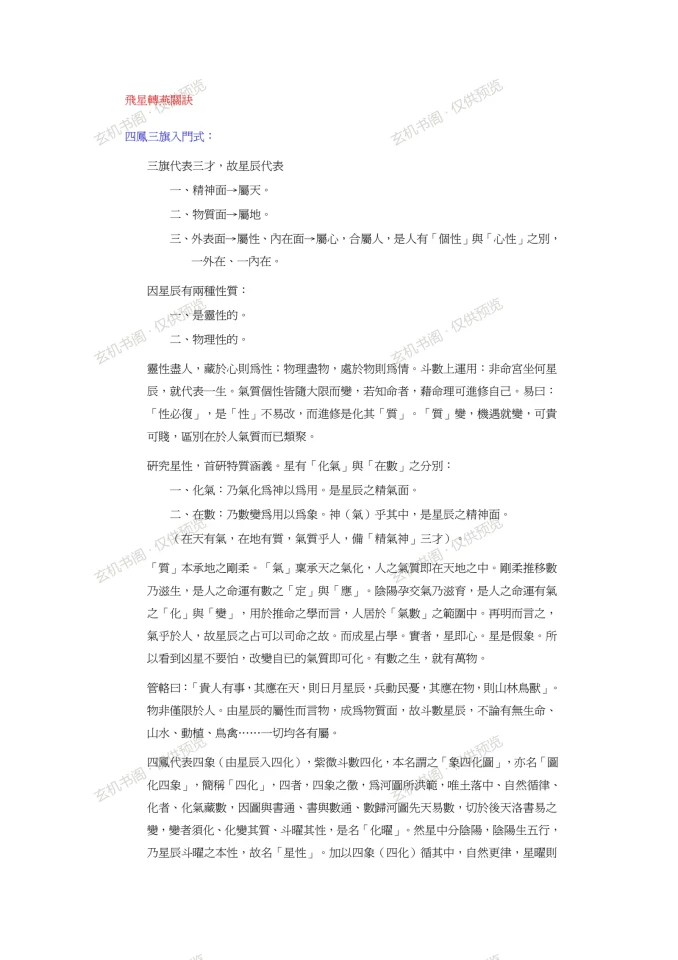
This book is a practical Zi Wei Dou Shu discussion built around the chart of a recorded homicide case. Through a dialogue between 'Fuzi' and 'Yiting', it first explains the San He technique and the four corners (san fang si zheng), noting that when borrowing stars into an empty palace only major stars and the four transformations are borrowed, while minor stars are not; it also covers the supporting and clamping roles of adjacent palaces, opposite stars, and the four peach-blossom stars. It then shows that Zi Wei Dou Shu requires its own method for deriving the year, month, day and hour stems and branches, distinct from a conventional almanac, working through the steps to obtain Jia Xu, Jia Wu, Jia Chen and Xin Hai. Three ways of selecting the key palace are presented: by annual limit and life palace, by the nature of the event, and by background information. The text then counts transformations of the Sun, Tian Ji and Wen Qu across the chart, debates whether the Wei and Hai palaces carry four or six inauspicious transformations, and finally checks the derived imagery against Weng Fuyu's recorded description of the crime scene. It is a technique-oriented demonstration rather than a theoretical treatise, suited to readers who already know the basics of Zi Wei Dou Shu.
Contents
Opening dialogue: replaying a case with a chart
San He basics: four corners, borrowing stars, clamping
Opposite stars and peach blossom stars in imagery
Deriving stems and branches specifically for Zi Wei charts
Three approaches to locating the key palace
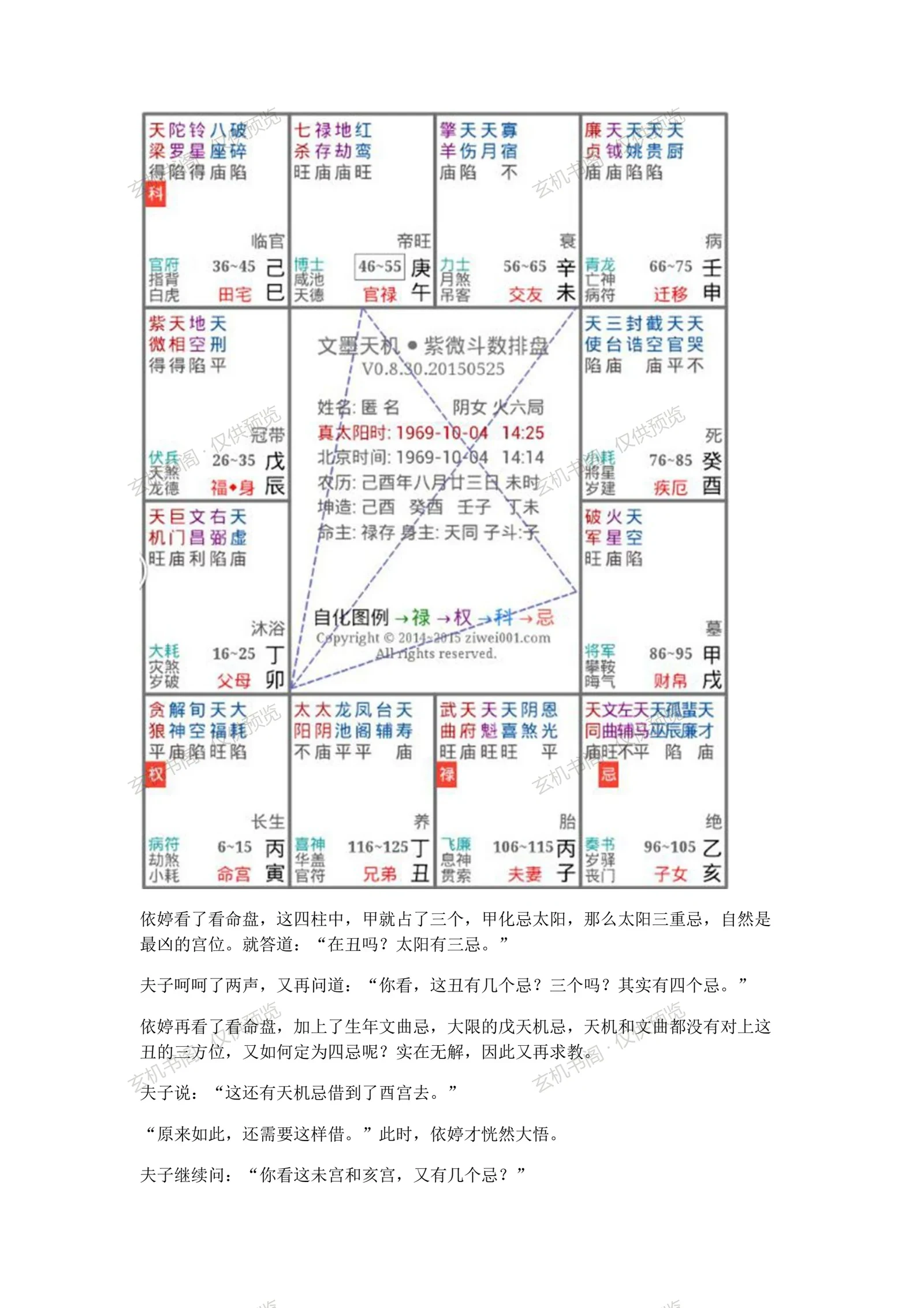
Counting inauspicious transformations in Wei and Hai
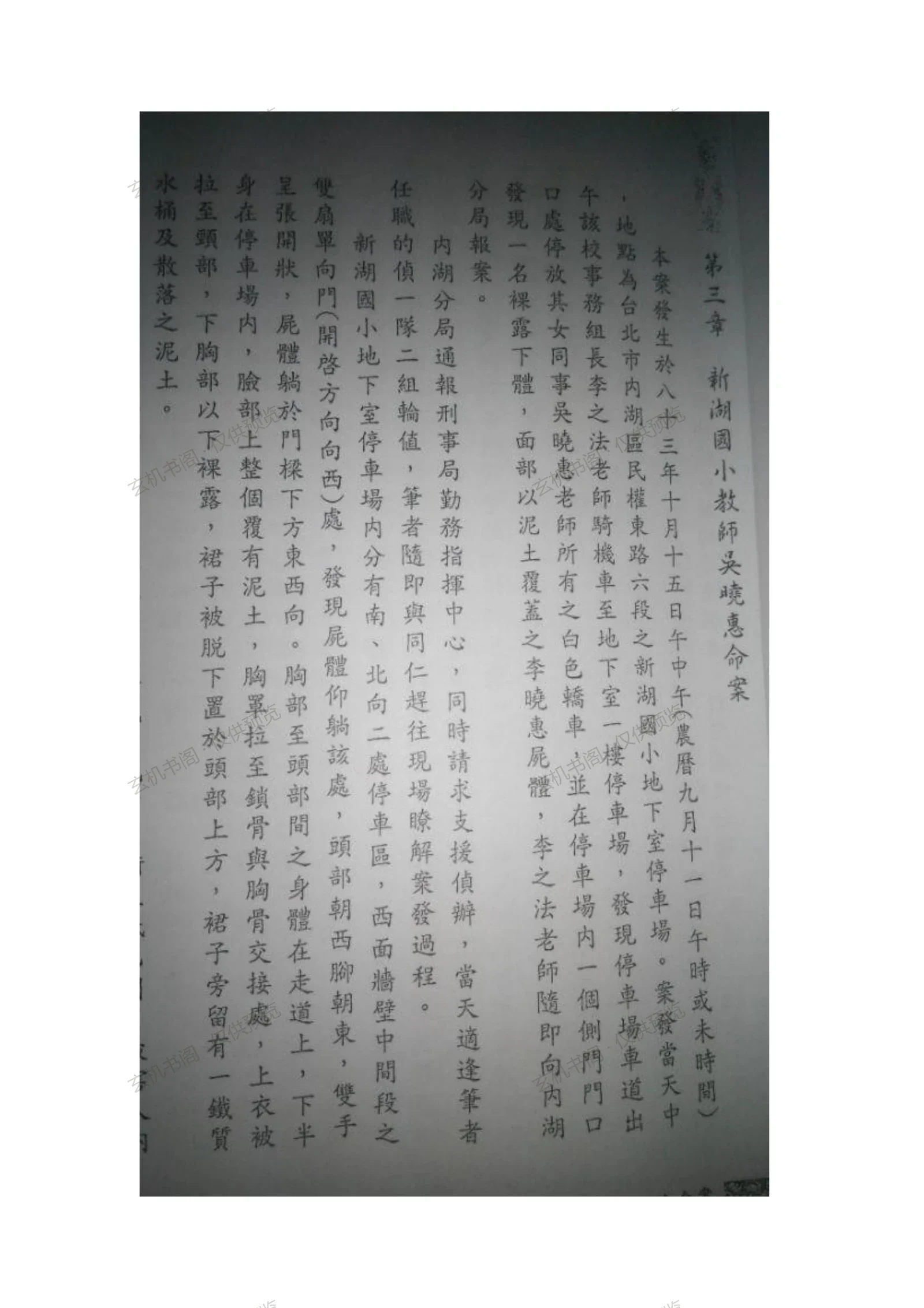
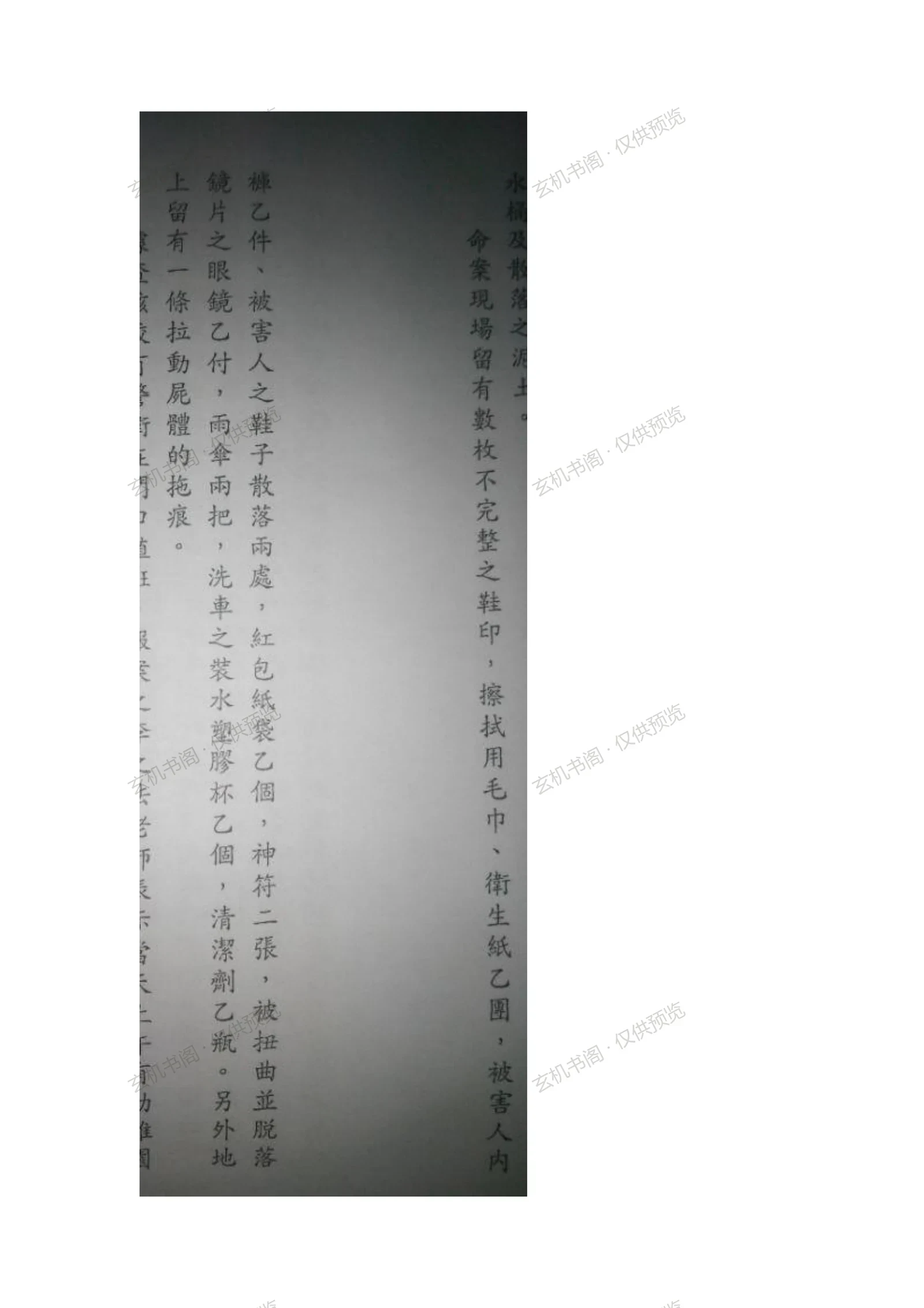
Checking against Weng Fuyu's scene description
Key Points
Empty palaces borrow only major stars and transformations
Adjacent, opposite and same-palace stars modify fortune
Zi Wei charts need their own stem-branch derivation
Key palace can be chosen by limit, event or background
Counting inauspicious transformations locates the worst palace