Reading guide
Content guideOverview
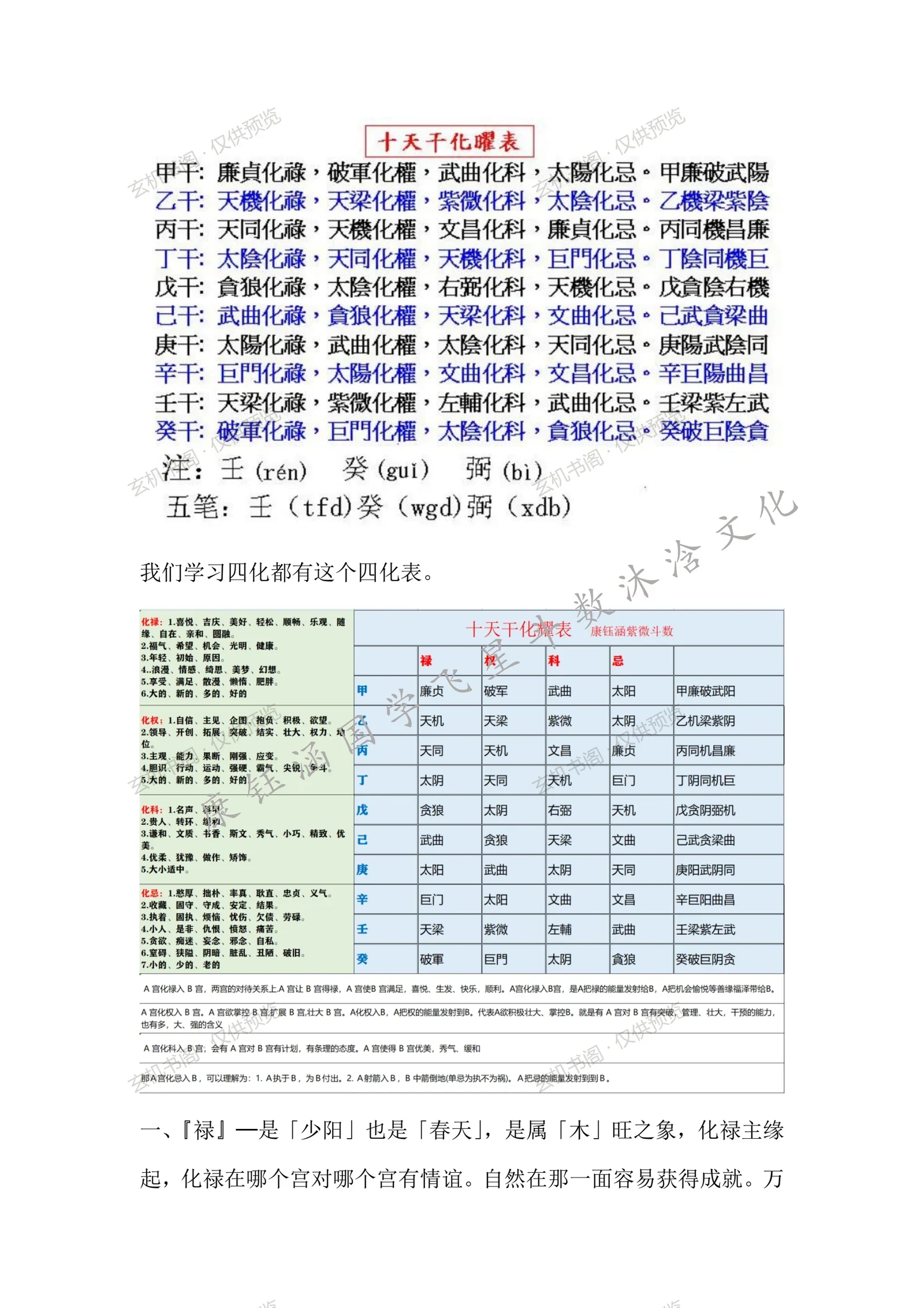
This six-page handout is Lesson 26 of a beginner course on Zi Wei Dou Shu flying star techniques. It opens with the classical diagram of the Supreme Ultimate giving rise to two modes, four images, and eight trigrams, stressing that yin and yang are the foundation. Photo examples illustrate yin-yang judgment, such as downward, bright, lively, bleak, or chaotic images, and connect them to a person's temperament. The four images are then matched to the seasons: Greater Yin to winter, Greater Yang to summer, Lesser Yang to spring, and Lesser Yin to autumn, with boiling and cooling water used as analogies for waxing and waning. These seasons are mapped onto the four transformations lu, quan, ke, and ji, described as a cyclical flow of energy. The final pages list the ten heavenly stems transformation table stem by stem and summarize the meanings of the four transformations, noting that lu corresponds to spring, wood, and affinity. The material is introductory, focused on memorizing formulas and understanding imagery.
Contents
Diagram: Supreme Ultimate to two modes, four images, eight trigrams
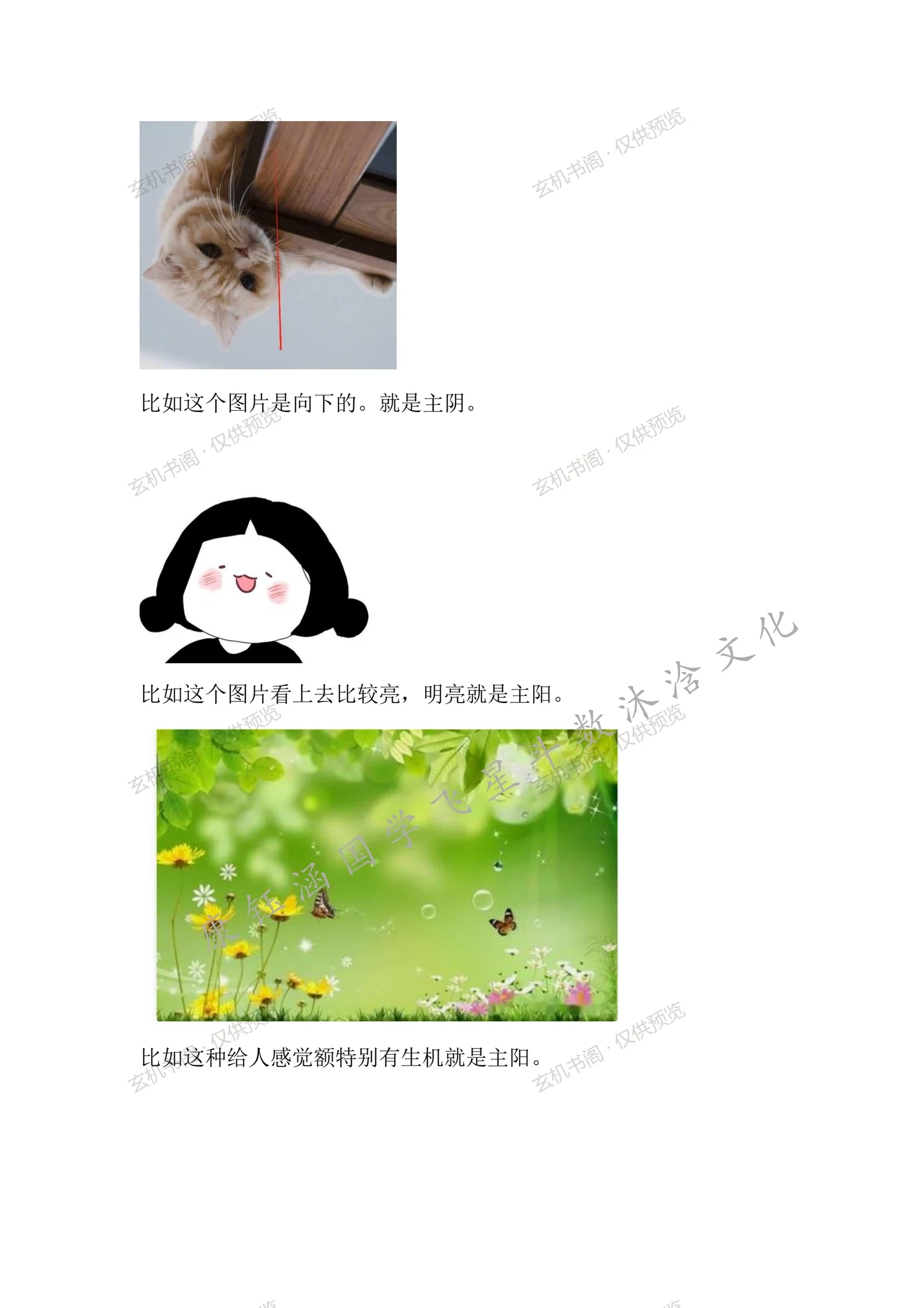
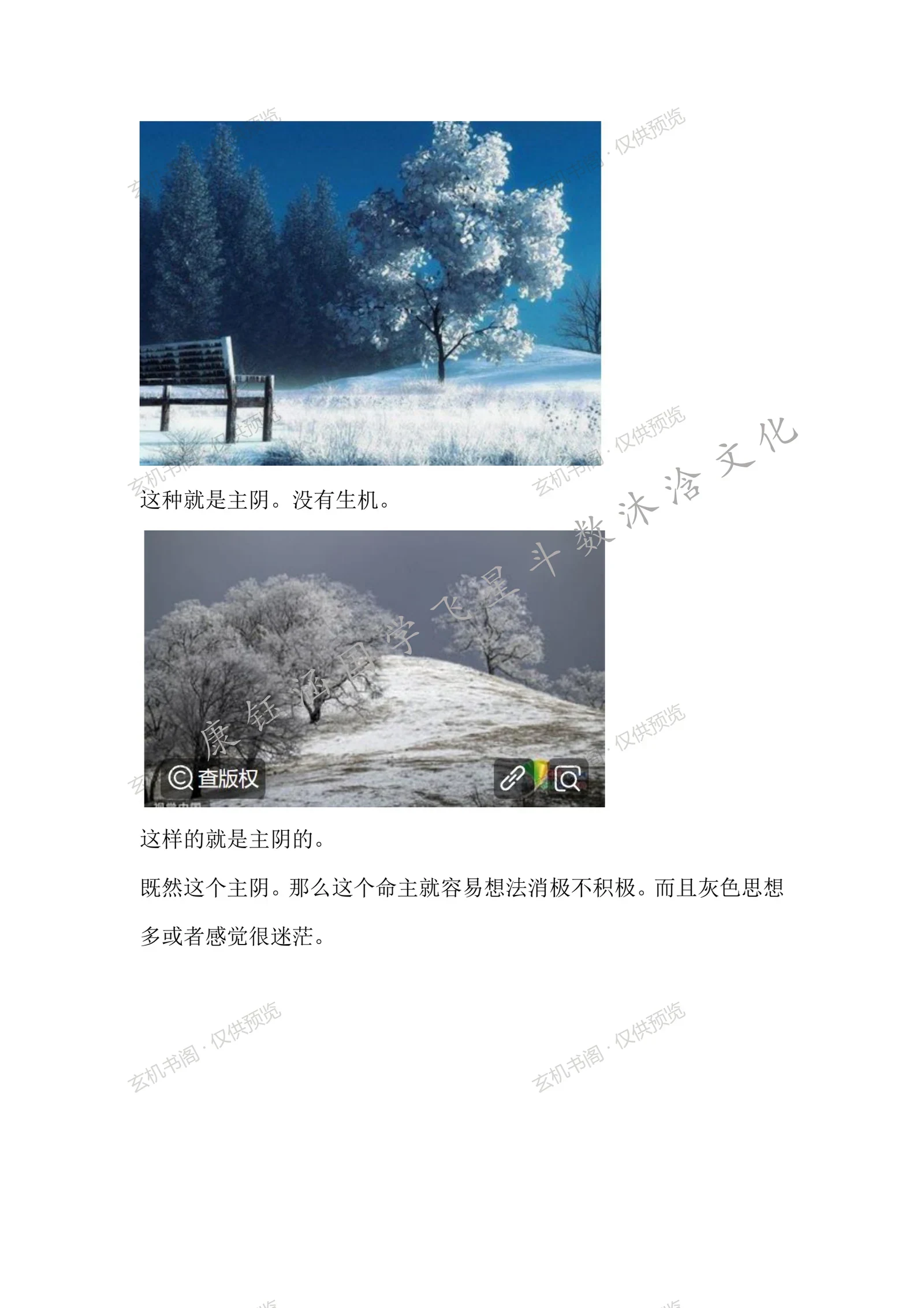
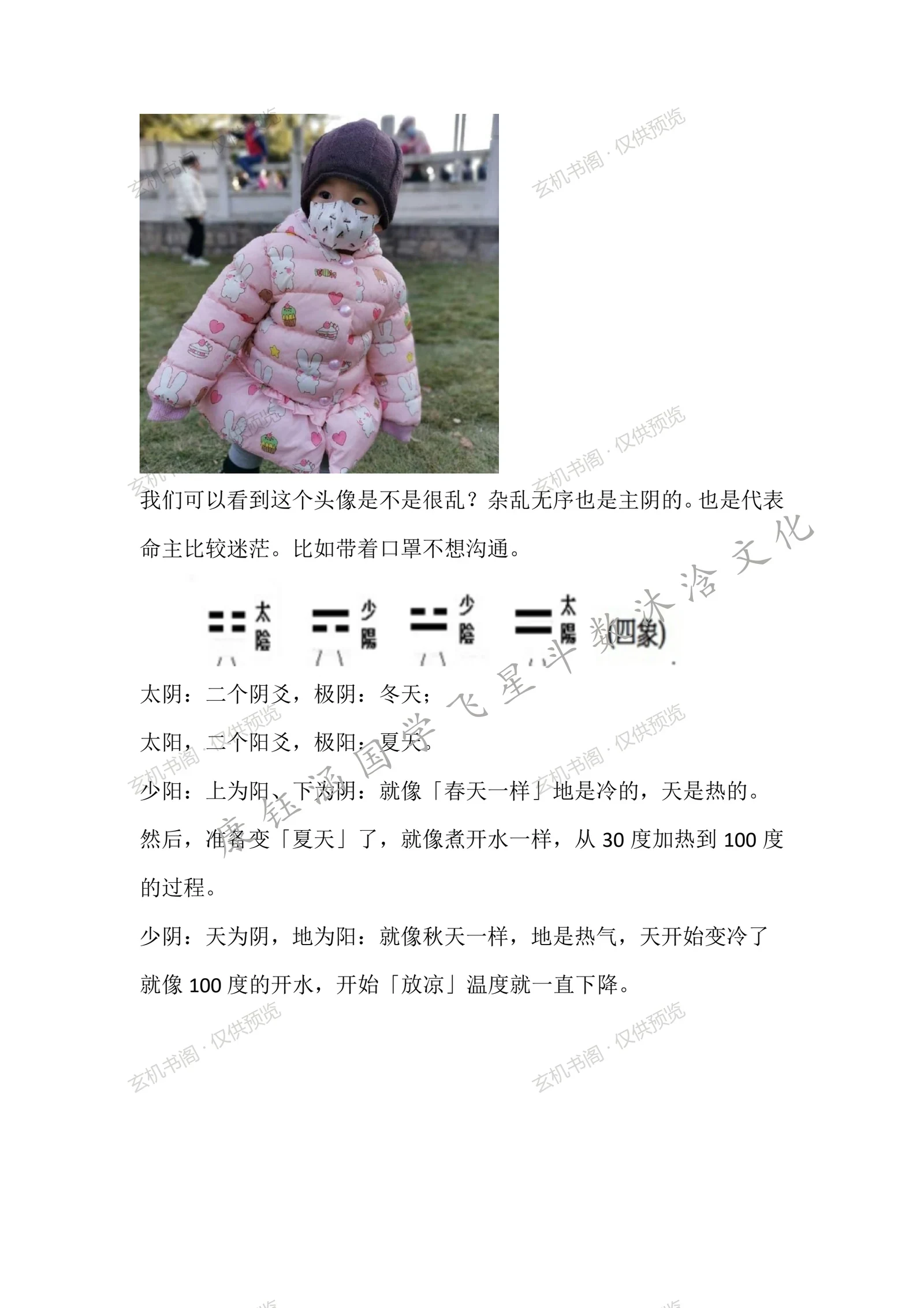
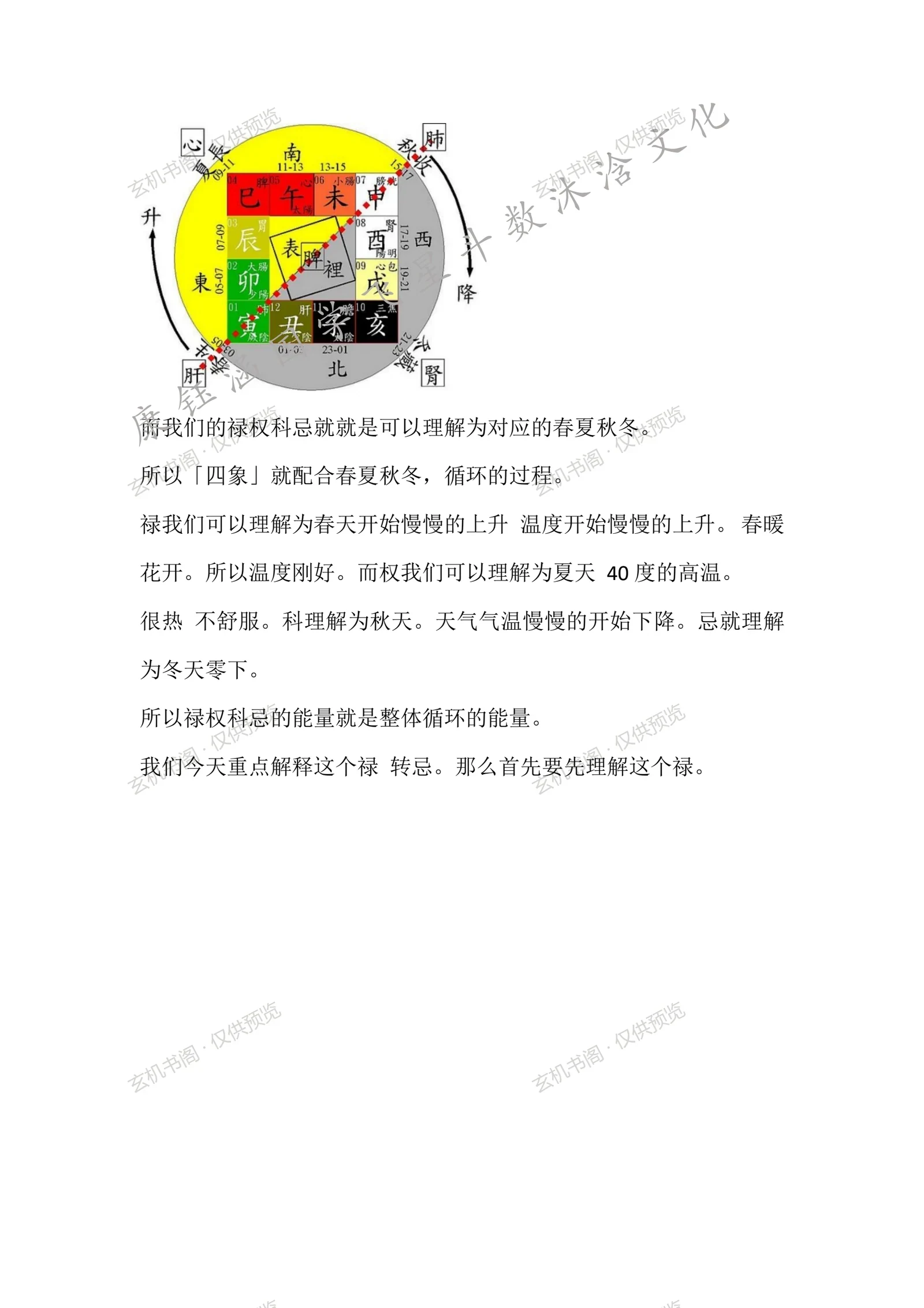
Basic definitions and photo examples of yin and yang
Four images as the four seasons and yin-yang waxing and waning
Mapping lu, quan, ke, ji to spring, summer, autumn, winter
Ten heavenly stems transformation table listed stem by stem
Basic meanings of the four transformations and palace relations
Key Points
Yin-yang is the foundation of flying stars and four transformations; distinguish movement, brightness, rising, and falling.
The four images correspond to seasons: Greater Yang summer, Greater Yin winter, Lesser Yang spring, Lesser Yin autumn.
The four transformations follow the seasonal cycle: lu spring, quan summer, ke autumn, ji winter.
Each heavenly stem has fixed transformation stars for lu, quan, ke, and ji, which must be memorized.
Lu is a wood-phase image of affinity; the palace it enters indicates where one finds connection.