Reading guide
Content guideOverview
This is the handout for Lesson 21 of a Zi Wei Dou Shu beginner course, devoted to interpreting the Lianzhen star in the Fortune Palace. Using chart screenshots from the Wenmo Tianji software, the teacher walks through Lianzhen alone, Lianzhen with Tanlang, Lianzhen with Pojun, and Lianzhen with Qisha, explaining how each combination changes the native's temperament and inner life. Much of the text deals with the influence of malefics and four transformations: Huoxing and Lingxing bring anxiety, Tuoluo brings entanglement, birth-year Quan inflates the ego and ambition, while birth-year Ji or self-transformed Ji produces pessimism, sentimentality and insomnia. Auspicious stars such as Zuofu, Youbi, Tiankui and Tianyue turn busyness into achievement and enjoyment of work. Brief remarks on Lianzhen in the Siblings and Property palaces round out the lesson, making it a useful reference for palace-level interpretation in Zi Wei Dou Shu.
Contents
General view of Lianzhen in the Fortune Palace
Lianzhen with Tianxiang or Tianfu: stable and happy
Lianzhen with Tanlang or Pojun: toil and busyness
Huoxing, Lingxing, Qingyang, Tuoluo: anxiety and entanglement
Birth-year Quan and Ji in the Fortune Palace
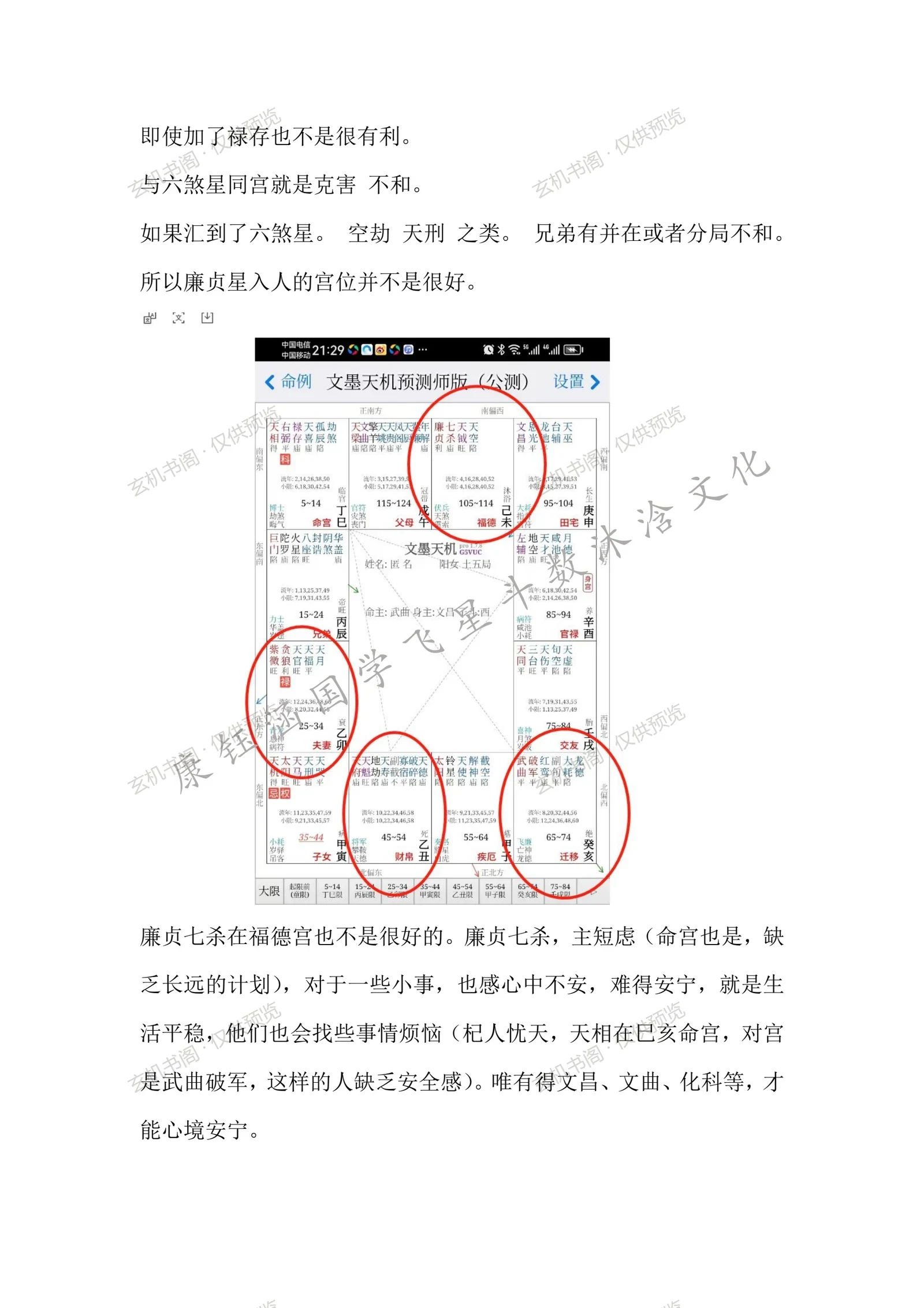
Lianzhen with Qisha: short-sightedness, insecurity
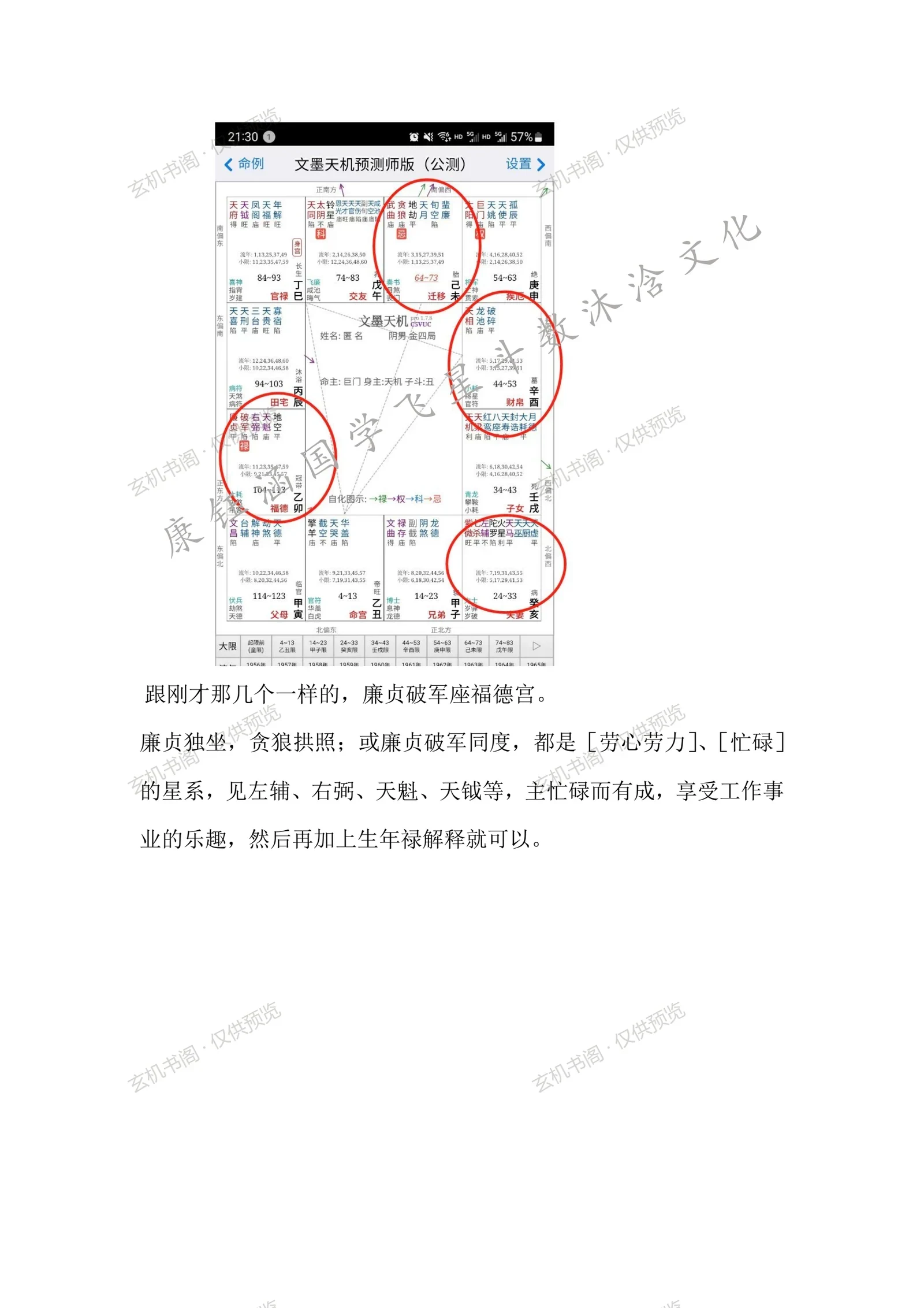
With Zuofu, Youbi, Tiankui, Tianyue: busy but successful
Notes on Lianzhen in the Siblings and Property palaces
Key Points
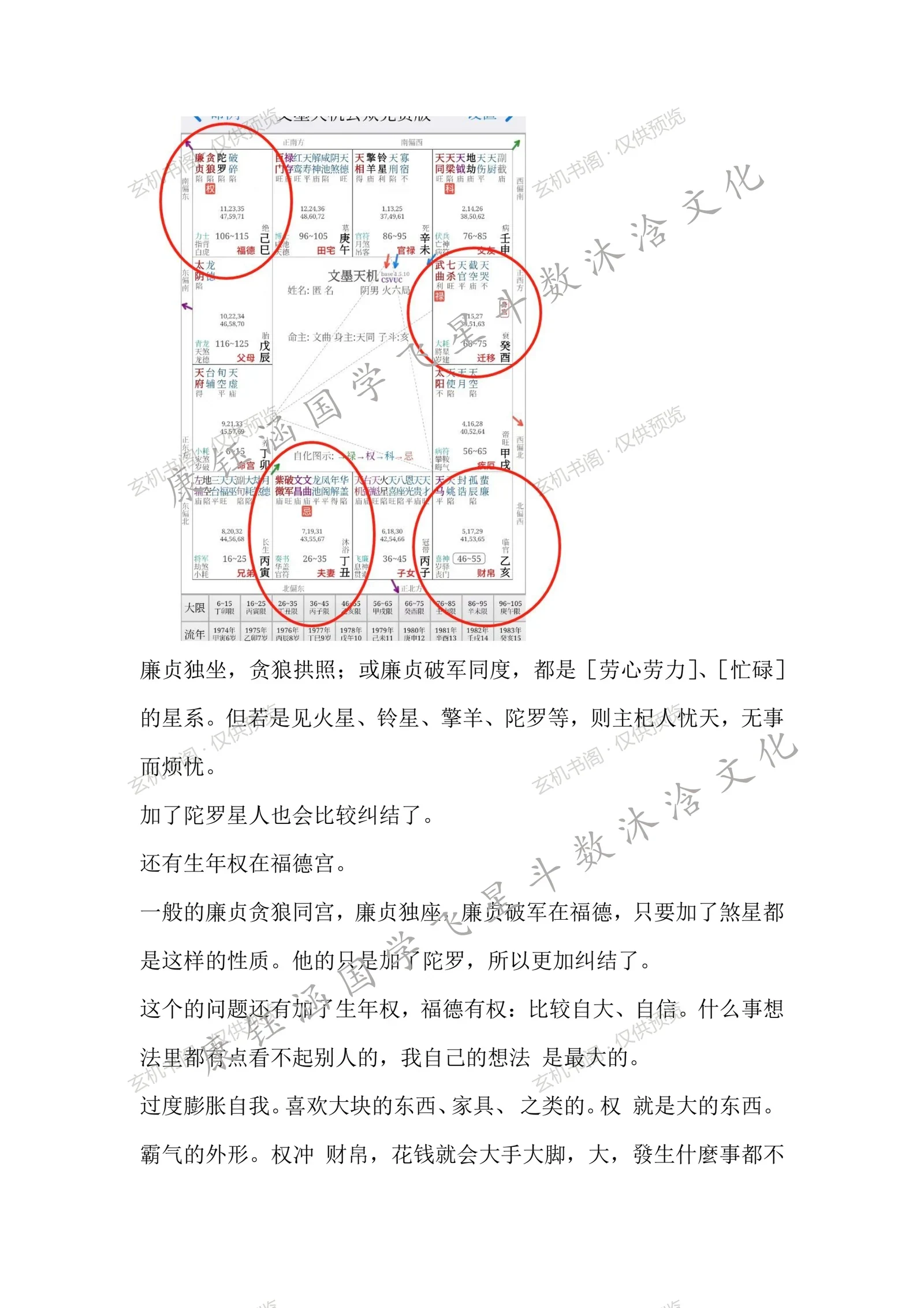
Lianzhen in the Fortune Palace varies greatly; with the killer-breaker-wolf stars it means busy toil.
Lianzhen with Tianxiang or Tianfu is steadier and brings ease and happiness.
Huoxing and Lingxing cause anxiety, Tuoluo causes entanglement, Kongjie worsens matters.
Birth-year Quan brings arrogance; birth-year Ji brings pessimism and sentimentality.
With Zuofu, Youbi, Tiankui or Tianyue, busyness turns into achievement.