Reading guide
Content guideOverview
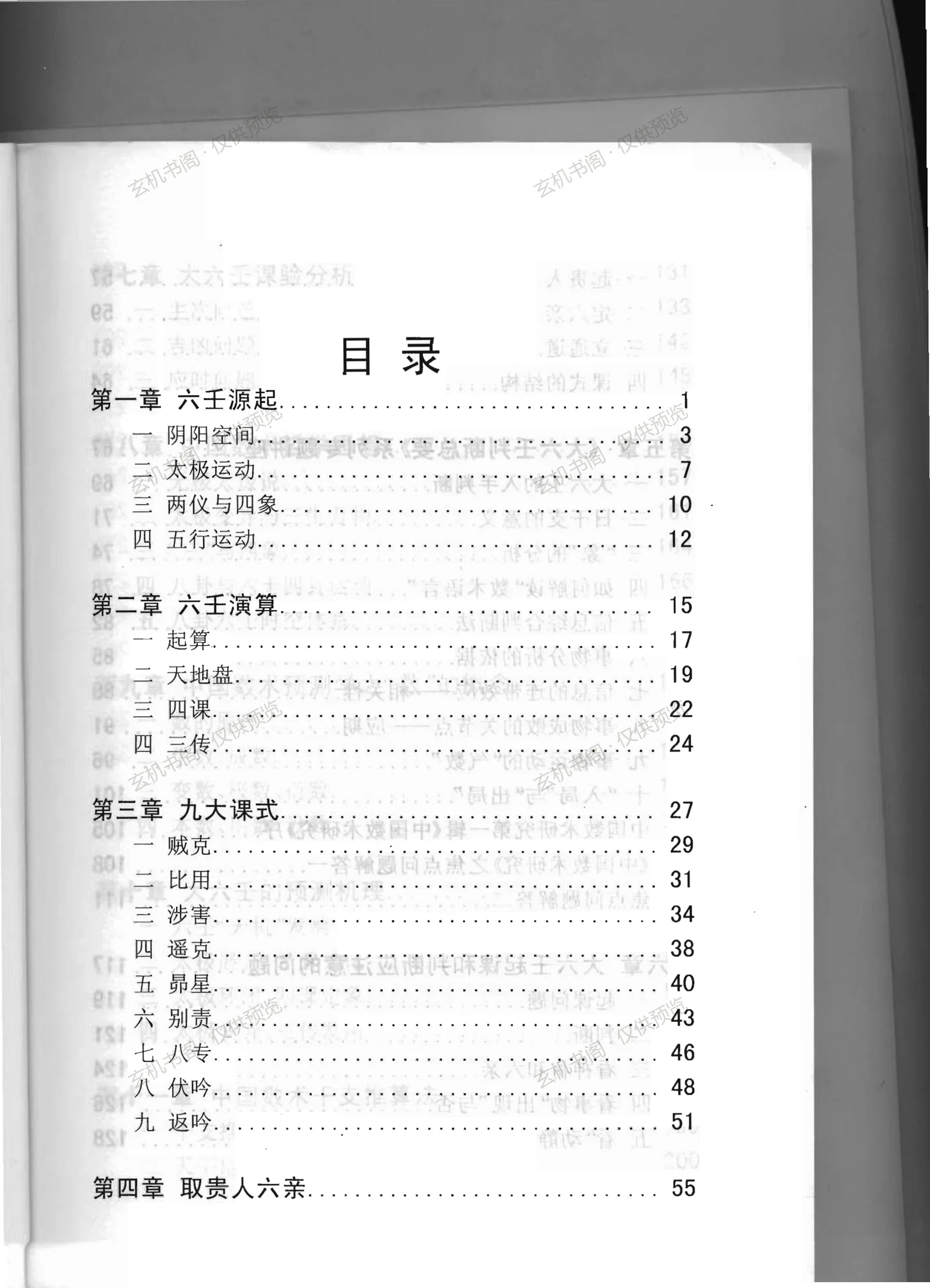
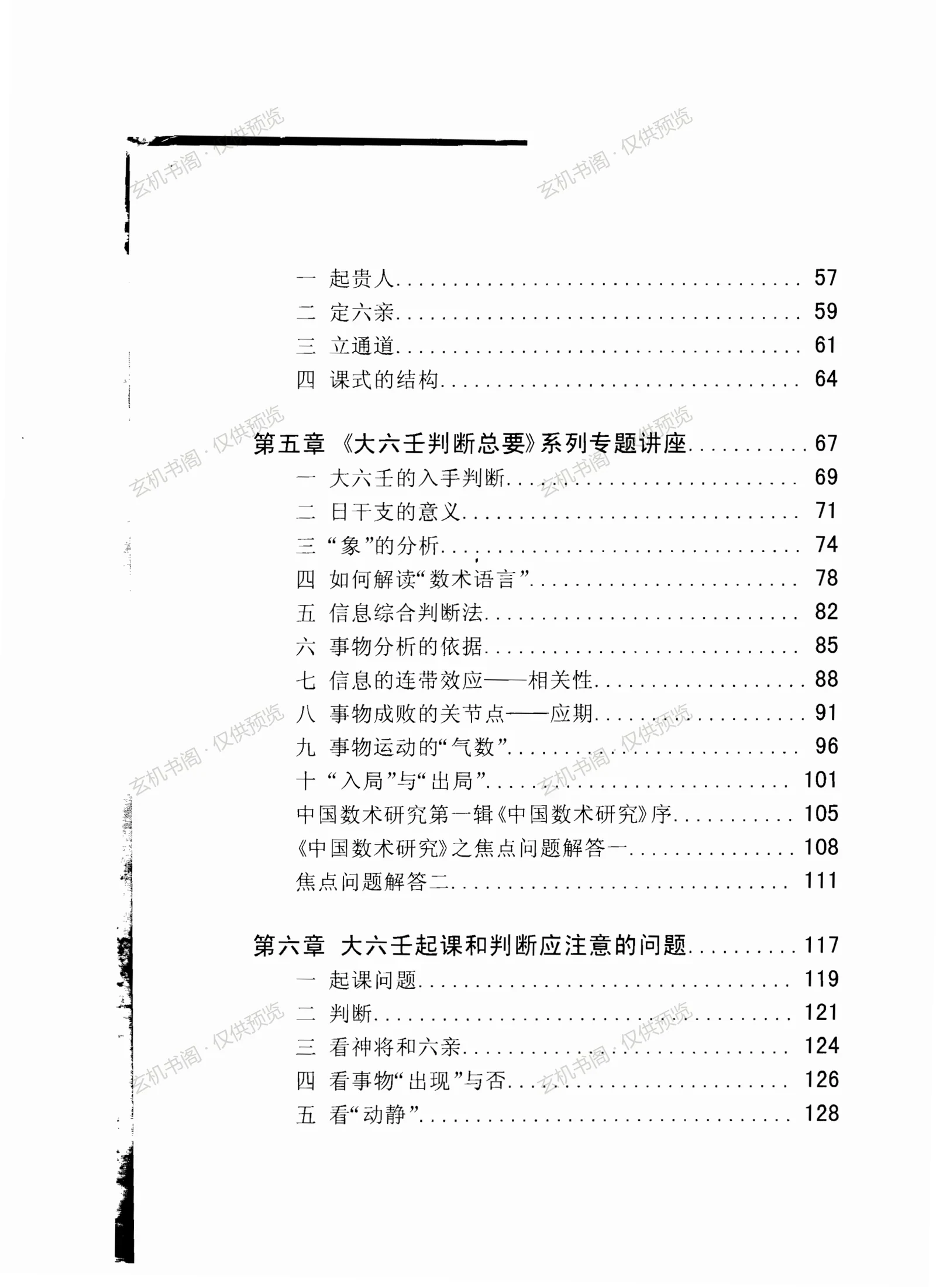
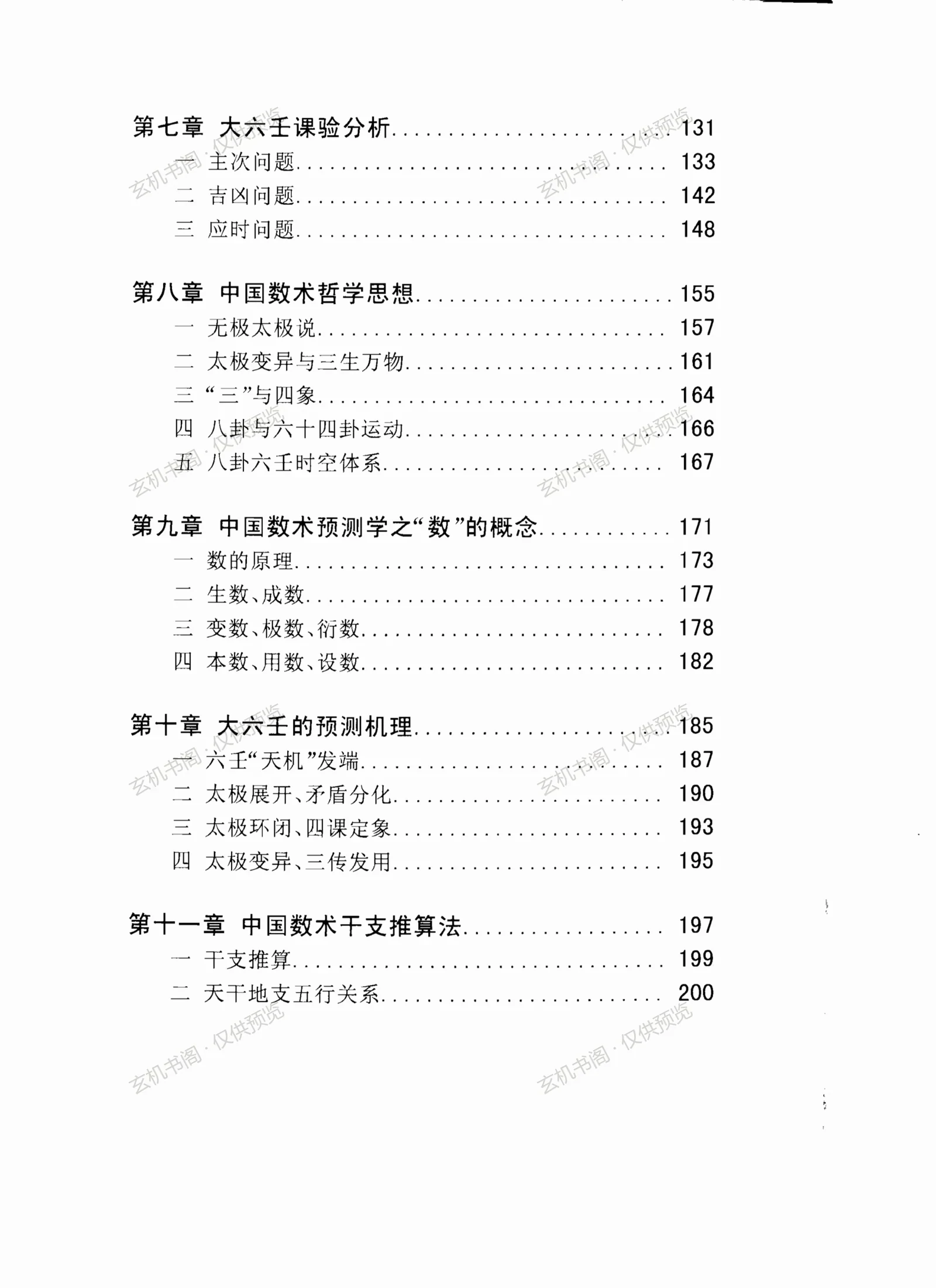
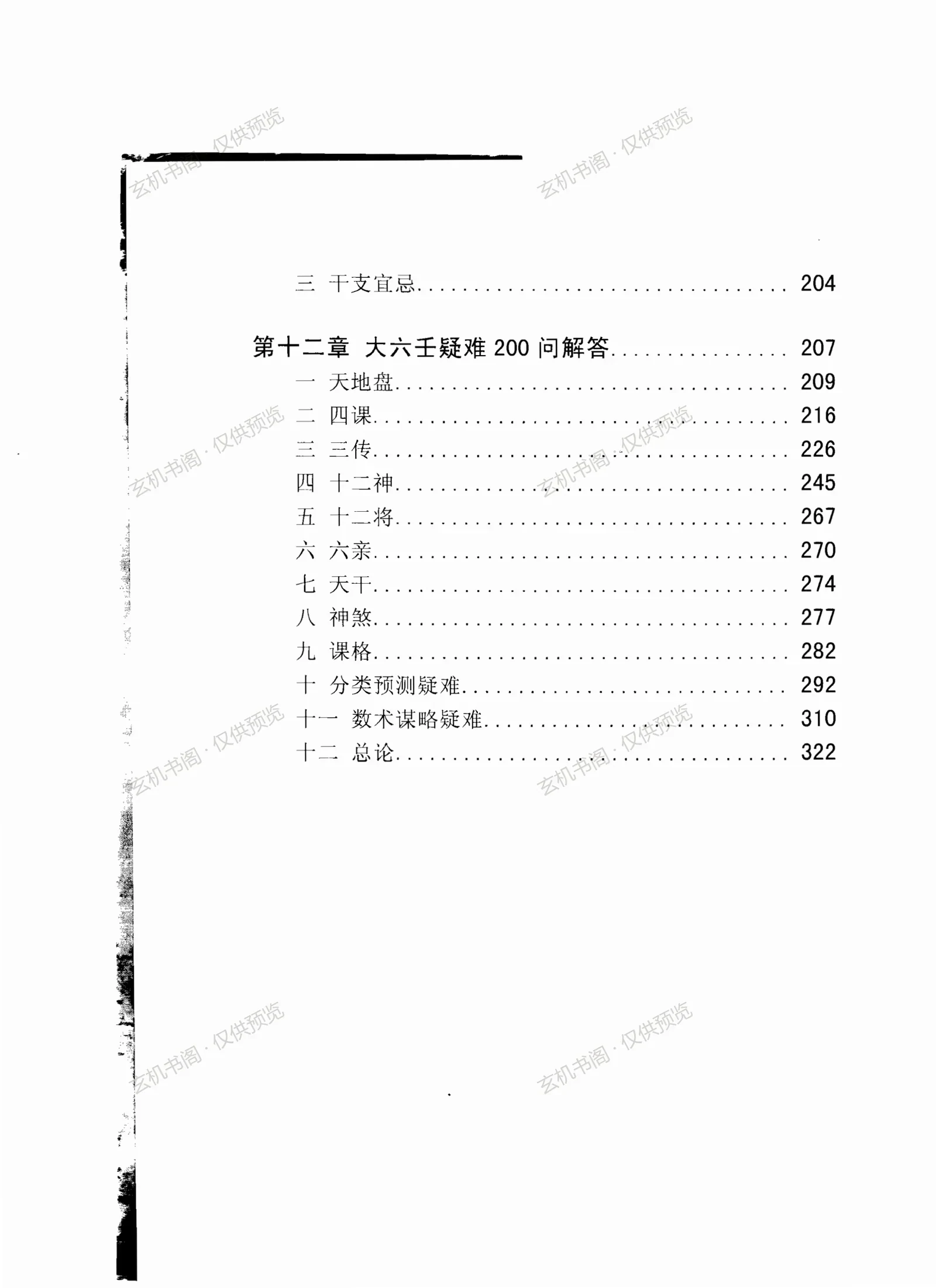
This book belongs to the 'Chinese Mysterious Culture Series' and is written by Wu Jianhong. Its twelve chapters move from the cosmological background of Liu Ren—yin-yang, taiji, the two modes and four images, and the five phases—into the practical construction of a divination chart: the heavenly and earthly plates, the four lessons, and the three transmissions. It then lists the nine major lesson patterns and discusses the taking of noblemen and the six relations, the structure of a lesson, and a series of lectures on judgment covering the significance of the day stem and branch, the analysis of images, reading the language of numerology, integrated judgment, and timing. Later chapters address problems to watch for in casting and judging, analysis of main and secondary factors, good and bad fortune, and timing, before turning to the philosophy of Chinese numerology, the concept of number, the predictive mechanism of Liu Ren, and stem-branch calculation. The final chapter answers 200 questions arranged by topic, from the plates and four lessons to the three transmissions, the twelve gods and generals, the six relations, spirits and stars, lesson patterns, and classified predictions. It suits readers with some Liu Ren background who want a systematic review of chart construction and judgment.
Contents
Origins: yin-yang, taiji, four images, five phases
Chart construction: casting, plates, four lessons, three transmissions
The nine major lesson patterns
Noblemen, six relations, and lesson structure
Lectures on general principles of judgment
Problems in casting and judging
Analyzing lessons: priority, fortune, timing
Numerological philosophy, number, and stem-branch calculation
200 questions and answers on Liu Ren
Key Points
Explains Liu Ren's roots through yin-yang, taiji, and the five phases
Walks through the full casting process of plates, four lessons, and three transmissions
Lists the nine lesson patterns one by one for easy reference
Devotes chapters to images, numerological language, and timing in judgment
Ends with 200 topical questions and answers