Reading guide
Content guideOverview
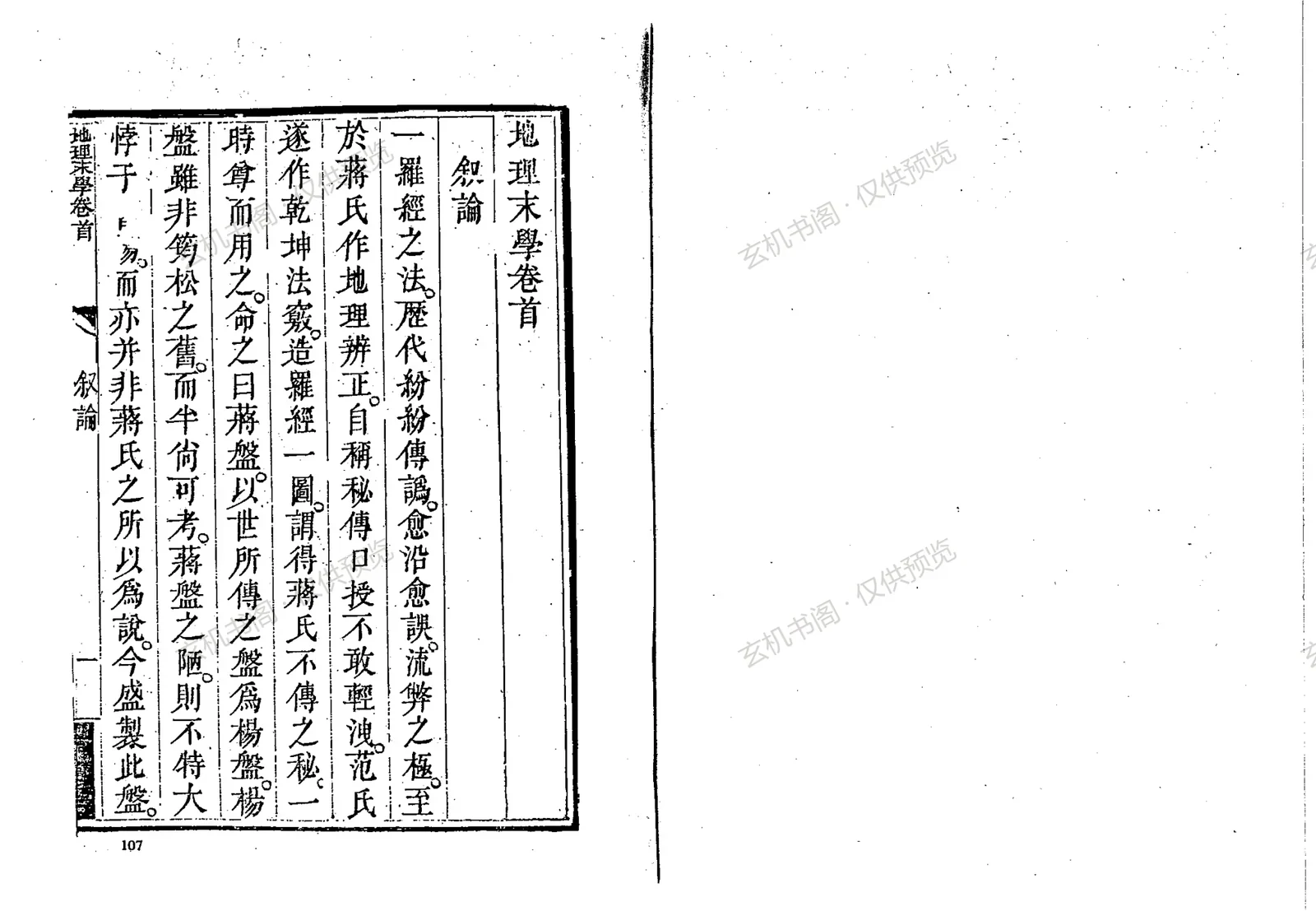
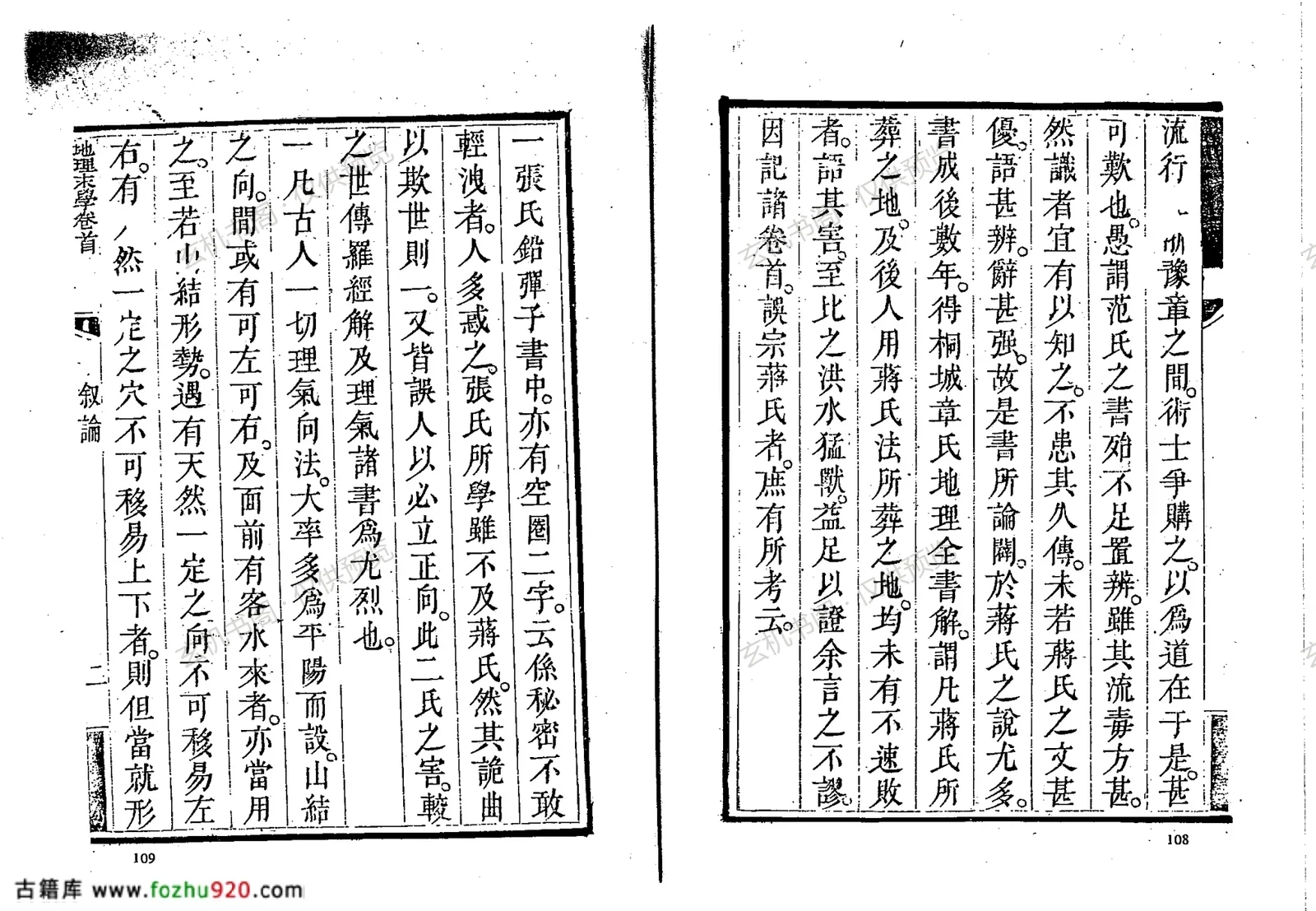
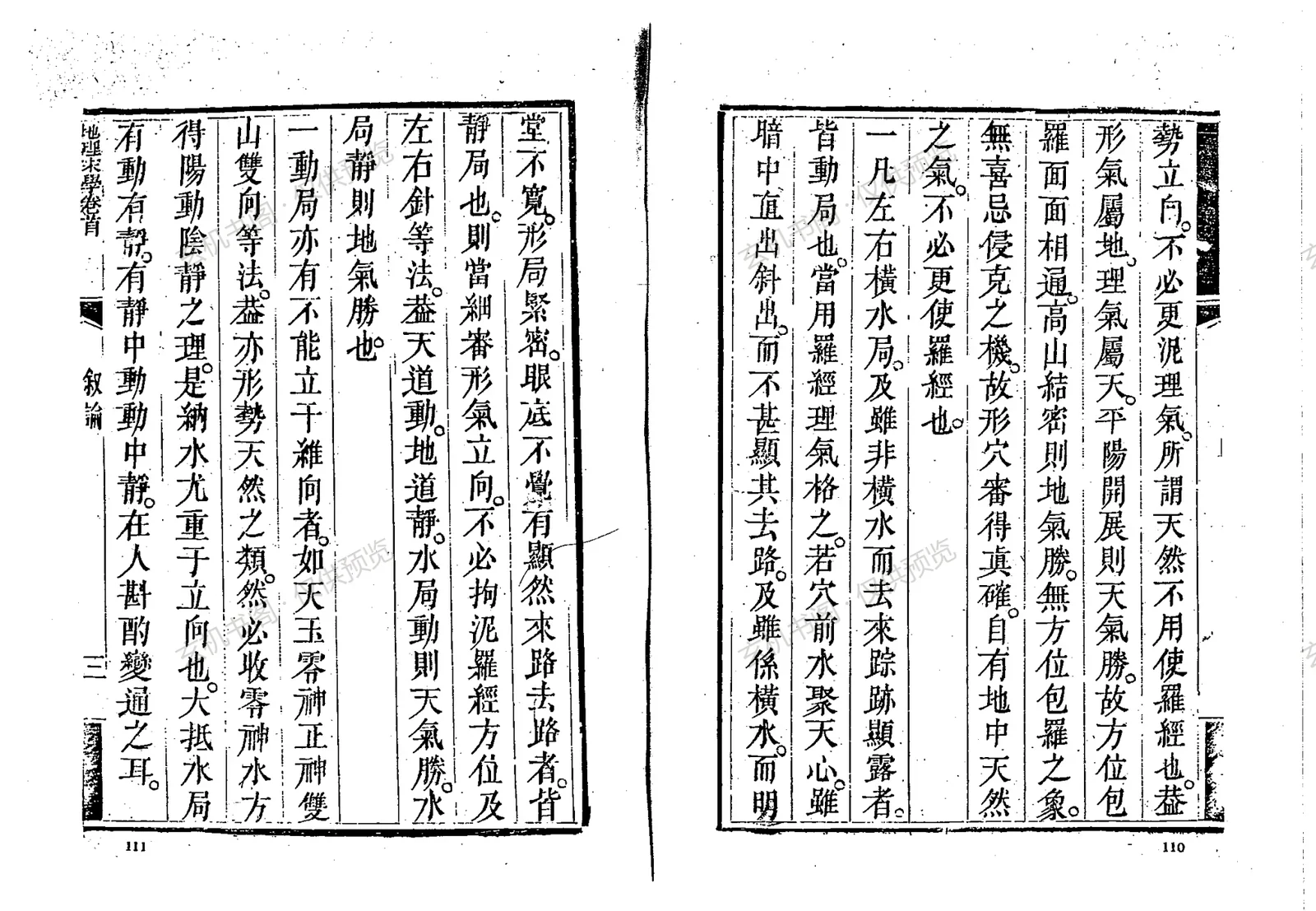
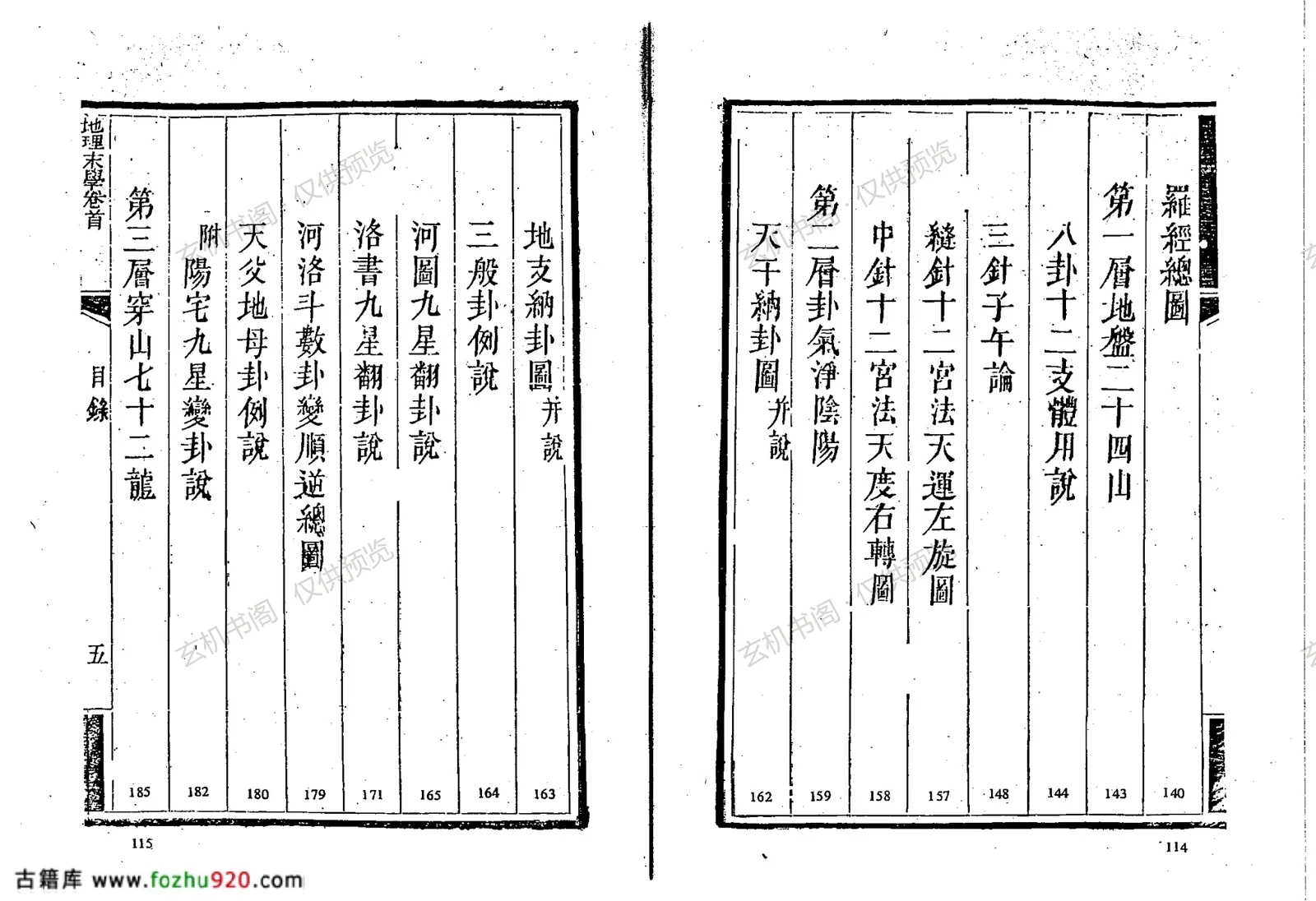
Dili Moxue (Geographical End Studies) is a Qing dynasty fengshui work, of which this is the introductory volume. Centered on the luopan (geomantic compass), particularly the Jiang Pan, it discusses the layers, trigram qi, and orientations of the compass. The preface (Xulun) first traces the historical origins of the luopan, criticizes the proliferation of false oral traditions and forged compasses, and focuses on verifying the authenticity and transmission of the Jiang (Jiang Dahong) compass versus the Yang compass. It emphasizes the unity of form (xing) and qi (liqi), arguing that neither landforms nor directional calculations should be neglected. The main text uses diagrams and explanations—such as the Pre-Heaven Scripture Plate, Post-Heaven Stem-Branch Diagram, Trigram Qi Yin-Yang Diagram, and Twenty-Eight Mansions Diagram—to detail the principles and applications of each compass layer, involving Hetu-Luoshu, Nine-Star flipping trigrams, and earthly branch na-gua methods. The table of contents reveals a structured work covering compass diagrams, fenjin, mansion degrees, and dragon methods. The book is valuable for studying traditional compass theory, Jiang Dahong's school of fengshui, and the debate between form and liqi.
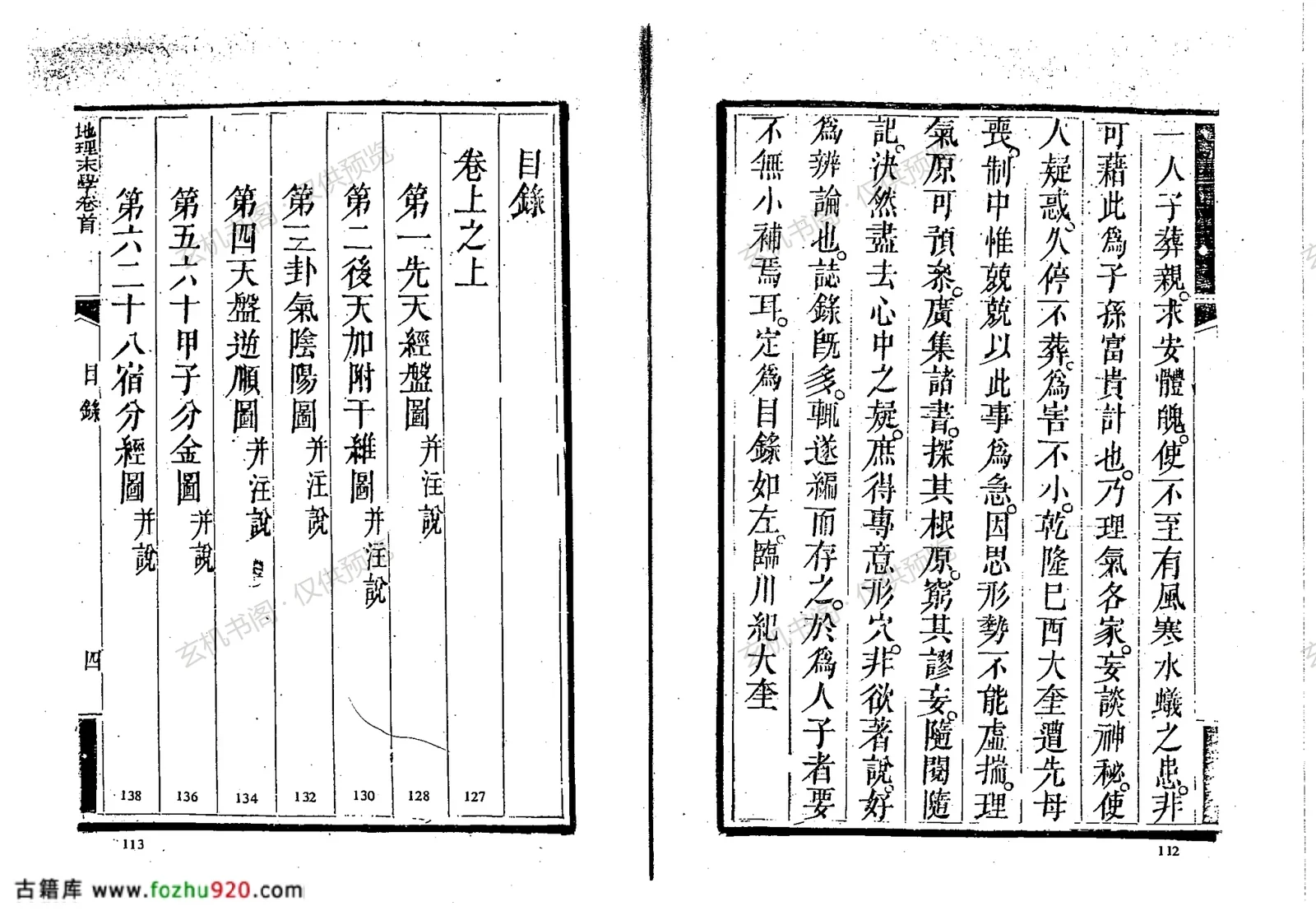
Contents
Preface: Origins of the luopan and authenticity of the Jiang Pan
Pre-Heaven Scripture Plate diagram and explanation
Post-Heaven Stem-Branch diagram and explanation
Trigram Qi Yin-Yang diagram and explanation
Heavenly Plate forward/reverse diagram and explanation
Jiazi Fenjin diagram and explanation
Twenty-Eight Mansions diagram and explanation
General luopan diagram and layer-by-layer details
Key Points
Distinguishes authentic Jiang Pan from forged compasses and false oral teachings.
Advocates equal importance of landform (xing) and directional energy (liqi).
Illustrates compass layers: Pre/Post-Heaven, trigram qi, fenjin, mansion degrees.
Incorporates Hetu-Luoshu, Nine-Star flipping trigrams, and other numerological principles.
Table of contents shows a complete system covering dragon, point, and orientation methods.