Reading guide
Content guideOverview
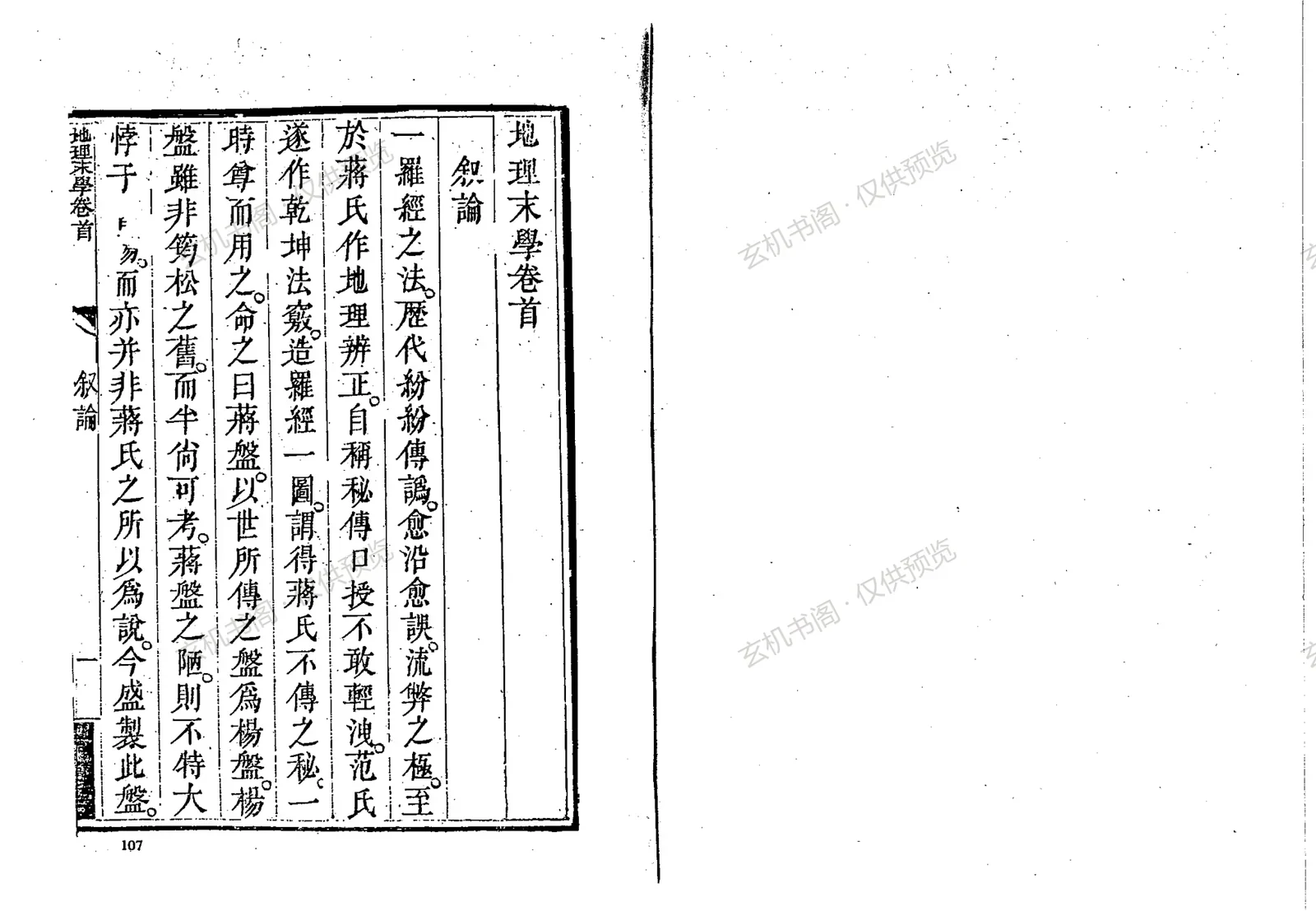
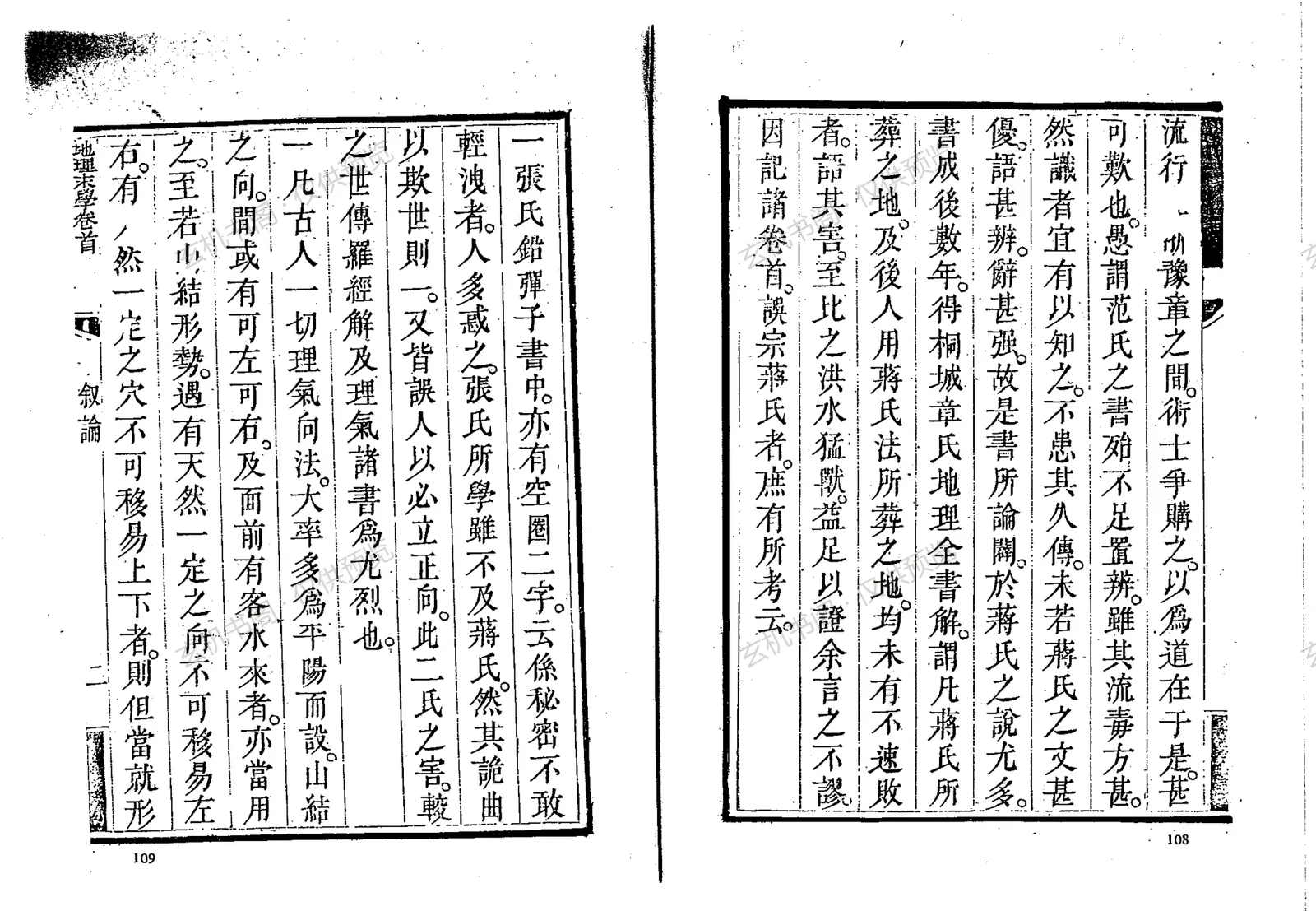
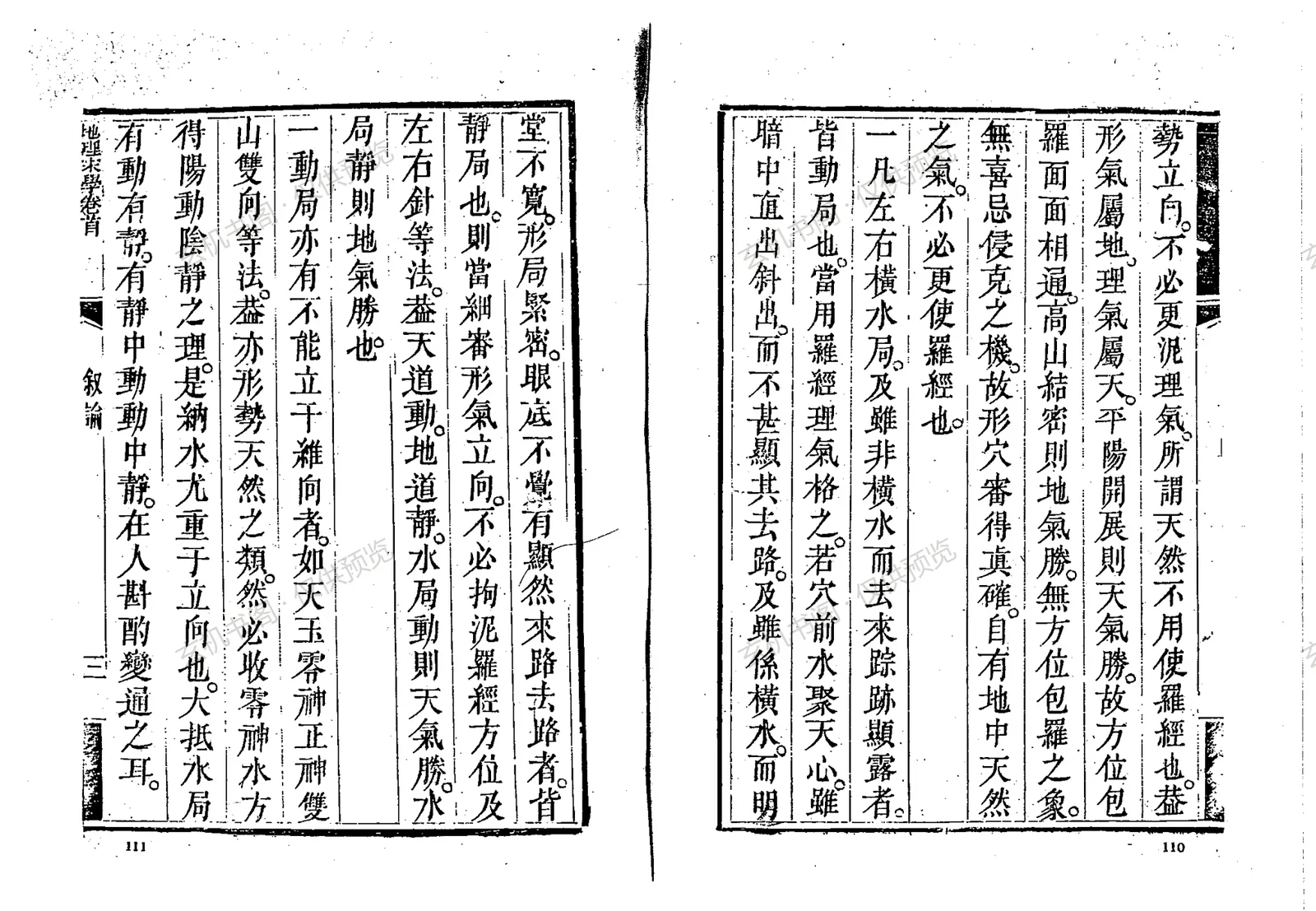
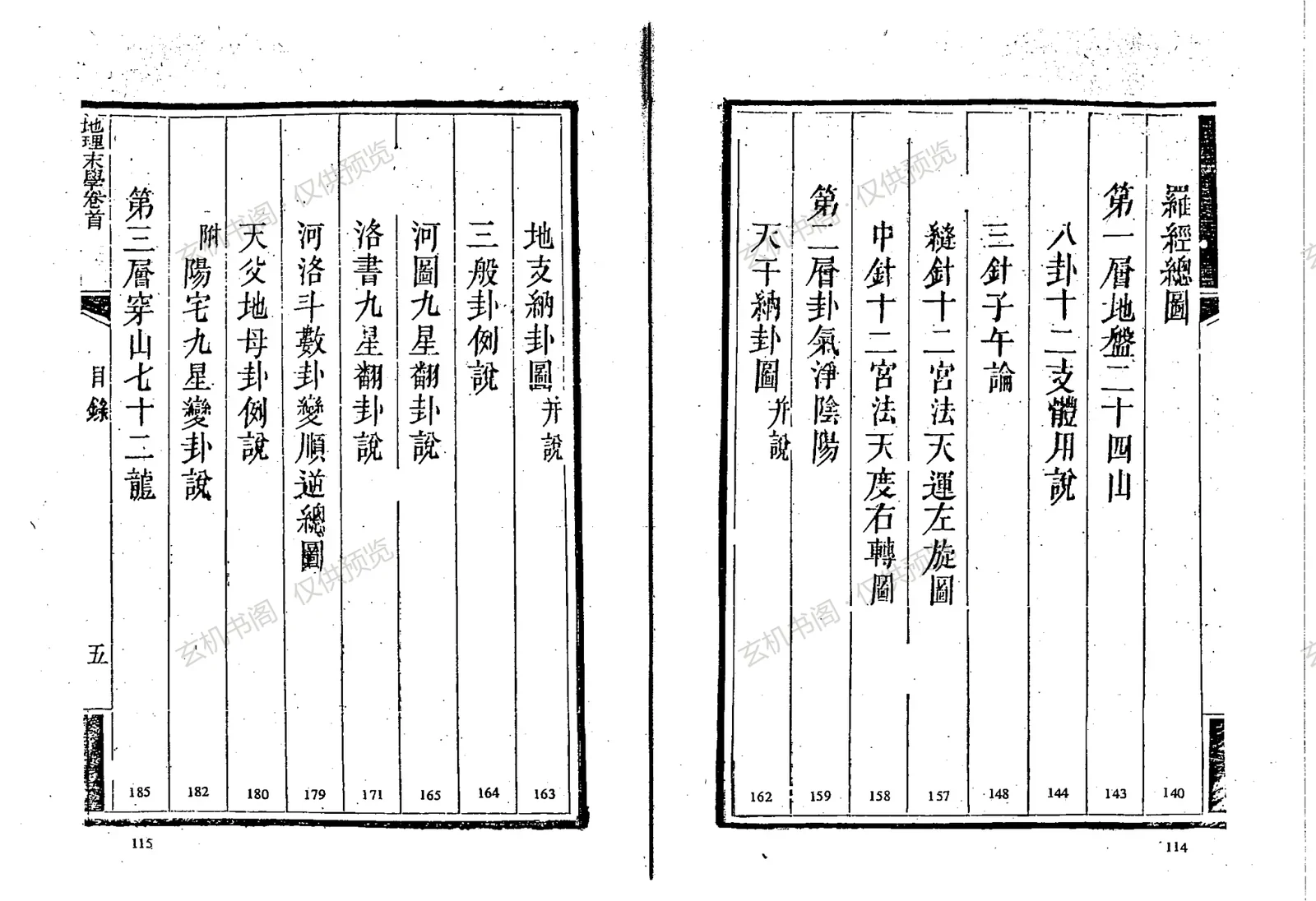
Dili Moxue (The Rudiments of Geography) is a feng shui manual written by Jiang Dakui during the Qing dynasty. The prefatory section includes an introduction and table of contents. In the introduction, the author criticizes various pseudo-methods prevalent in the feng shui community at the time, particularly addressing the secret transmissions and compass (Jiang pan) practices of Jiang Dahong's school, arguing that many people are misled by forged texts. The book emphasizes the integration of form (xingshi) and qi (liqi), insisting that feng shui cannot rely solely on compass calculations but must also consider the actual terrain, such as 'water gathering at the center of heaven' and 'flat expanses opening up.' The table of contents indicates that subsequent chapters will detail the principles and applications of various compass rings—including the Fuxi and King Wen bagua, the 24 mountains, 72 dragons, chuanshan and toudi, Hetu and Luoshu, and the nine-star fan gua—as well as methods for assessing auspicious and inauspicious configurations. This work holds significant reference value for studying traditional Chinese kanyu, especially the historical development of the Sanhe and Xuankong schools and the Jiang family compass.
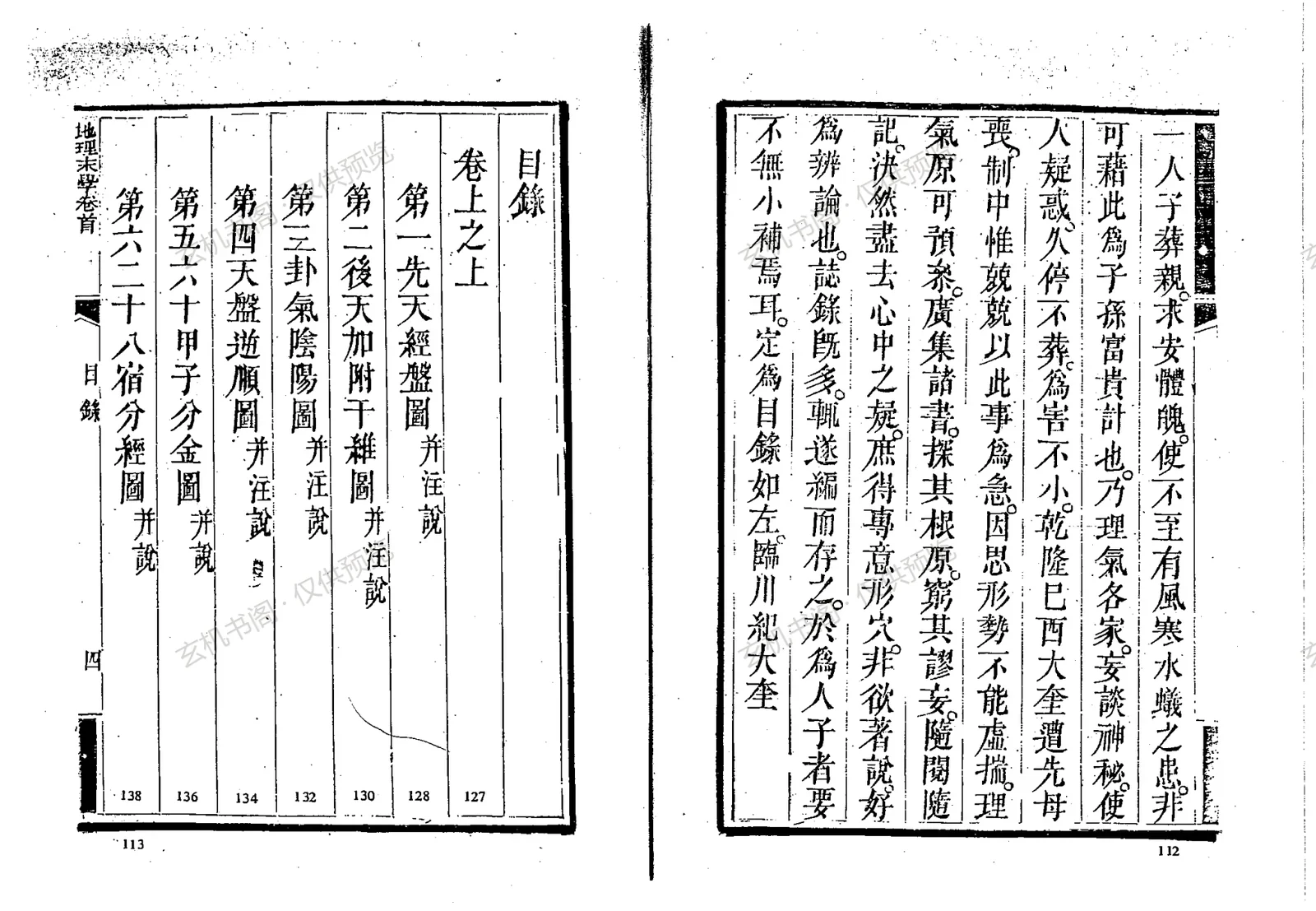
Contents
Introduction: Critiquing false feng shui methods and promoting Jiang's geography
Volume 1, Part 1: Fuxi static compass diagram, King Wen additional stems and dimensions
Volume 2: Celestial plate forward/reverse diagram, 60 jiazi fenjin diagram
Volume 3: 28 lunar mansions fenjing diagram
General compass diagram: Earth plate 24 mountains, bagua 12 branches structure and application
Needle-sewing 12 palaces method, Middle needle 12 palaces method
Heavenly stems na gua diagram, Hetu Luoshu dou shu gua transformation forward/reverse diagram
Key Points
Critiques prevalent fake feng shui methods, emphasizing the combination of compass calculations and landforms.
Provides detailed diagrams of various compass (Jiang pan) rings, such as the 24 mountains, 72 dragons, and 28 lunar mansions.
Compares and discusses the similarities and differences between Jiang Dahong's feng shui and other schools (like Sanhe).
Emphasizes actual terrain, proposing the principle of 'combining form and qi' in feng shui practice.