Reading guide
Content guideOverview
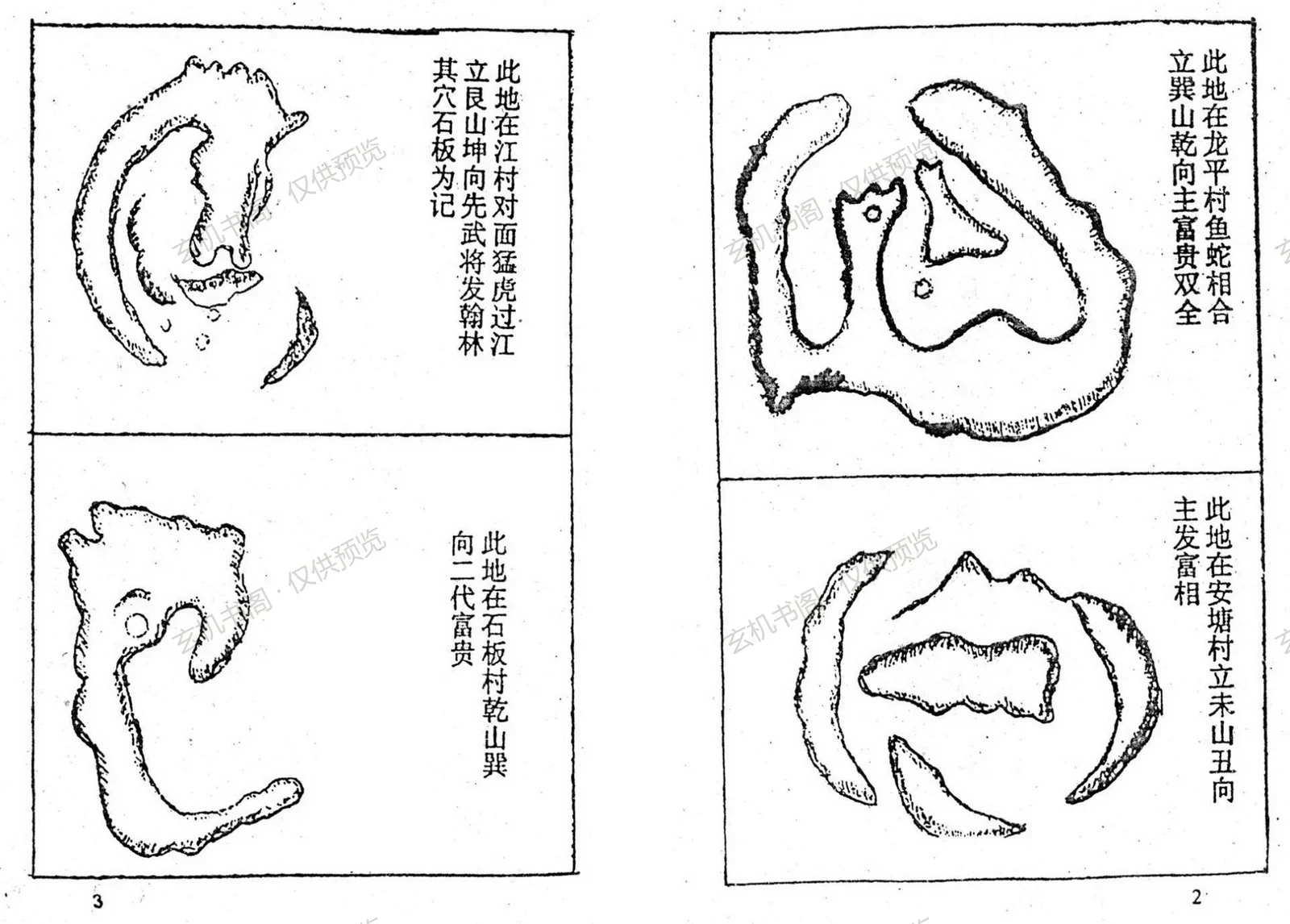
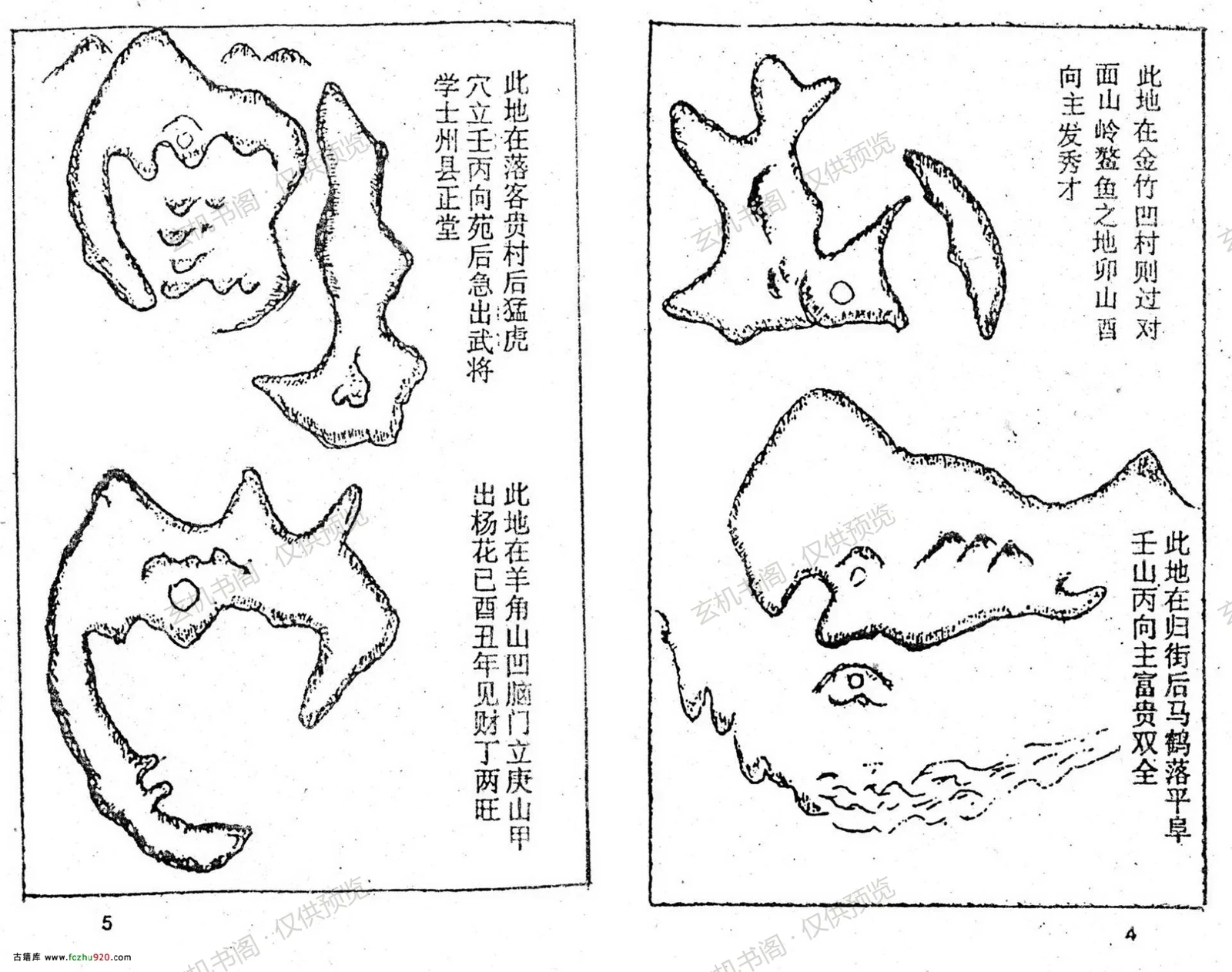
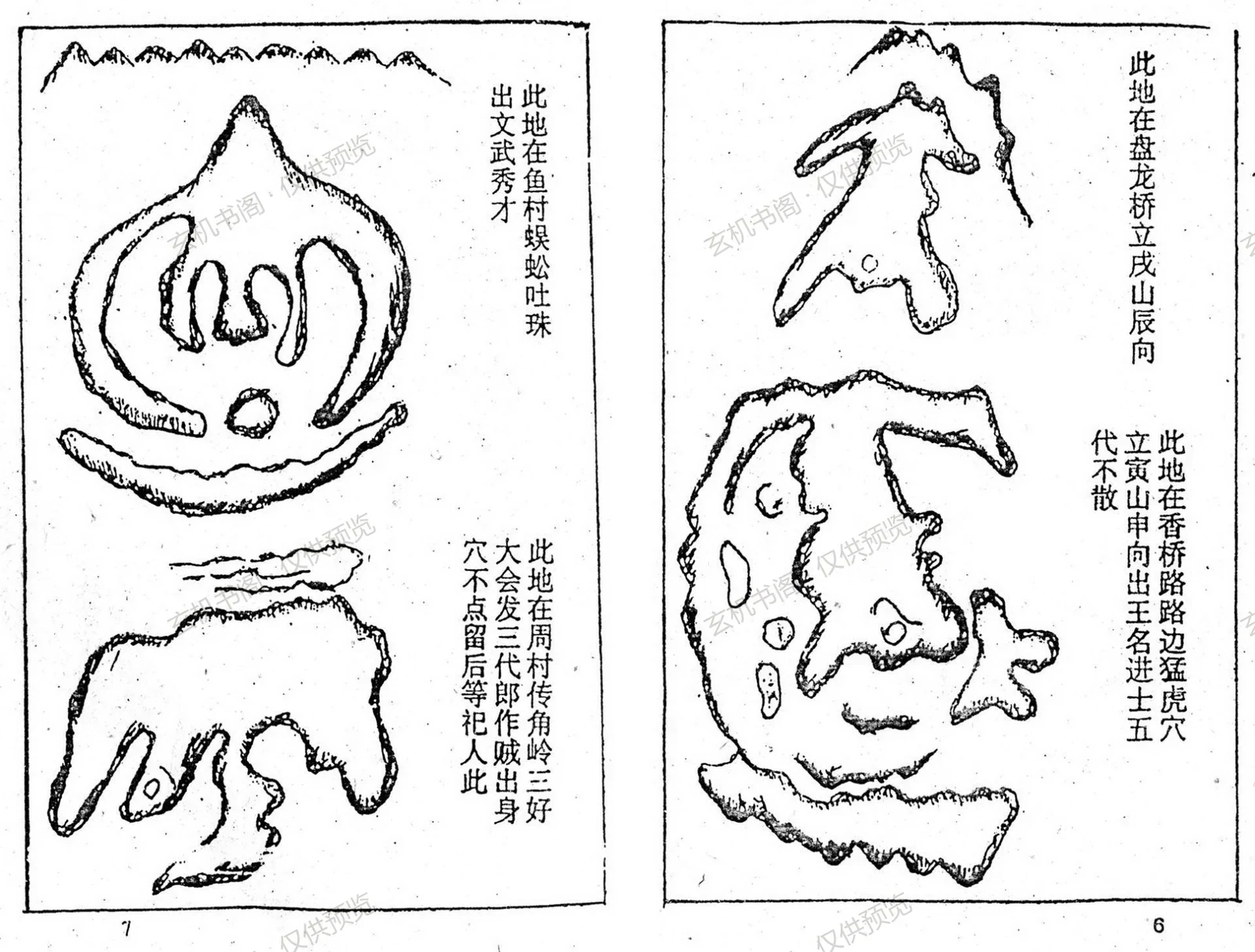
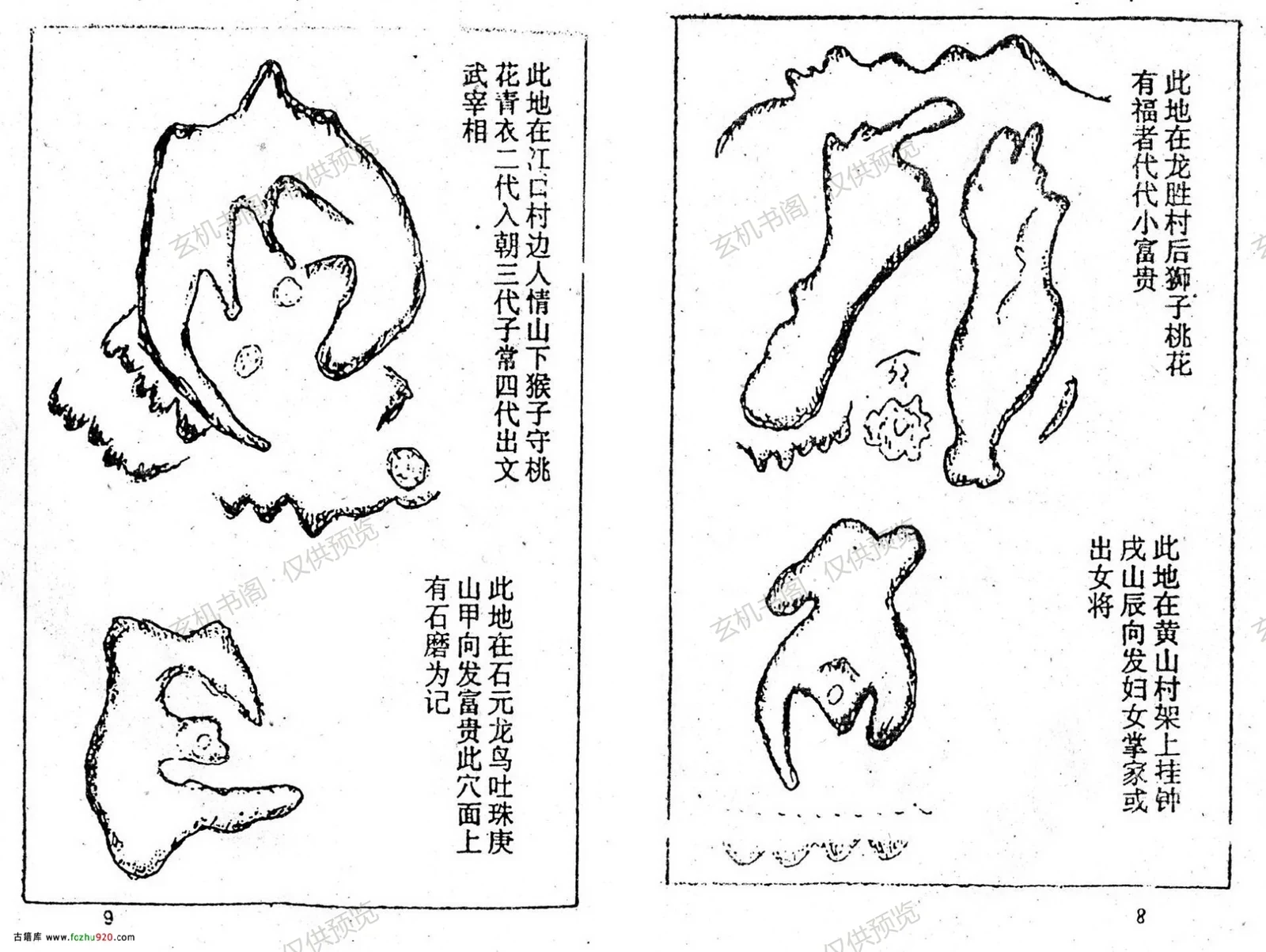
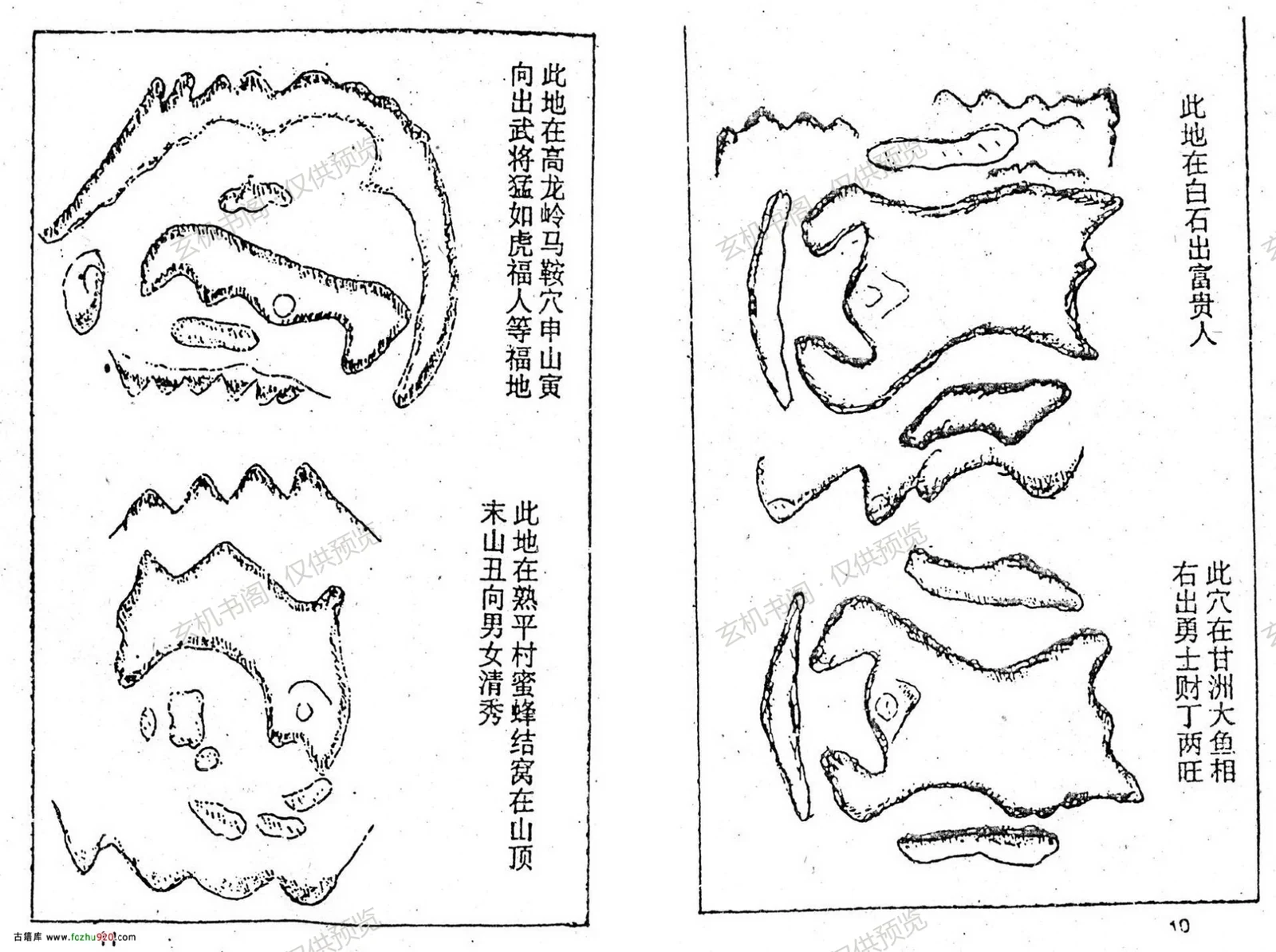
Illustrated Geography of Ten Thousand Mountains is a traditional feng shui text built around paired illustrations and short commentaries. Each entry depicts a hand-drawn mountain landscape and explains its village location, dragon vein configuration, surrounding waters, and the auspicious or inauspicious outcomes associated with its orientation. The book relies heavily on the practice of "shape-naming" (hexing), likening natural terrain to animals and objects such as a tiger crossing a river, fish and snake entwined, a flying phoenix, or a swallow carrying mud. These images are combined with the twenty-four mountain orientations to predict prosperity, descendants, examination success, and longevity. Rather than a systematic theoretical treatise, it offers a visual reference for practitioners seeking to identify and compare auspicious burial sites in the field. Readers gain insight into how form-school feng shui observes terrain, represents auspicious configurations visually, and applies them in popular practice. The concise classical Chinese and dense terminology make it most suitable for readers with some grounding in compass directions and mountain-form analysis.
Contents
Cover and title page: Illustrated Geography of Ten Thousand Mountains
Terrain diagrams such as tiger crossing the river and fish-snake union
Auspicious site figures including flying phoenix and galloping horse
Orientation-based prognostications on wealth, rank, and descendants
Hand-drawn mountain forms paired with shape-naming interpretations
Descriptions of acupoint features and surface markers
Key Points
Pairs hand-drawn mountain diagrams with concise commentaries to present auspicious landforms.
Uses extensive shape-naming, comparing terrain to tigers, phoenixes, fish, crabs, and other animals.
Combines each diagram with twenty-four mountain orientations and prognostications about wealth, descendants, and office.
Focuses on practical form-school methods, allowing practitioners to compare diagrams with real landscapes.
The classical language and dense terminology suit readers with prior feng shui grounding.