Reading guide
Content guideOverview
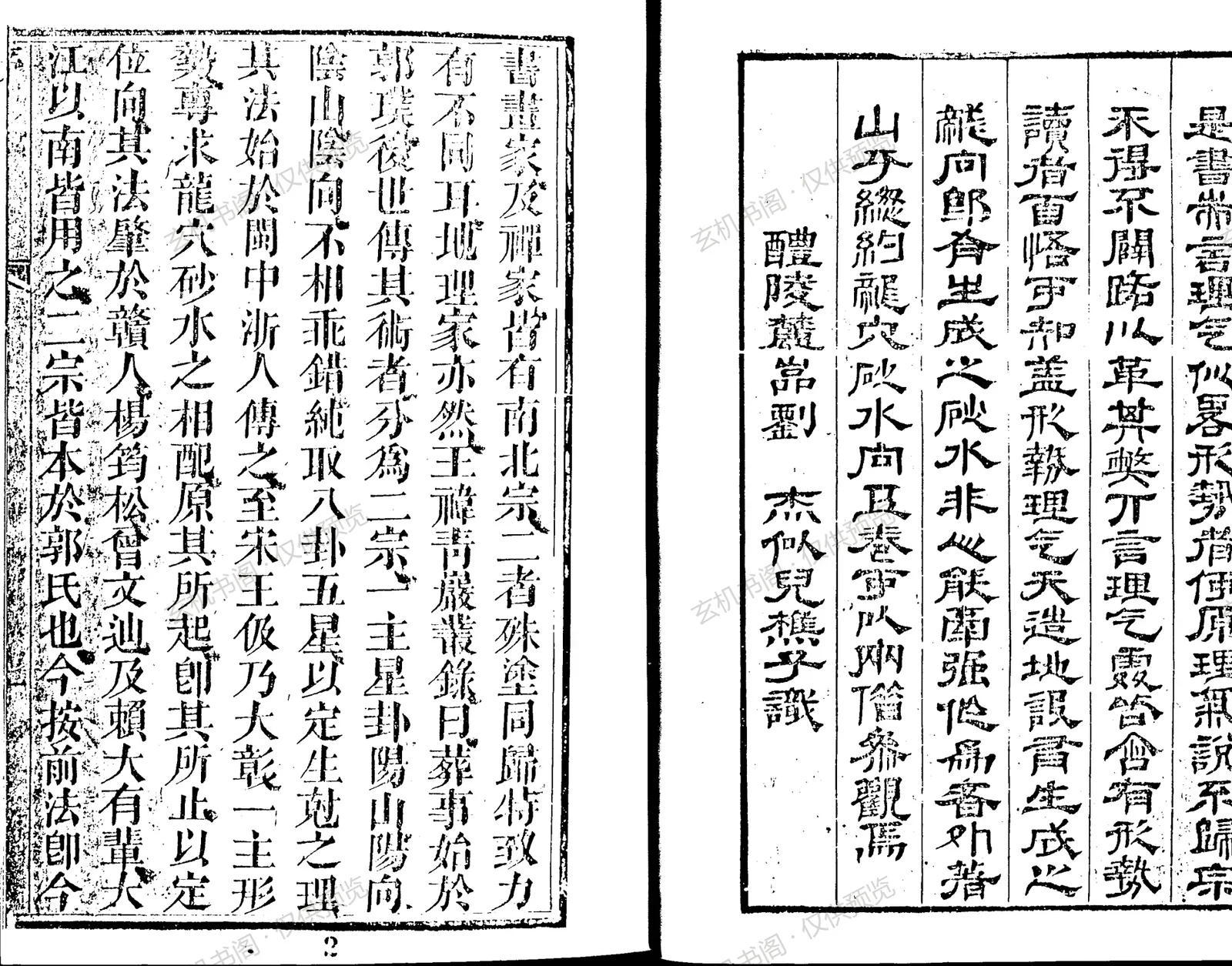
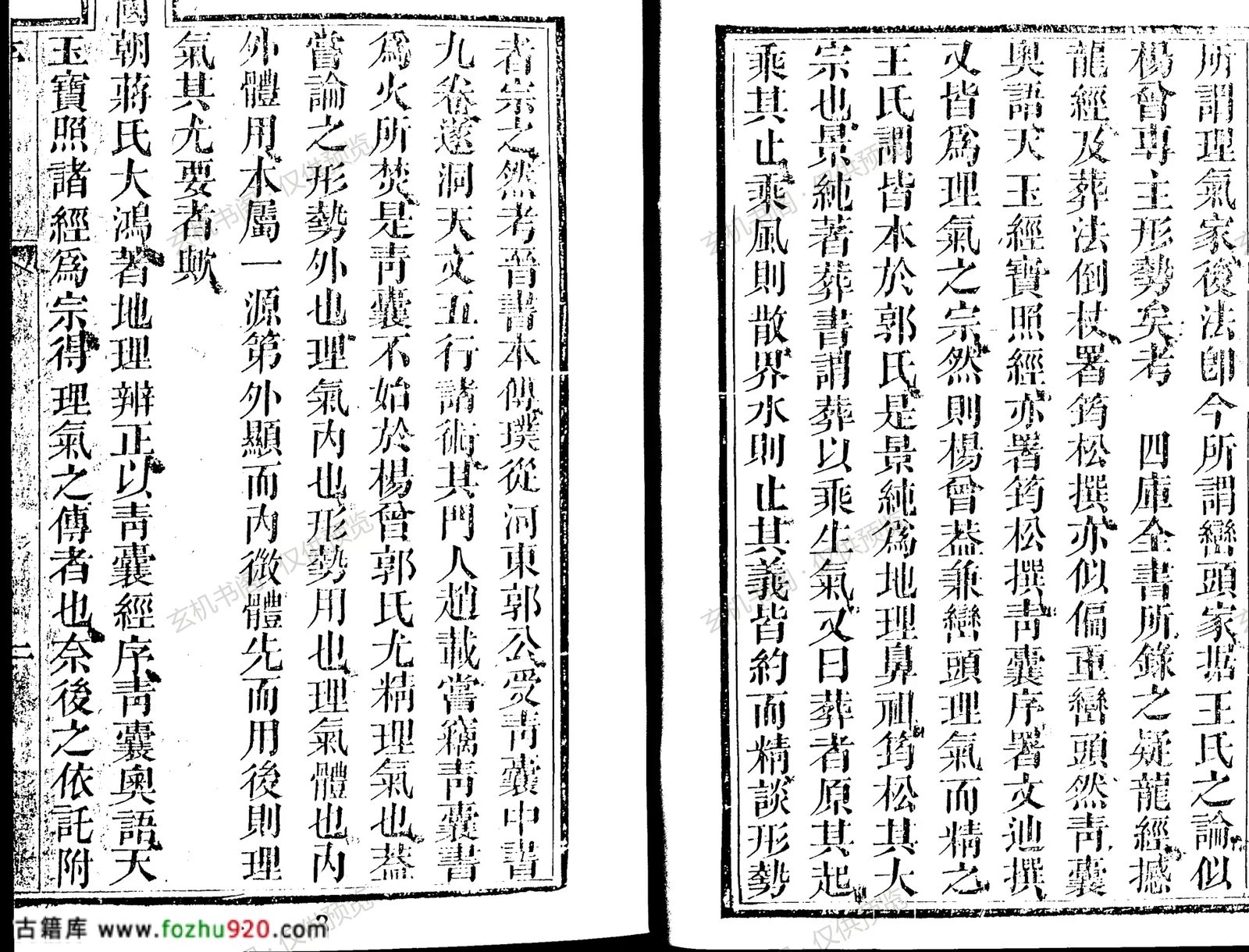
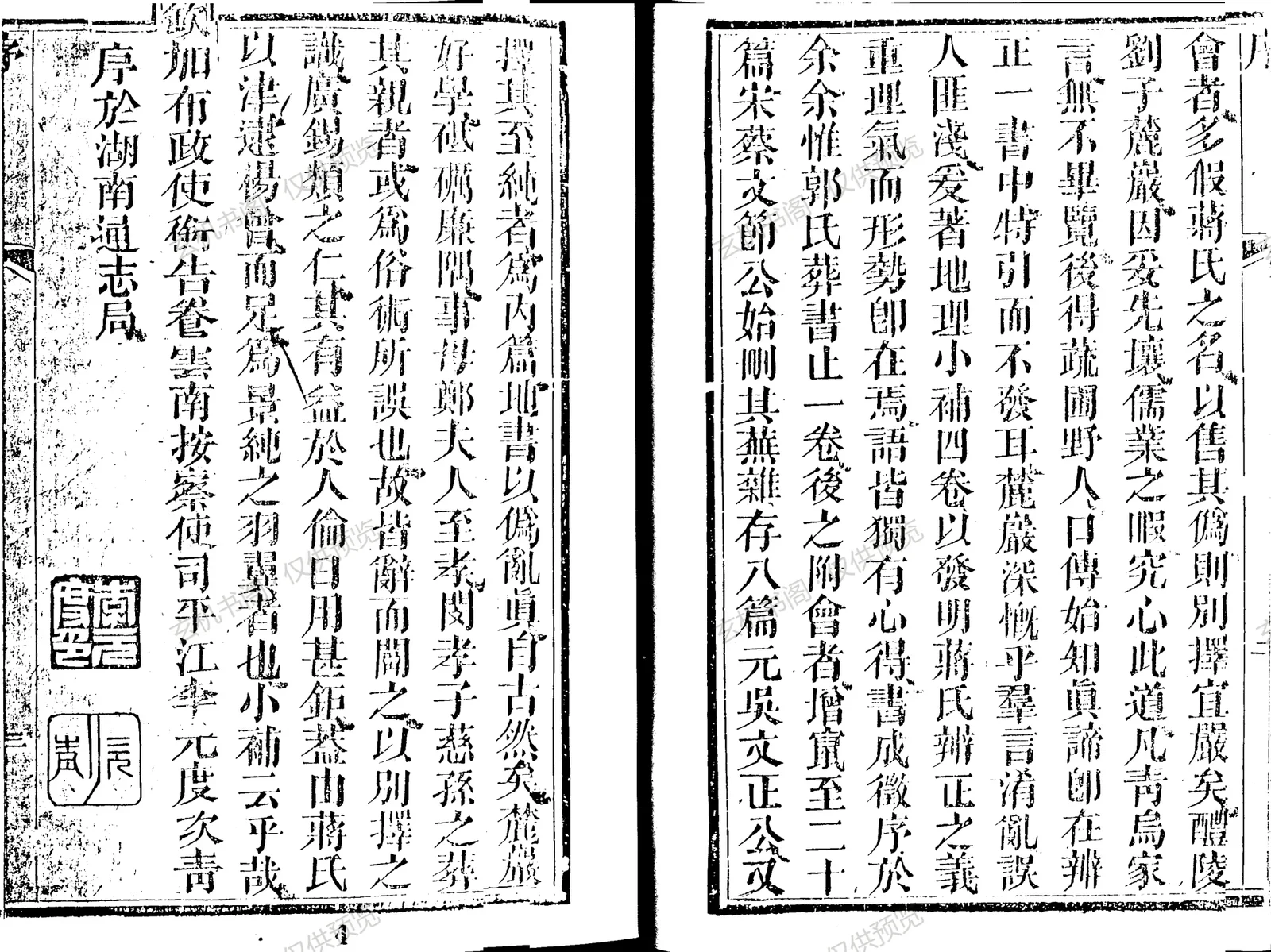
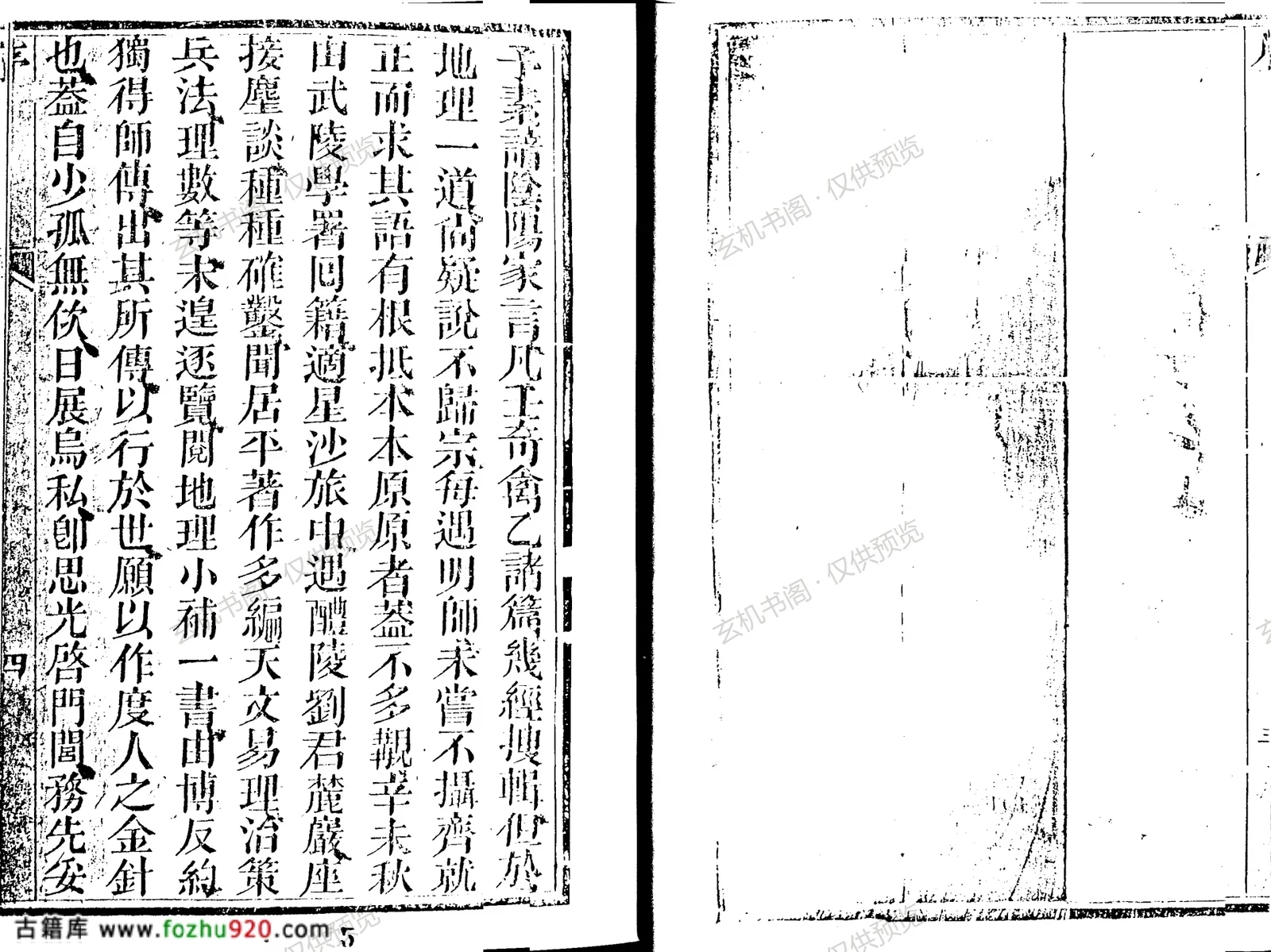
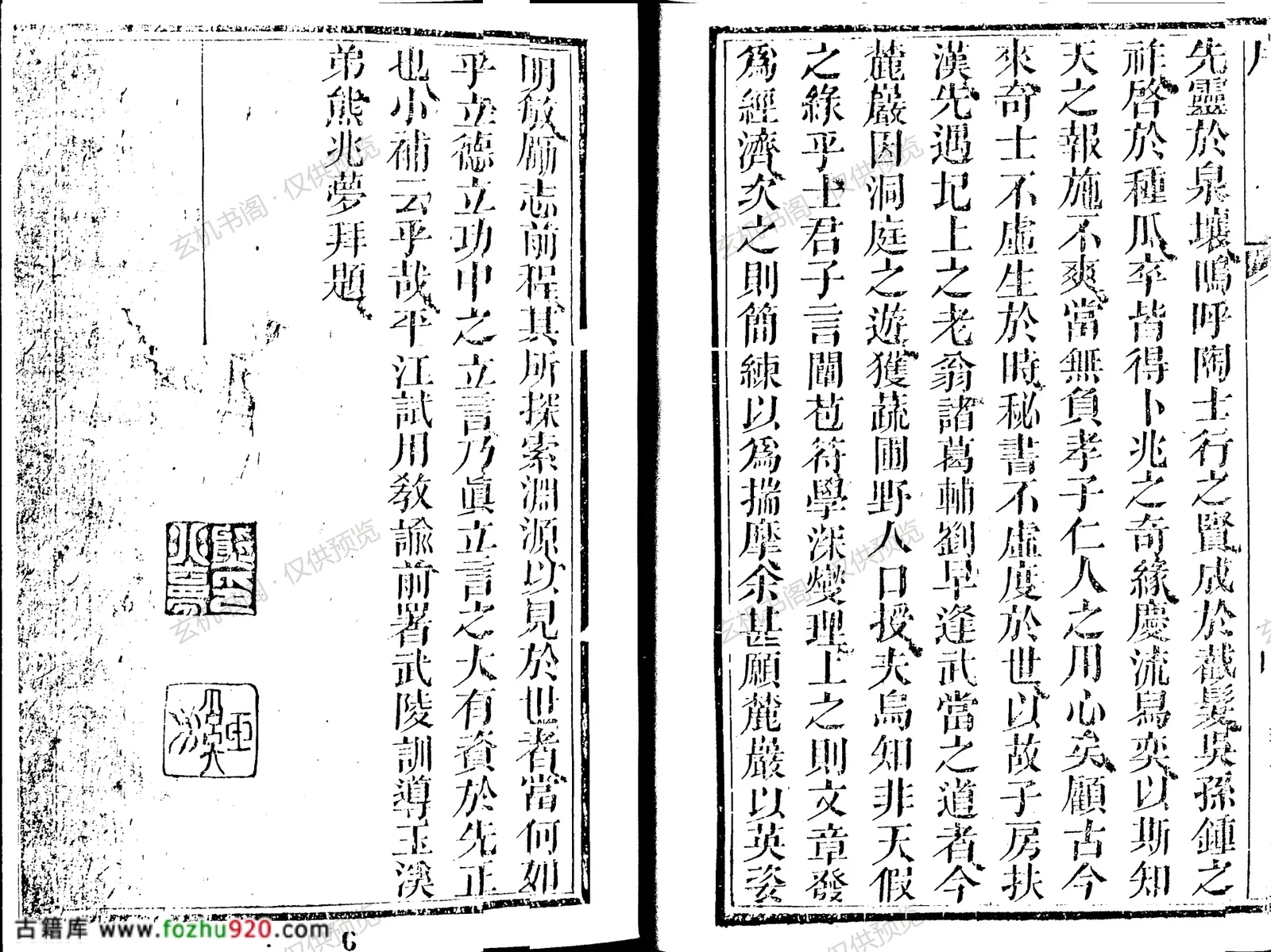
This old edition of Dili Xiaobu (Geographic Small Supplement) carries a woodblock imprint date of the eleventh year of Tongzhi (1872) and the publisher mark 'Jinglun Tang.' After the title page comes a preface by Pang Pinjian of Liling, followed by a series of dialogues and essays that distinguish the northern and southern branches of fengshui. The author argues that landform and qi-direction methods each have their proper domain and should be used together rather than in isolation. The text draws heavily on the Qingnang Jing, the Zangshu, and the teachings of Yang Junsong, Zeng Wendi, Guo Pu, and Jiang Dahong, clarifying concepts such as 'riding the generative qi,' 'reverse staff' orientation, and the relationship between form and qi. It also critiques widespread pseudo-methods of the day. Concise and programmatic, it suits readers with some fengshui background who want a clear framework for reconciling the form and liqi traditions.
Contents
Title page with Tongzhi 11 woodblock imprint
Pang Pinjian's preface on the two branches
Sources from the Qingnang Jing and Zangshu
Relation of form and qi in practice
Dialogues refuting false methods
Key Points
Distinguishes northern and southern fengshui branches
Grounds theory in the Qingnang Jing and Zangshu
Traces the Yang, Zeng and Jiang transmission line
Stresses integrated reading of qi, dragons, and water