Reading guide
Content guideOverview
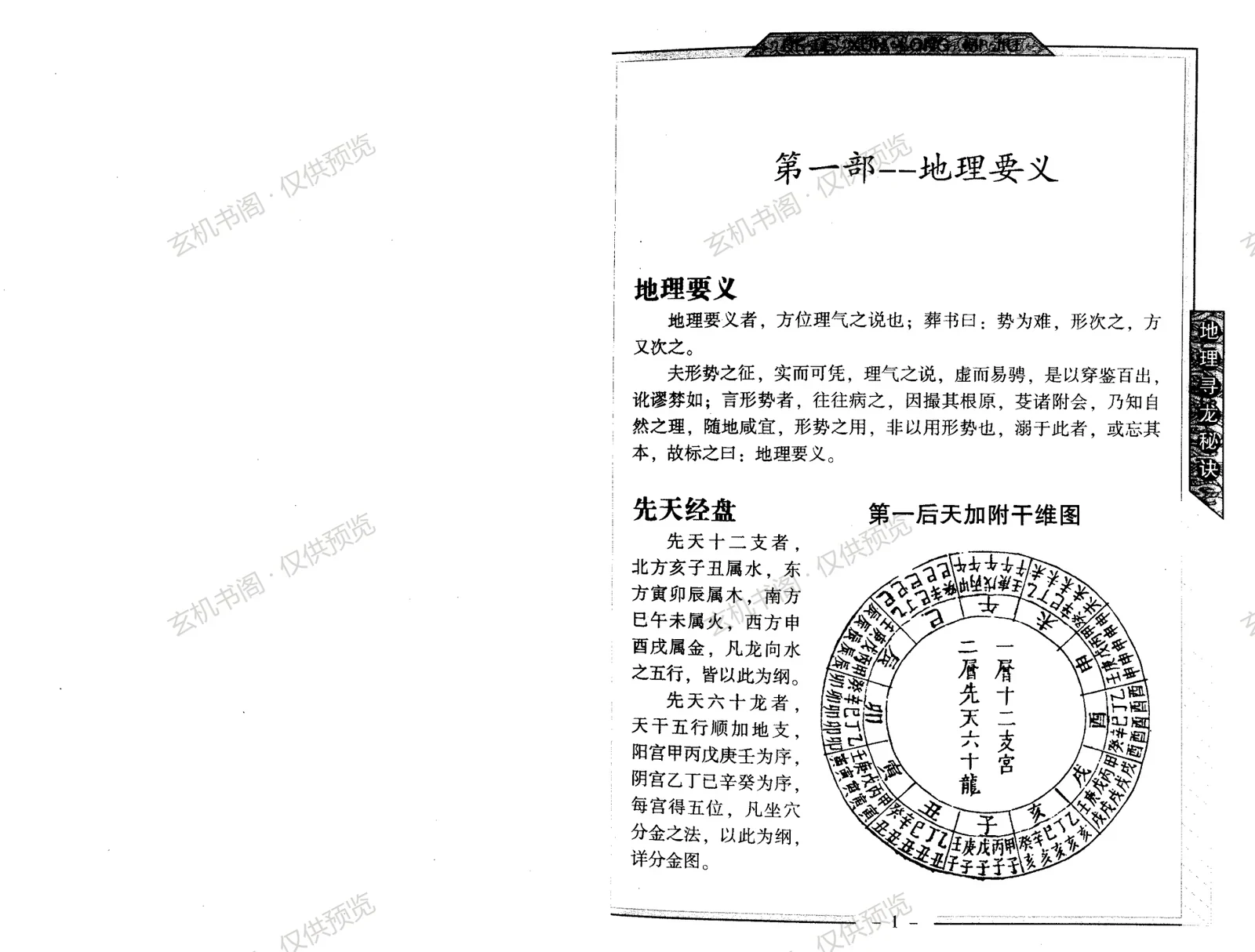
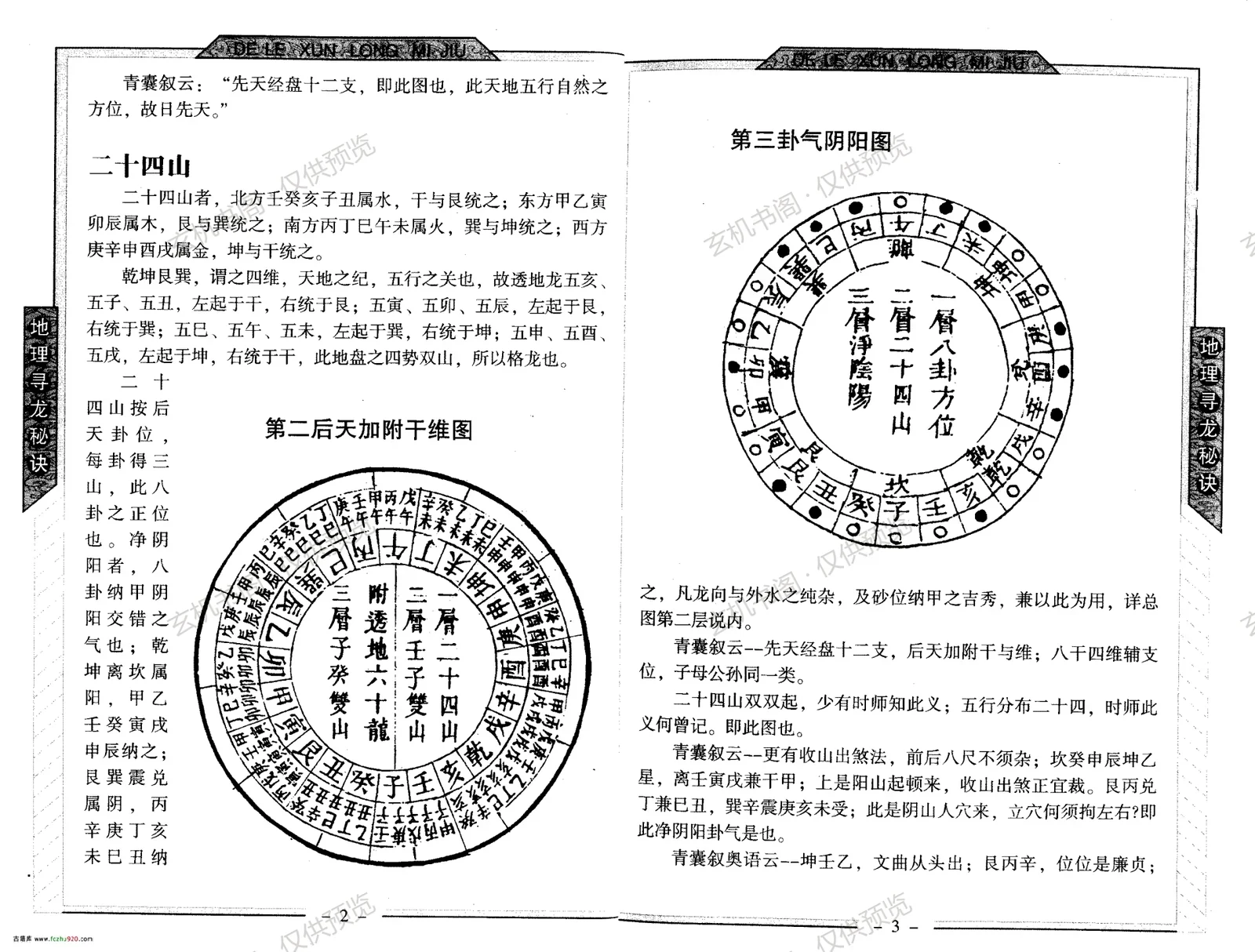
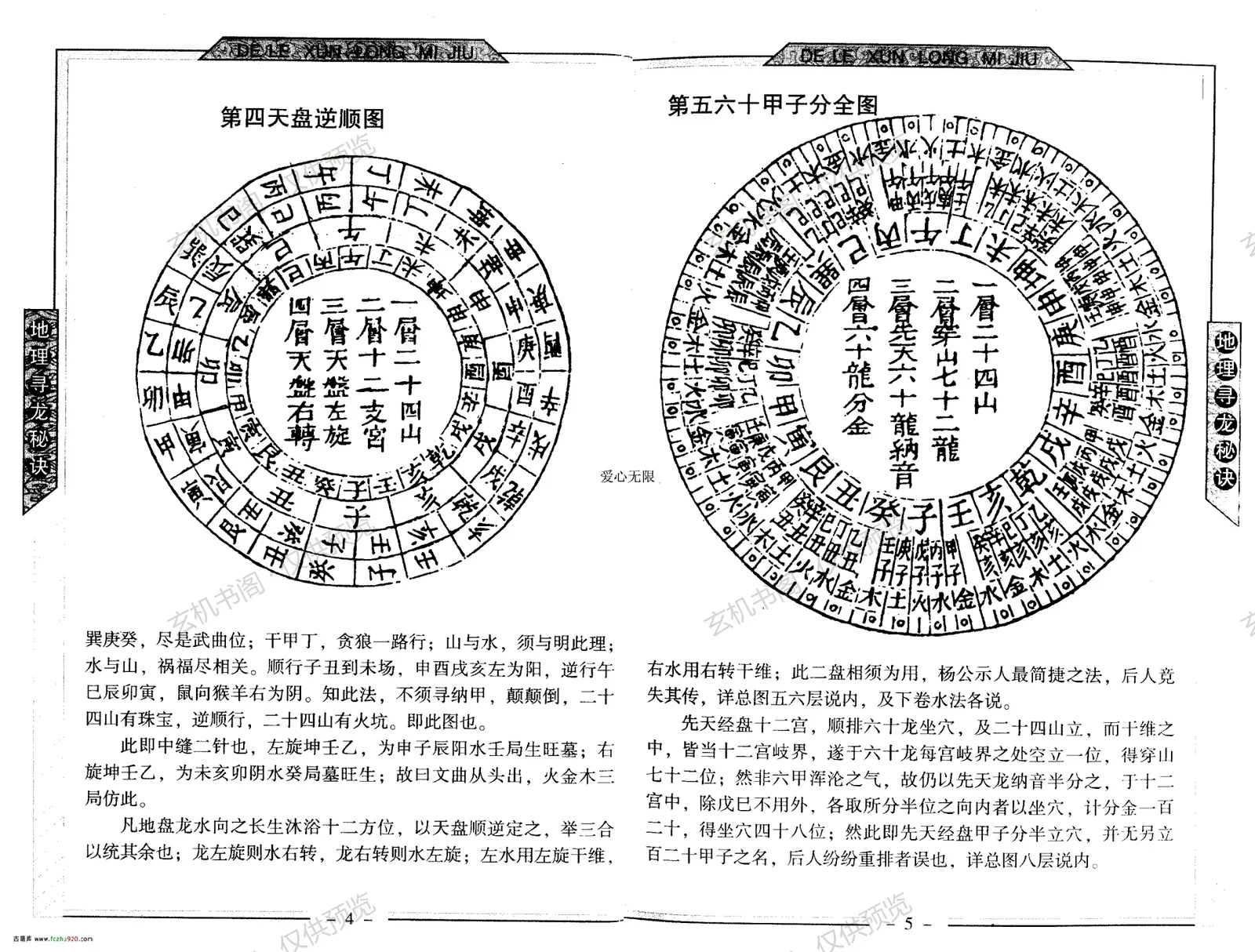
Edited by Shao Weihua, this book compiles four classical feng shui works: Dili Yaoyi by Ji Dakui, Dili Jinliang by Zheng Xia Shi, Lingcheng Jingyi, and Liqi Tushuo. The content follows two threads, landform (luantou) and qi theory (liqi), discussing dragon seeking, site selection, direction setting, and the handling of sand and water. The opening chapters present diagrams of the prenatal compass, the twenty-four mountains, hexagram qi, the heaven plate, and the sixty jiazi fenjin, explaining the layered logic and five-element attributions of the luopan. The book stresses that landform is the body and qi theory the application, warning that a good site can turn bad if the direction is wrong. It suits readers with some feng shui background who want to study classical diagrams systematically.
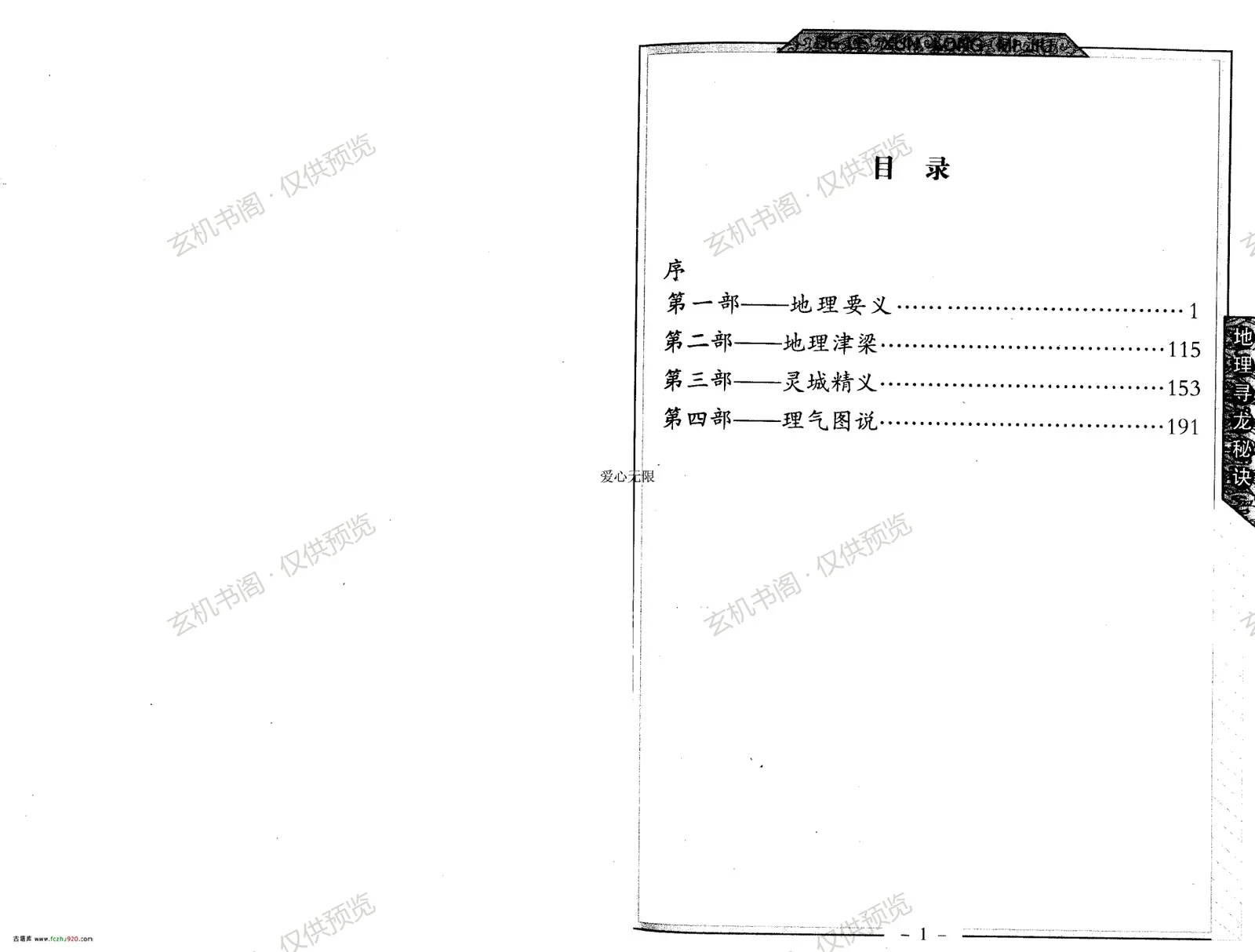
Contents
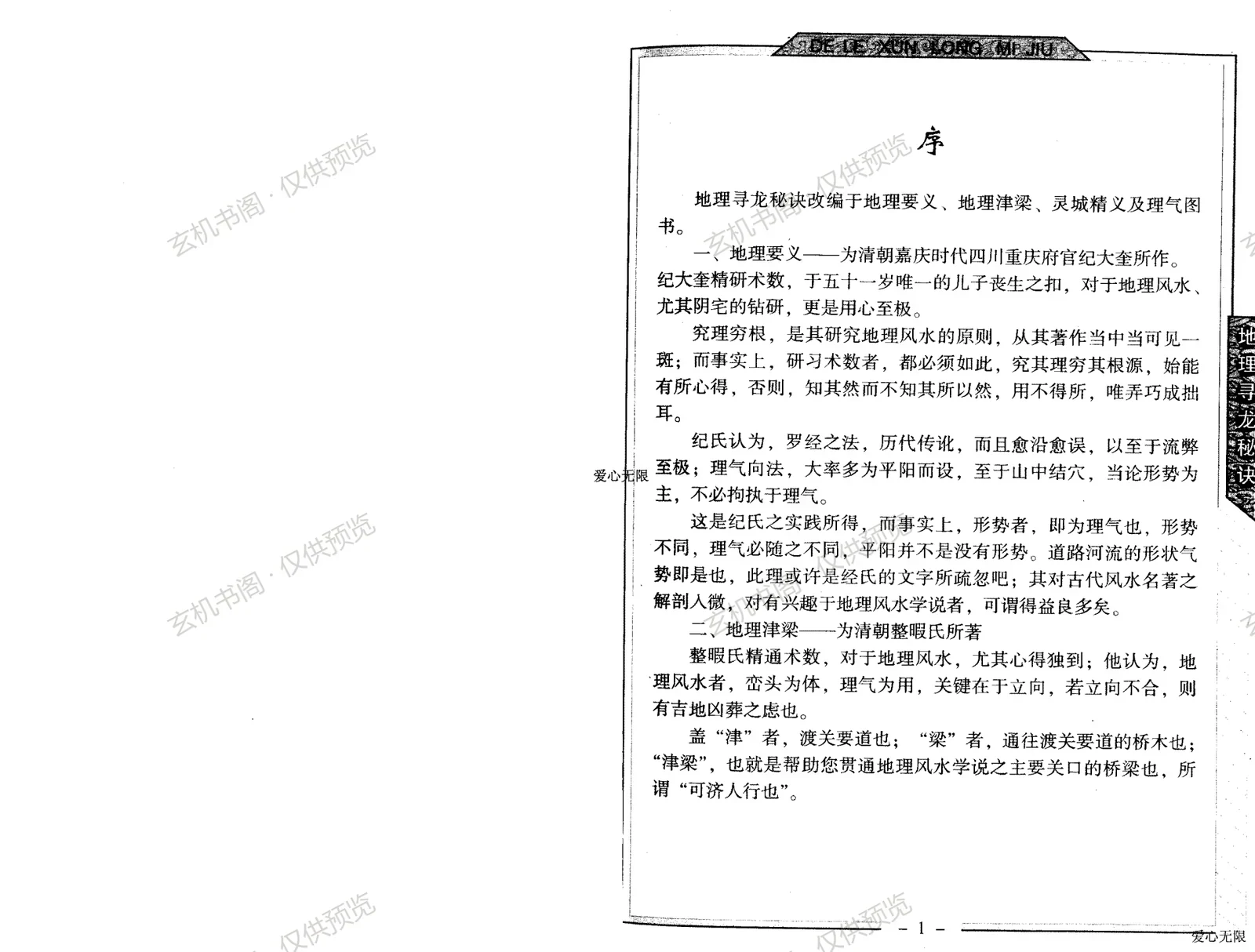
Preface: origins of the four classical texts
Part 1 Dili Yaoyi: form and qi theory
Part 2 Dili Jinliang: the key of direction setting
Part 3 Lingcheng Jingyi
Part 4 Liqi Tushuo
Prenatal compass and postnatal stem-branch diagrams
Twenty-four mountains and hexagram qi diagrams
Heaven plate and sixty jiazi fenjin diagrams
Key Points
A compilation of four classical texts, not a single authored work
Landform as body, qi theory as application; direction setting is crucial
Many luopan layer diagrams: prenatal/postnatal, twenty-four mountains, fenjin
Critiques of one-sided qi theory and corrupted compass traditions
Best read alongside a physical luopan to follow the layers