Reading guide
Content guideOverview
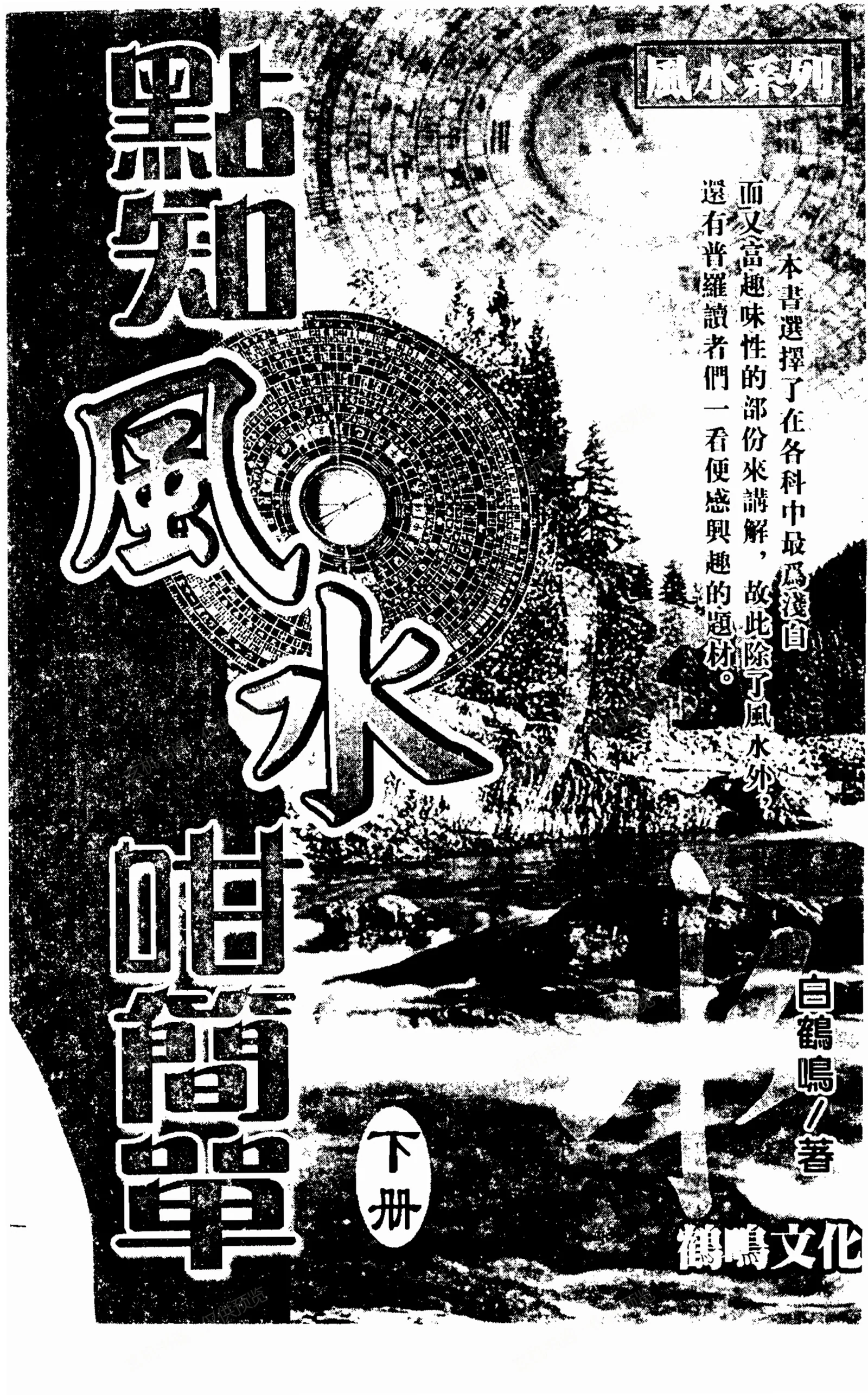
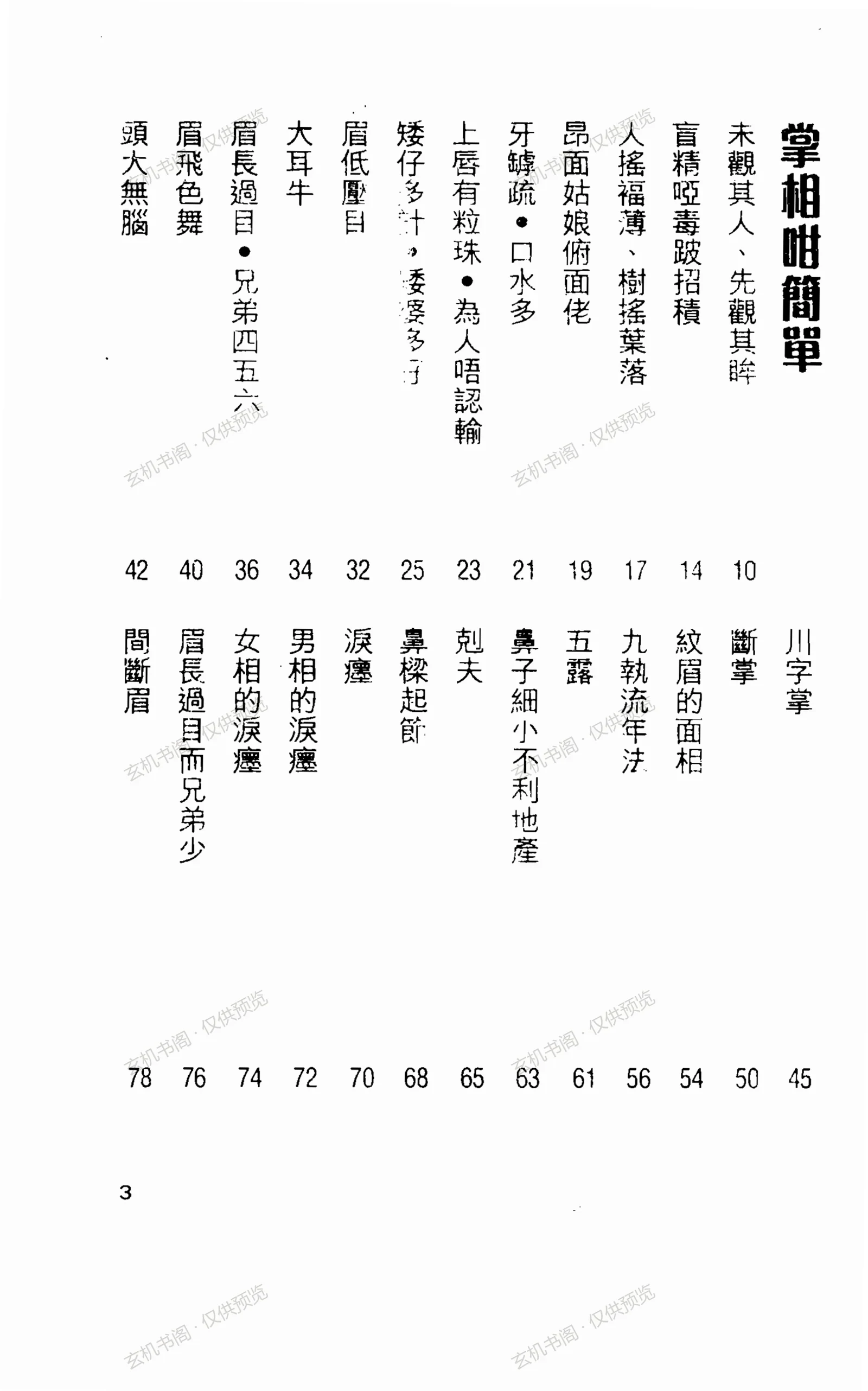
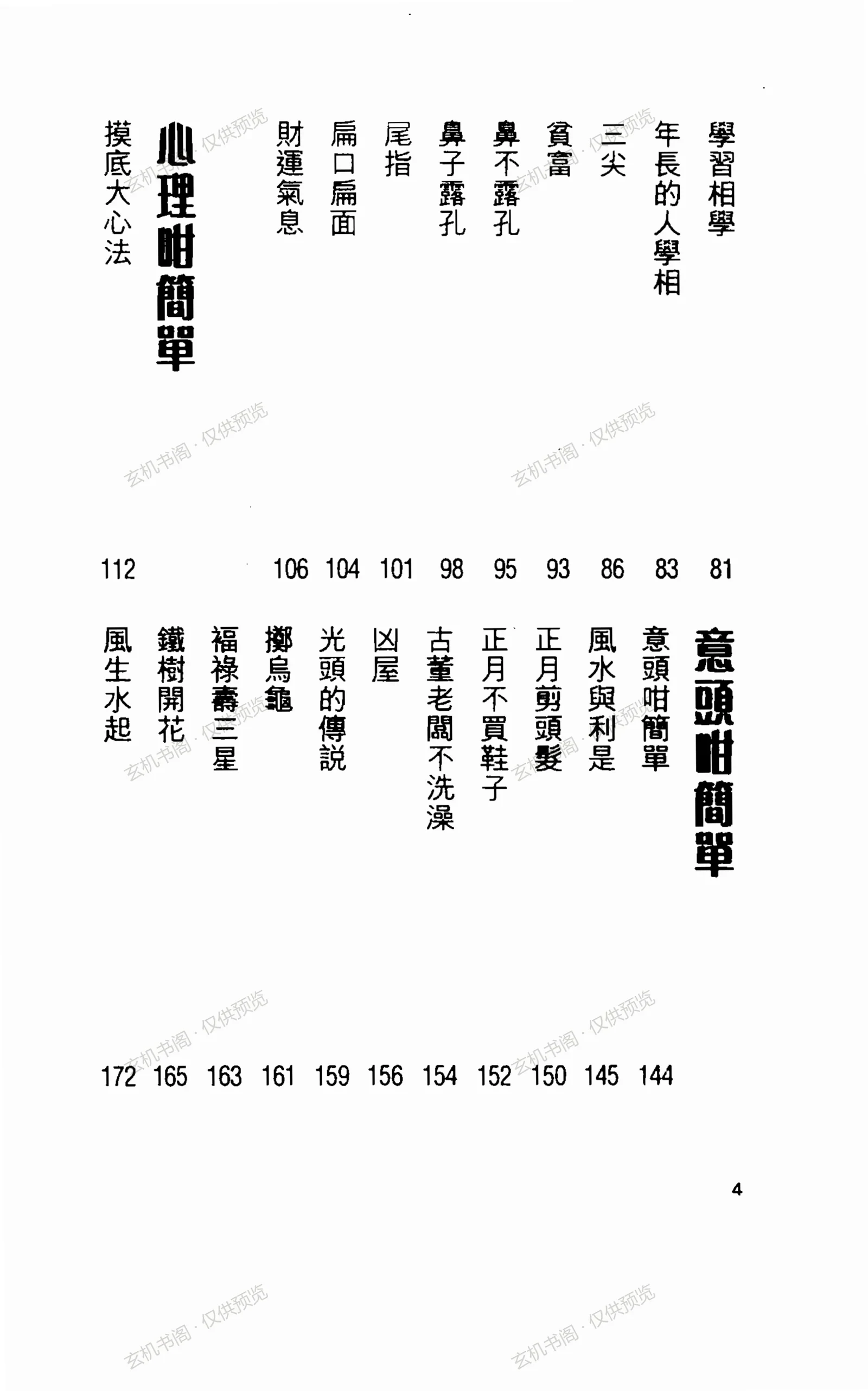
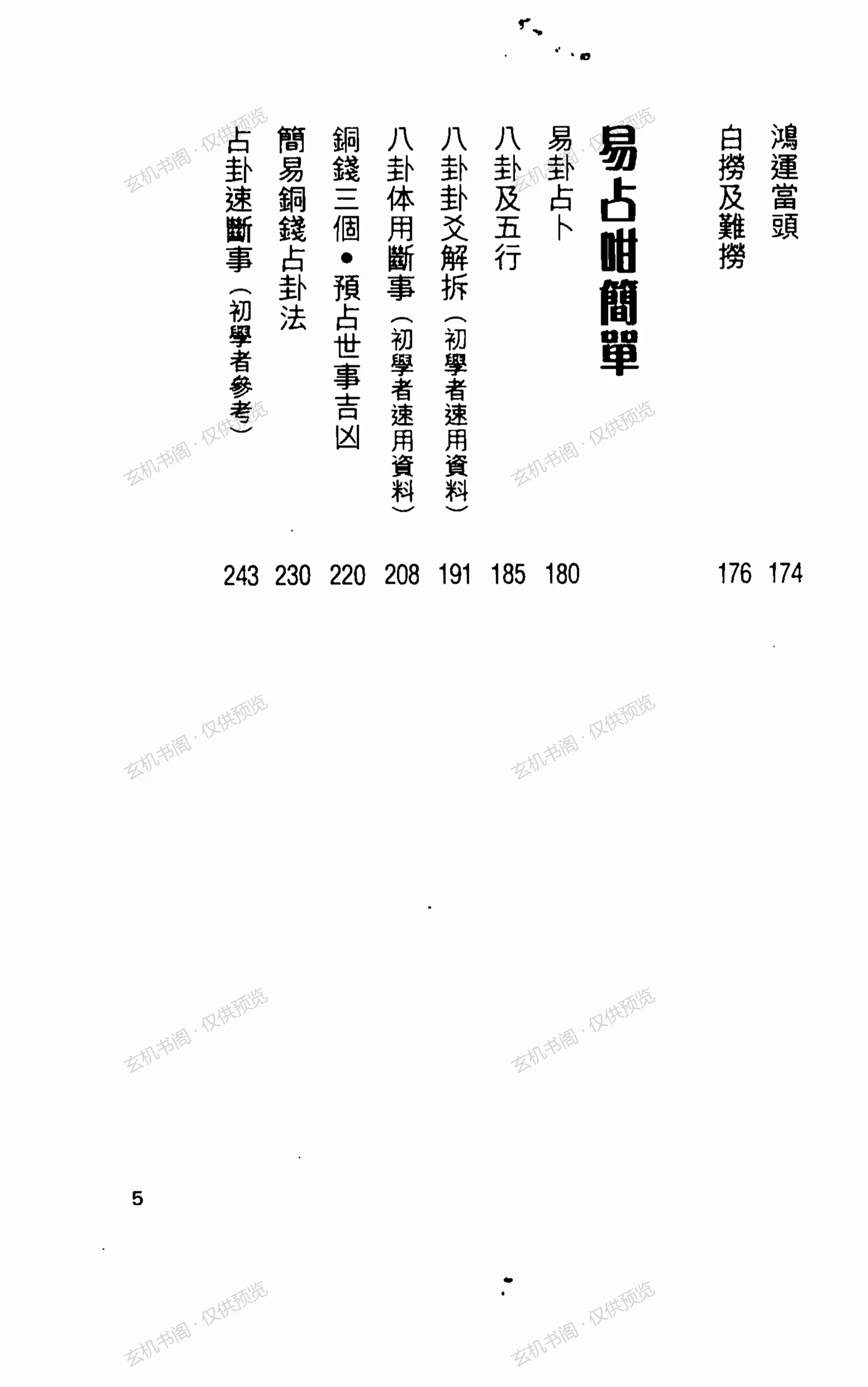
This is the second volume of Bai Heming's Feng Shui Made This Simple. Its cover pairs a hand with a ring of heavenly stems and earthly branches, and the table of contents shows the book ranges well beyond narrow feng shui. The opening section, Palmistry Made Simple, lists palm lines and facial features—character palms, broken palms, brow and nose readings, the nine-lords annual method, teary halls, large ears, lip shapes—alongside beginner notes on learning physiognomy. A middle section, Auspicious Omens Made Simple, gathers folk customs and taboos such as lucky money and feng shui, haircuts and shoe-buying in the first lunar month, the three star gods, and sayings like "iron trees bloom." The final section, Yijing Divination Made Simple, introduces the eight trigrams and five phases, trigram and line analysis, body-and-use judgment, three-coin casting, and quick judgments, all marked for beginners. Organized in three strands—physiognomy, custom, divination—and written in short entries, it works as a light reference on traditional divinatory lore.
Contents
Palmistry: palm lines, facial features and annual positions
Mind reading: core methods and beginner notes
Auspicious omens: feng shui customs and daily taboos
Yijing divination: trigrams, five phases and line basics
Coin casting methods and quick judgments
Key Points
Palm and face entries form the spine, illustrated with line and feature readings
Includes everyday folk taboos such as first-month haircuts and shoe buying
The divination section moves from trigrams and five phases to coin casting
Marked for beginners, positioning it as an introductory popular guide