Reading guide
Content guideOverview
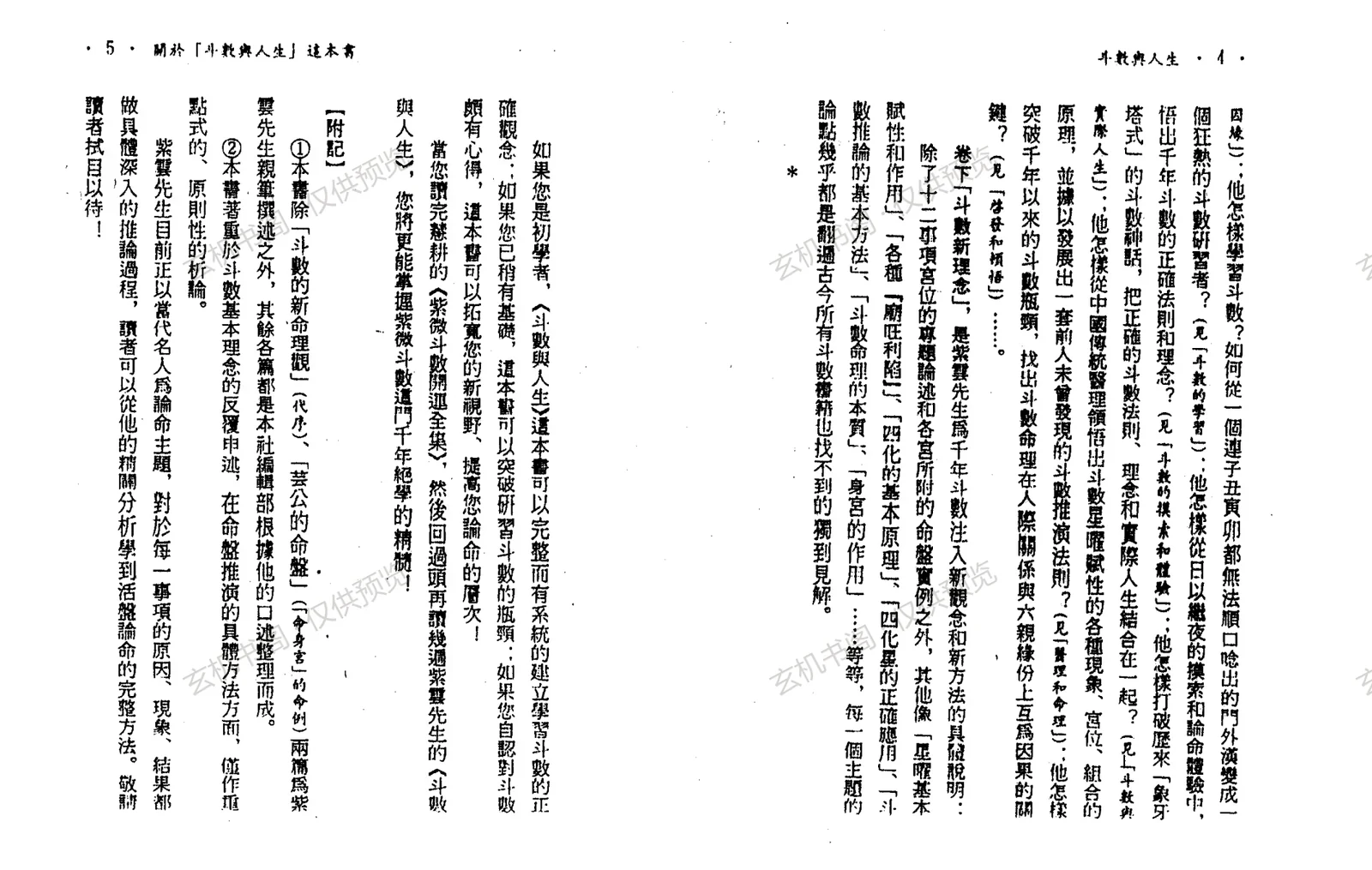
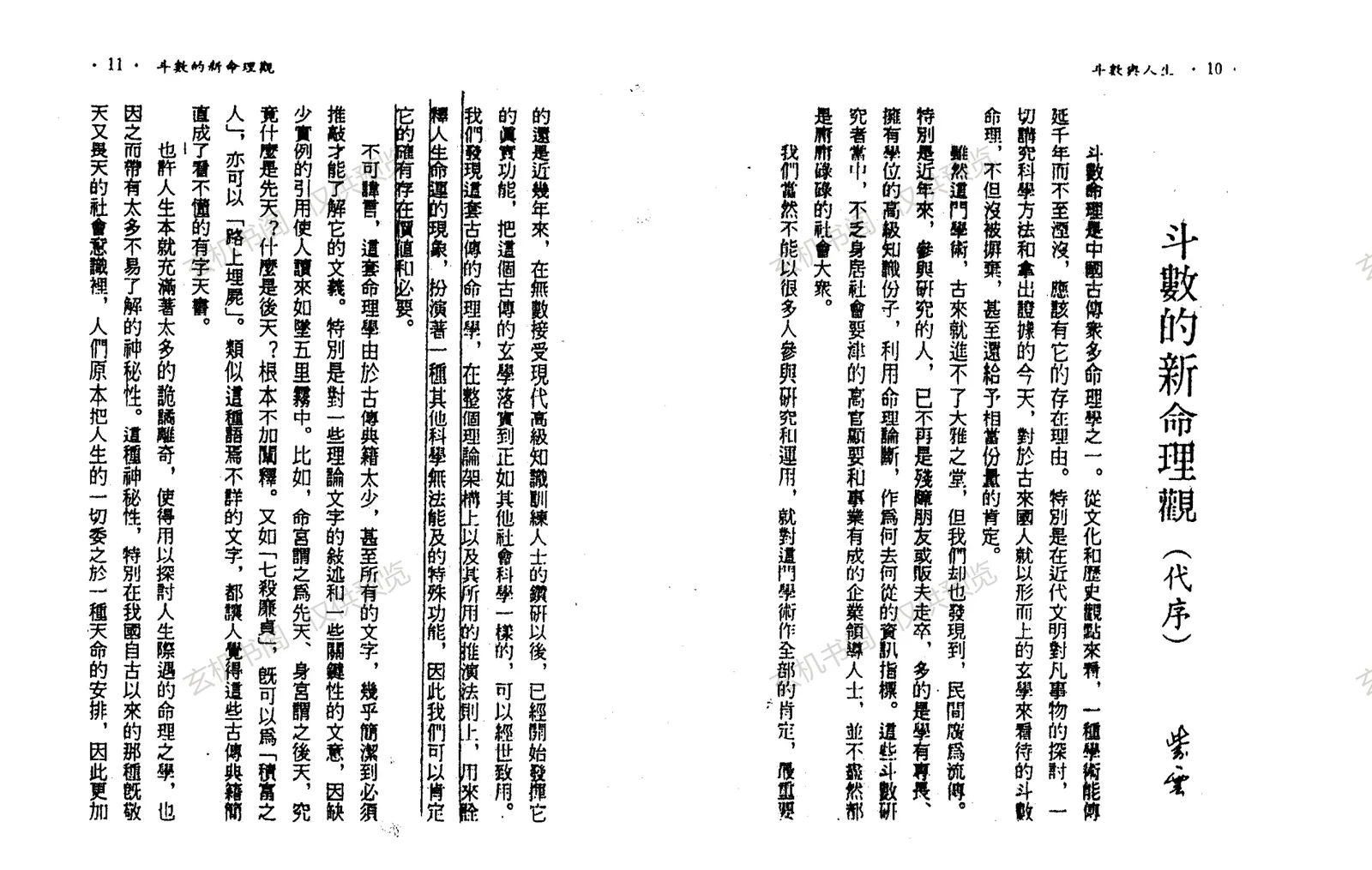
This book was compiled from Ziyun's oral teachings and organized by the publisher's editorial team. The upper volume, "New Transmission of Dou Shu," discusses why and how to study Zi Wei Dou Shu, the process of exploration and verification, its relationship to real life, and the link between medical theory and fate theory. It then introduces basic rules, the application of the Four Transformations, and methods of inference, including a "shortcut" summary. The lower volume, "New Concepts in Dou Shu," is organized by the twelve palaces—siblings, spouse, children, wealth, health, travel, servants, career, property, fortune, and parents—with case examples such as "Jiang Gong's chart," "Sibling Bonds," "Marriage Matching," "Having Sons and Daughters," "Money Comes and Goes," "Congenital Disability," and "A Tiger Father Produces a Mediocre Son." It emphasizes understanding Dou Shu as a traditional art in modern life and is suitable for readers with basic knowledge who want to break through learning bottlenecks and study palace and Four Transformations interpretation through cases.
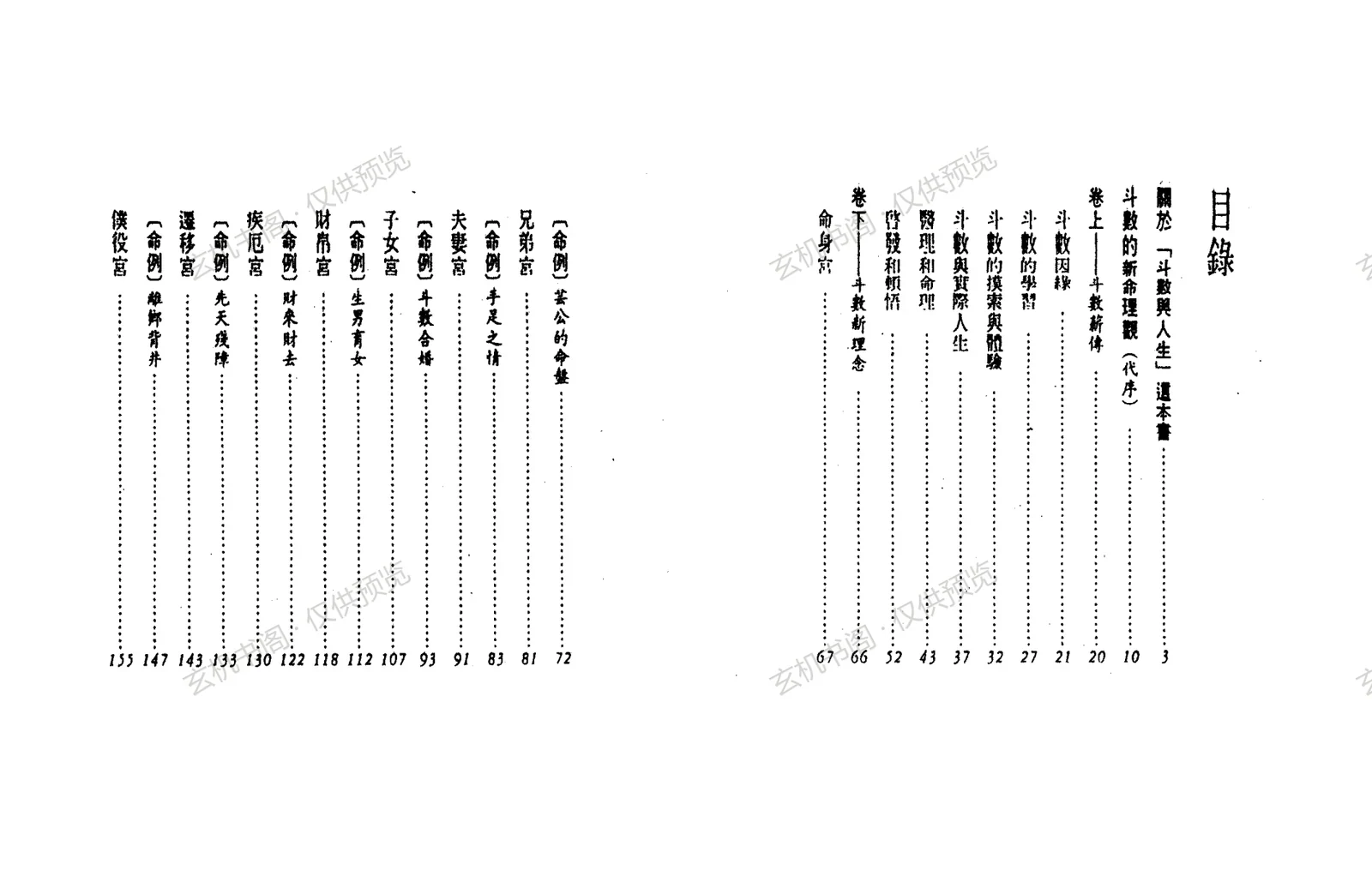
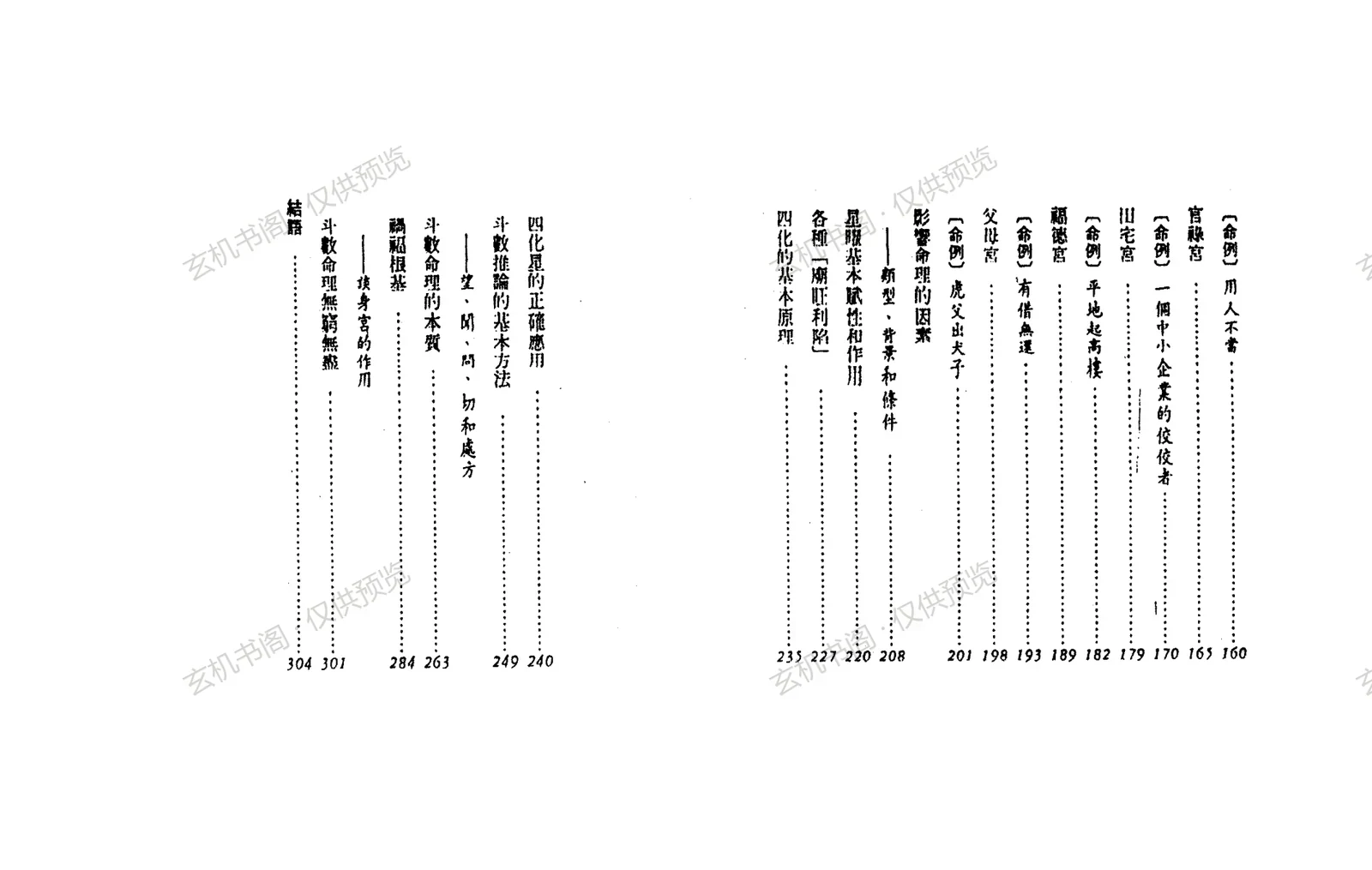
Contents
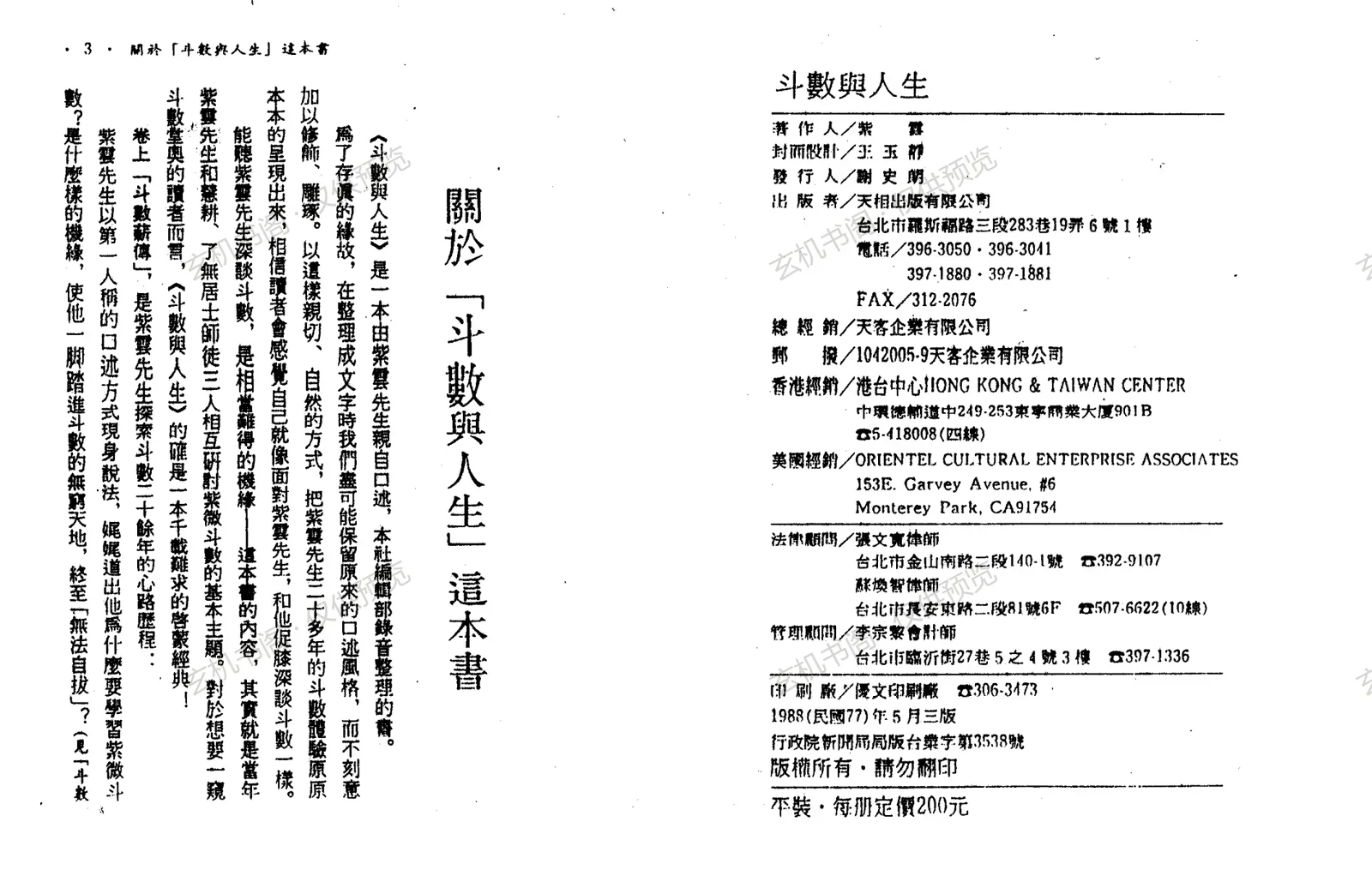
About this book
Upper volume: origins, learning, and exploration of Dou Shu
Fatalism, medical theory, and fate theory
Lower volume: life body and case studies by palace
Correct application of the Four Transformations
Basic principles and examples of inference
Key Points
Upper volume focuses on learning concepts, basic rules, and Four Transformations methods.
Lower volume organizes cases by the twelve palaces for comparison.
Discusses whether Dou Shu is fatalistic and how it relates to real life.
Cases cover marriage, children, wealth, health, career, and property.
Includes a "shortcut" summary for learners.
Oral style rather than a strict textbook format.