Reading guide
Content guideOverview
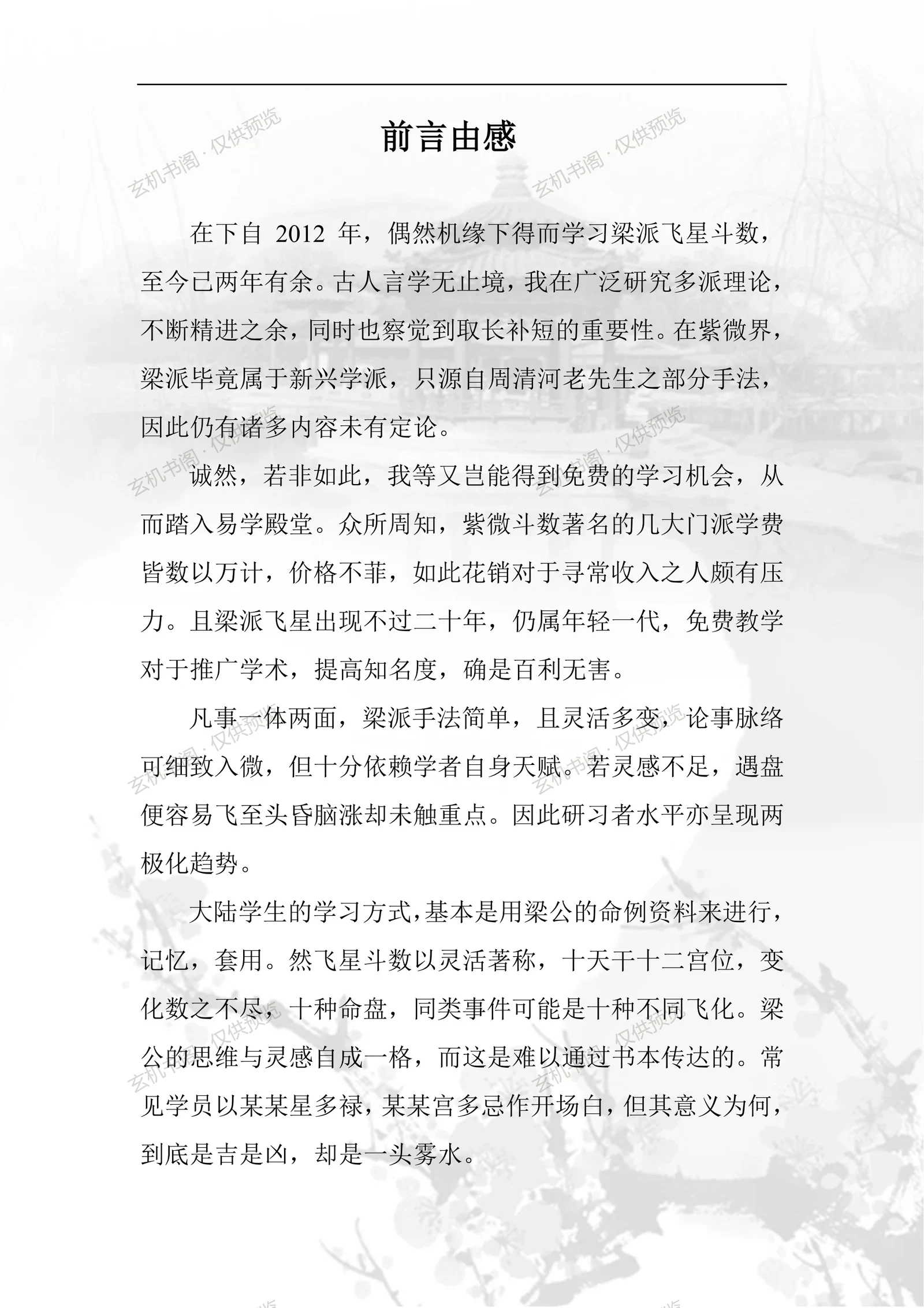
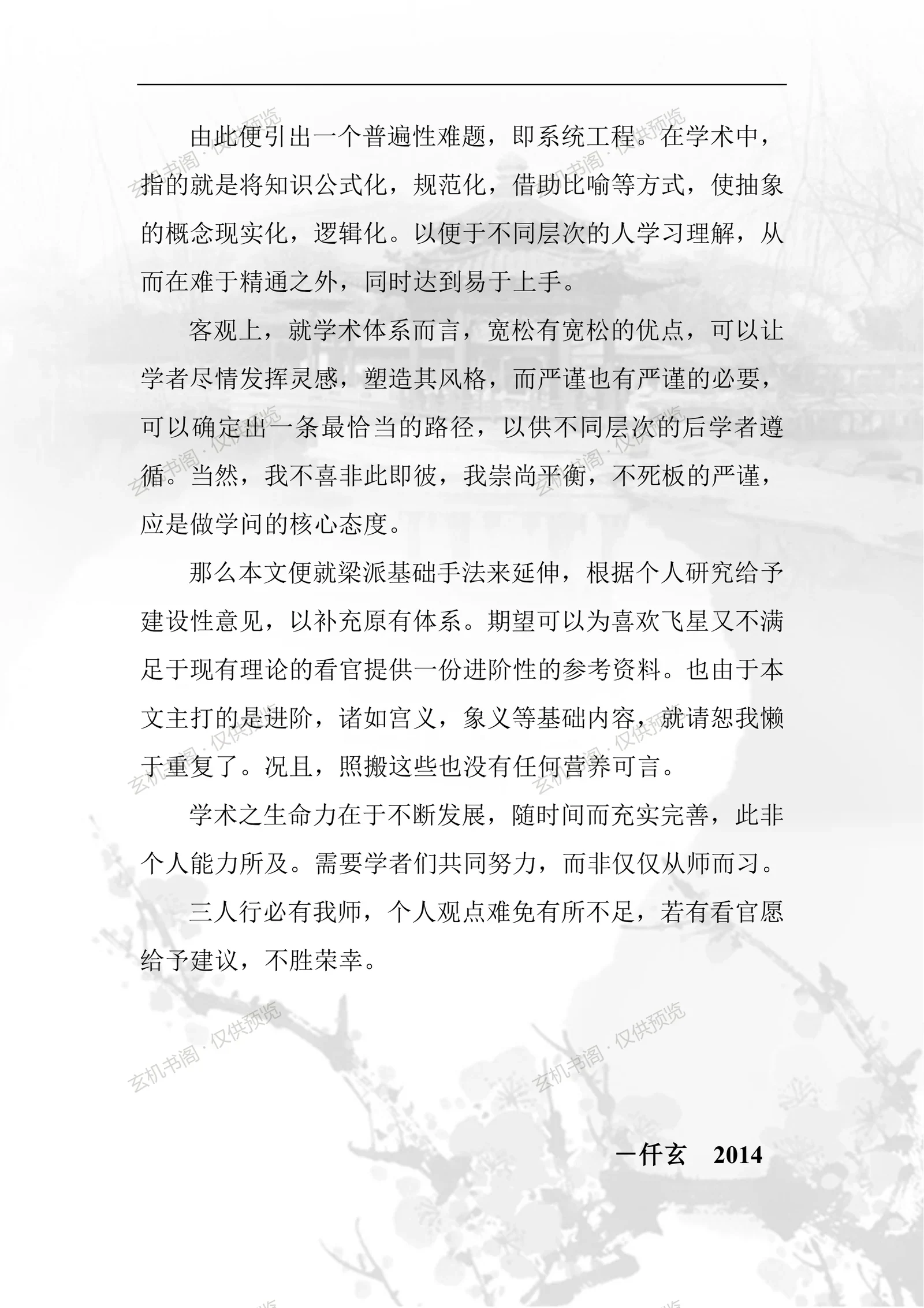
This book is an advanced reference for the flying-star school of Zi Wei Dou Shu by author Qian Xuan. The preface explains that the author began studying Liang-school flying-star astrology in 2012 and found its methods simple and flexible but highly dependent on personal intuition, so learners often stop at memorizing case charts. The main text first reviews existing techniques, covering same-lu and same-ji concepts, details of the four transformations, and the borrowing of relatives' palaces. It then extends timing methods through image-meaning classification and the correspondence rules of heaven, earth, and human plates. A second part discusses natural patterns linking metaphysics and science, centered on the significance of "three" and the principle that troubles do not exceed three. A third part distinguishes qualitative differences among correspondence forms such as starting, transferring-ji, same-direction, clash, intersecting-lu, and intersecting-ji patterns. Appendices use the Left and Right Assistants, Chang Qu, to discuss the five aggregates and yin-yang cosmology, and reflect on turning fate calculation into practical wisdom.
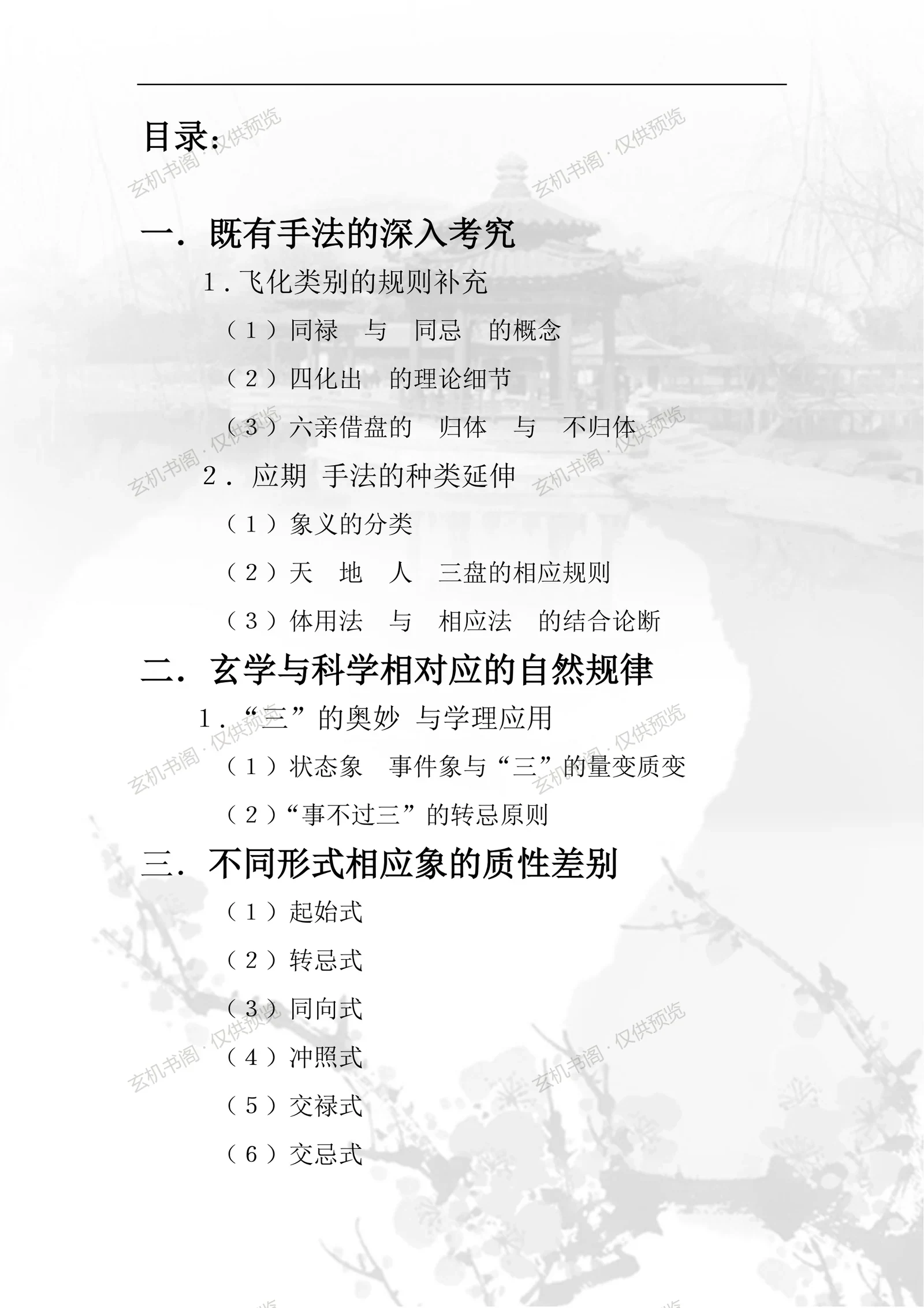
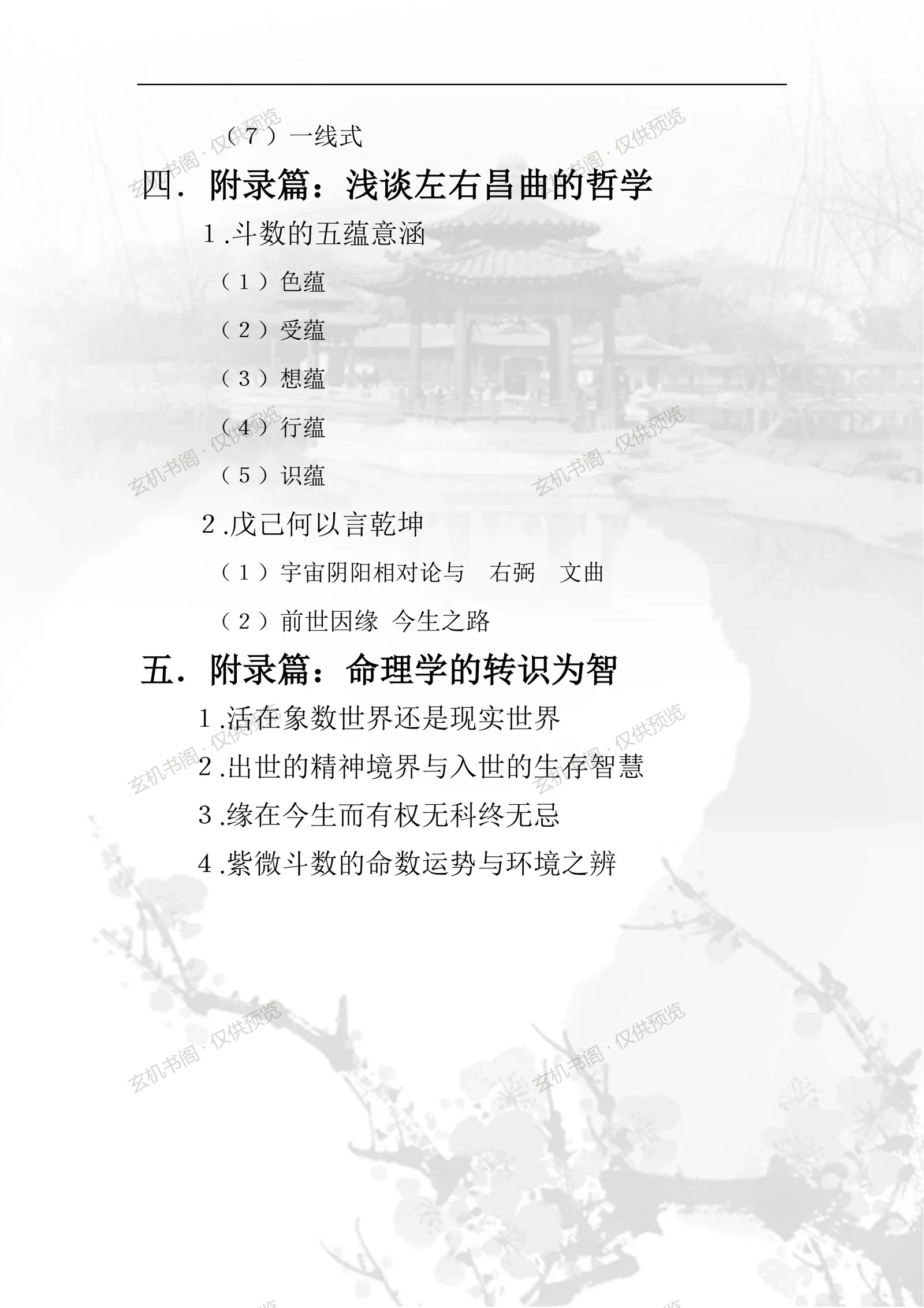
Contents
Existing methods: supplementary transformation rules
Extended timing methods and three-plate correspondence
Natural patterns linking metaphysics and science
Qualitative differences among correspondence forms
Appendix: philosophy of Zuo You Chang Qu
Appendix: turning fate calculation into wisdom
Key Points
Builds on Liang-school flying-star methods and fills in rule details
Discusses borrowing relatives' palaces and image-meaning classification in timing
Proposes heaven-earth-human plate correspondence rules
Uses the idea of "three" to discuss quantitative and qualitative change
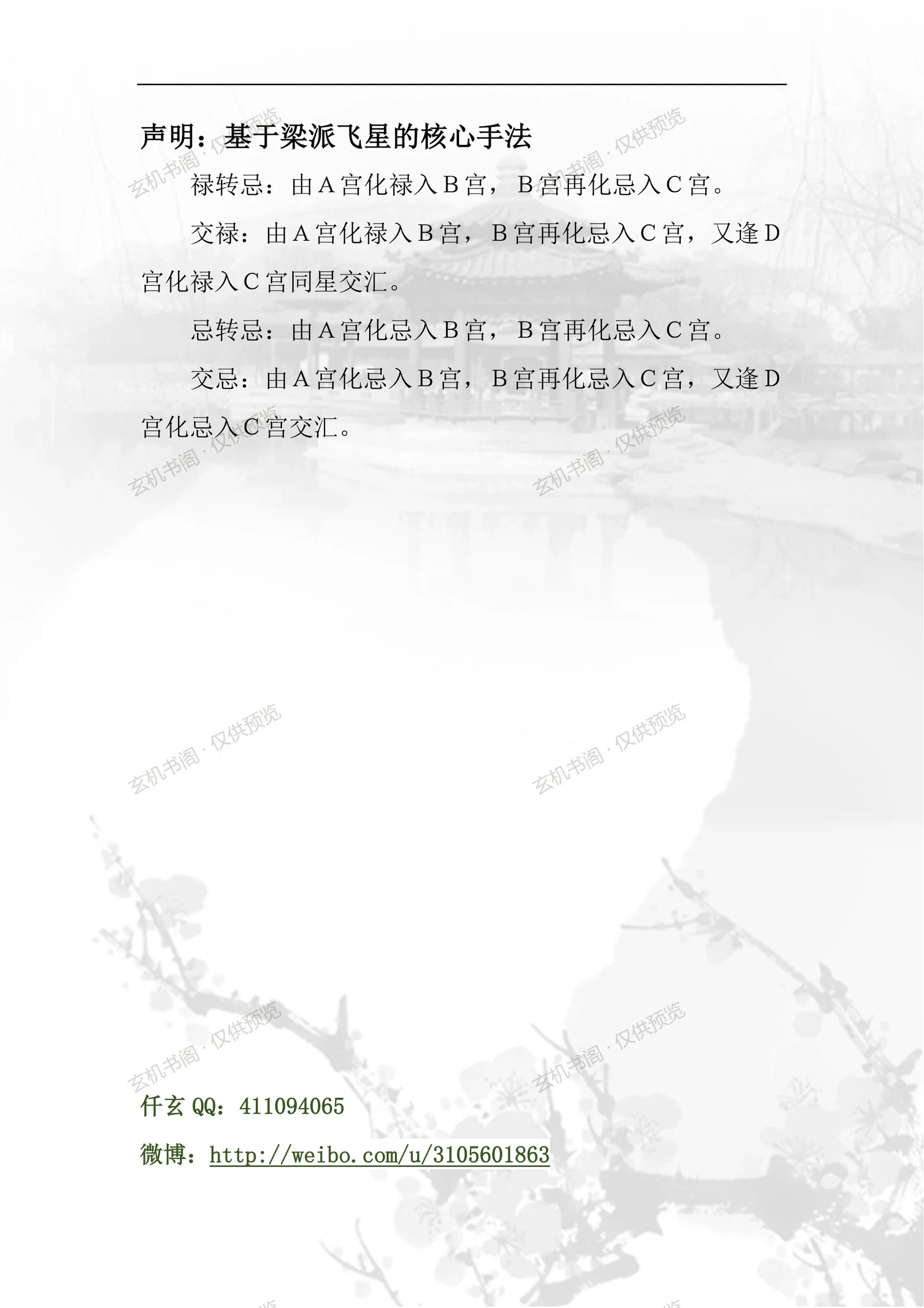
Distinguishes correspondence forms such as starting, transferring, and intersecting
Appendices extend to Buddhist five aggregates and life philosophy