Reading guide
Content guideOverview
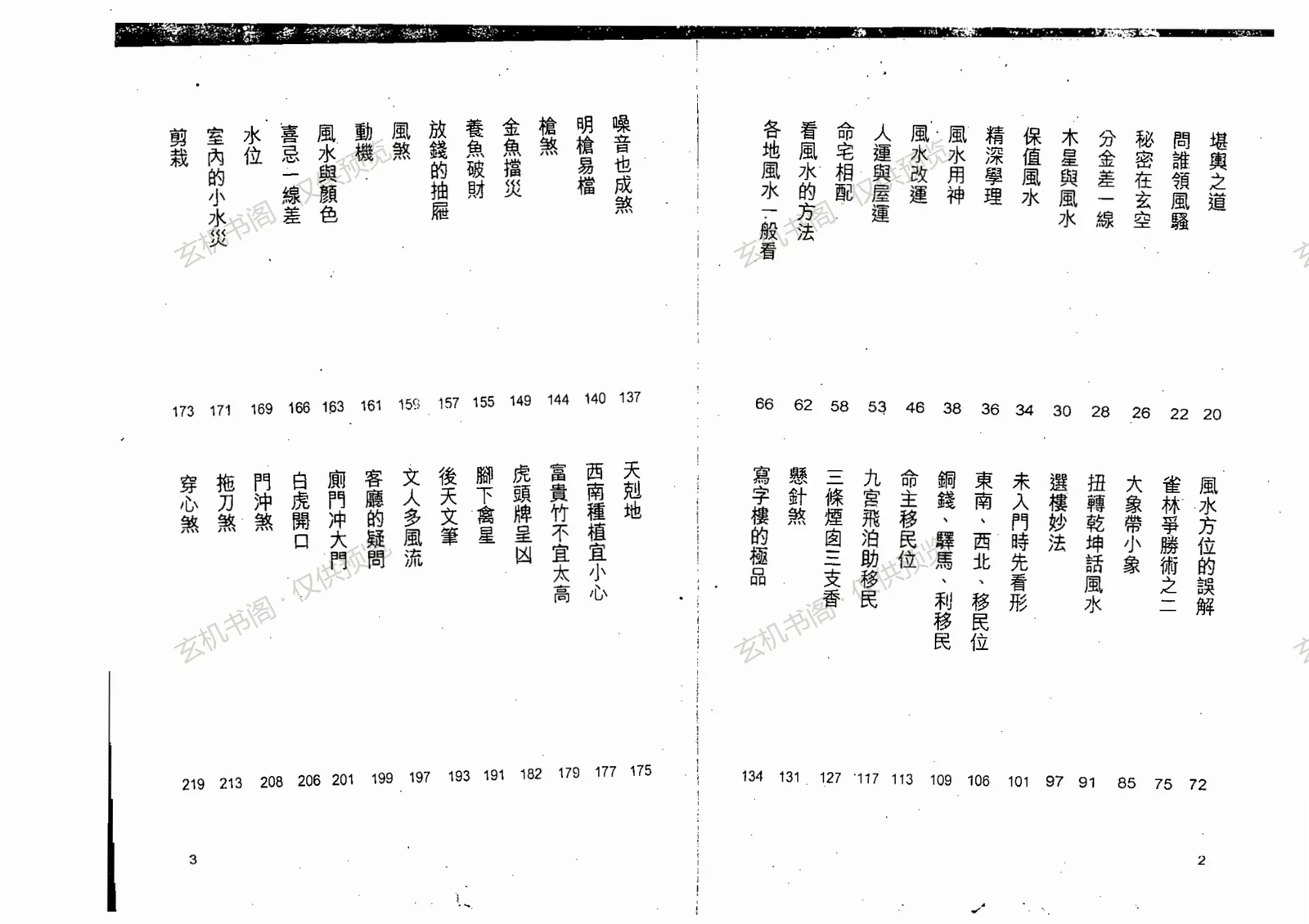
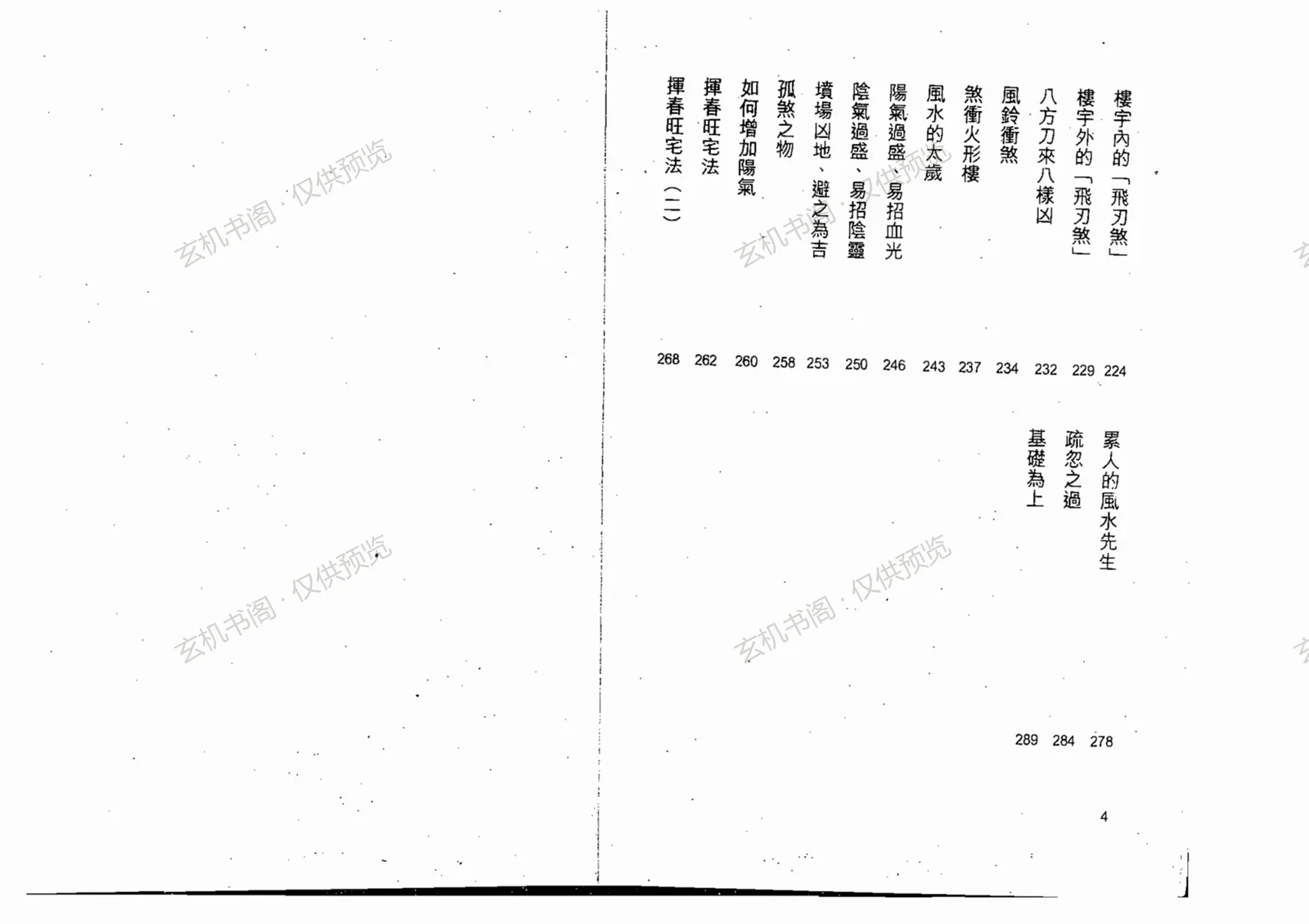
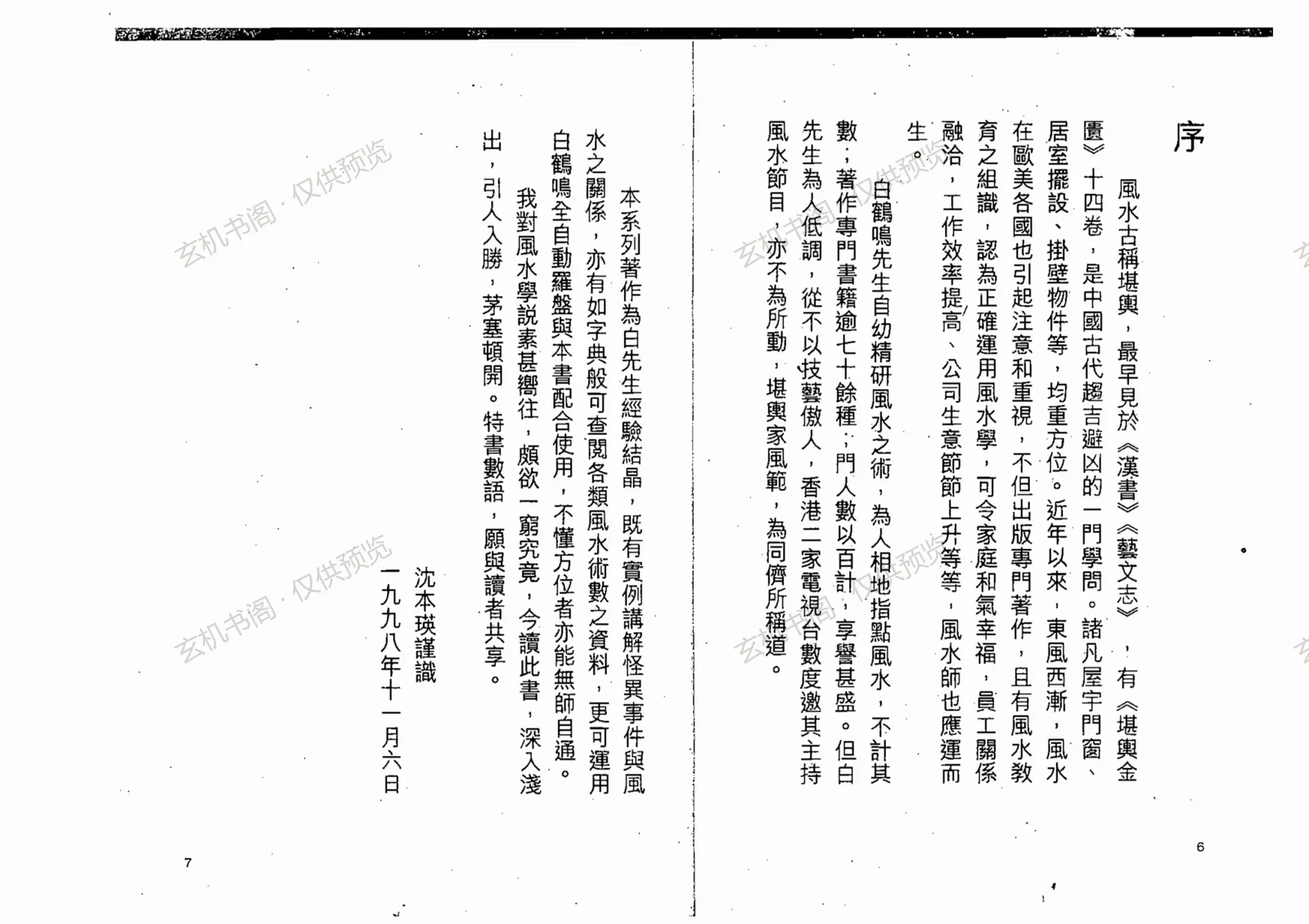
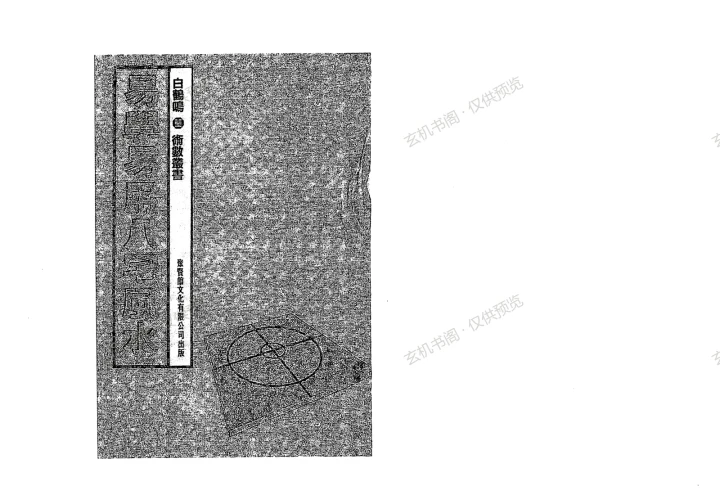
This book belongs to Bai Heming's feng shui series. It opens by discussing the way of kanyu and correcting common misunderstandings about feng shui, such as which door truly receives the wind, the role of xuankong, and the significance of a single line in the compass divisions. It then introduces principles including the study of flying stars, preserving value through feng shui, advanced theory, the 'useful god' of feng shui, feng shui remedies for changing luck, the relationship between human destiny and house fortune, and matching a dwelling to its occupant. The bulk of the book consists of short, case-oriented entries on both exterior and interior formations: the 'flying blade sha' inside and outside buildings, eight kinds of knife-like threats, wind chime clashes, fire-shaped buildings, the feng shui Tai Sui, excessive yang energy attracting bloodshed, excessive yin attracting spirits, avoiding graveyard sites, solitary sha objects, methods to increase yang energy, the bright hall, eaves sha, using goldfish to block disaster, fish keeping that loses wealth, money drawers, moving machinery, colors, water positions, small indoor floods, cutting and trimming, piercing-heart sha, dragging-knife sha, door clash sha, white tiger opening its mouth, temple gates facing main doors, questions about the living room, literary talent, the acquired heaven brush, foot-located stars, tiger-head plaques, lucky bamboo that should not be too tall, planting in the southwest, and heavenly kalpa sites. The preface by Shen Benying notes that the book combines real cases with dictionary-like access to feng shui data, and can be used alongside Bai's automatic compass. Its entry-based organization makes it convenient for looking up specific problems; it suits readers with a beginning interest in residential feng shui who want to understand common sha forms and remedy ideas.
Contents
The way of kanyu and correcting feng shui misunderstandings
Theory: flying stars, useful god, remedies, house-occupant matching
Exterior sha: flying blades, knife threats, fire buildings, Tai Sui
Interior layout: yang and yin energy, bright hall, eaves, fish tanks
Colors, water positions, movement lines, and clash remedies
Yin sites, solitary objects, and methods to increase yang energy
Plant and terrain taboos: lucky bamboo, heavenly kalpa sites
Key Points
Uses short entries to explain common exterior and interior sha and remedy ideas.
Opens by correcting common feng shui misunderstandings and introducing basic concepts.
Emphasizes real cases, including strange events linked to feng shui.
Can be used with Bai's automatic compass for orientation lookup.