Reading guide
Content guideOverview
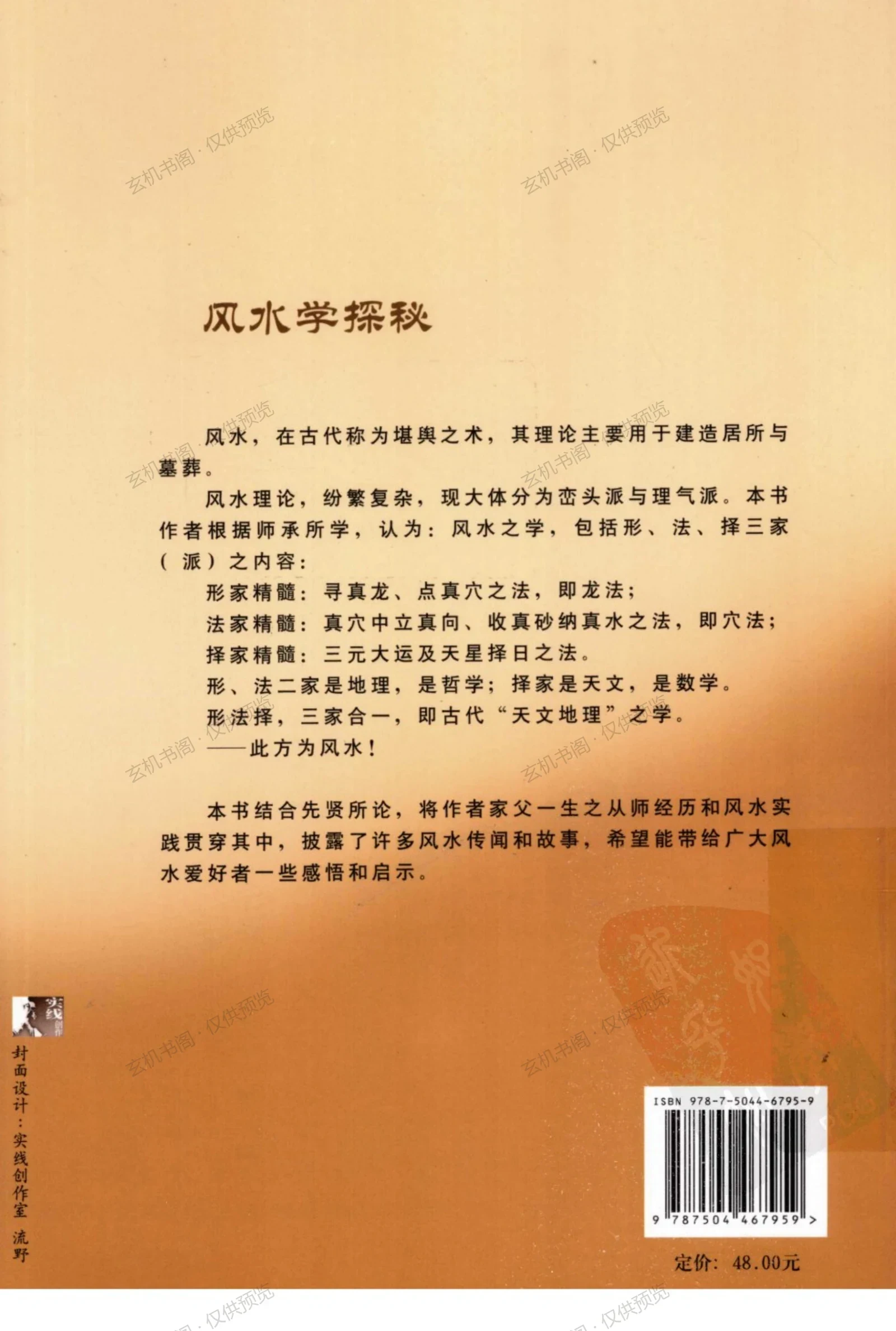
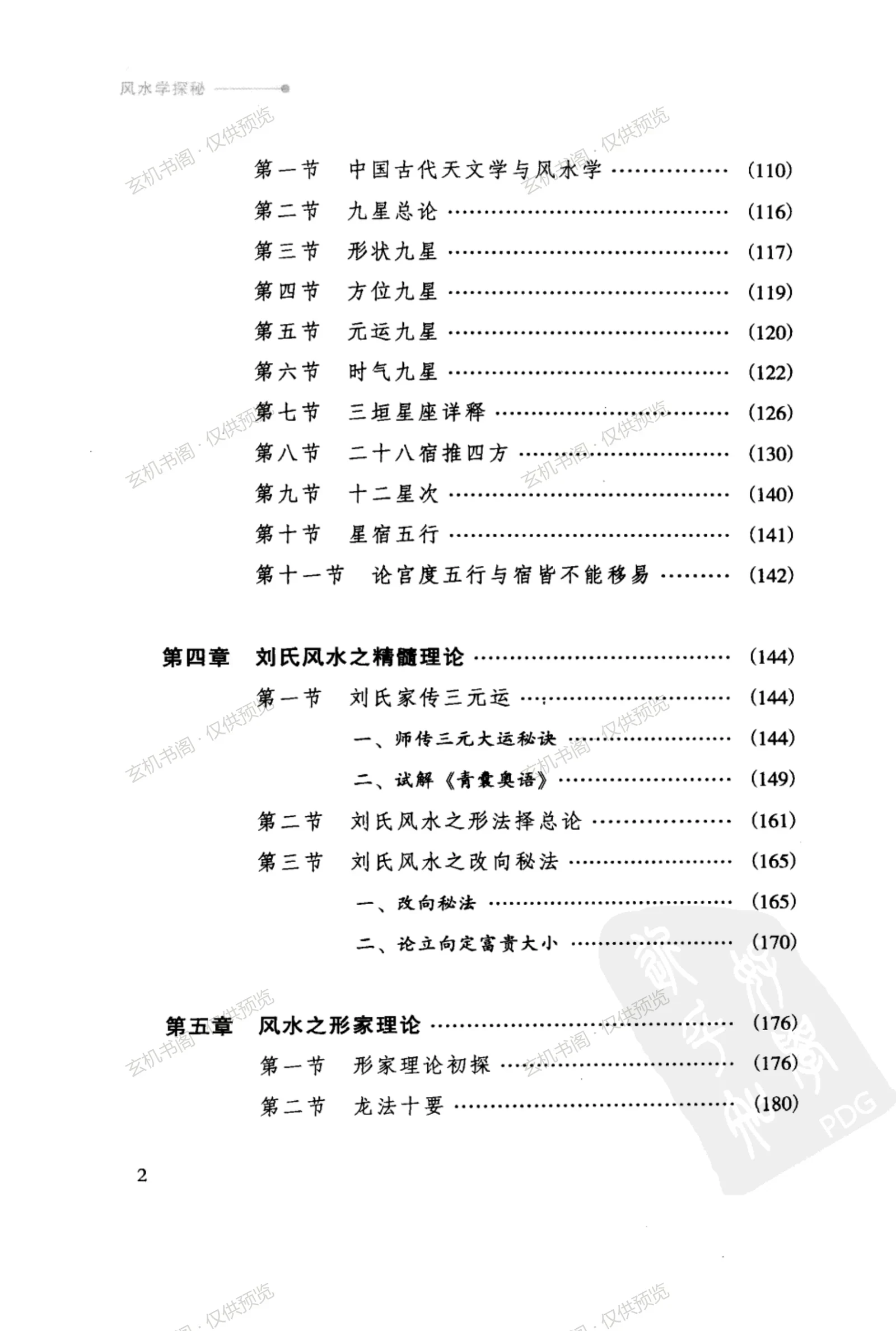
Part of a series on traditional Chinese geomantic culture, this book sets out feng shui in three interlocking branches: form (xing), method (fa) and selection (ze). It opens with stories of the author's teacher Liu Tianlu, then lays foundations in the Hetu Luoshu, the earlier and later bagua, the three plates of the luopan, and classical texts such as the Qingnang Jing and Zangshu. A section on astronomy relates Chinese sky lore to feng shui, covering the nine stars in shape, direction, cycle and season, the three enclosures, the twenty-eight mansions and the twelve stations. The core chapters give the Liu family's secret method of Sanyuan cycles, a general theory of form, method and selection, and a method for changing orientation, followed by the ten essentials of dragon form, sand and water analysis, cave siting and construction, and astrological date selection.
Contents
Life of the teacher Liu Tianlu
Foundations: Hetu Luoshu, bagua, luopan, classics
Astronomy: nine stars and twenty-eight mansions
Liu family essentials: Sanyuan cycles and changing orientation
Form school: ten essentials of dragon method
Method school: sand, water, cave and construction
Selection school: introduction to date choice
Key Points
Treats form, method and selection as one connected system
Covers luopan plates and earlier/later bagua as groundwork
Brings nine stars and lunar mansions into feng shui explanation
Core is the family Sanyuan cycle and orientation-change method
Method section details sand, water, cave siting and setting direction