Reading guide
Content guideOverview
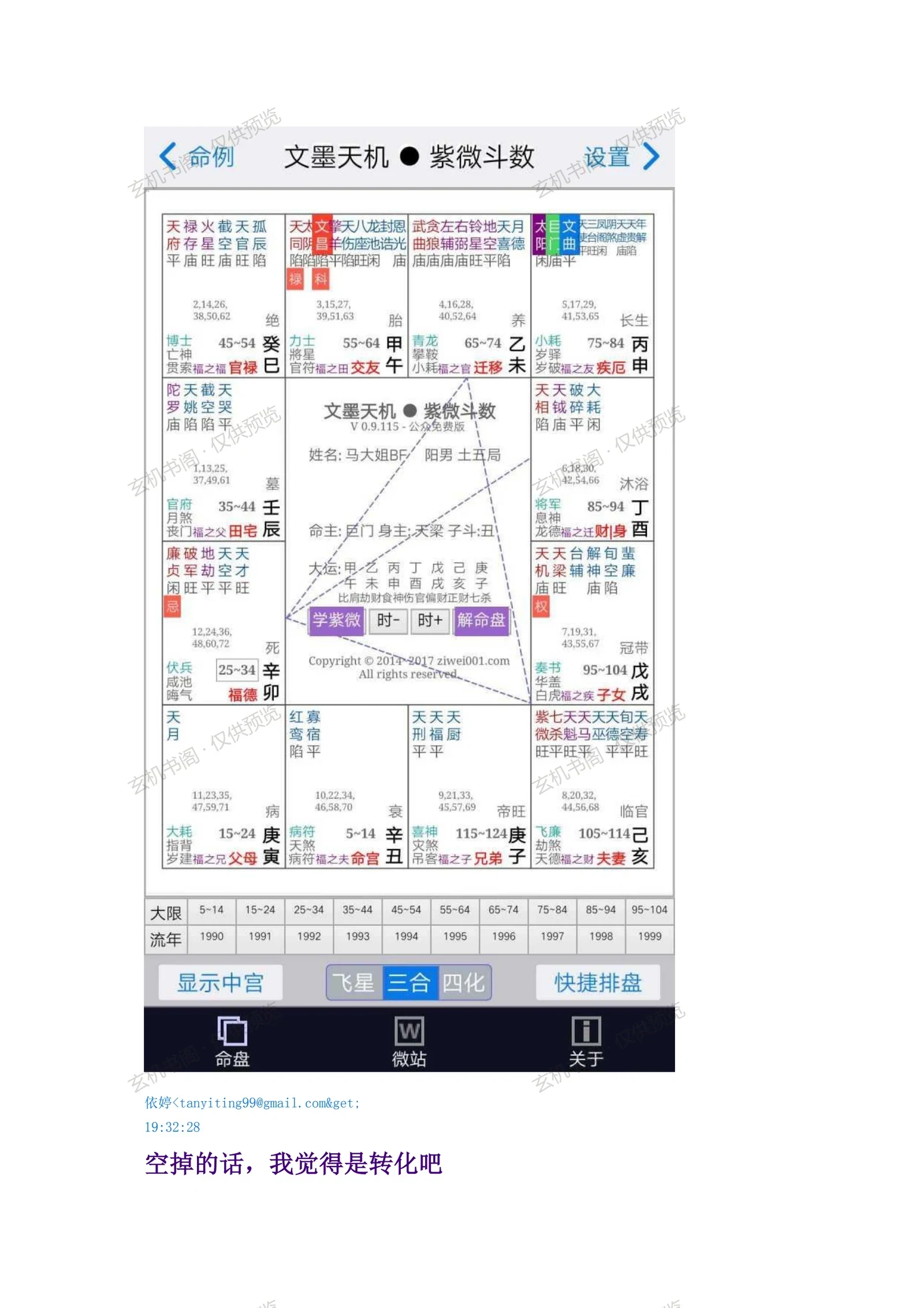
This volume is the second part of a Zi Wei Dou Shu course on patterns, presented in a Q&A format based on classroom discussions. It covers the meaning of void and robbery (kong jie) in the Fortune Palace, including emotional emptiness and spiritual fulfillment; the connection between Tan Lang with void and interest in metaphysics; the Wealth Palace as a reflection of real-life financial management and marital dynamics; the distinction between the Sun in fall with Hua Ji and self-transformation Hua Ji; methods for determining work location in a given year; and how to judge the gender of the first child when the Children Palace has no major star. A sample chart from Wenmo Tianji is included for illustration. The content emphasizes practical interpretation and flying star transformations, suitable for readers with basic knowledge of Zi Wei Dou Shu.
Contents
Emotional emptiness from void and robbery in the Fortune Palace
Tan Lang with void and metaphysical inclinations
Wealth Palace and real-life finances in marriage
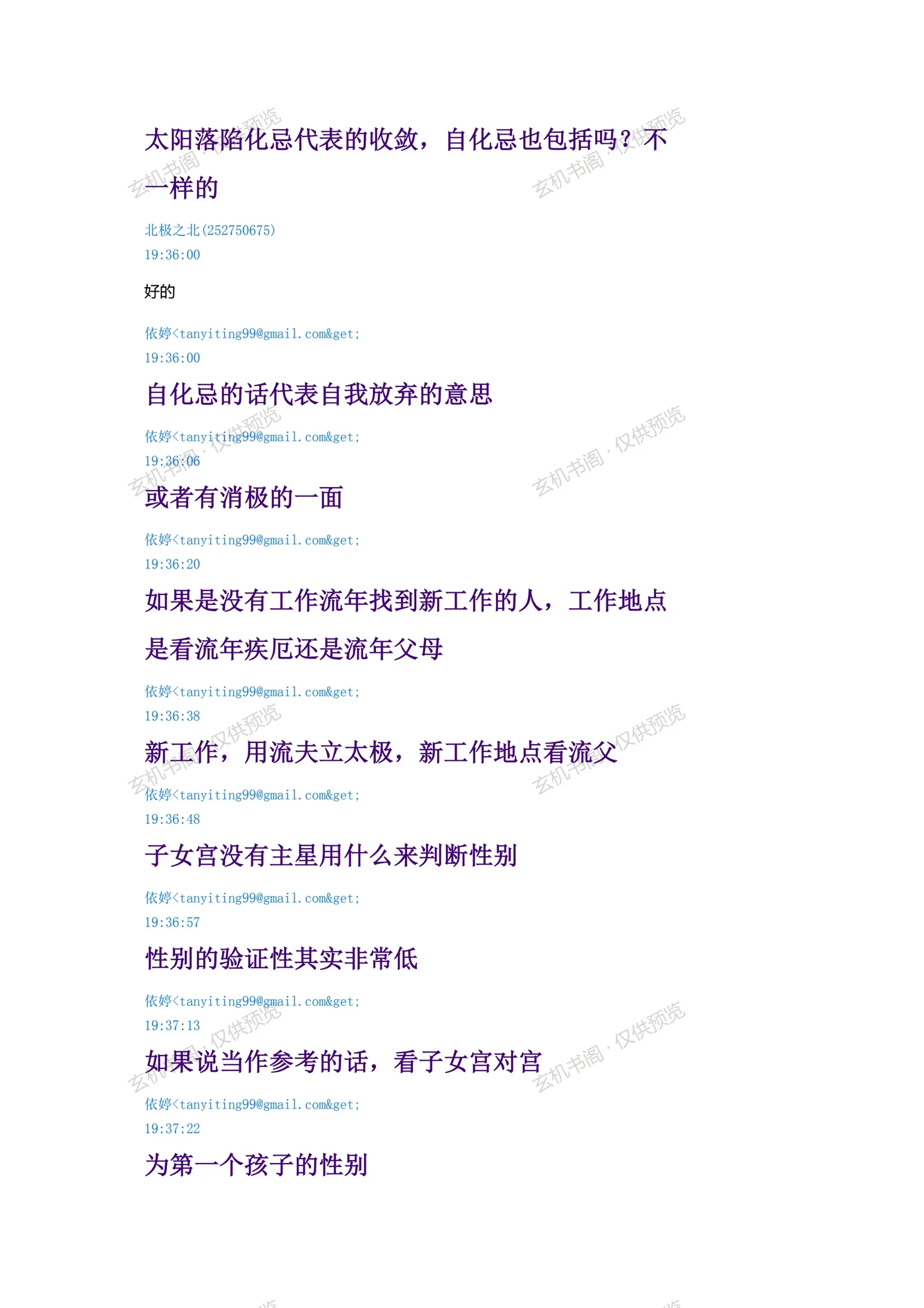
Sun in fall with Hua Ji vs. self-transformation Hua Ji
Annual work location and children's gender judgment
Key Points
Void and robbery in the Fortune Palace does not mean no affection, but difficulty in emotional fulfillment
The Wealth Palace reflects financial management and marital reality
Self-transformation Hua Ji suggests self-abandonment or negativity, distinct from Hua Ji in fall
Gender prediction is unreliable when the Children Palace lacks a major star; use the opposite palace for reference
New work location can be judged via the annual Parents Palace using the spouse palace as the base