Reading guide
Content guideOverview
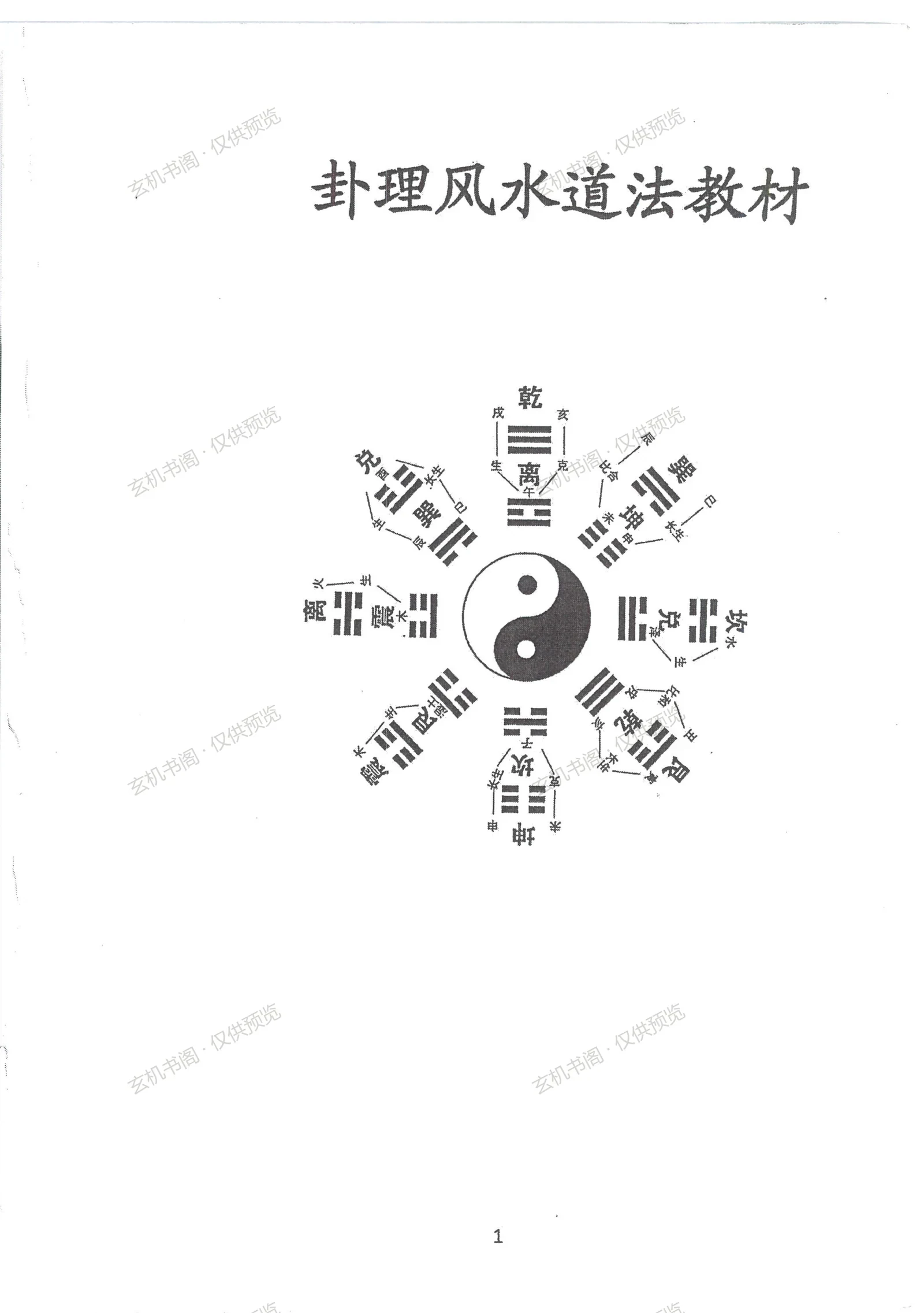
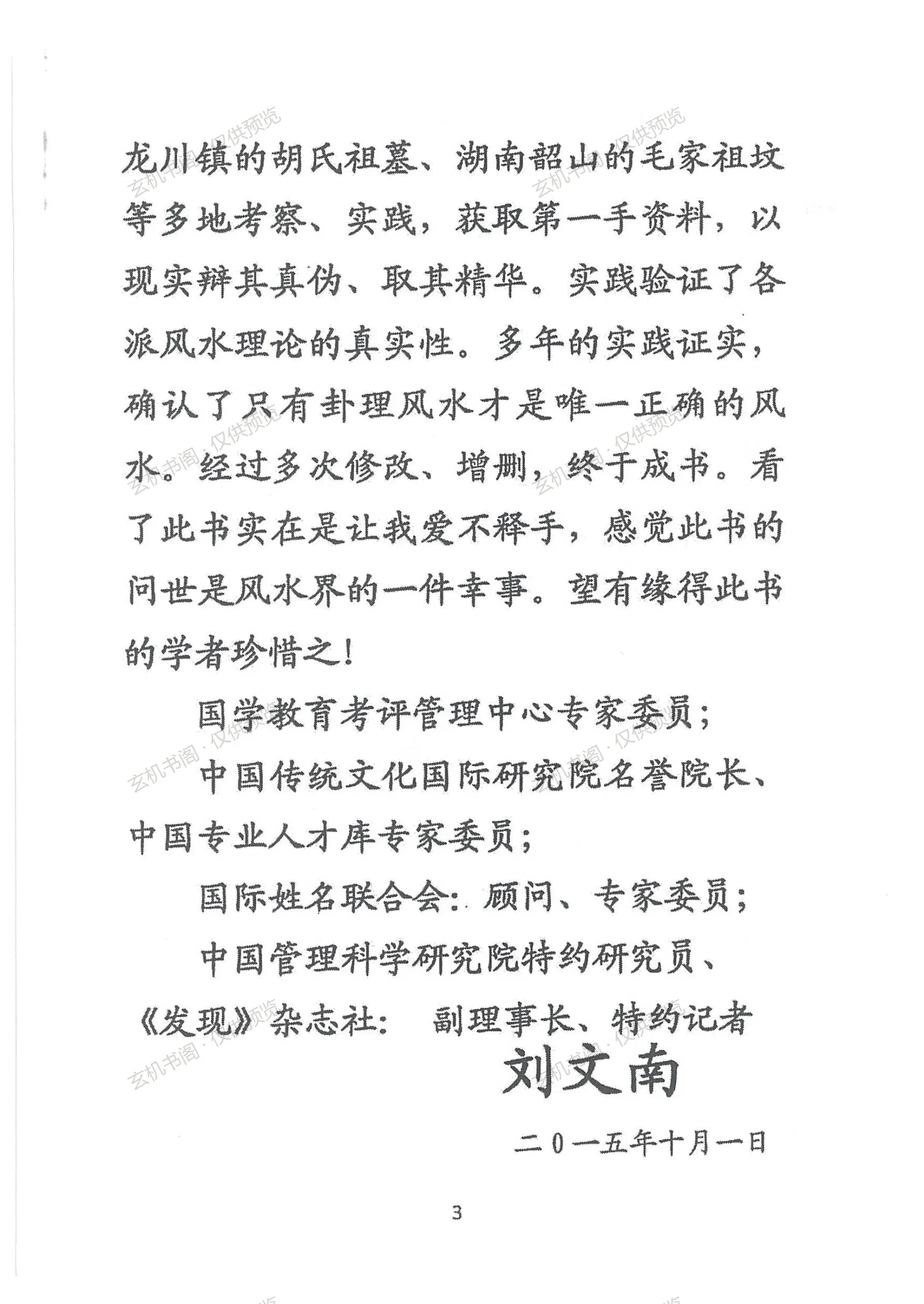
This book centers on what it calls hexagram-pattern feng shui. The cover and inner title read Textbook on Hexagram-Pattern Feng Shui and Daoist Methods, while the file name and preface refer to it as a secret manual. The opening pages show a diagram of the Earlier and Later Heaven trigrams with yin-yang and five-phase generating and overcoming relations. According to Liu Wennan's preface, the contents move from understanding and applying Earlier and Later Heaven hexagram patterns to the dragon, cave, sand and water features of yin dwellings and their orientation and burial; then to hexagram-based layout and indoor adjustment for yang dwellings; and further to feng shui layout for enterprises and survey and adjustment for government offices. The preface describes the author Guo Butian as having visited many teachers and surveyed sites such as the Eastern Qing Tombs, Yang Junsong's hometown of Sanliao in Xingguo, Jiangxi, and Shaoshan in Hunan to test different schools in practice. Only the cover, diagram page, preface and inscription page are visible here, so the full table of contents and detailed methods cannot be confirmed.
Contents
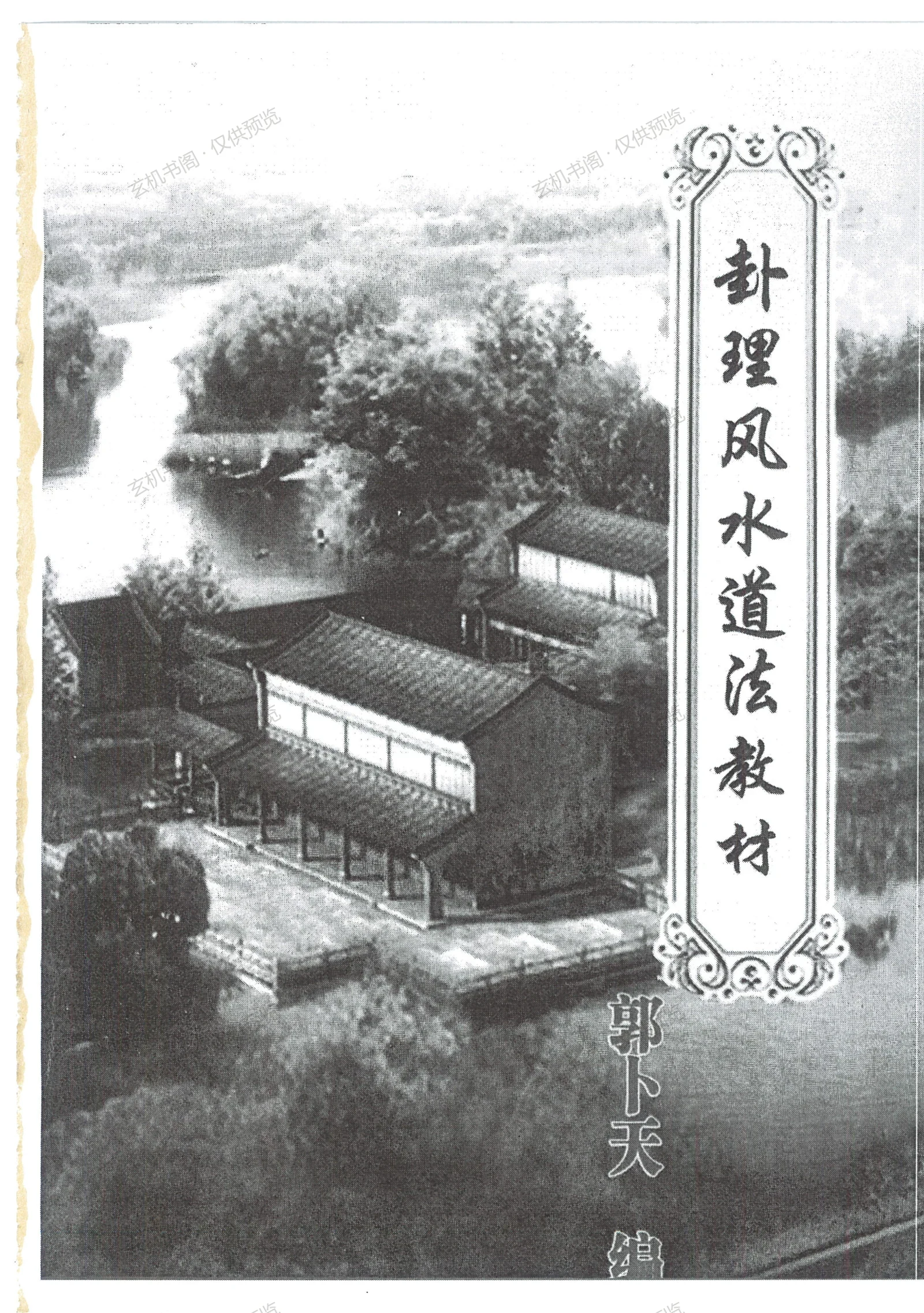
Cover: Textbook on Hexagram-Pattern Feng Shui and Daoist Methods, by Guo Butian
Diagram of Earlier and Later Heaven trigrams and five-phase relations
Liu Wennan's preface on the book's origins and field surveys
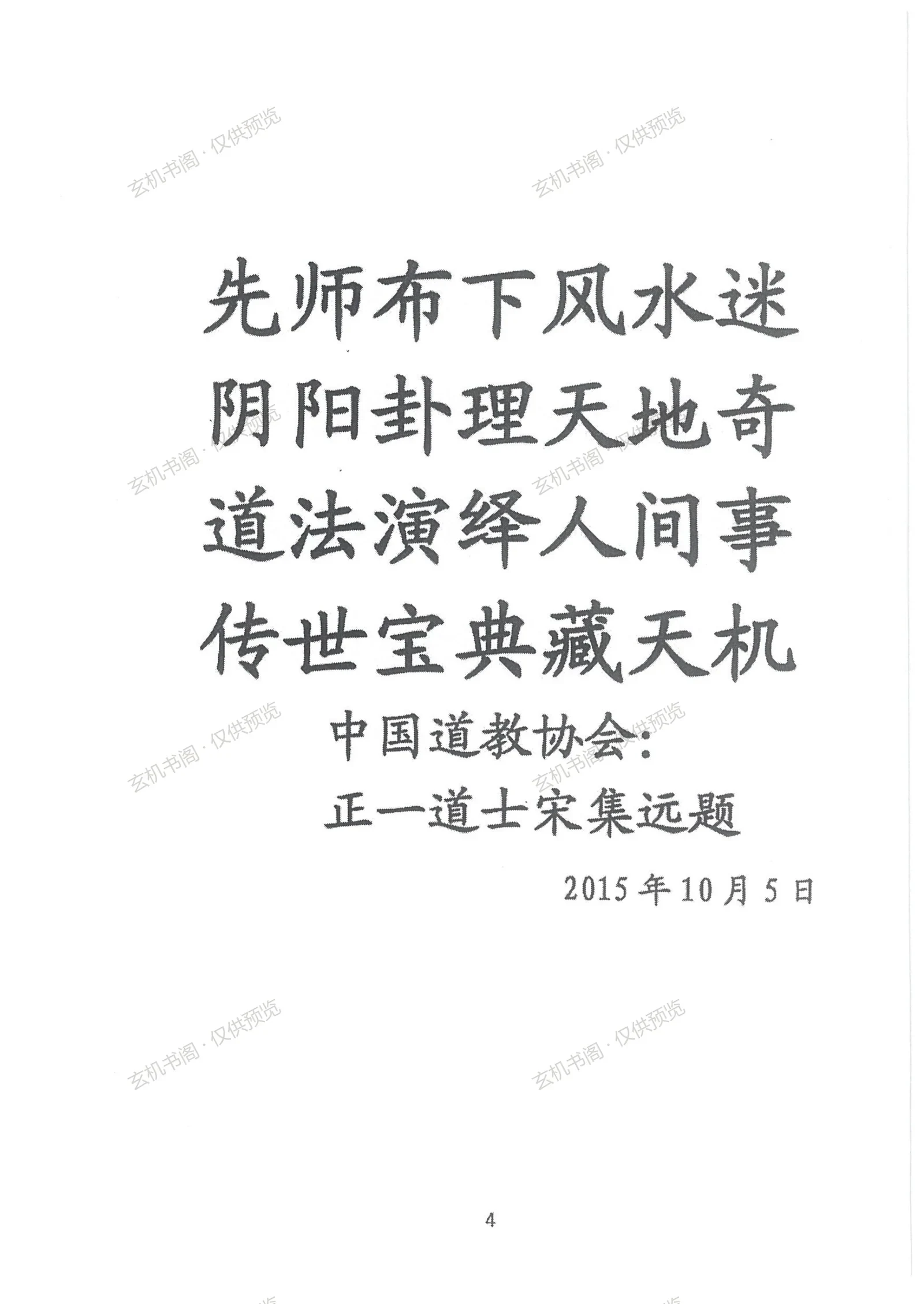
Song Jiyuan's four-line inscription praising feng shui and Daoist methods
Yin-dwelling dragon, cave, sand and water, orientation and burial (per preface)
Yang-dwelling hexagram layout and indoor adjustment (per preface)
Feng shui surveys for enterprises and offices (per preface)
Key Points
Uses Earlier and Later Heaven hexagram patterns as the core feng shui framework
Covers both yin-dwelling siting and yang-dwelling interior layout
Extends to surveys and adjustments for businesses and offices
Preface claims the author tested multiple schools through field surveys
Positioned as a practitioner's handbook and teaching text