Reading guide
Content guideOverview
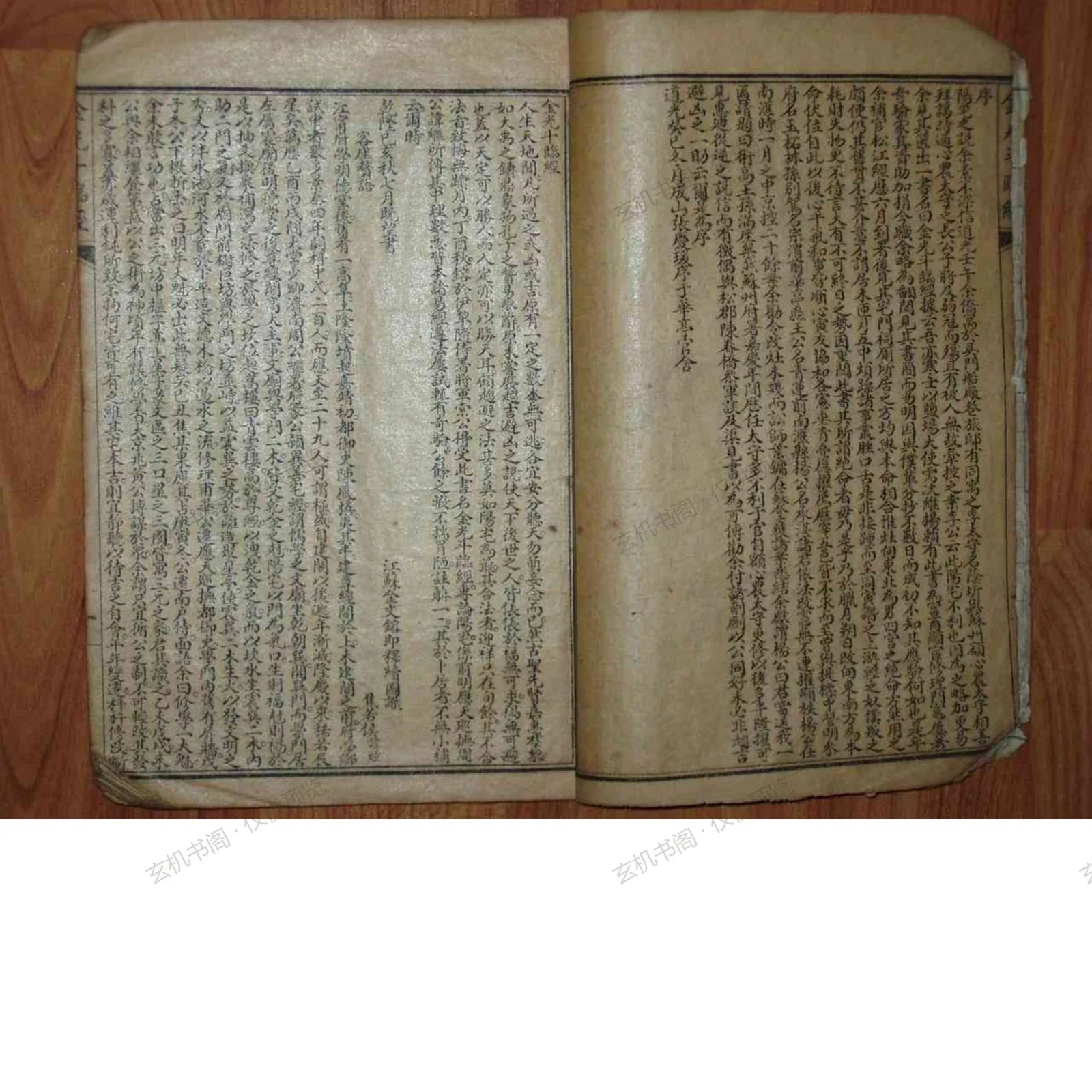
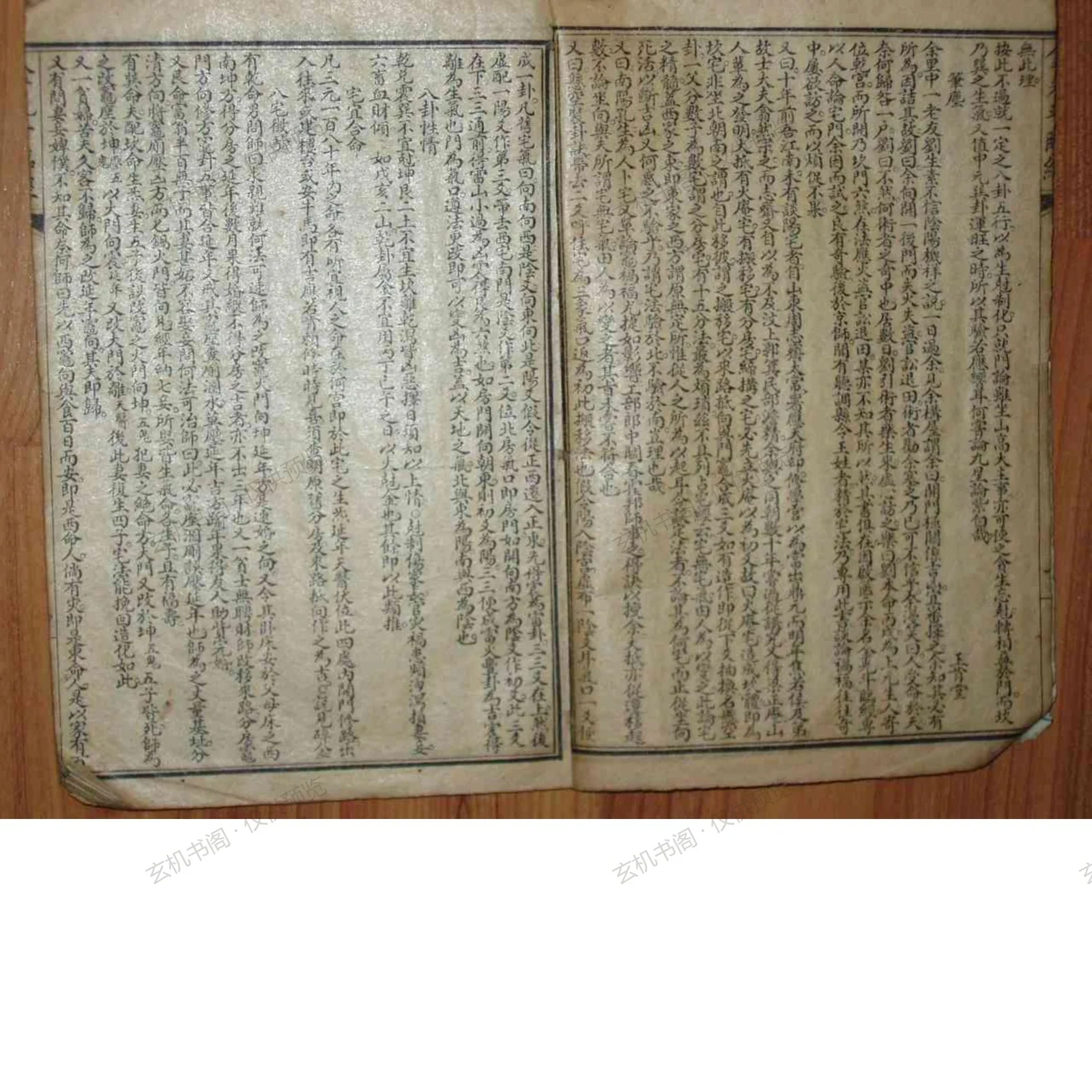
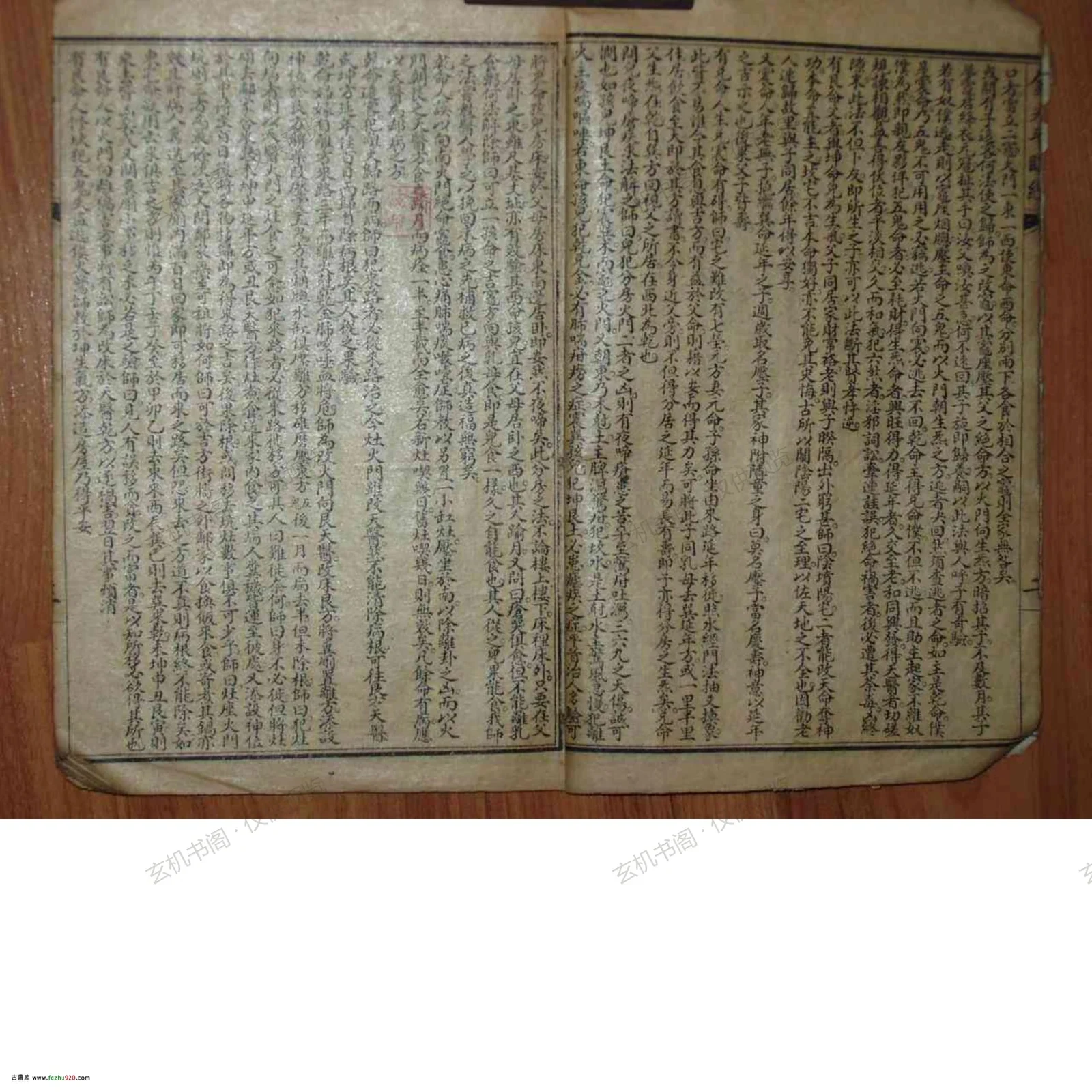
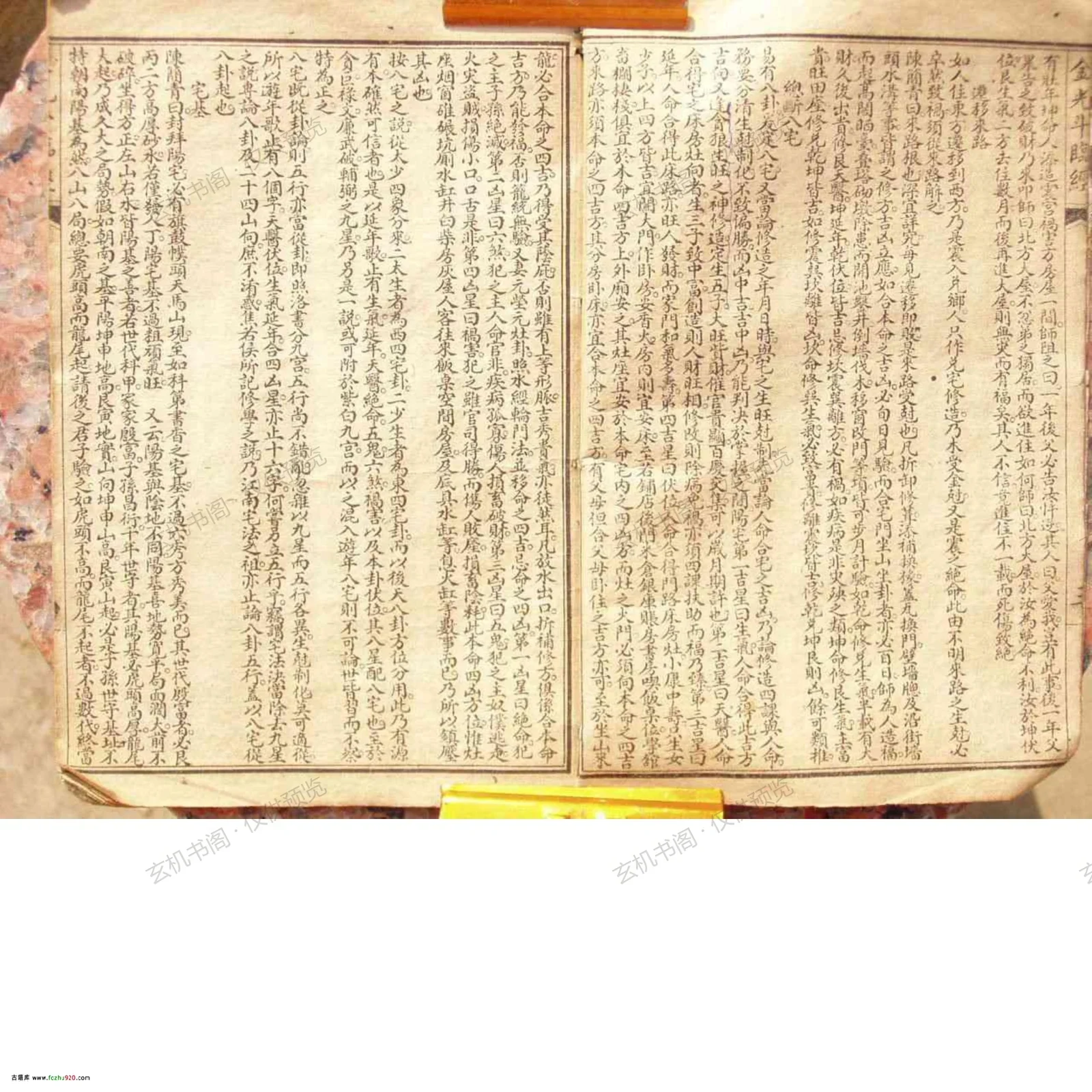
The Jinguang Doulin Jing is a Republican-era (1923) reprint of a traditional feng shui text on yang-dwellings, published by the Jinzhang Book Bureau in Shanghai. The preface argues that while landform determines a site's basic potential, a house's rise or decline follows the shifting of the nine stars through the flying-palace system. The book therefore combines the Doulin method with nine-star flying, bagua positions and the twenty-four mountains to assess residential fortune. Its chapters cover the eight trigrams and directional layout, the placement of the nine stars in the eight palaces, the calculation of house destiny, the assessment of doors and paths, and the auspicious or inauspicious placement of wells, stoves, beds and latrines. It also includes instructions for 'drawing out the household root' and selecting favorable directions for construction and repair, presented through mnemonic verses and question-and-answer passages typical of Qing and Republican feng shui manuals.
Contents
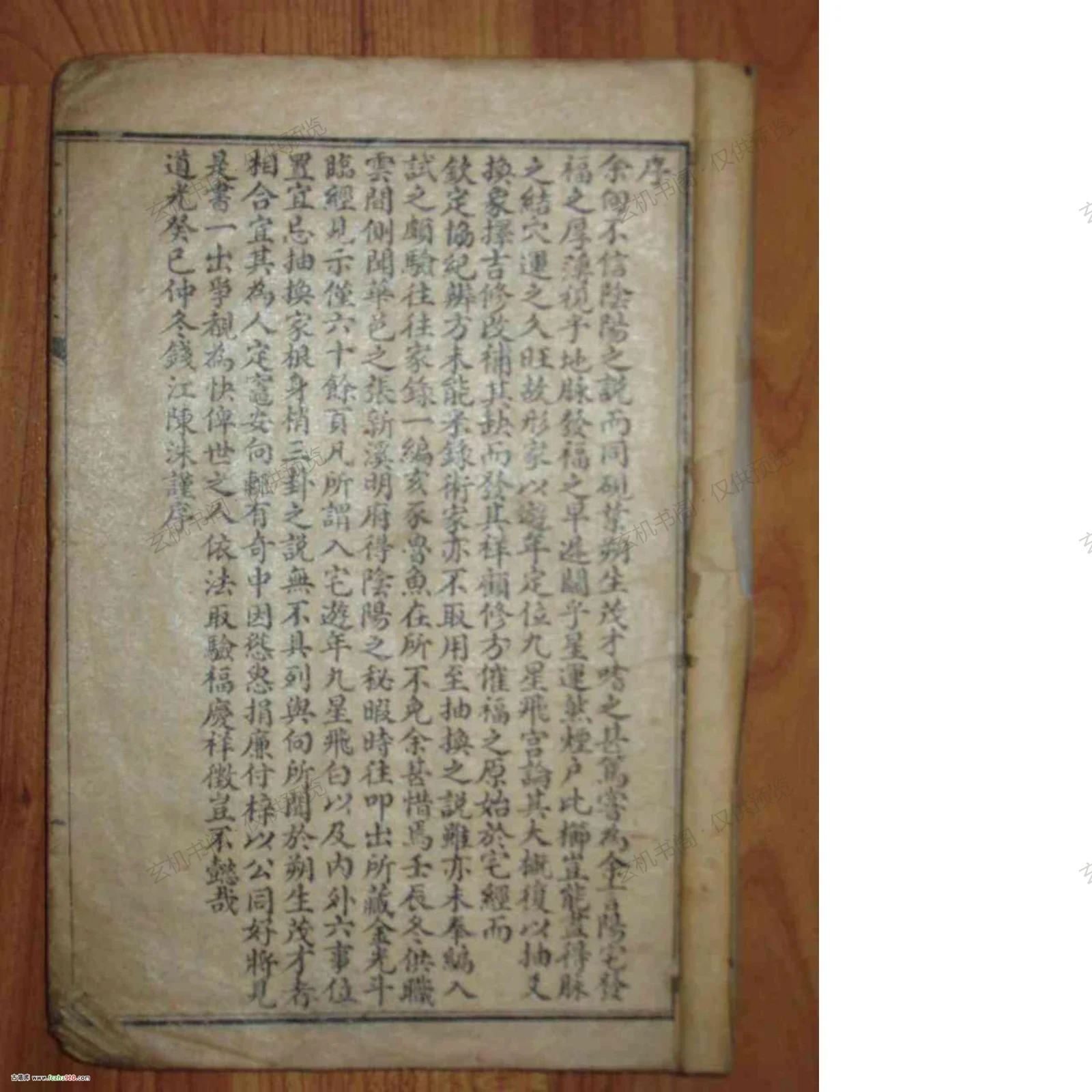
Preface: origins of the Doulin method and the reprint
Bagua positions and the twenty-four mountains
Nine-star flying palaces and house destiny
Eight-house wandering years and door/path fortune
Drawing out the household root and repair timing
The six domestic features: wells, stoves, latrines, etc.
House form and landform correlations
Key Points
Uses nine-star flying palaces with bagua positions to judge yang-dwelling fortune
Stresses that house luck shifts with the nine stars, not landform alone
Details auspicious placement of doors, paths, stoves and beds
Includes practical mnemonics for repair timing and household root methods
Written partly in question-and-answer form for easy consultation