Reading guide
Content guideOverview
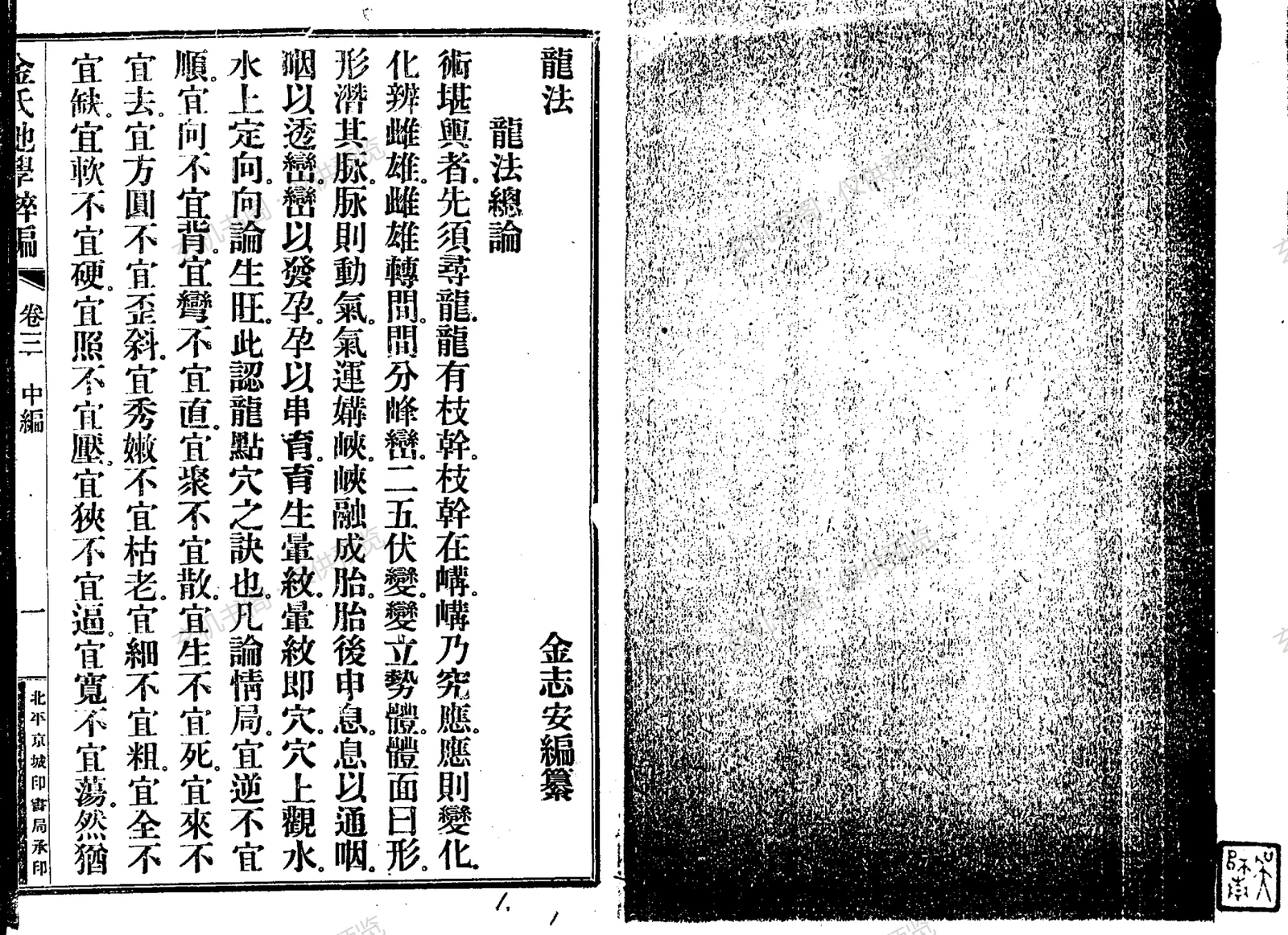
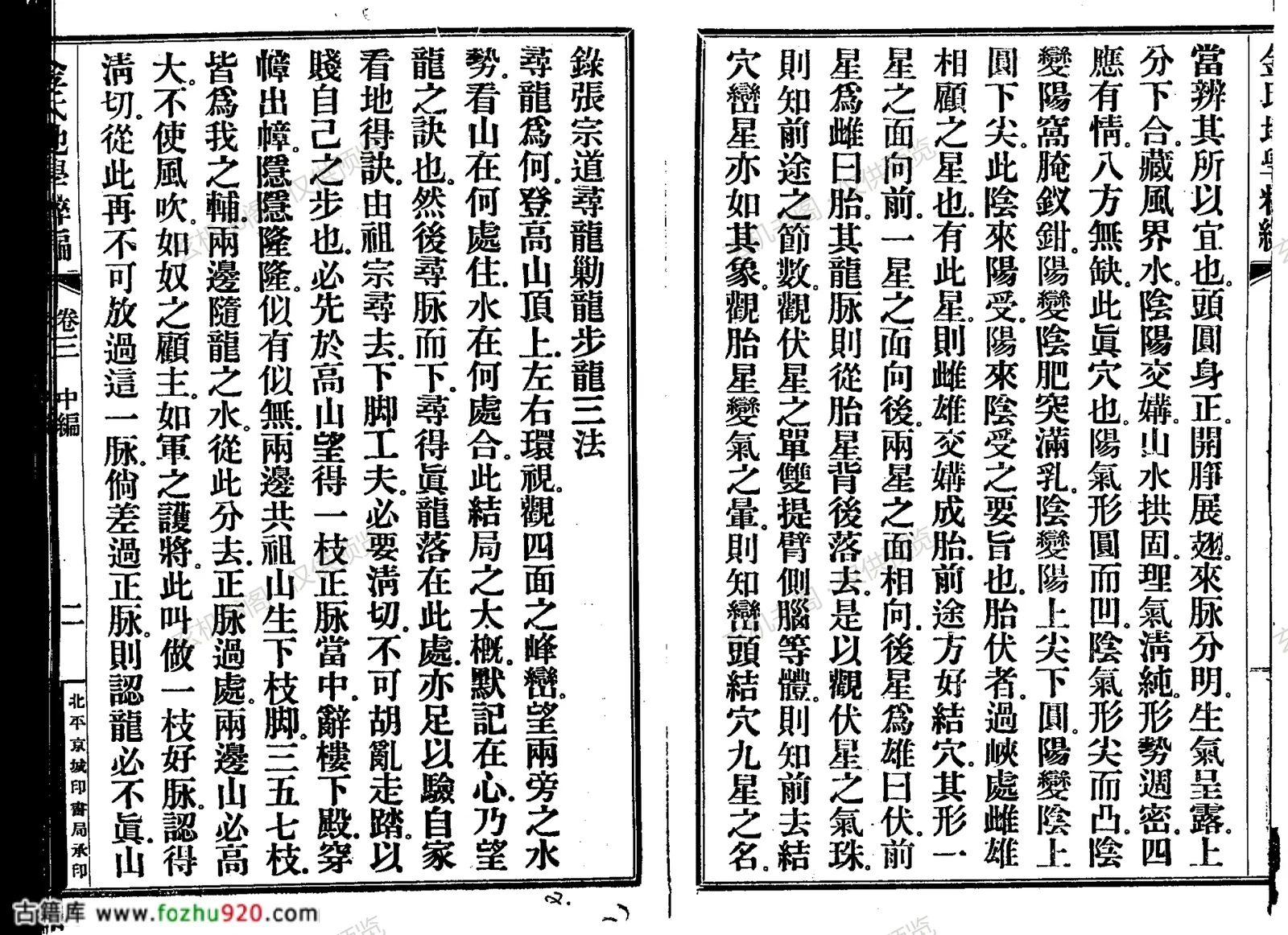
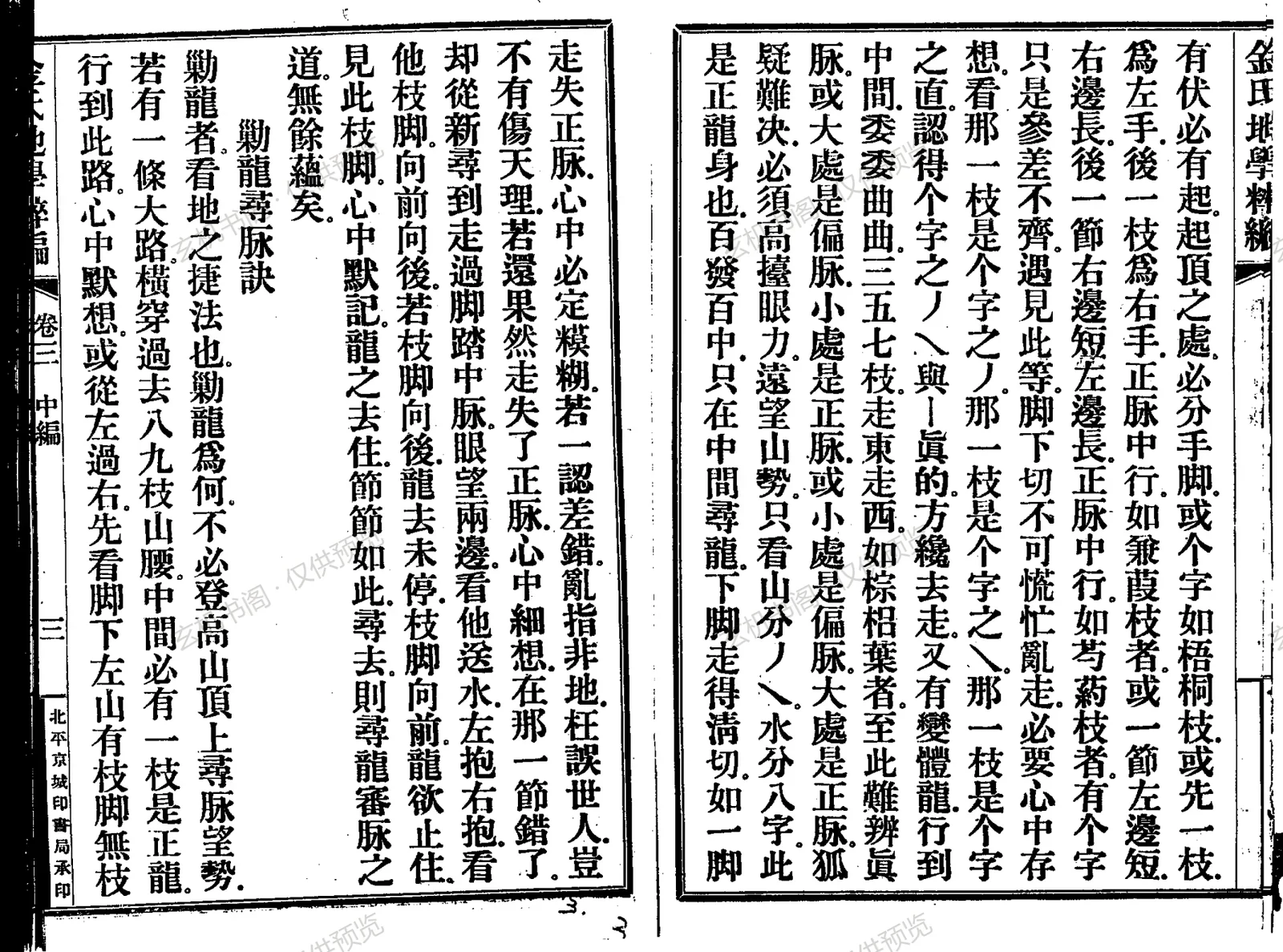
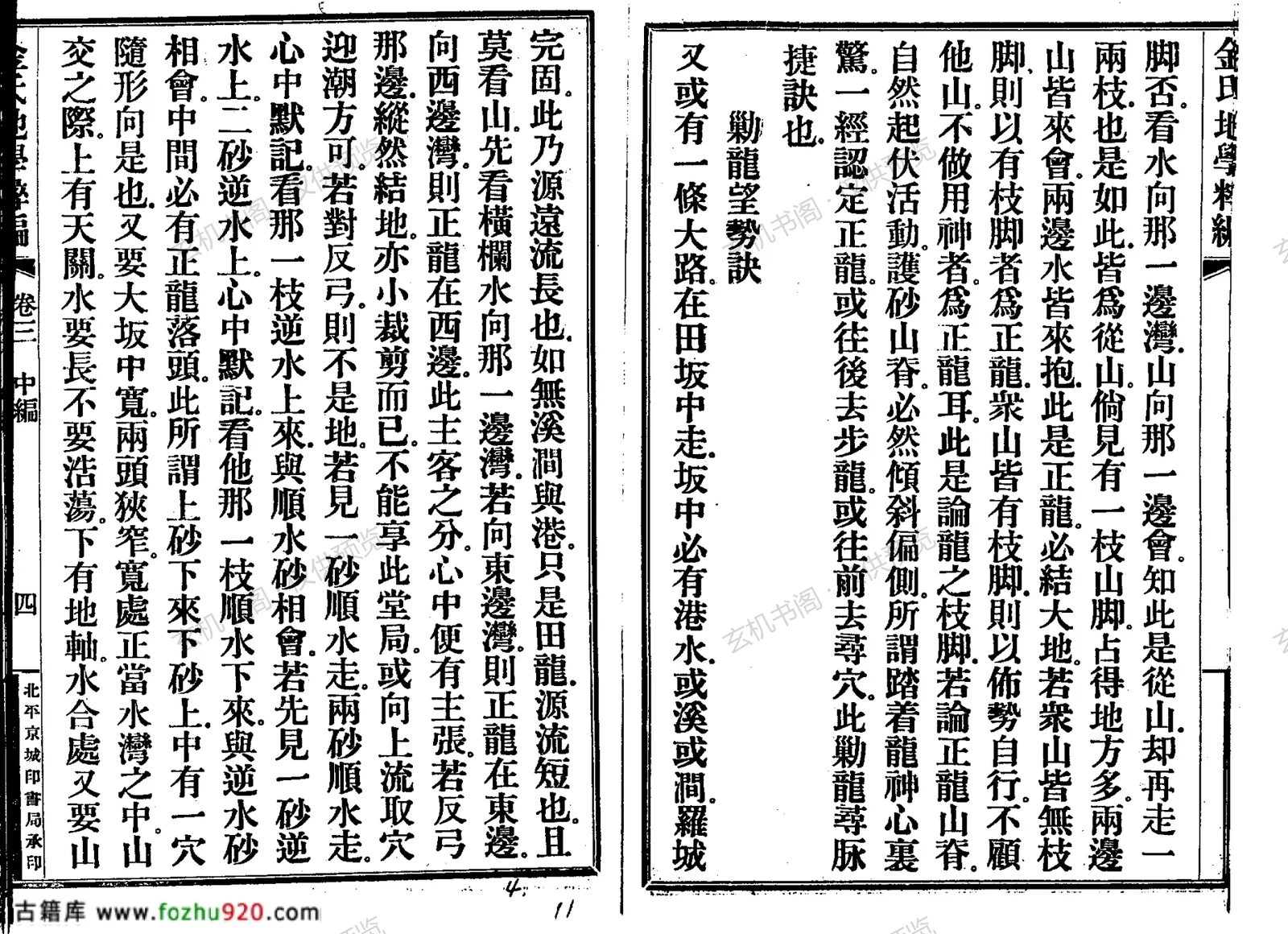
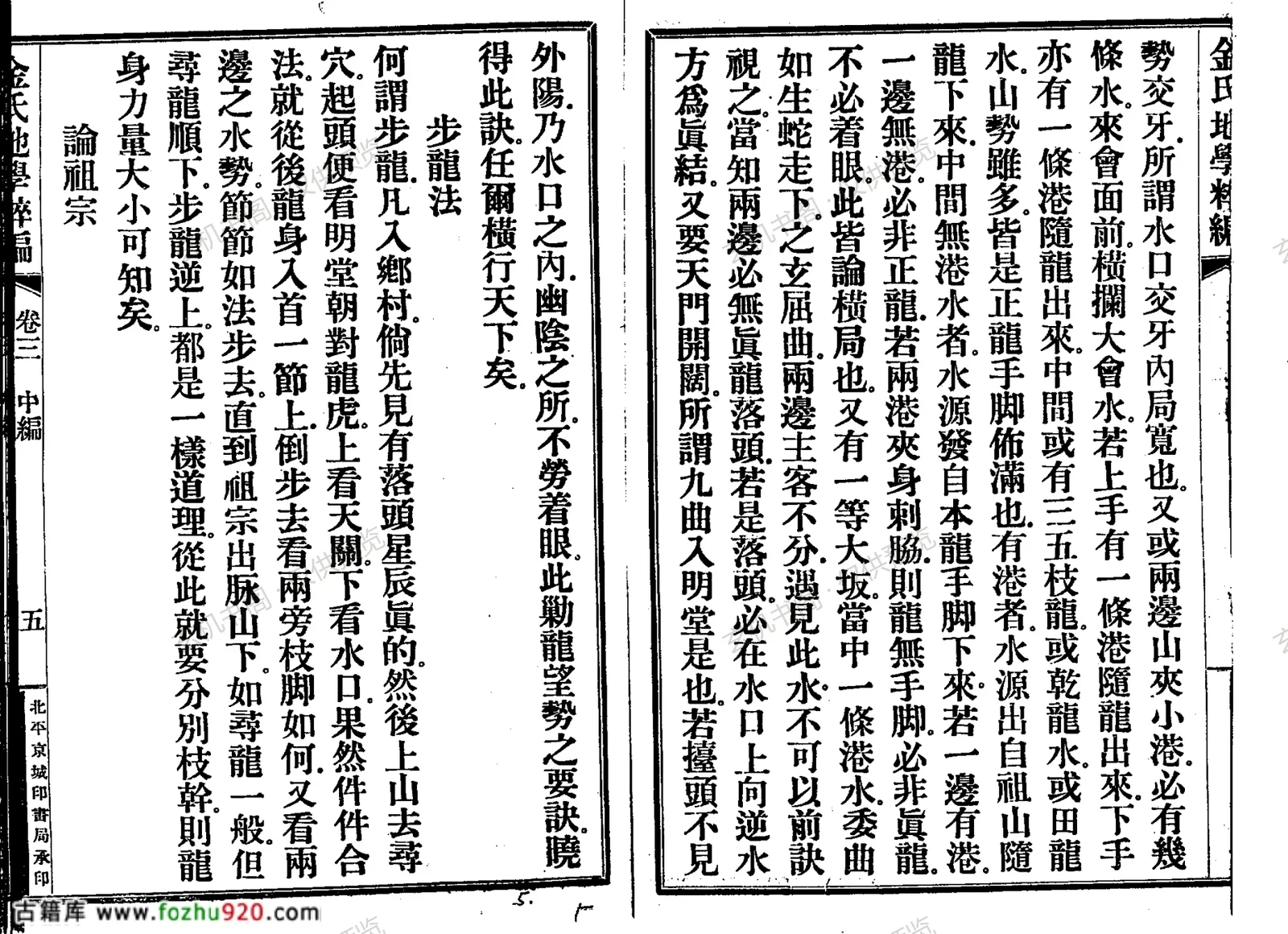
This is the second volume of the Qing dynasty Feng Shui text 'Jinshi Dixue Cuibian' by Jin Zhian, focusing on 'Dragon Methods' in geomancy. Based on the table of contents and text, it covers core topics such as general principles of dragon methods, tracing dragons, and walking dragons. The book elaborates on how to distinguish the branches and genders of dragon veins, observe the undulations of mountain ranges, and identify true acupoints through the convergence of water and the orientation of sand hills. The author emphasizes that tracing dragons requires first observing the grand landscape and then examining the details, incorporating concepts like 'Fu Xing' (hidden stars) and 'Tai Xing' (embryo stars) to aid judgment. It includes numerous mnemonic verses and descriptive examples, making it a significant document for studying traditional landscape-school Feng Shui.
Contents
General principles of dragon methods and key tracing techniques
Branch and gender changes of dragon veins
Mnemonics for tracing dragon veins and observing landscape
Walking dragon method and discussion on ancestral mountains
Key Points
Tracing dragons requires distinguishing branches and observing undulations to determine authenticity.
Auspicious sites are identified by water convergence and surrounding sand hills.
Judging dragon outcomes through star body forms like hidden and embryo stars.
The walking dragon method emphasizes tracing ancestral mountains and clarifying primary and secondary relationships.