Reading guide
Content guideOverview
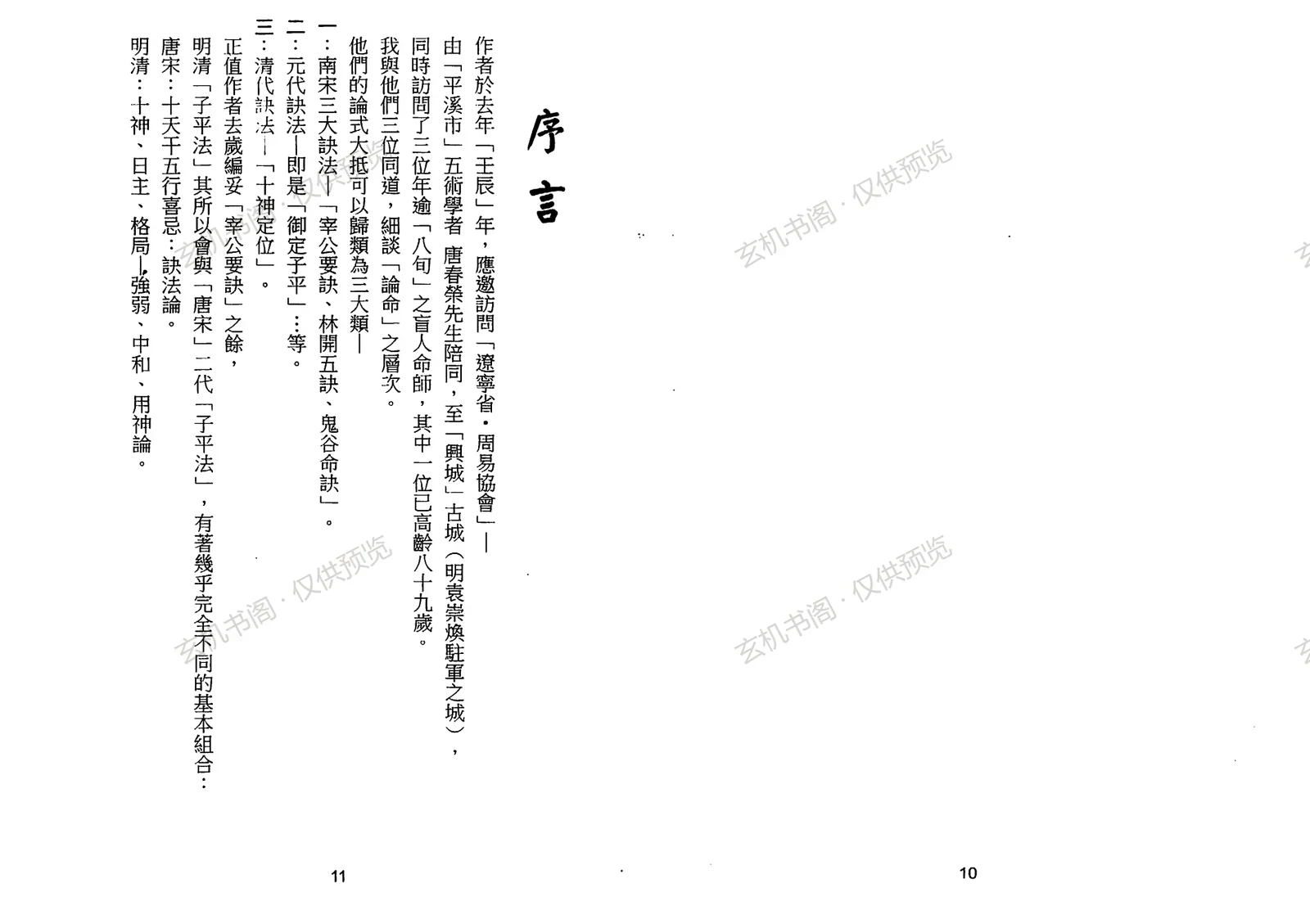
This book, written by Liang Xiangrun in his later years, takes its title from the cover inscription 'Juefa Jinlun.' A photograph of the author at age eighty-two (taken in 2011) appears before the main text. The preface recounts the author's visit to Fujian in the Ren Chen year, where he exchanged views with local practitioners of the five arts and classified historical BaZi formula methods into three major groups: the Southern Song methods (Zaigong Yaofue, Linkai Wujue, Guigu Mingjue), the Yuan dynasty method (Yuding Ziping), and the Qing dynasty method (Ten Gods positioning). The book is organized by era and theme, beginning with the 'Day and Hour Ten Gods formulas,' listing the auspicious and inauspicious signs of the Ten Gods in the day and hour pillars; then tracing the formation of formula methods, citing historical events such as Emperor Taizong's edict banning fortune-telling and the convergence of fate calculation and divination; and then expanding into the 'three major schools of formula methods—replacing the Nayin system,' detailing core concepts such as the Ten Gods, Day Master, structure, strength, balance, and useful gods. The table of contents covers three-dimensional Day and Hour Ten Gods formulas, formulas (1) through (12), hour branch sitting in storage, hour branch wealth and officer, day-hour clash and punishment, arch-combination and exchange of lu, seasonal adjustment formulas, nineteen case studies, and excerpts from classical texts such as Wuxing Jingji, Sanming Tonghui, and Shenfeng Tongkao, along with the author's commentary on the origins and application of formula methods. The book uses 'formulas' as a thread to organize scattered aphorisms from historical命理 texts, making it an important reference for studying the evolution and practical application of BaZi formula methods.
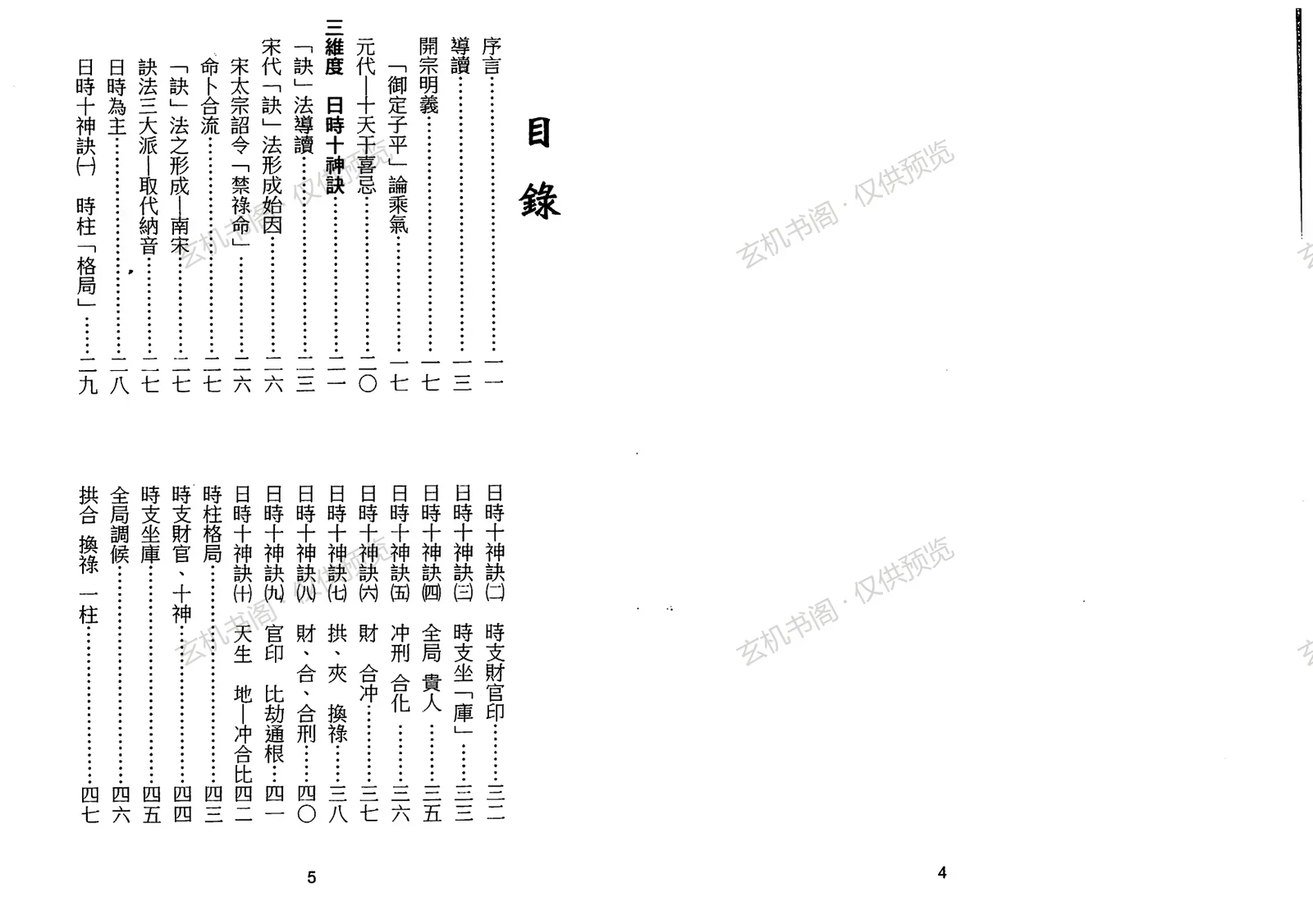
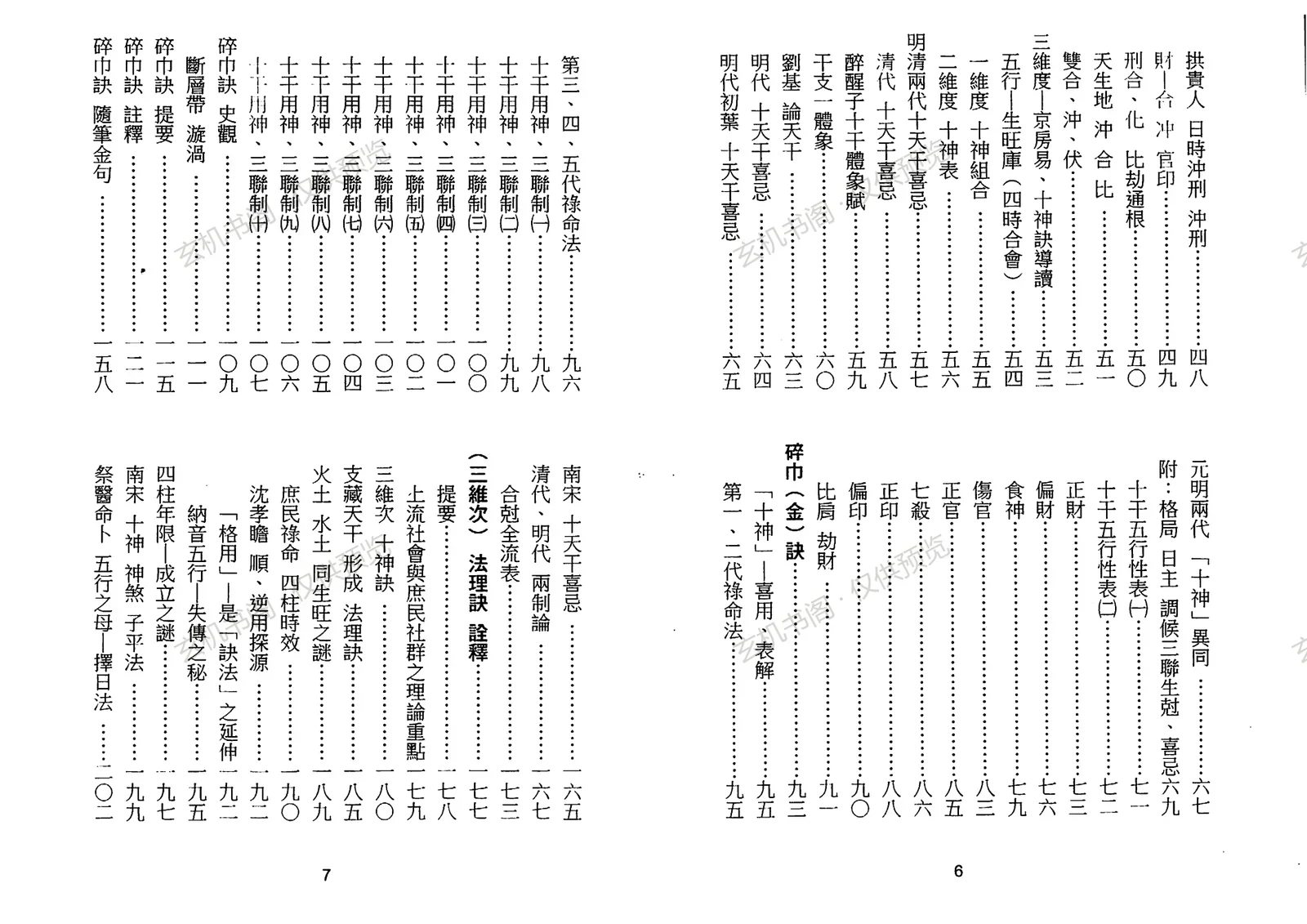
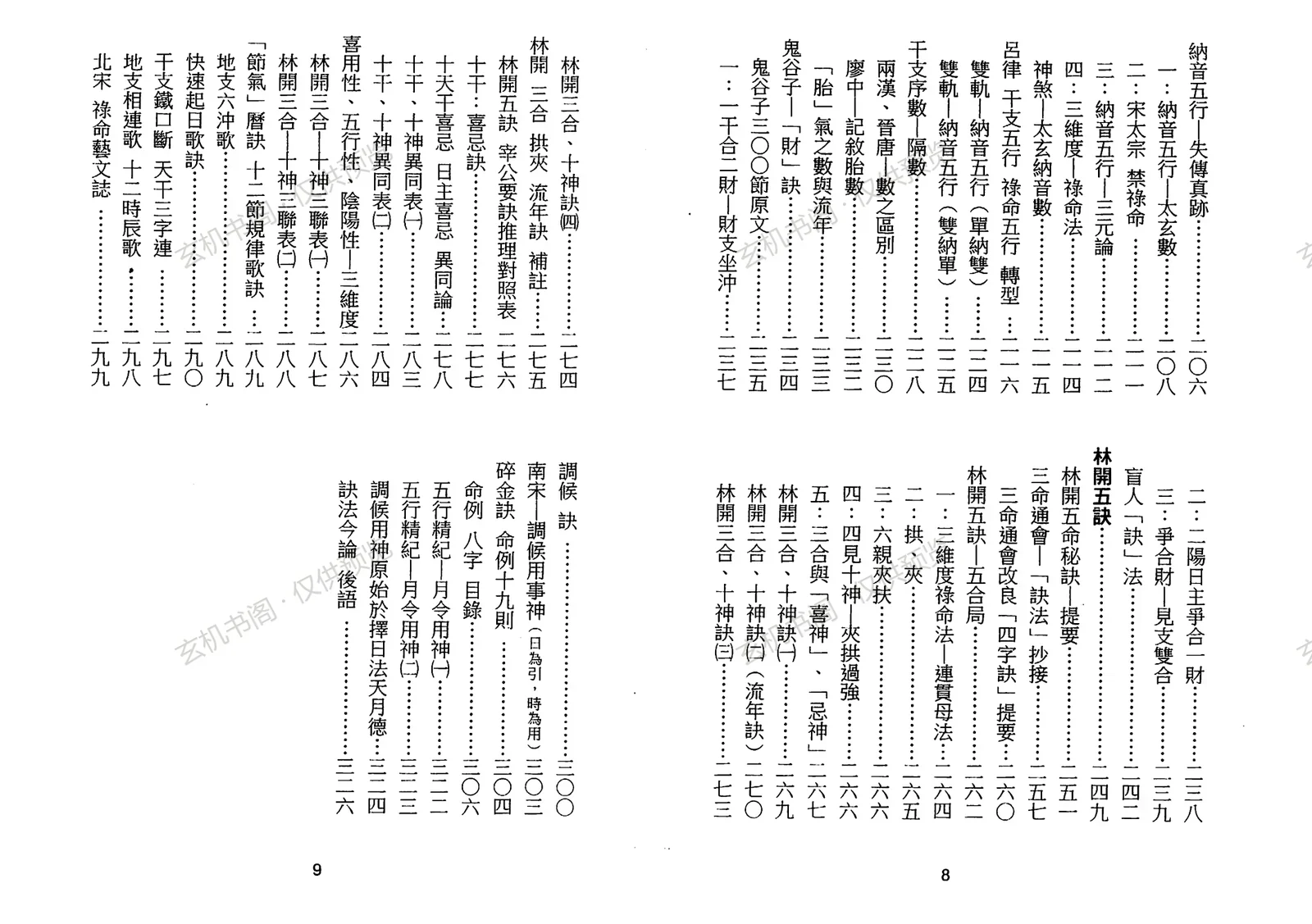
Contents
Preface: three major categories of formula methods and historical context
General discussion of the three-dimensional Day and Hour Ten Gods formulas
Detailed explanation of Day and Hour Ten Gods formulas (1)-(12)
Formation of formula methods and the convergence of fate and divination
Three major schools: replacing the Nayin system
Seasonal adjustment formulas and nineteen case studies
Excerpts and commentary on classical formula methods
Key Points
Uses 'formulas' as a thread connecting BaZi aphorism systems from the Southern Song to the Ming and Qing
Classifies historical formula methods into three major groups: Southern Song, Yuan, and Qing
Analyzes the imagery and auspicious/inauspicious judgments of Day and Hour Ten Gods formulas item by item
Cites historical events such as Emperor Taizong's ban on fortune-telling to explain the background of formula methods
Includes nineteen case studies and seasonal adjustment formulas, balancing theory and practice