Reading guide
Content guideOverview
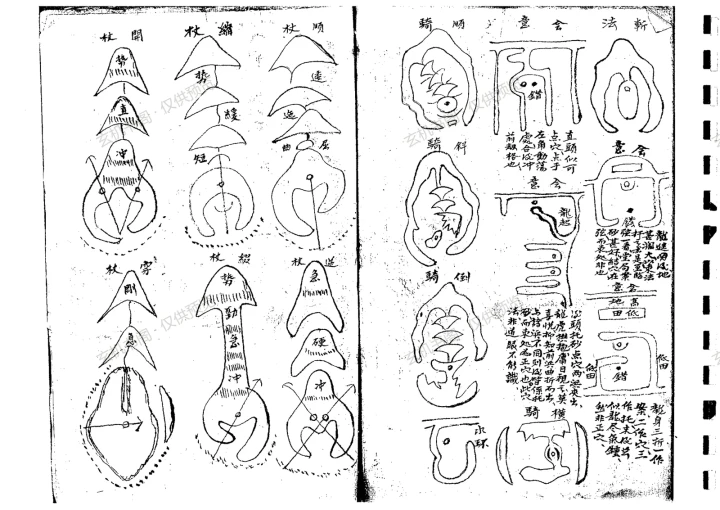
This book is a practical guide to yang-dwelling feng shui by researcher Wu Chang-yu, based on decades of study and teaching. The cover subtitle promises “fortune, wealth, and peaceful living,” stressing correct methods for assessing homes. It begins with the origins and meaning of feng shui, then moves into dragon-seeking in Taiwan, discussing mountains, water, dragon veins, and comparisons of regional feng shui. Later sections explain landform patterns through the Four Creatures—the main mountain, dragon and tiger sand, and facing mountains—before turning to the feng shui wisdom attributed to Lu Ban and to interior yang-dwelling issues. The table of contents also lists astronomy, geography, geology, meteorology, landscape studies, environmental studies, and ergonomics, showing an attempt to understand traditional feng shui through multiple disciplines. Diagrams, tables, and practical examples support judgments on doors, windows, bedrooms, stoves, shrines, and house shapes, with remedies for problematic layouts. It is suitable as an introductory reference and for on-site comparison.
Contents
Part 1: Dragon-seeking in Taiwan—origins, veins, and landscape patterns
Part 2: Reading layouts through the Four Creatures—main mountain, dragon/tiger sand, facing mountains
Part 3: Lu Ban’s feng shui wisdom—astronomy, geography, and other perspectives
General principles of yang dwellings and interior/exterior assessment
Placement and remedies for doors, windows, bedrooms, stoves, and shrines
Key Points
Uses Taiwanese landscapes to explain dragon-seeking and feng shui patterns.
Introduces landform assessment through the Four Creatures and dragon/tiger sand.
Relies on diagrams and tables for on-site interpretation.
Covers placement of doors, windows, bedrooms, stoves, and shrines.
Brings in astronomy, geology, and environmental studies as supporting perspectives.