Reading guide
Content guideOverview
Empirical Studies in Feng Shui (Kanyu) is a book on feng shui by Zeng Zinan. Based on the table of contents and the text, the book has two main parts. The first part attempts to reinterpret traditional feng shui theory from a modern scientific and mathematical perspective, including using algebraic powers (squares, cubes, sixth powers) to deduce the generation of the four images, eight trigrams, and sixty-four hexagrams. The second part returns to feng shui practice, discussing the Nine Stars, hexagram luck, and classic texts such as the Qingnang Jing and Tianyu Jing, as well as practical techniques like seeking dragons, identifying acupoints, and managing sand and water. The book also includes prefaces and the author's personal learning experiences, reflecting his effort to systematize and academicize feng shui. It is suitable for readers interested in traditional Chinese numerology, particularly feng shui and Yijing principles.
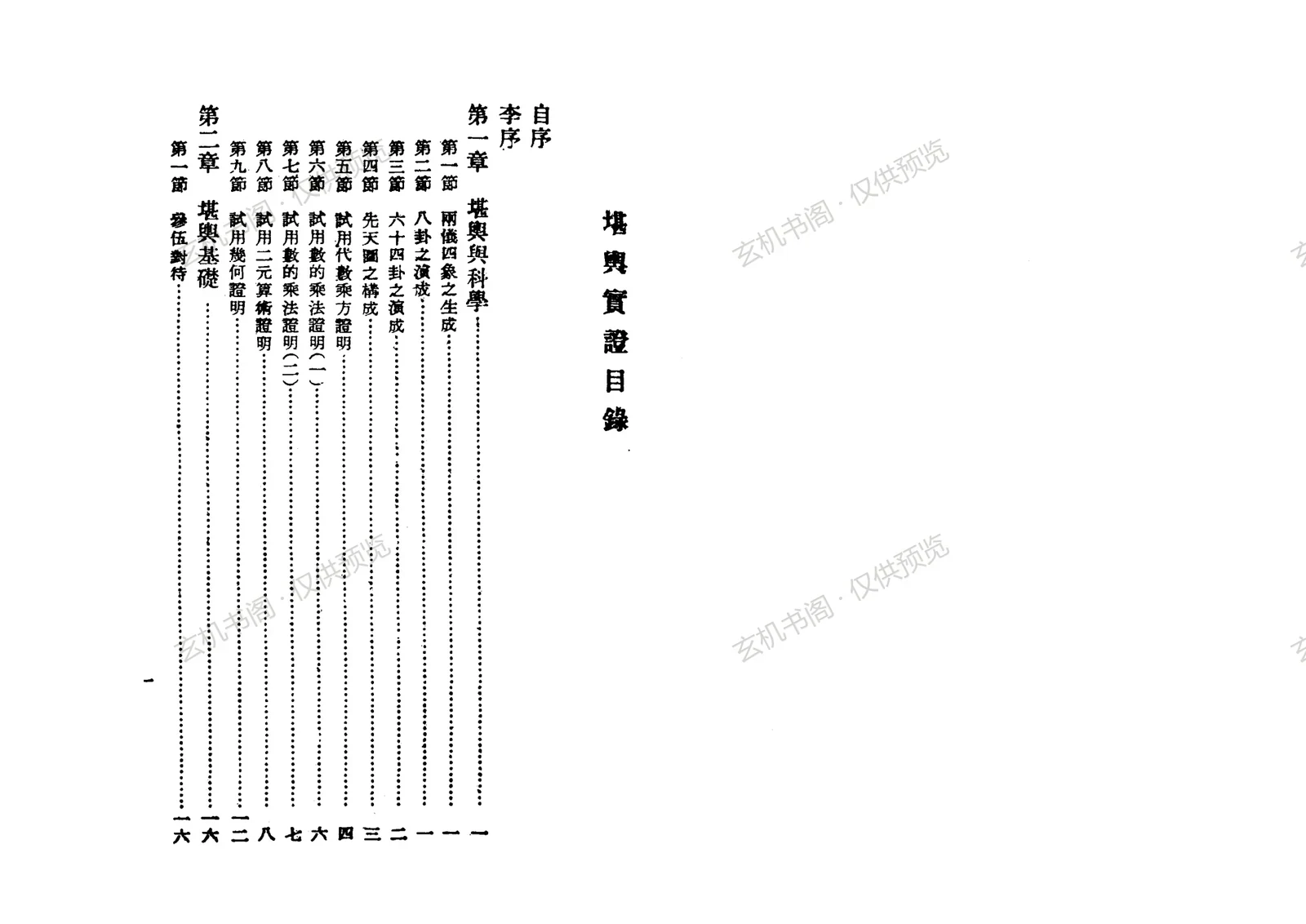
Contents
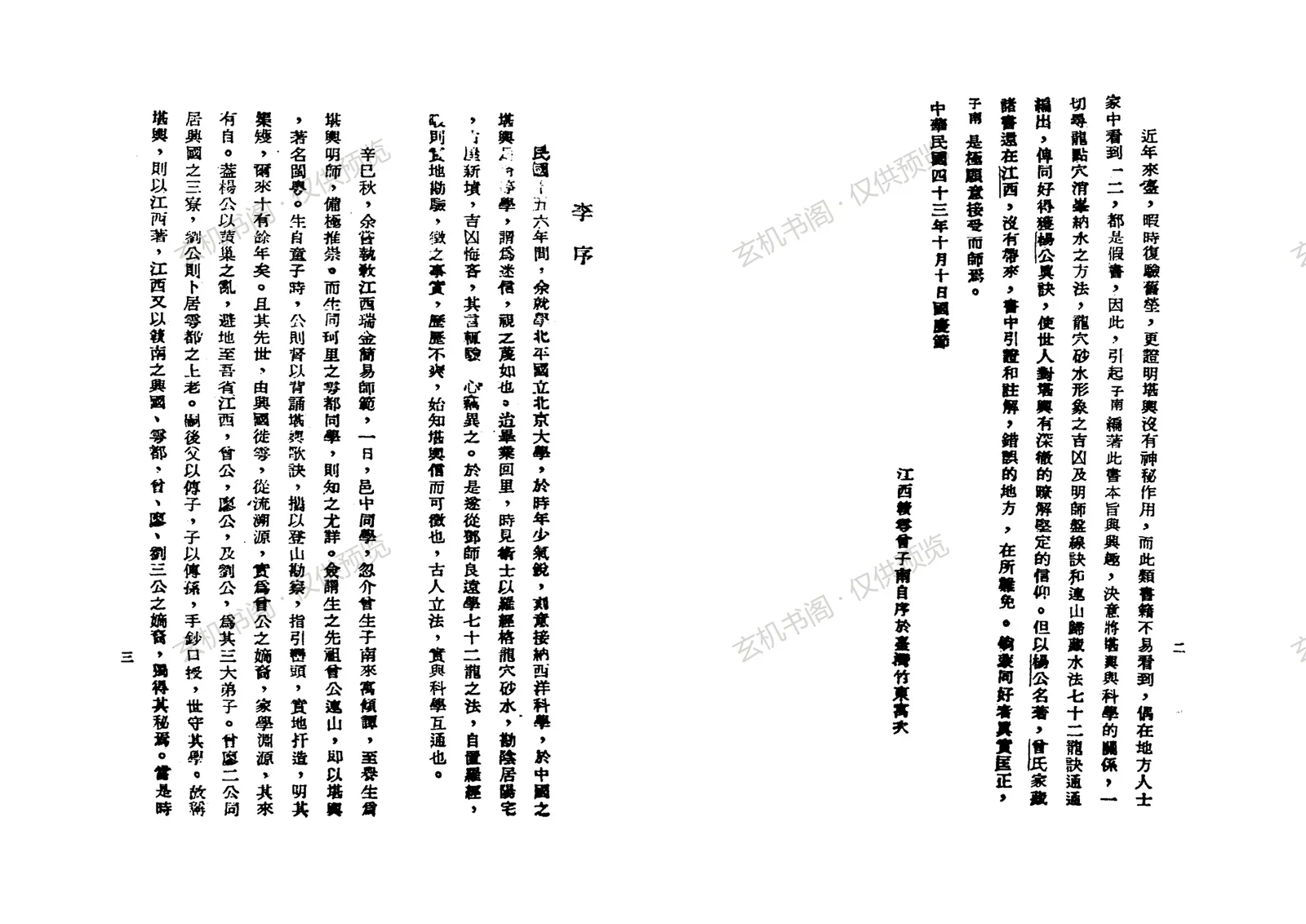
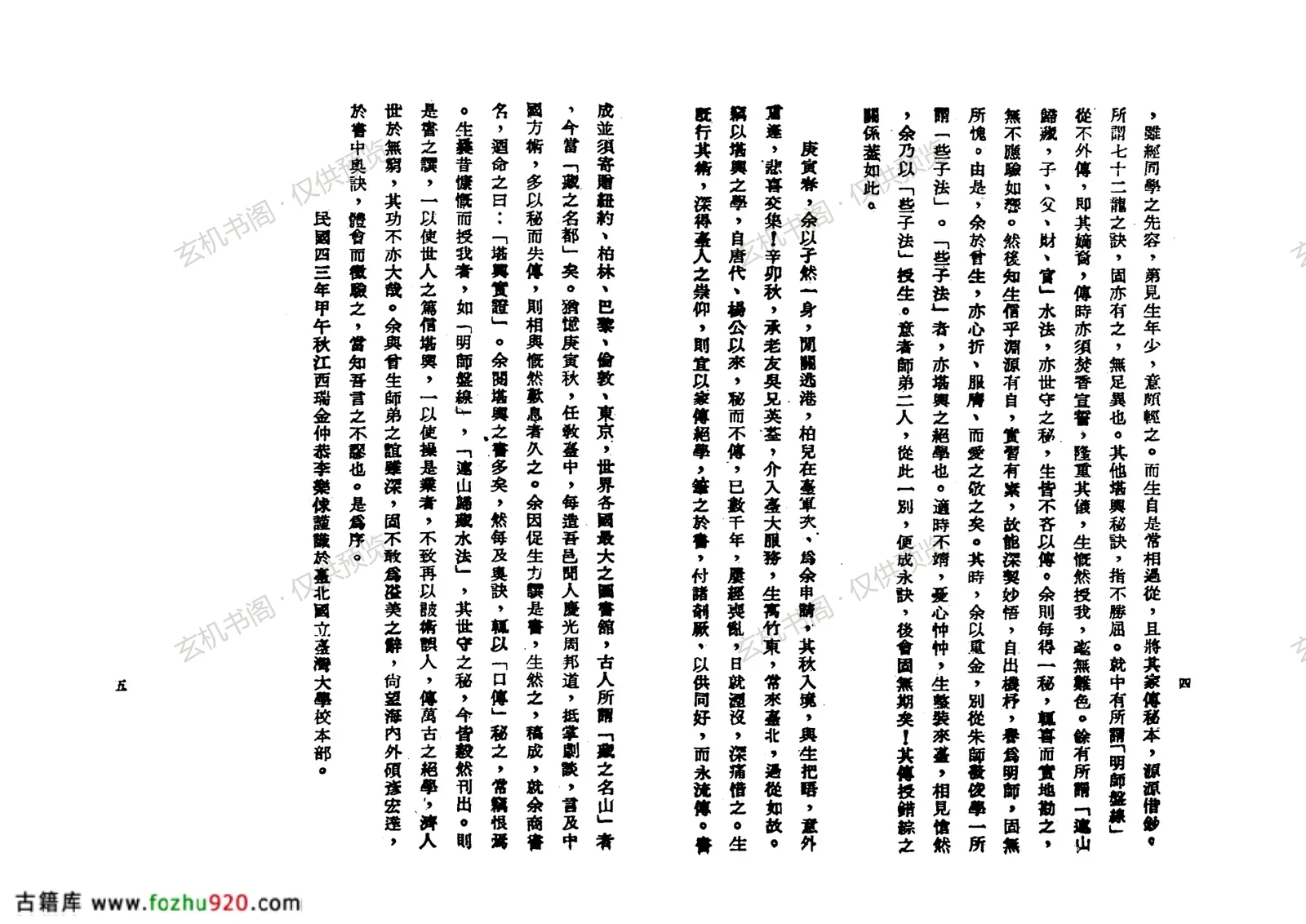
Preface and Li's Preface: The author's reasons for studying feng shui
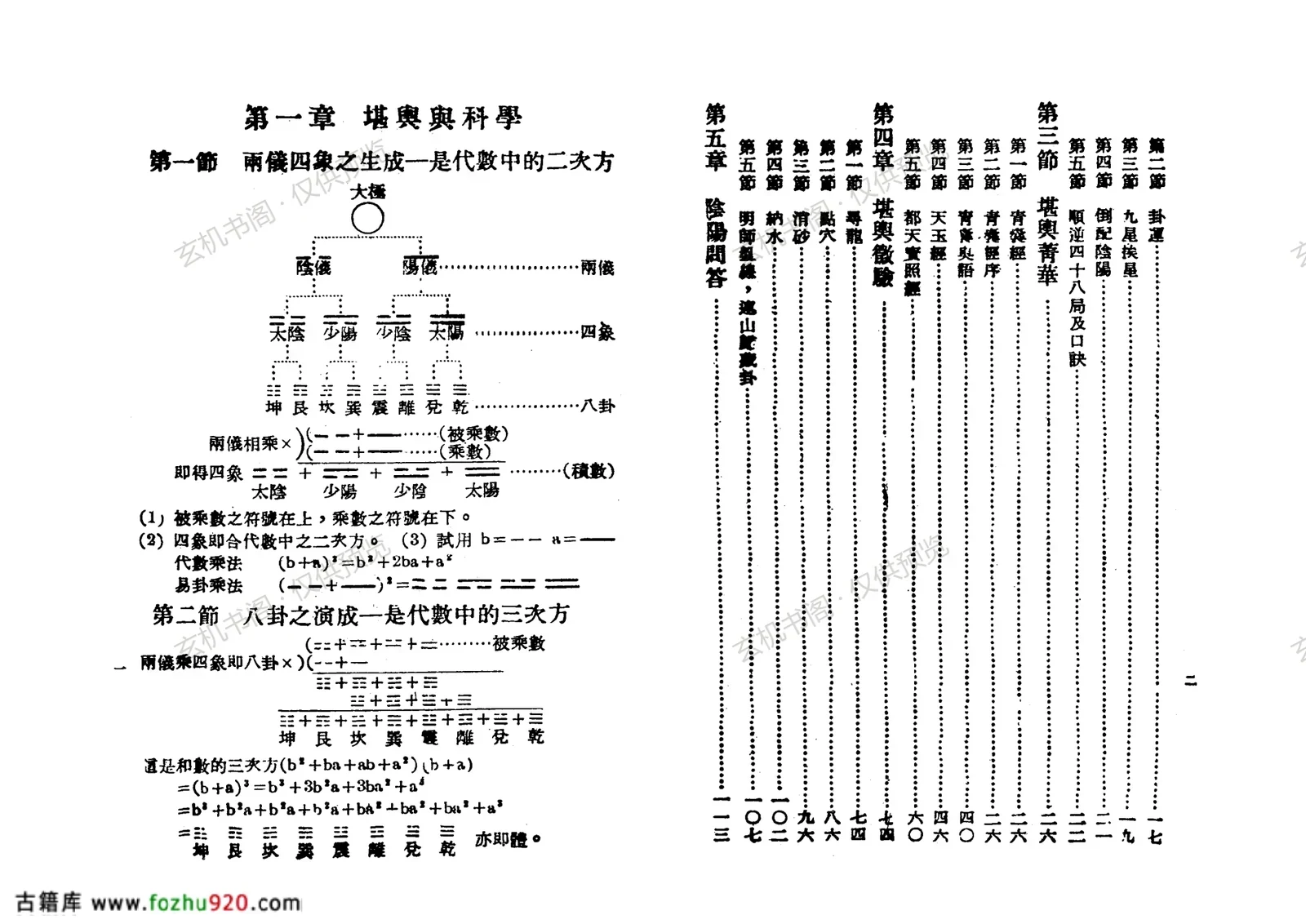
Chapter 1: Feng Shui and Science: Deducing images with algebra
Section 1: Generation of the four images (squares)
Section 2: Evolution of the eight trigrams (cubes)
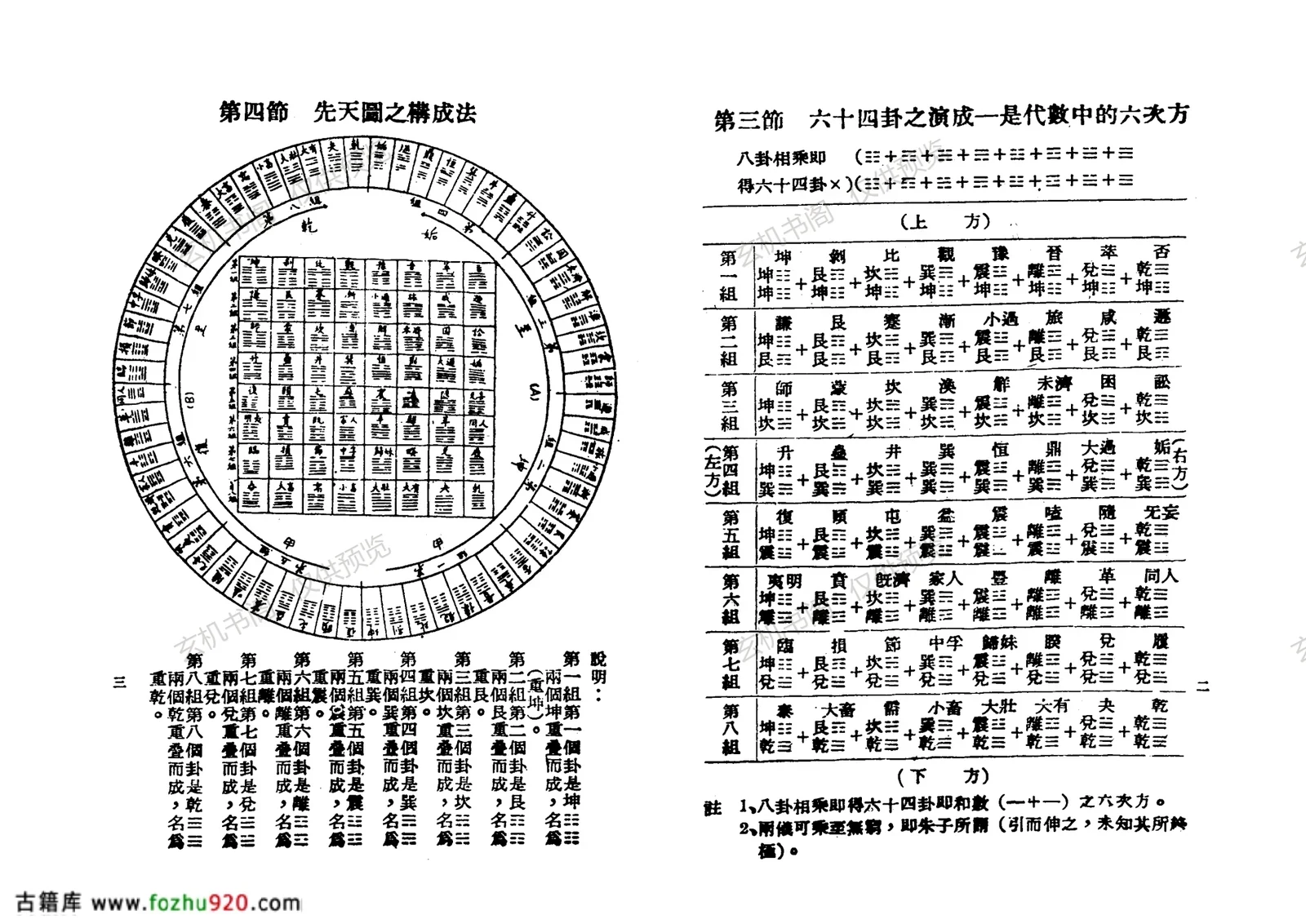
Section 3: Evolution of the 64 hexagrams (sixth powers)
Section 4: Formation of the Pre-Heaven diagram
Chapter 2: Sanhe and Nine Stars: Nine Stars, hexagram luck, and techniques
Key Points
Uses algebraic formulas to deduce the four images, eight trigrams, and 64 hexagrams
Argues that feng shui is a verifiable academic discipline, not superstition
Systematically discusses Sanhe, Nine Stars, hexagram luck, and classic texts
Records practical feng shui operations like seeking dragons, finding acupoints, and managing sand and water
Believes that misusing feng shui without understanding Yijing principles leads to disaster