Reading guide
Content guideOverview
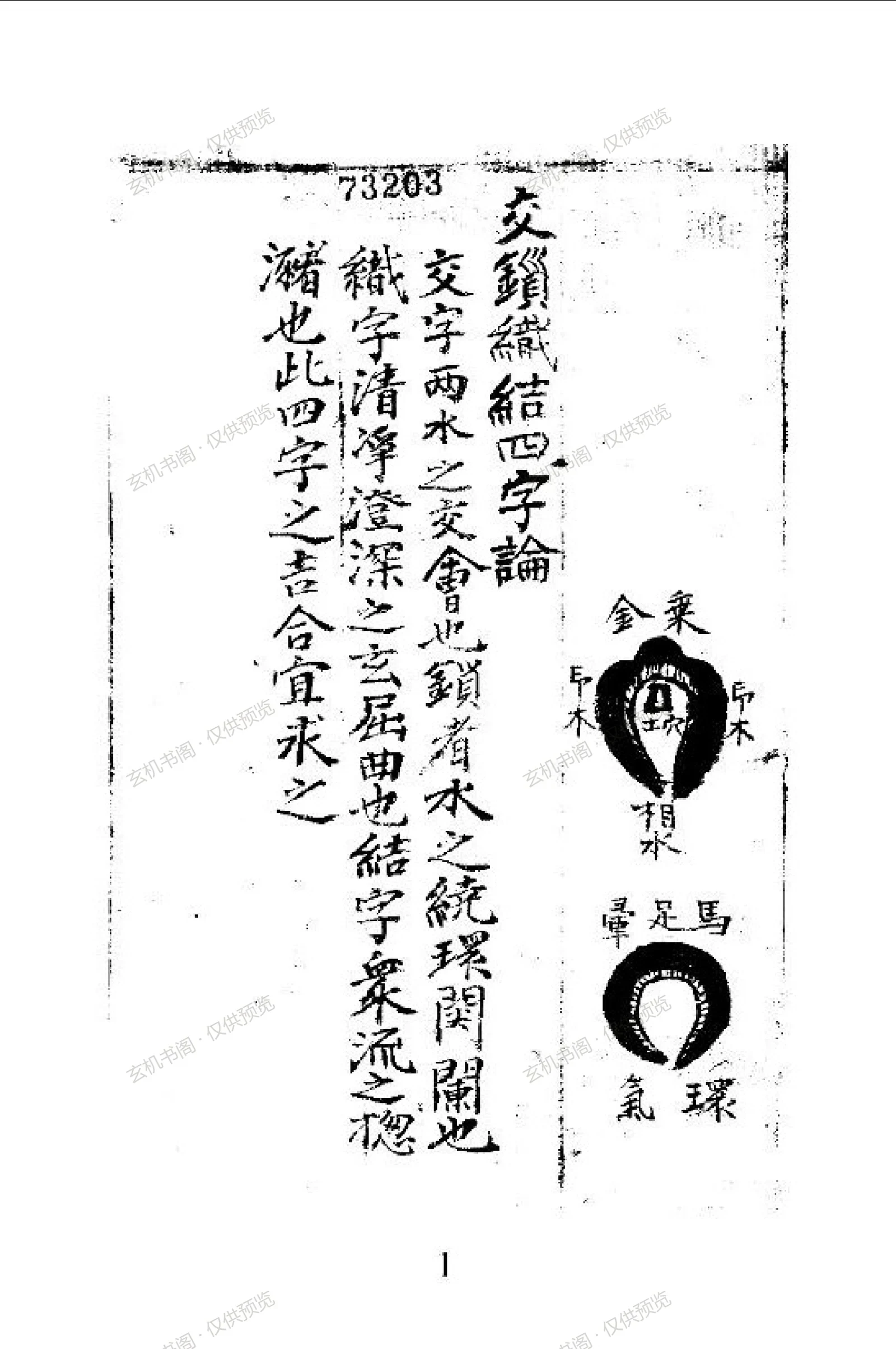
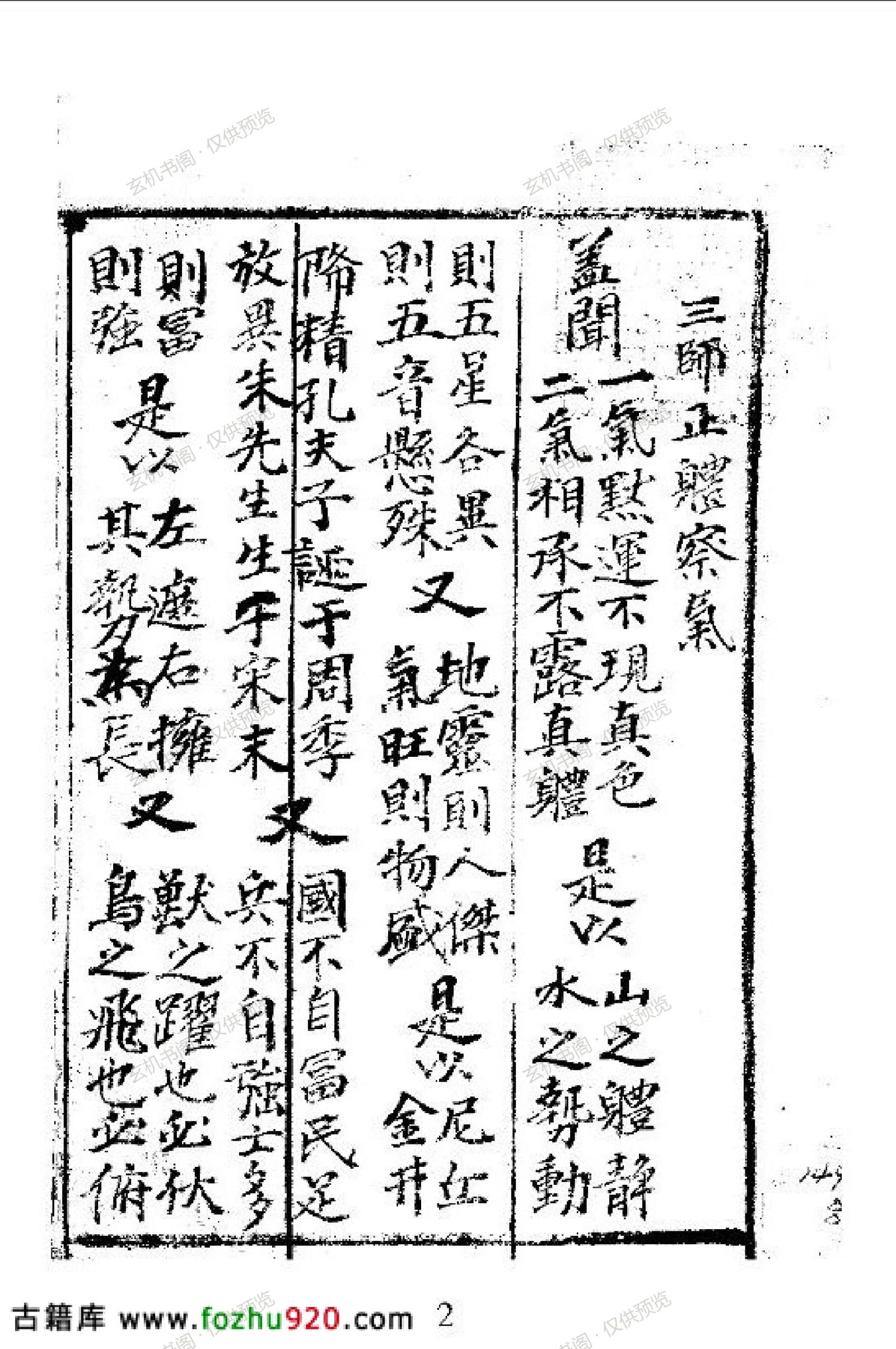
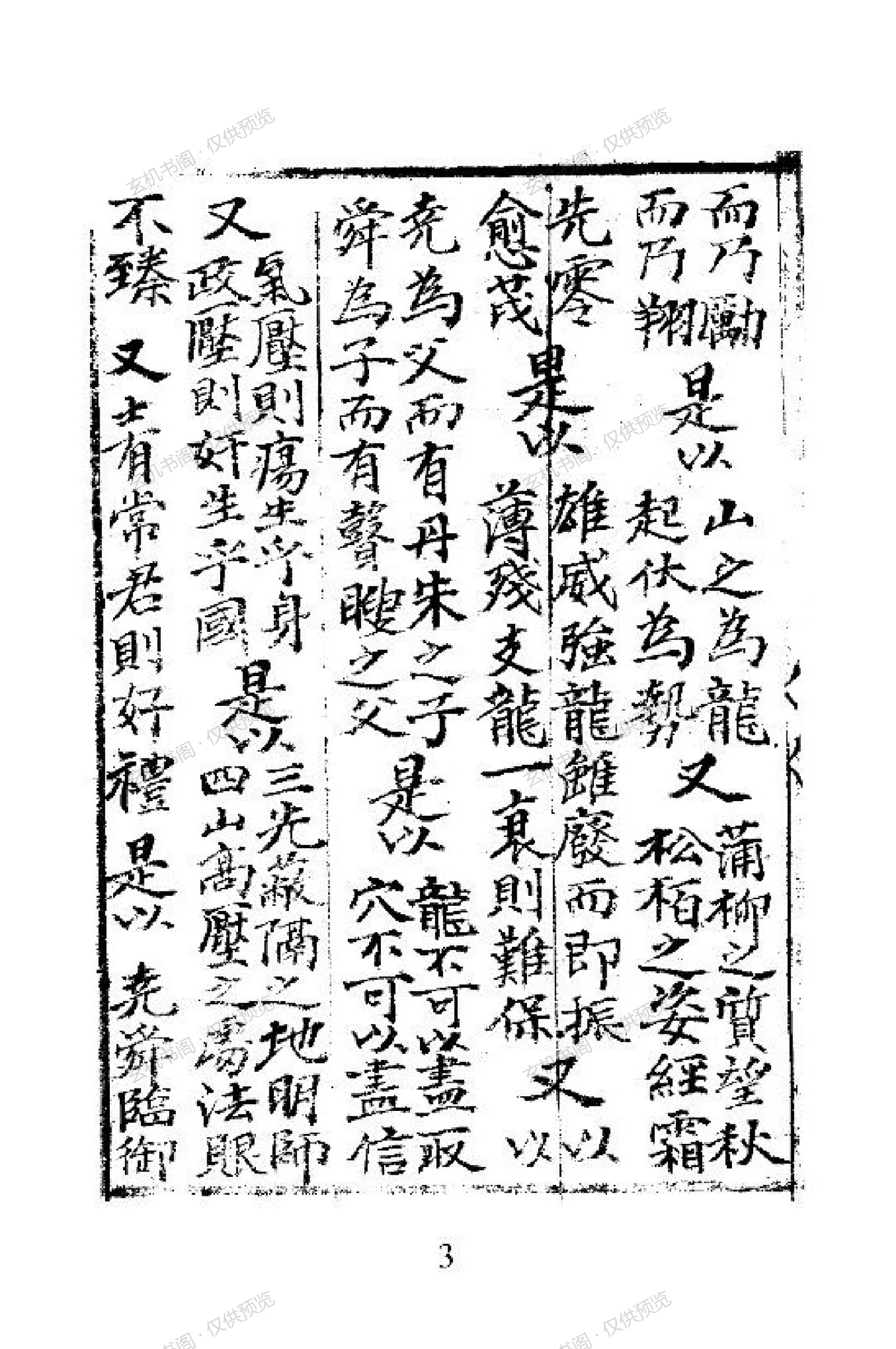
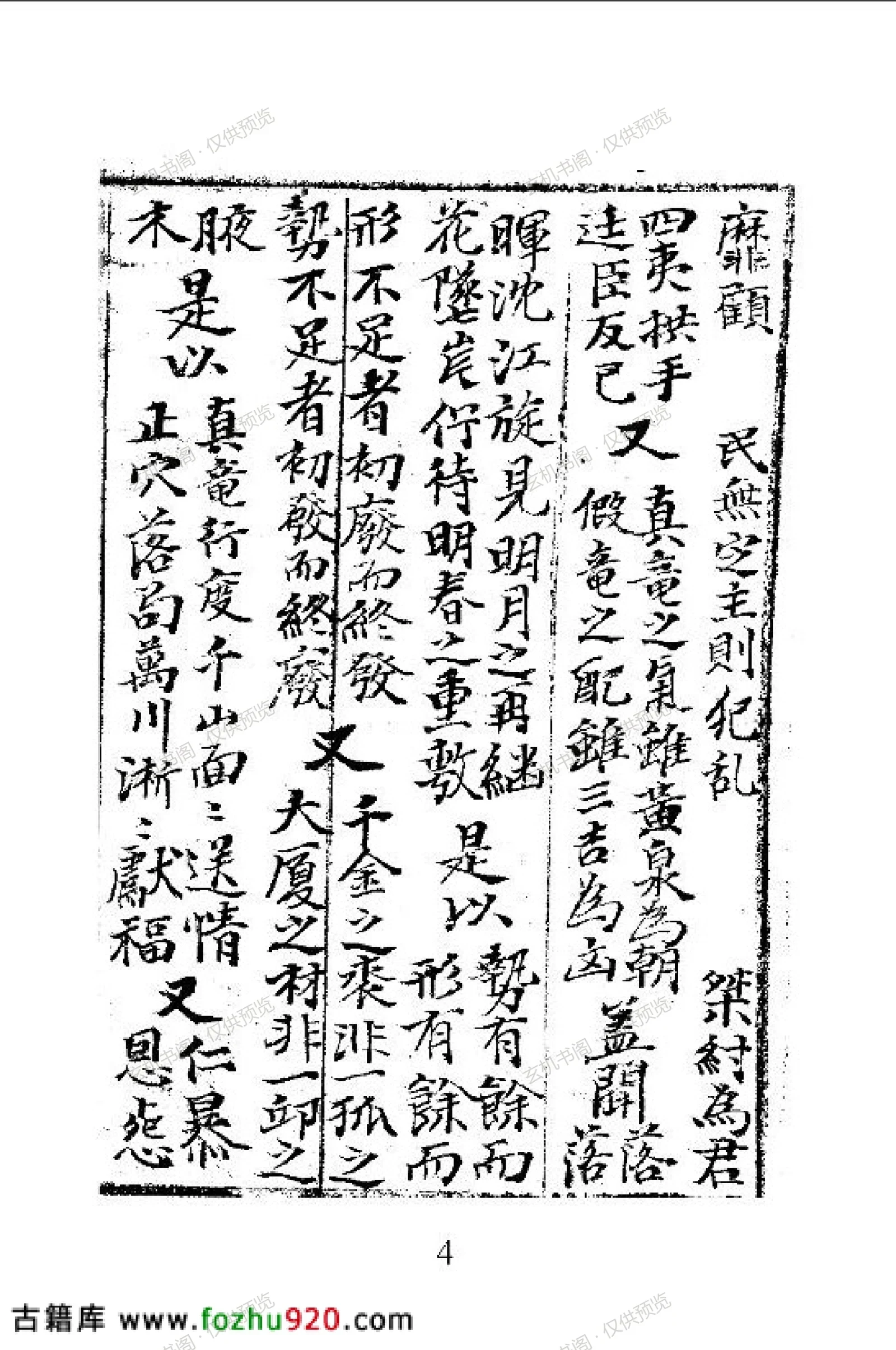
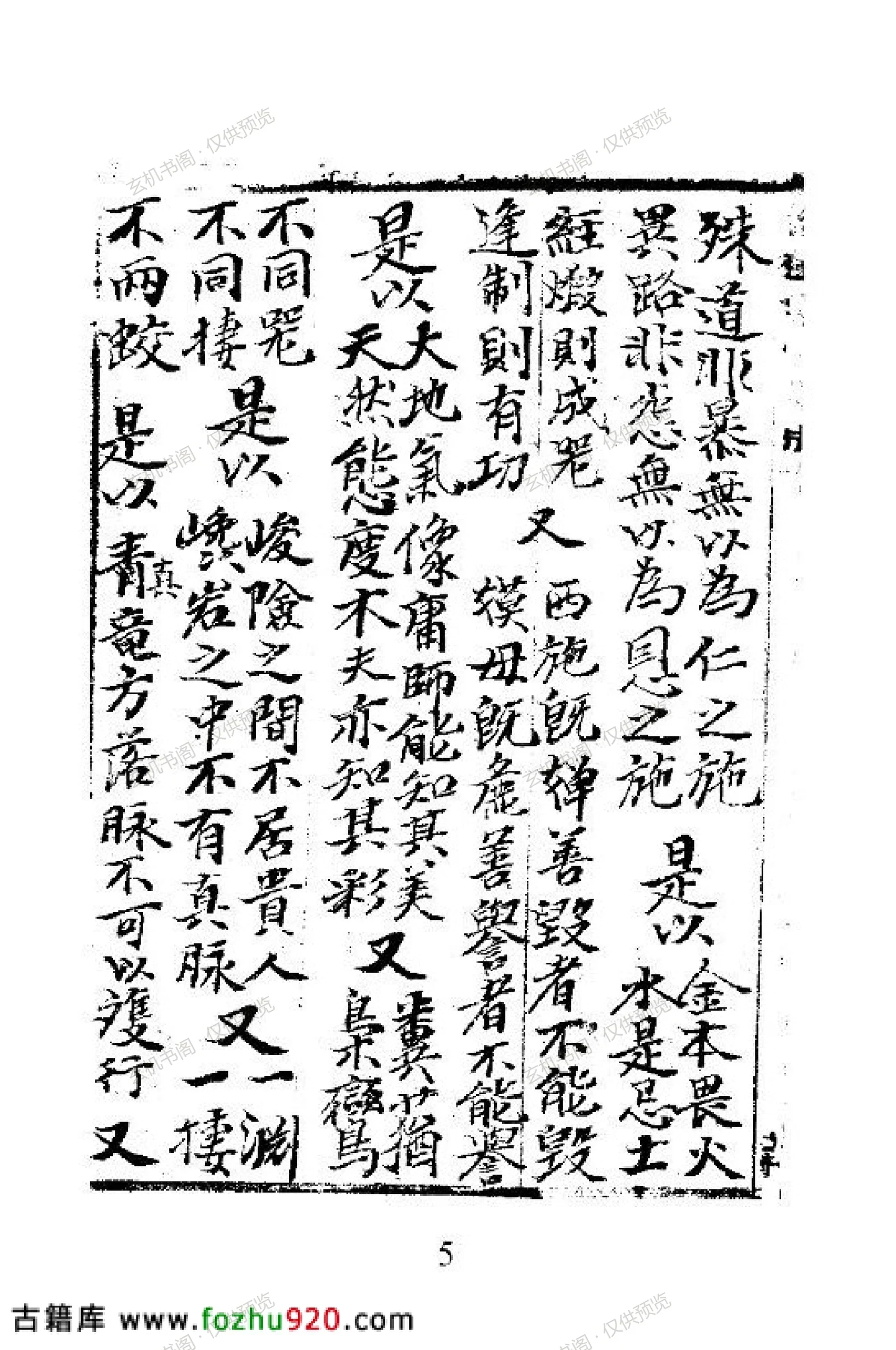
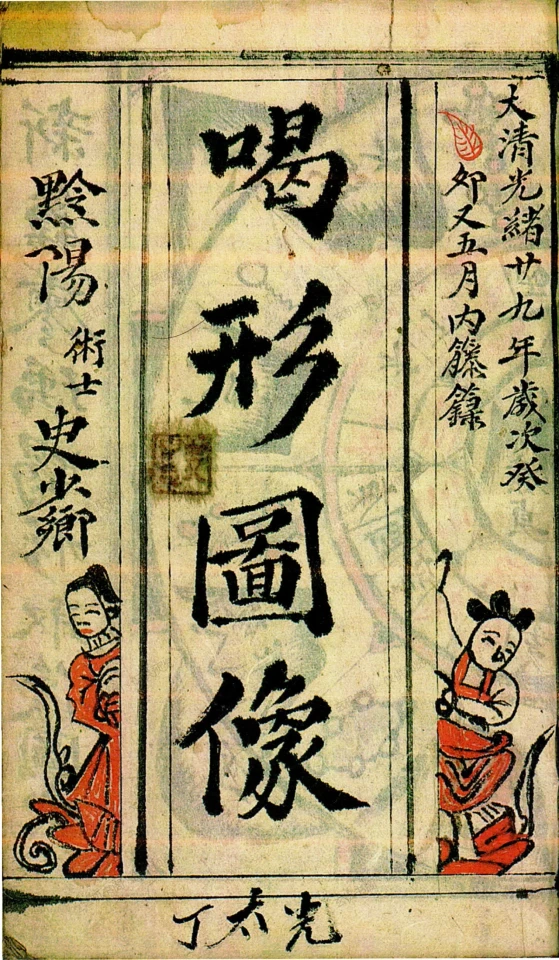
This is a Chinese-language kanyu (fengshui) text preserved in a Korean collection, titled Kanyu Zhenglun on the cover. The visible pages open with the 'Four-Character Discourse on Interlocking and Weaving', explaining how waters meet, lock and close around a site, with diagrams. The next section, 'The Three Masters' Orthodox Body and Qi Observation', begins from the subtle movement of one qi and the mutual support of two qi, discussing the Five Planets/Phases and how terrain influences the prosperity of things. Later pages continue on dragons rising and falling, strong and weak, broken and revived, stressing that true dragons and proper穴 spots must be judged by whether form and force are excessive or insufficient. The text frequently cites Confucius, Zhu Xi and the sage-kings as rhetorical parallels, showing how Korean-era kanyu literature blended Confucian moral language with form-school method. Overall it belongs to the xingshi (form) school, focusing on mountain qi, true and false dragon spots, and the interlocking of waters. This scan shows only six pages, with no table of contents or preface; author and date remain unverified.
Contents
Four-Character Discourse on Interlocking and Weaving: water meetings and locks
Three Masters' Orthodox Body and Qi Observation: one qi and two qi
On the Five Phases and the rise and fall of terrain
On dragons rising, falling, strong, weak, broken and revived
On true dragon movement and the descent of proper穴 spots
On excess and insufficiency of form and the truth of穴 spots
Key Points
Qi is the guiding concept; the four characters interlocking and weaving explain water locks and spot formation.
The 'Qi Observation' chapter links one qi, two qi and the Five Phases to terrain.
Dragons may rise, fall, weaken or break, yet can revive; discernment is essential.
True dragon movement and proper穴 descent depend on judging excess and insufficiency.