Reading guide
Content guideOverview
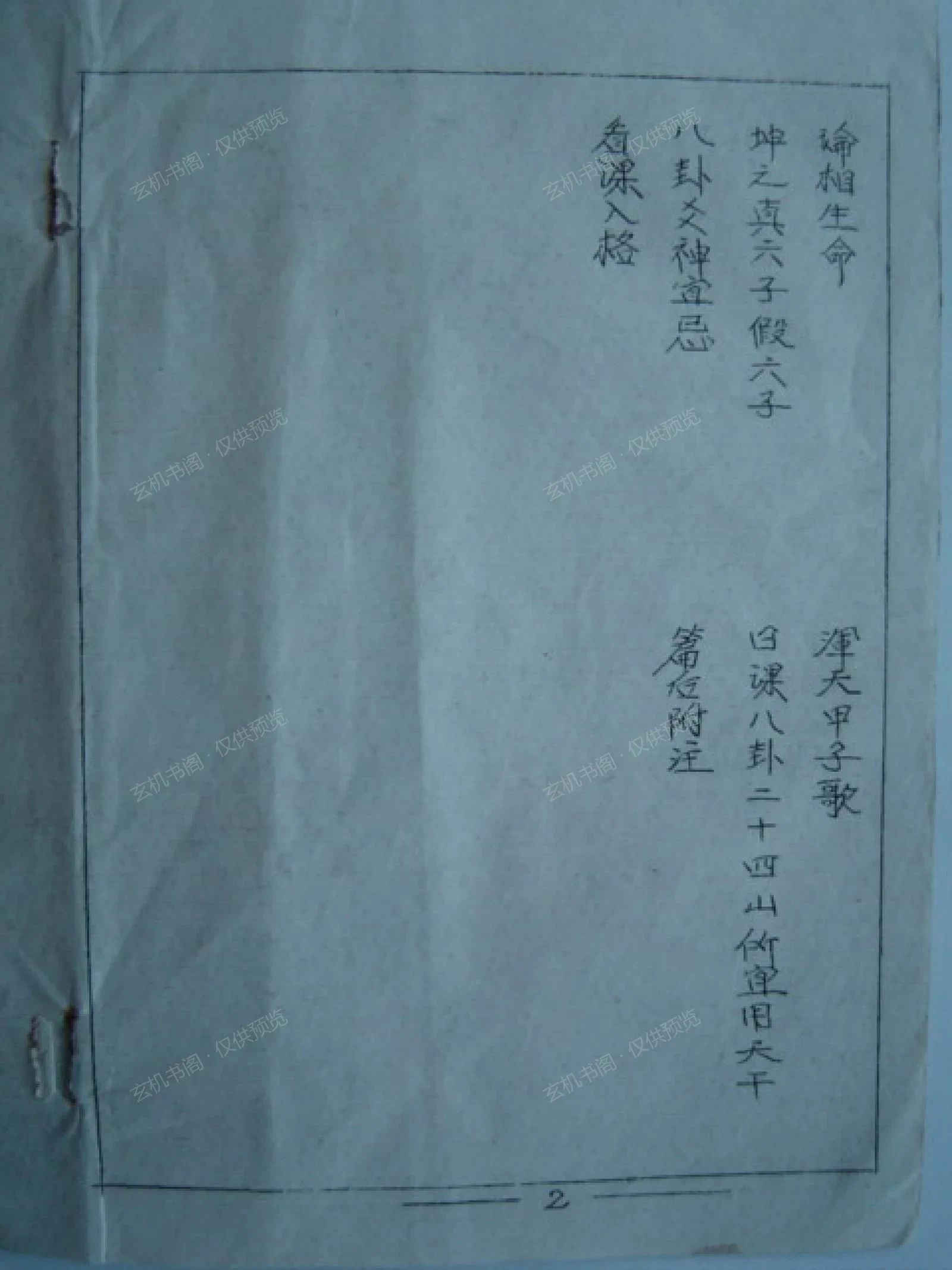
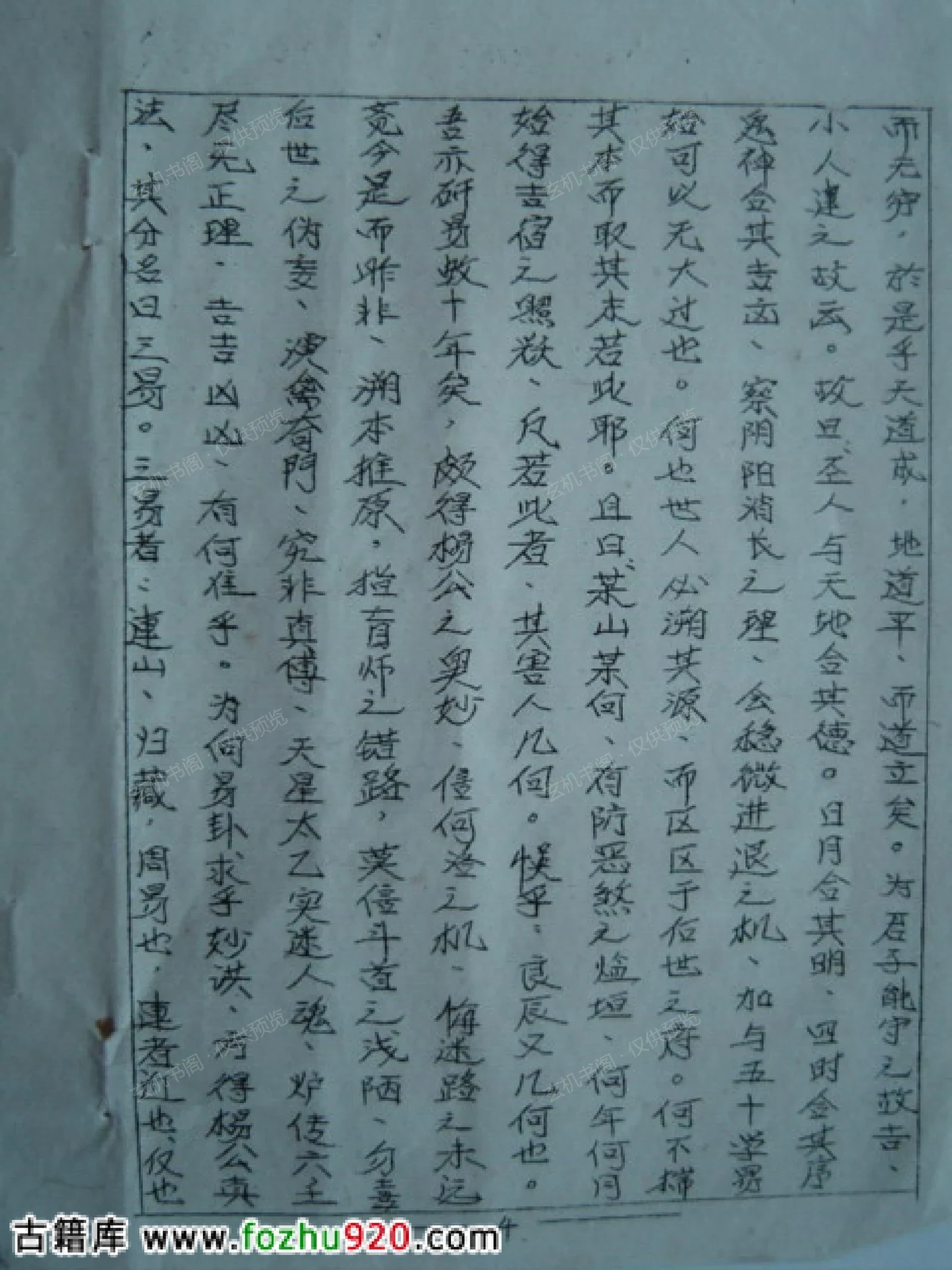
The cover reads Lianshan Guizang Three Yi Course Studies, marked as a corrected stone-print edition and published by Shanghai Jinzhang Book Bureau. The table of contents centers on the Three Yi, eight trigrams, and course studies: arranging trigrams with mountain orientations, trigram songs, a preface to the augmented primal trigram and line texts, discussions of trigram and line phrases, uses of trigrams and lines, yin-yang observation, uses of heavenly stems and earthly branches, and methods for wealth and offspring. It also lists the sixty-four hexagram song, trigram yin-yang, primal trigram explanations, male-female and husband-wife trigram pairings, hexagram-based date selection for tomb construction and repair, Zhouyi hexagram interpretation and course judgment, stove-making date courses, and date courses for repairing temples. The visible body text includes the trigram-mountain arrangement, trigram song, and the augmented primal trigram preface, showing a system that combines trigrams, mountain orientations, stems and branches, yin-yang, and hexagram-line meanings to discuss date selection and auspicious or inauspicious judgments. This stone-print divination book is suitable for readers studying Three Yi course studies, trigram-mountain matching, and traditional date-selection systems.
Contents
Arranging trigrams with mountain orientations and the trigram song
Preface to augmented primal trigrams and discussion of line texts
Uses of trigrams and lines; uses of stems and branches
Methods for wealth and offspring; sixty-four hexagram song
Hexagram-based date selection for tomb construction and repair
Zhouyi course judgment and stove-making date courses
Date courses for repairing temples and monasteries
Key Points
Treats Lianshan, Guizang, and Zhouyi together within a course-selection system.
Centers on matching trigrams to mountain orientations and stems-branches yin-yang.
Includes date courses for burial, tomb repair, stove-making, and temple repair.
Combines trigram-line discussions, use of trigrams, and case judgments.