Reading guide
Content guideOverview
Longtu Lunyi by Wu Jianfei is a monograph that interprets Chinese medicine through Yijing principles. The book is organized into six parts: origins of the author's family acupuncture tradition and case studies; an entry path through Sunzi Bingfa, Daodejing, and Yi-medicine启蒙; a section-by-section reading of the Huangdi Neijing, especially the yunqi chapters; a doctrinal section on worldview, yin-yang and five phases, visceral imagery, channels, the Yi dragon diagram, diagnosis, treatment, formulas, and cases; a disease section discussing hypertension, diabetes, chronic hepatitis, and depression; and closing reflections on the state of Chinese medicine. The author proposes correspondences between the six qi and the six child hexagrams, identifies ministerial fire with Zhen, and reinterprets the meaning of Liuwei Dihuang Wan.
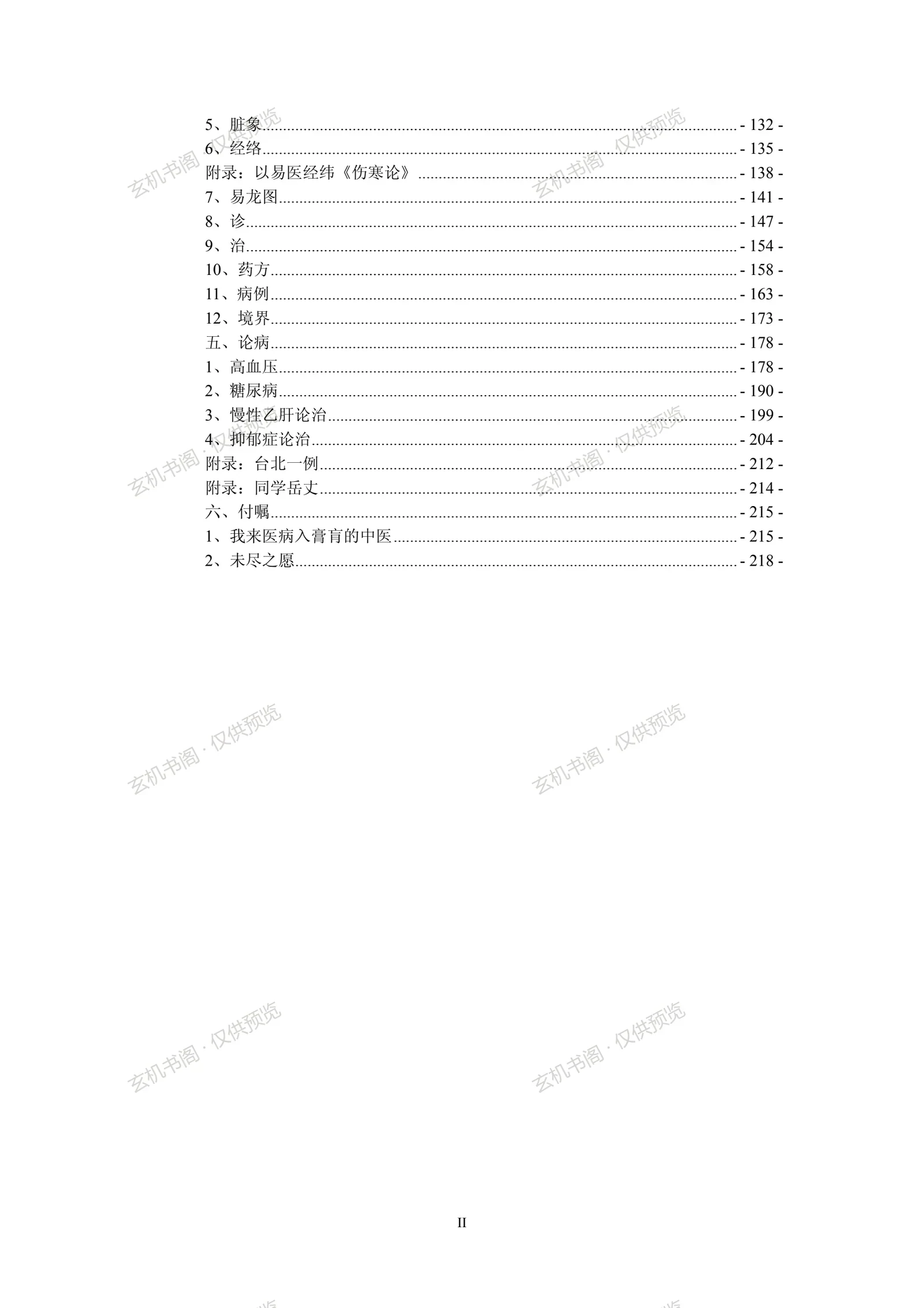
Contents
Origins: family acupuncture and cases of pneumonia and lupus
Entry path: Sunzi Bingfa, Daodejing, and Yi-medicine启蒙
Classics: reading the Huangdi Neijing yunqi and key chapters
Doctrine: yin-yang, five phases, viscera, channels, Yi dragon diagram, diagnosis and treatment
Diseases: hypertension, diabetes, hepatitis, depression
Closing: reflections on the state of Chinese medicine
Key Points
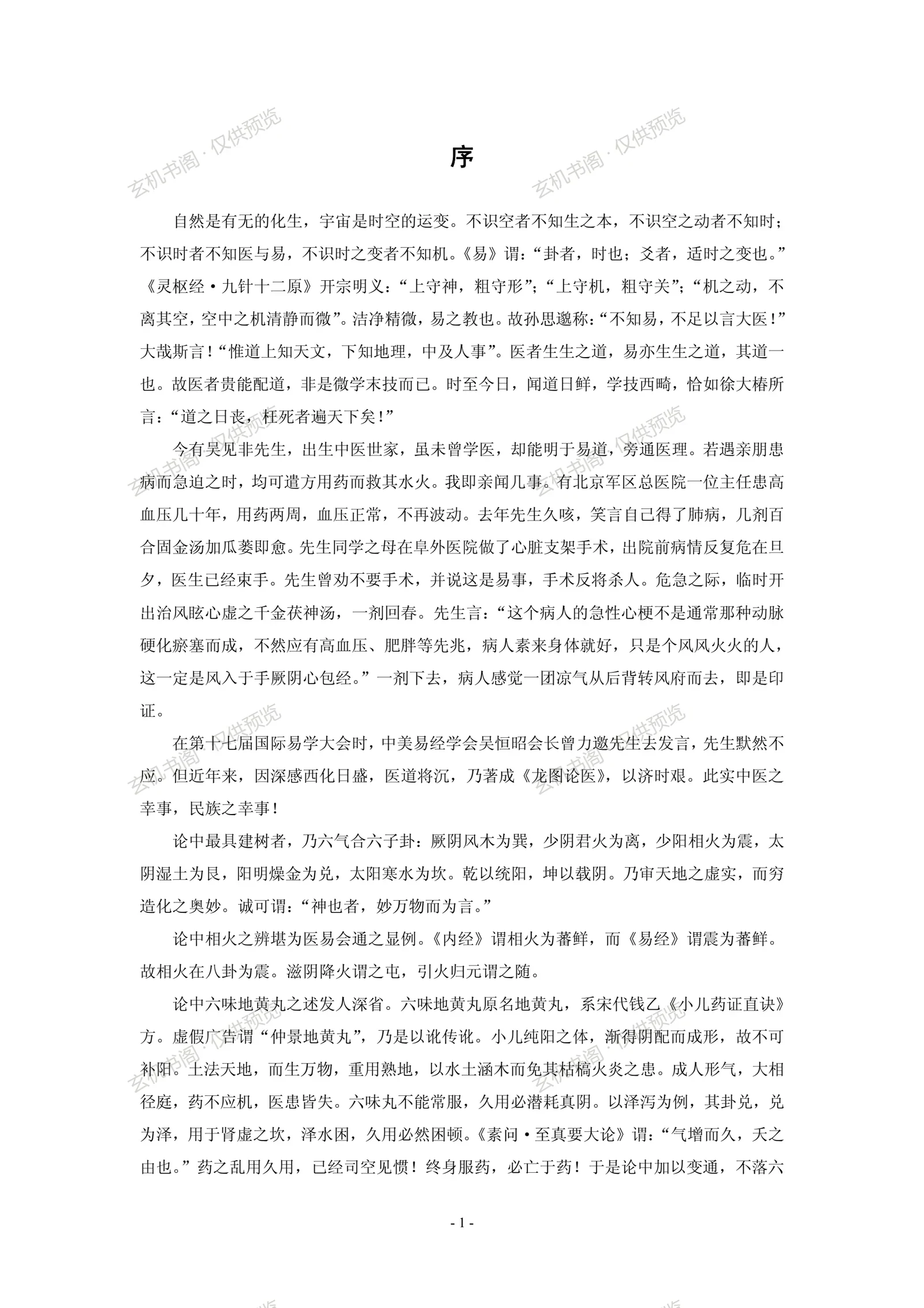
Maps the six qi to the six child hexagrams, e.g., jueyin wind-wood to Xun and shaoyin ruler-fire to Li
Holds that ministerial fire corresponds to Zhen, with Tun for descending fire and Sui for returning fire to its source
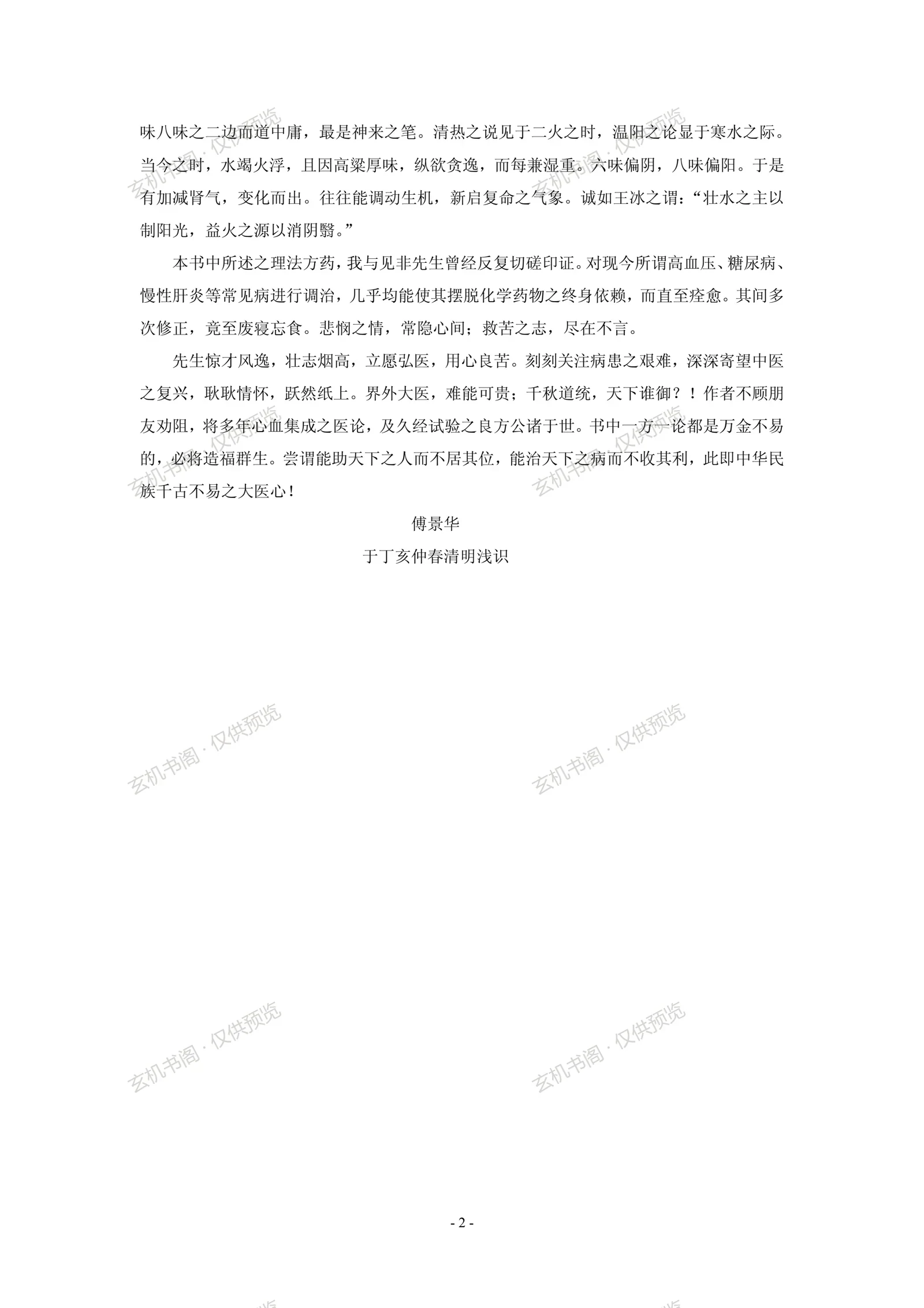
Reinterprets Liuwei Dihuang Wan, warning against prolonged routine use
Discusses clinical management of hypertension, diabetes, chronic hepatitis, and depression
Emphasizes acupuncture needling sensation and criticizes the loss of traditional technique