Reading guide
Content guideOverview
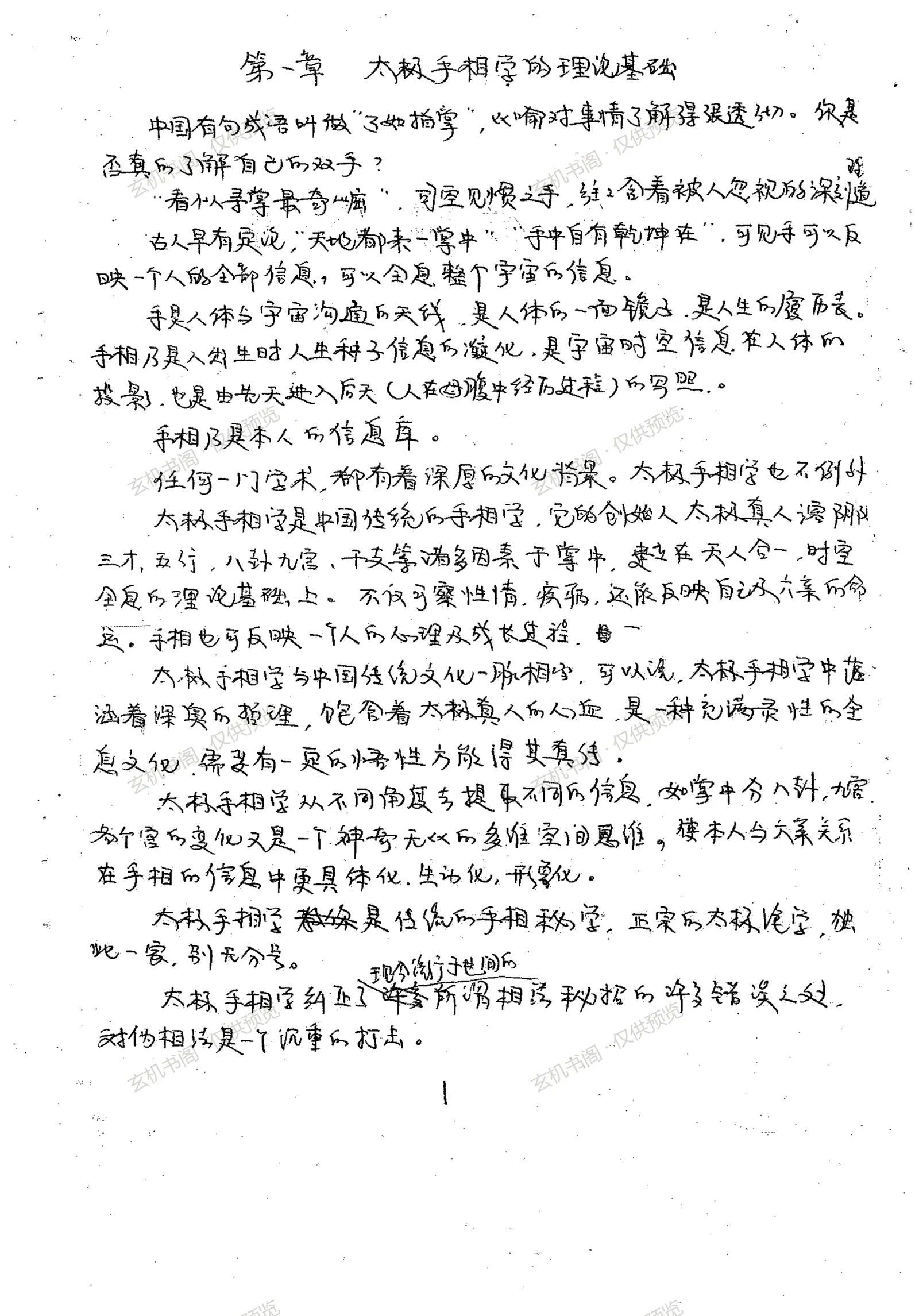
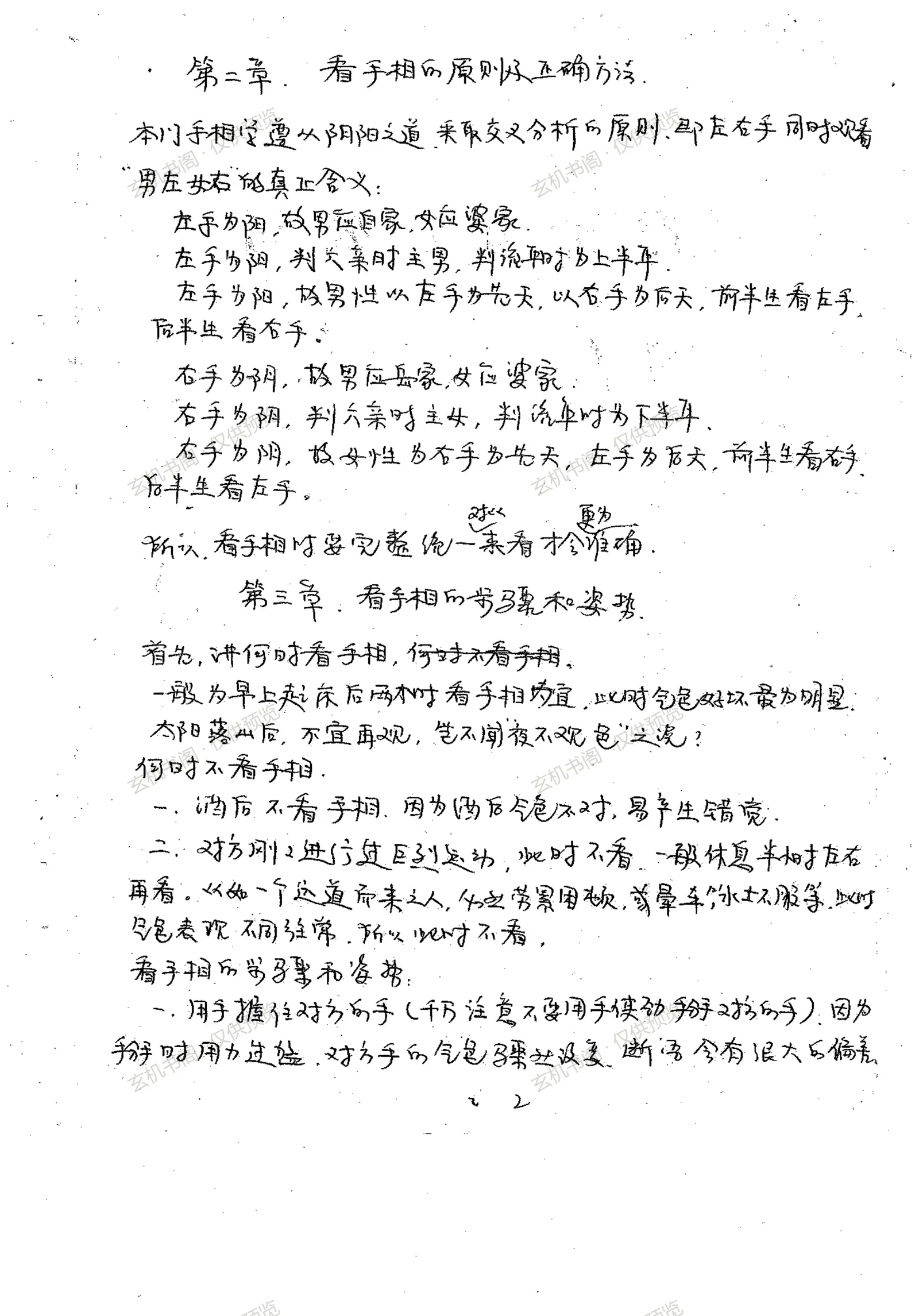
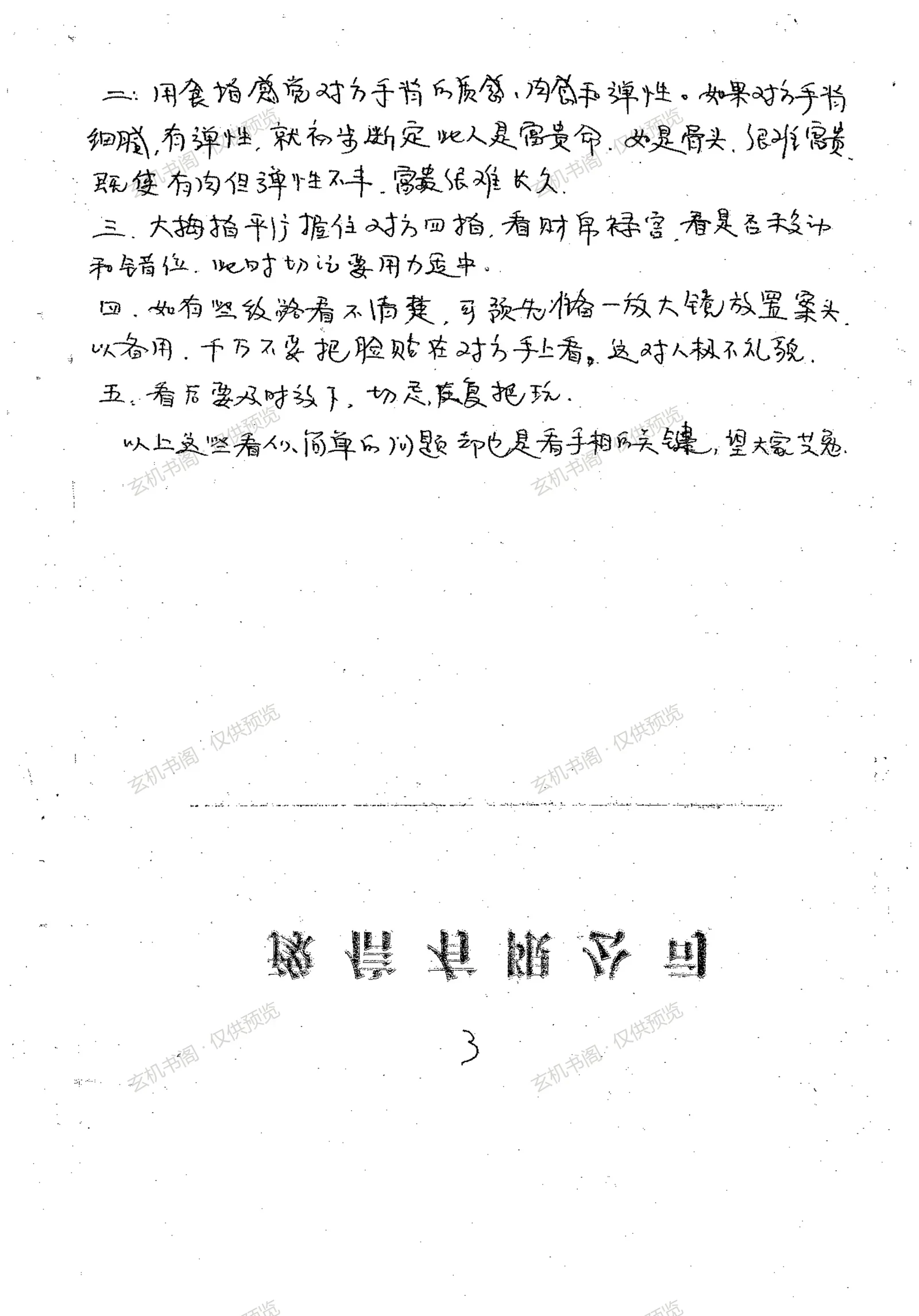
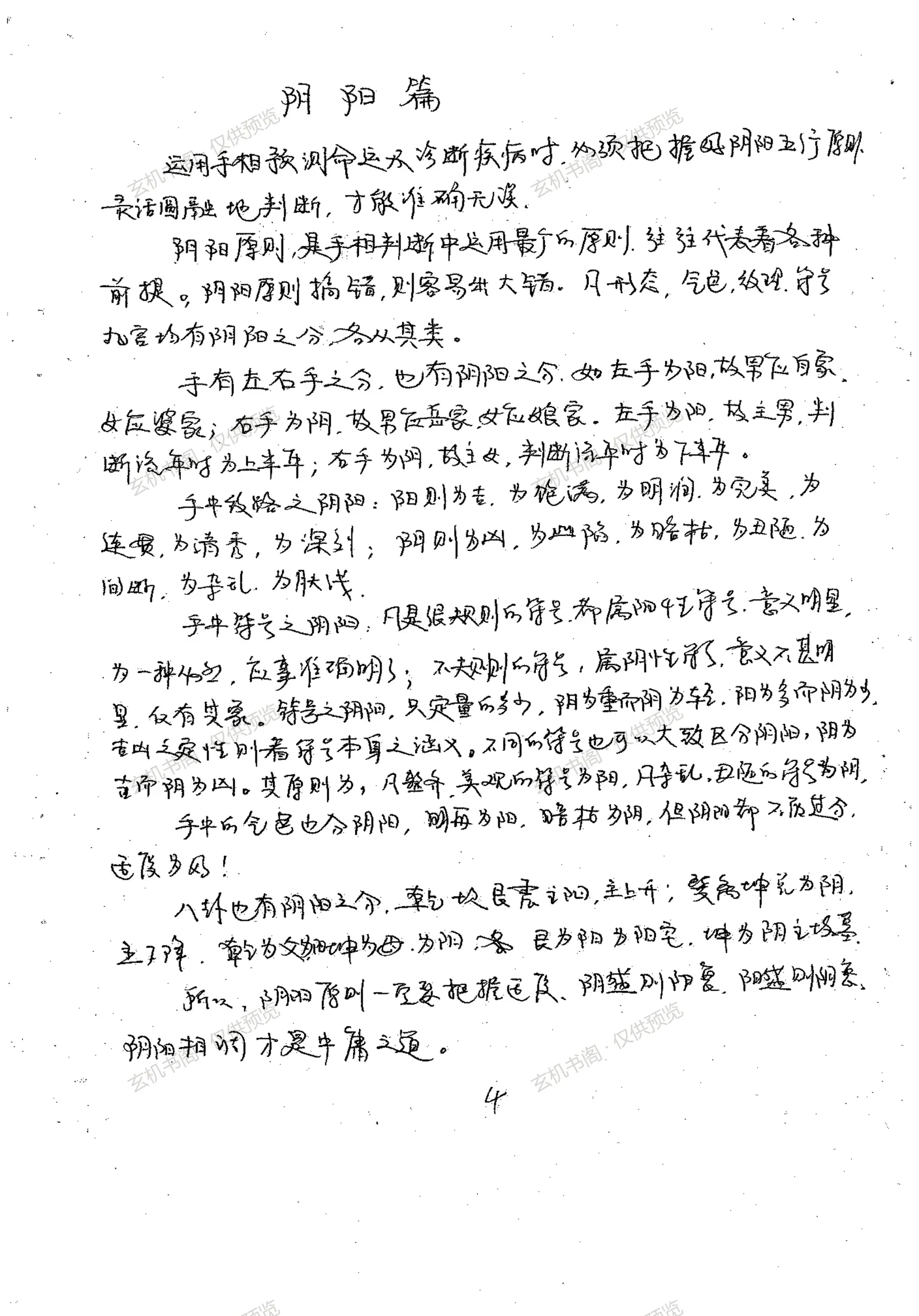
The cover reads Camel Physiognomy, with the subtitle 'also known as Taiji Physiognomy,' attributed to Sheng Shusheng. The visible text opens with the theoretical foundations of Taiji palmistry, describing the hand as an antenna linking the body and the cosmos and as a record of innate information entering postnatal life. It grounds the method in yin-yang, the Three Powers, Five Phases, Eight Trigrams and Nine Palaces, and the sexagenary cycle. The second chapter discusses reading principles and correct methods, using left and right hands as yin and yang and analyzing them in alternation for men and women. The third chapter covers the steps and posture of palm reading, including when to read and when not to, how firmly to hold the hand, using the index finger to sense the back of the hand, holding the four fingers parallel to examine the wealth palace, and using a magnifying glass. A later section, the 'Yin-Yang Chapter,' treats yin-yang principles in judging palm lines, symbols, complexion, and trigram positions. The final visible page is a chart of auspicious and inauspicious palm symbols with drawings and names. The book is a short, practice-oriented manual of palmistry.
Contents
Chapter 1: Theoretical foundations of Taiji palmistry
Chapter 2: Principles and correct methods of palm reading
Chapter 3: Steps and posture for palm reading
Yin-Yang Chapter: Yin-yang principles in palm judgment
Palm symbol chart: auspicious and inauspicious signs
Key Points
Uses Taiji yin-yang as the overarching framework for left and right hands, palm lines, complexion, and trigrams.
Stresses cross-analysis of both hands; the male-left female-right rule is not absolute and must be combined with innate/postnatal and early/late life.
Gives concrete reading steps and posture: grip strength, sensing the back of the hand, examining the wealth palace, and using a magnifying glass.
Lists drawn auspicious and inauspicious palm symbols such as jade steps, 'pin' shape, seal pattern, triangle, well pattern, and island lines.
Warns against reading palms after drinking, strenuous exercise, or fatigue, since complexion and qi may be distorted.