Reading guide
Content guideOverview
This volume, part of the Yijing Fengshui Layout Secret Guide series, presents the Plum Blossom Numerology (Meihua Yishu) tradition. It opens with a preface attributed to Huang Zongxi recounting Shao Yong's legendary acquisition of a divination text and his famous plum-blossom and sparrow omen, then discusses the distinction between prenatal and postnatal numbers. Volume One covers image-number theory: hexagram numbers, five-phase generation and overcoming, eight-palace correspondences, seasonal strength of hexagrams, heavenly stems, earthly branches, and hexagram imagery, followed by casting methods based on date and time, objects, sounds, characters, measurements, and observations of people, animals, and still objects. Volume Two addresses body-use generation and overcoming, including the heart-mind divination essentials, prenatal and postnatal theory, and eighteen categories of judgment such as weather, human affairs, household, marriage, childbirth, food, seeking employment, fame, wealth, trade, travel, visitors, meetings, lost items, illness, lawsuits, and graves. It also includes the Three Essentials and Ten Responses teachings on timing and omens. Volume Three covers judgment essentials, hexagram directions, yin-yang order, changing hexagrams, and body-use mutual transformation. The work emphasizes practical casting and judgment and suits readers with basic Yijing knowledge.
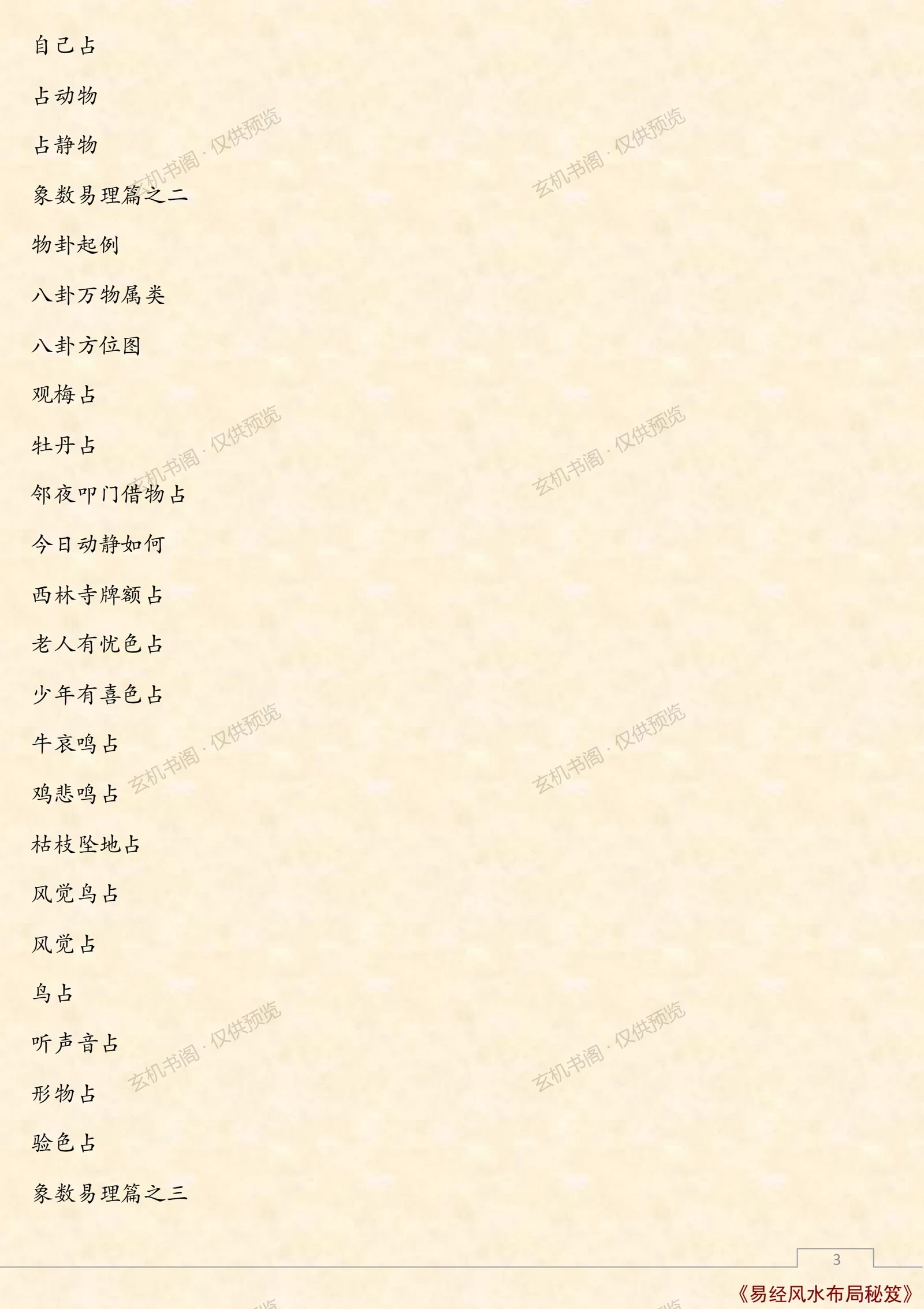
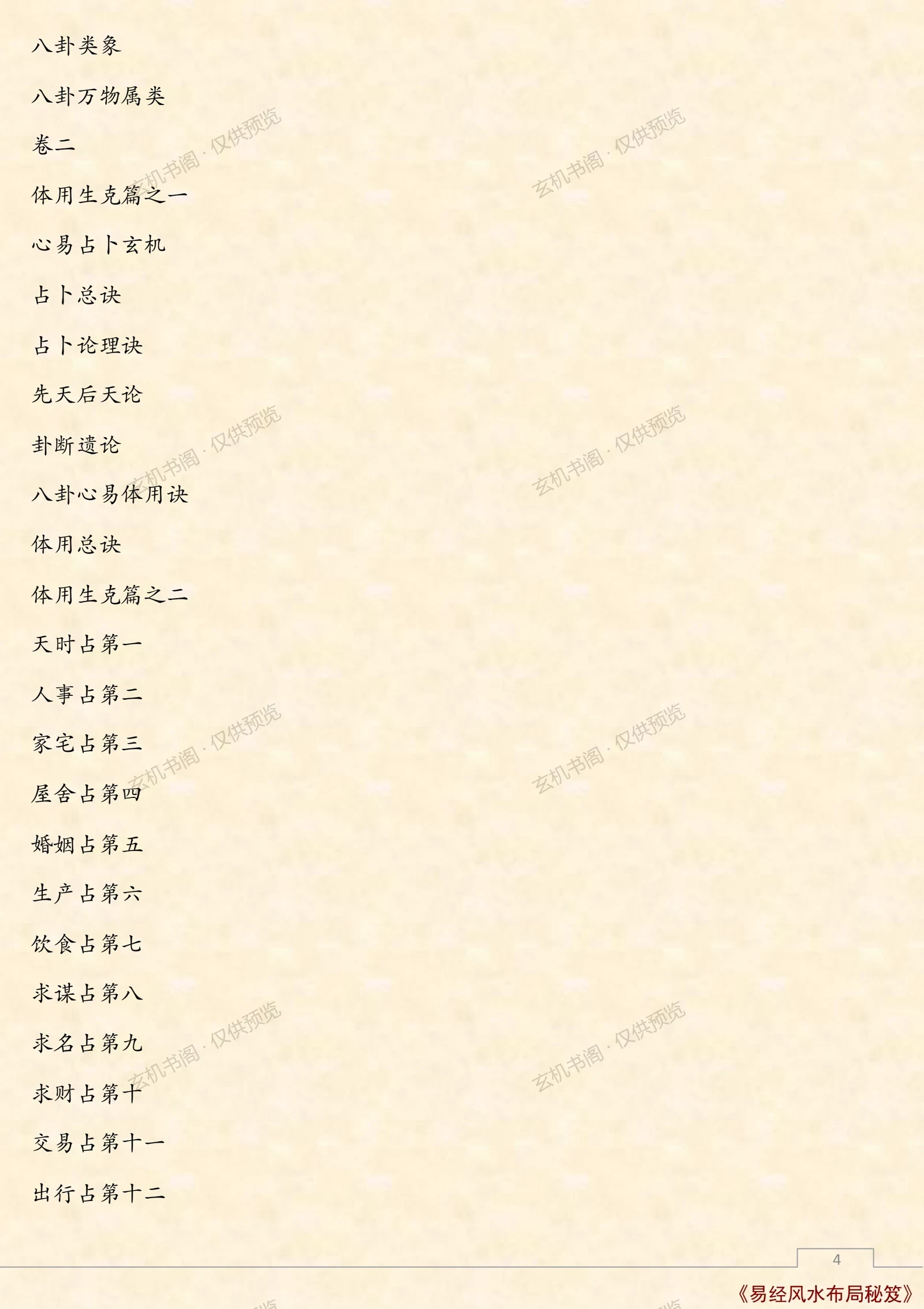
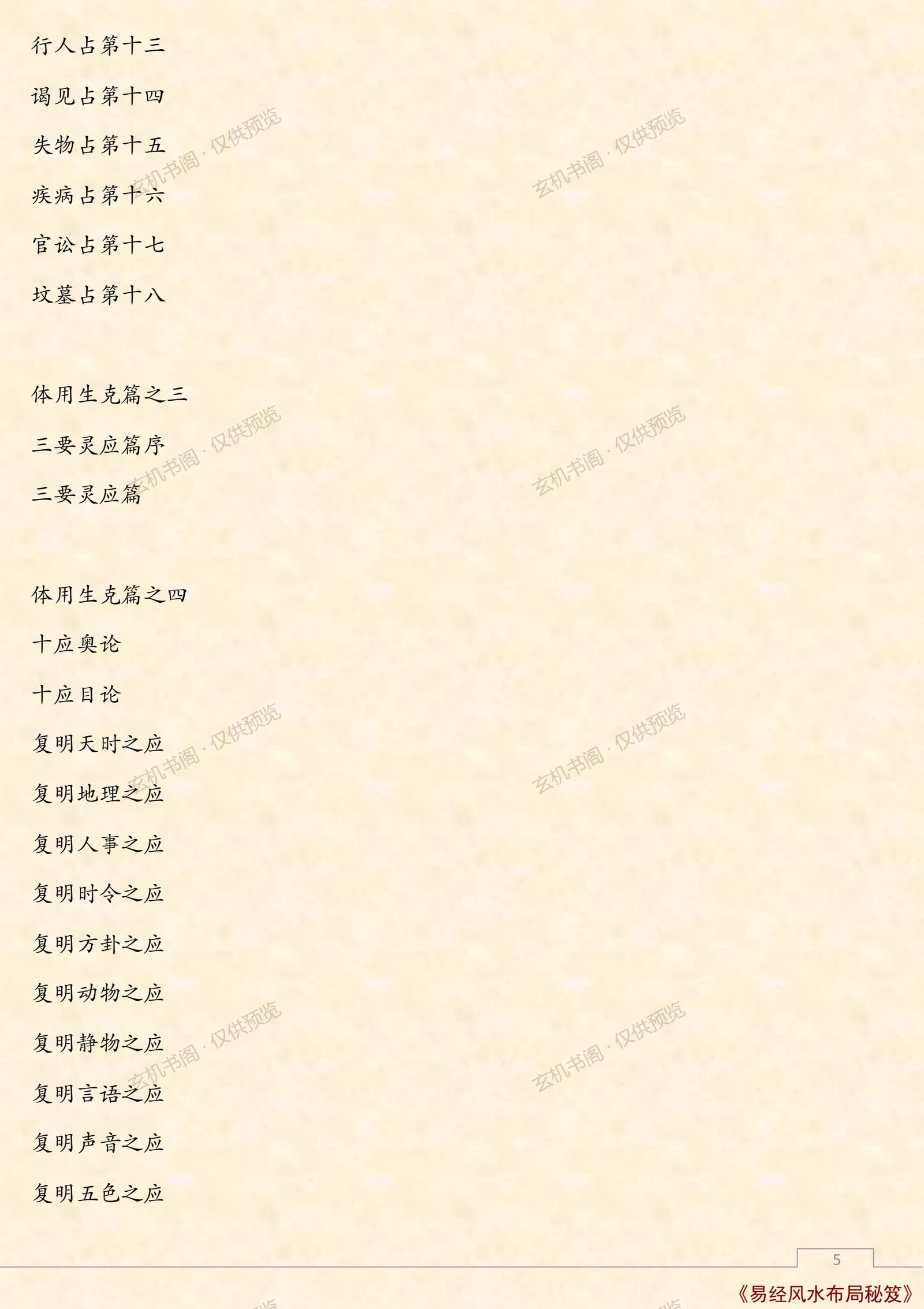
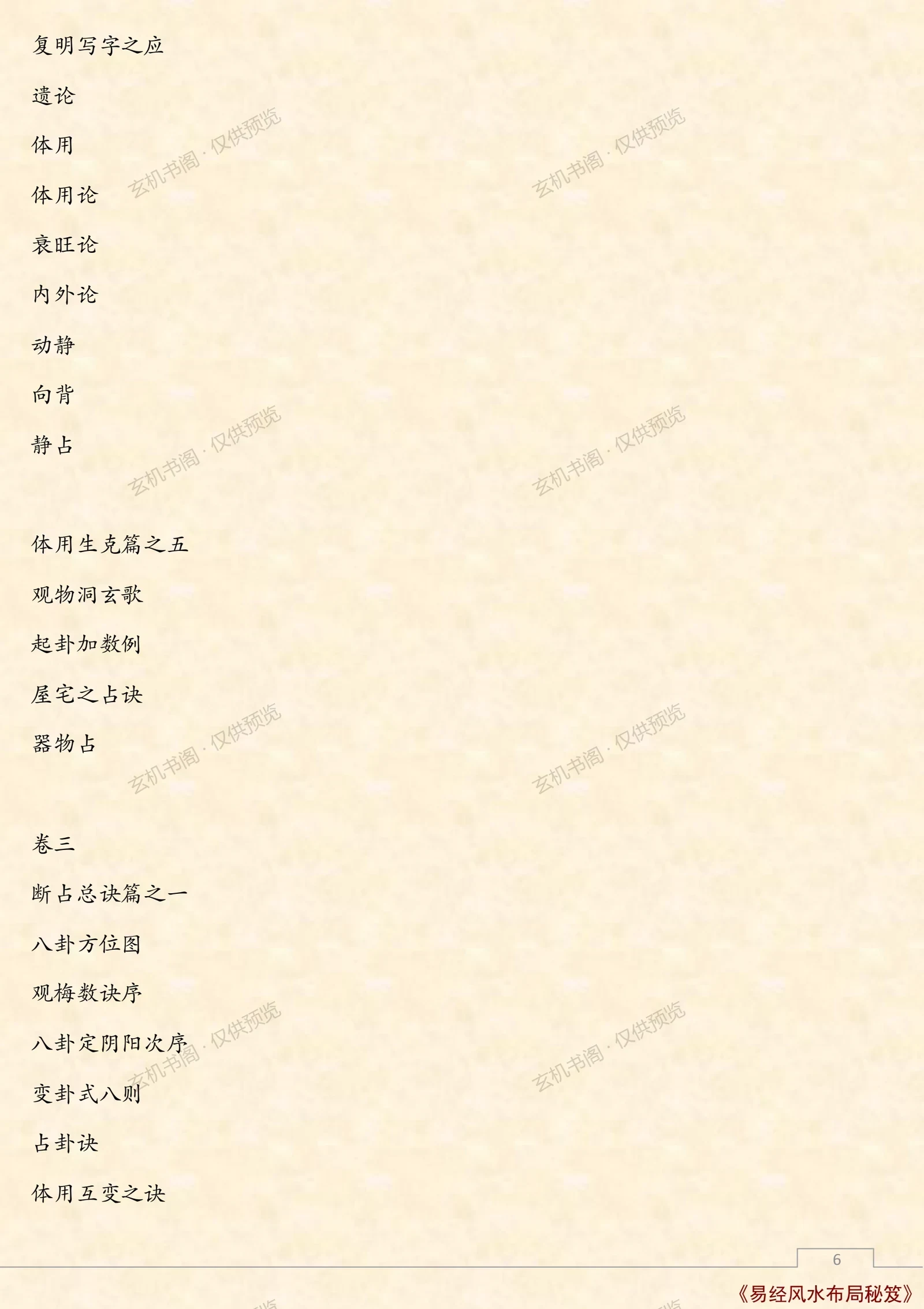
Contents
Preface: Huang Zongxi on Shao Yong's text and the plum-blossom omen
Vol. 1: Image-number theory; hexagram numbers, five phases, stems and branches, casting methods
Vol. 2: Body-use generation and overcoming; heart-mind essentials and eighteen divination categories
Vol. 2 cont.: Three Essentials and Ten Responses; omens and timing
Vol. 2 cont.: Body-use, flourishing and declining, inner and outer, movement and stillness
Vol. 3: Judgment essentials; hexagram directions, yin-yang order, changing hexagrams and mutual transformation
Key Points
Covers image-number theory, casting, body-use, and judgment in four layers
Comprehensive casting methods including date-time, objects, sounds, characters, and measurements
Eighteen judgment categories organized by topic for easy reference
Ten Responses theory details timing omens from weather, geography, people, and speech
The preface preserves Huang Zongxi's account of Shao Yong's legendary text