Reading guide
Content guideOverview
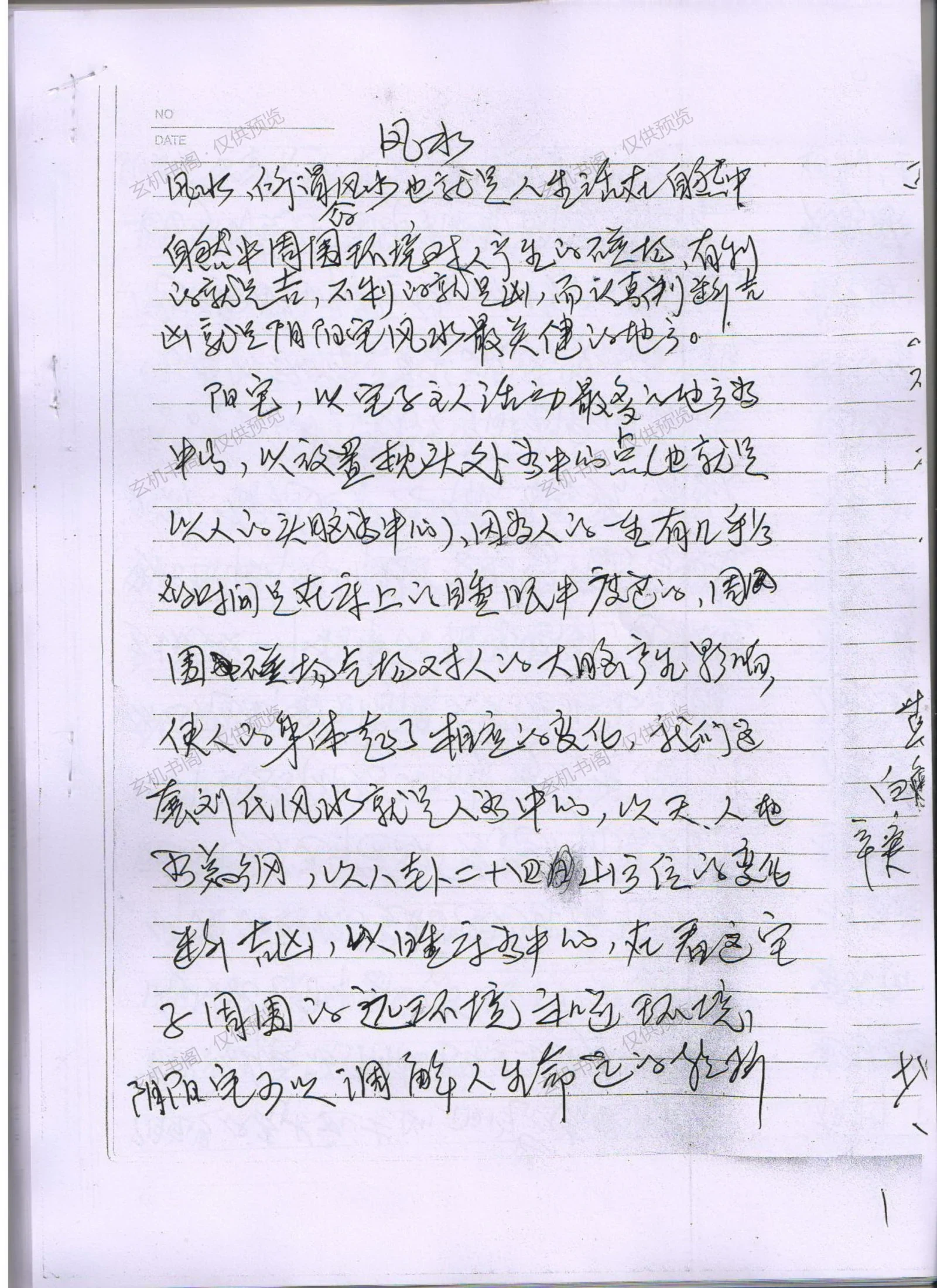
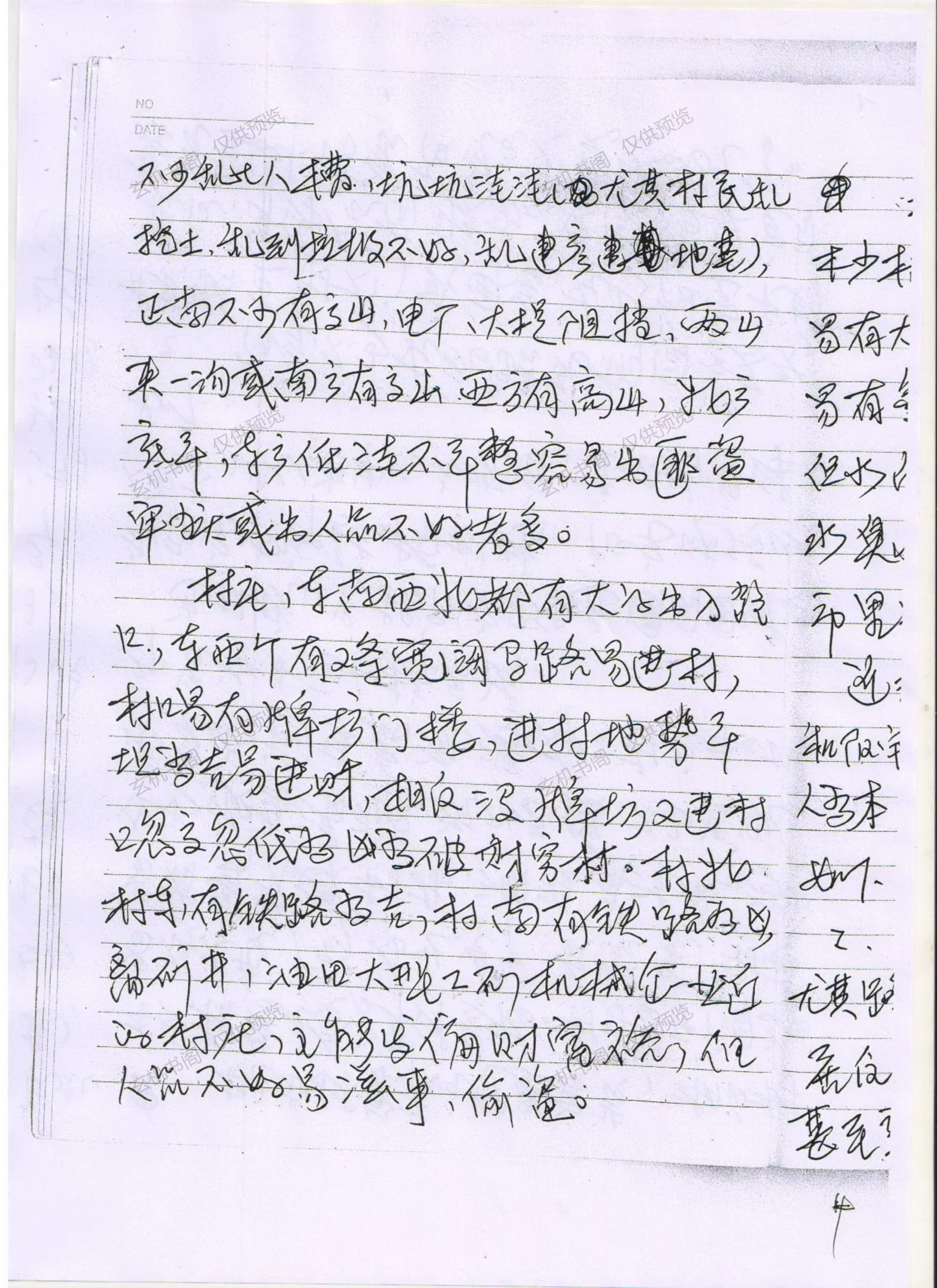
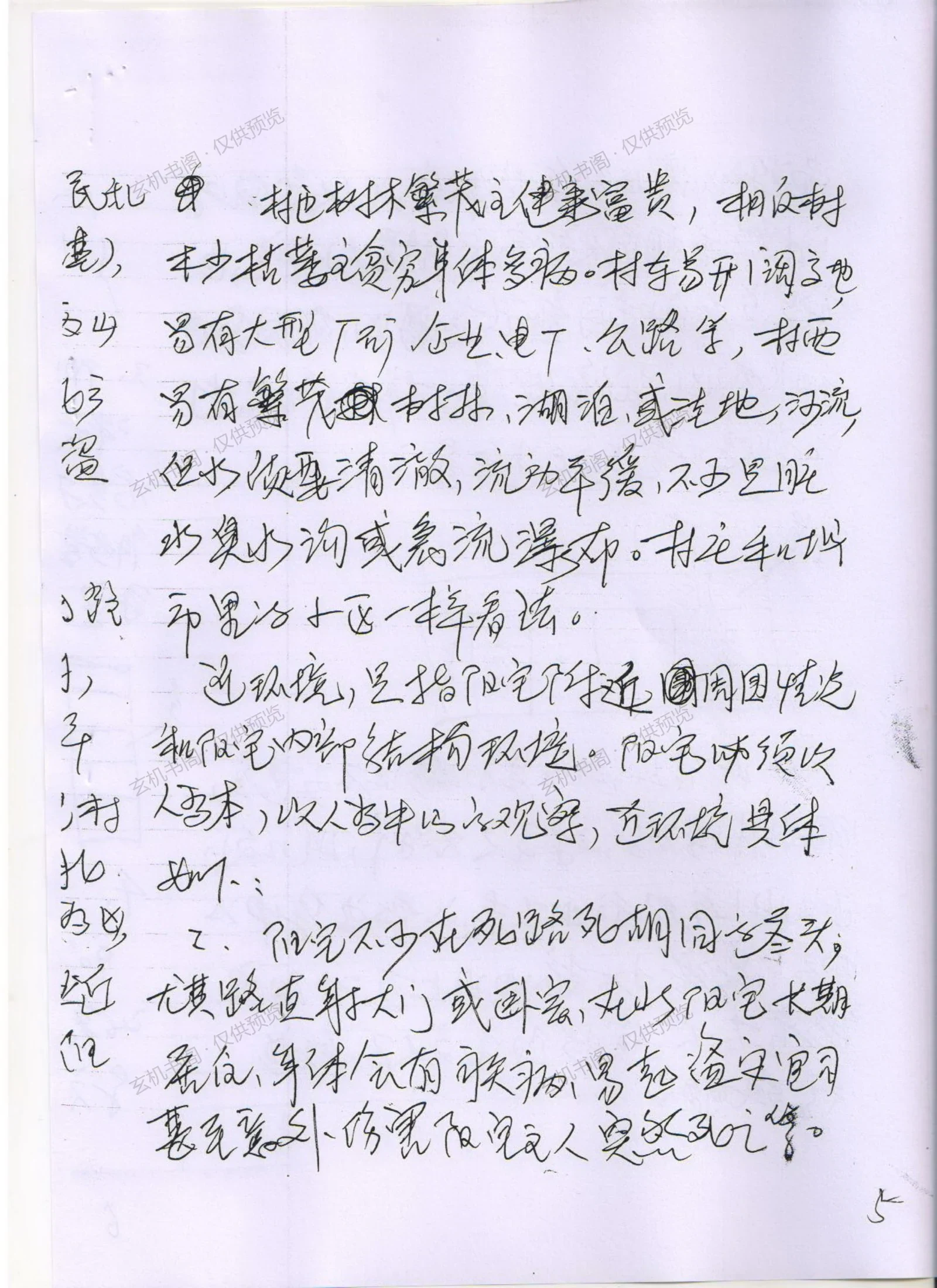
Titled Folk Feng Shui: Plain Terrain Feng Shui, this work presents Liu Ruitian's research notes in the form of handwritten disciple notes from the Liu family tradition. It focuses on yin and yang dwellings in flat plains, combining form-based observation with directional theory. The cover mentions plain-terrain site finding, Hetu water patterns, sand-water clashes, and the rise and fall of eight directions within the Three Cycles and Nine Periods. The opening handwritten pages define feng shui as the influence of the surrounding environment on inhabitants, then explain that yang dwellings are assessed from bed position and head orientation using the 24 mountains. It goes on to discuss near and far environments, village-level terrain, mountain-water configurations, roads, bridges, and specific structural threats such as dead-end alleys and utility poles, linking these to wealth, population, character, and litigation. The notes are practical and oral-tradition oriented, suited to readers with basic knowledge of yin-yang dwellings and San Yuan theory.
Contents
General principles: environment and its influence
Yang dwellings centered on bed and orientation
Near and far environments and village trends
Mountain-water forms and village fortunes
Roads, bridges, and specific structural threats
Combining form and directional theory
Key Points
Focuses on yin and yang dwellings in plain terrain, combining form and directional theory.
Emphasizes plain site finding, Hetu water patterns, and sand-water clashes.
Discusses the rise and fall of eight directions across the Three Cycles and Nine Periods.
Begins with environment, bed position, and 24-mountain orientation.
Lists specific threats such as road strikes, dead ends, and utility poles.