Reading guide
Content guideOverview
Pandong Physiognomy is a comprehensive Chinese physiognomy manual organized into thematic sections. The introductory chapter explains the meaning and purpose of physiognomy, the organization of Chinese physiognomic traditions, and its relationship with fate calculation, followed by discussions of the origins, development, research aims, and major schools of physiognomy, including physiological, psychological, and ethical approaches. The main body covers head reading (skull, face, hair and its quality), facial physiognomy (facial charts, annual fortune positions, and matching methods), limb reading (arms, hair and underarms, legs and feet), and body reading (body types, constitution, finger and fingerprint analysis), with a section on full-body matching. Later chapters extend to women's physiognomy, infant physiognomy, regional and ethnic physiognomy (world races, Asian, European, African, American, and bird-lineage types, and the four directions of China), and bearing. Drawing on traditional physiognomy while incorporating physiological, psychological, and regional observations, the book offers a broad framework for researchers and readers interested in traditional fate and physiognomy culture.
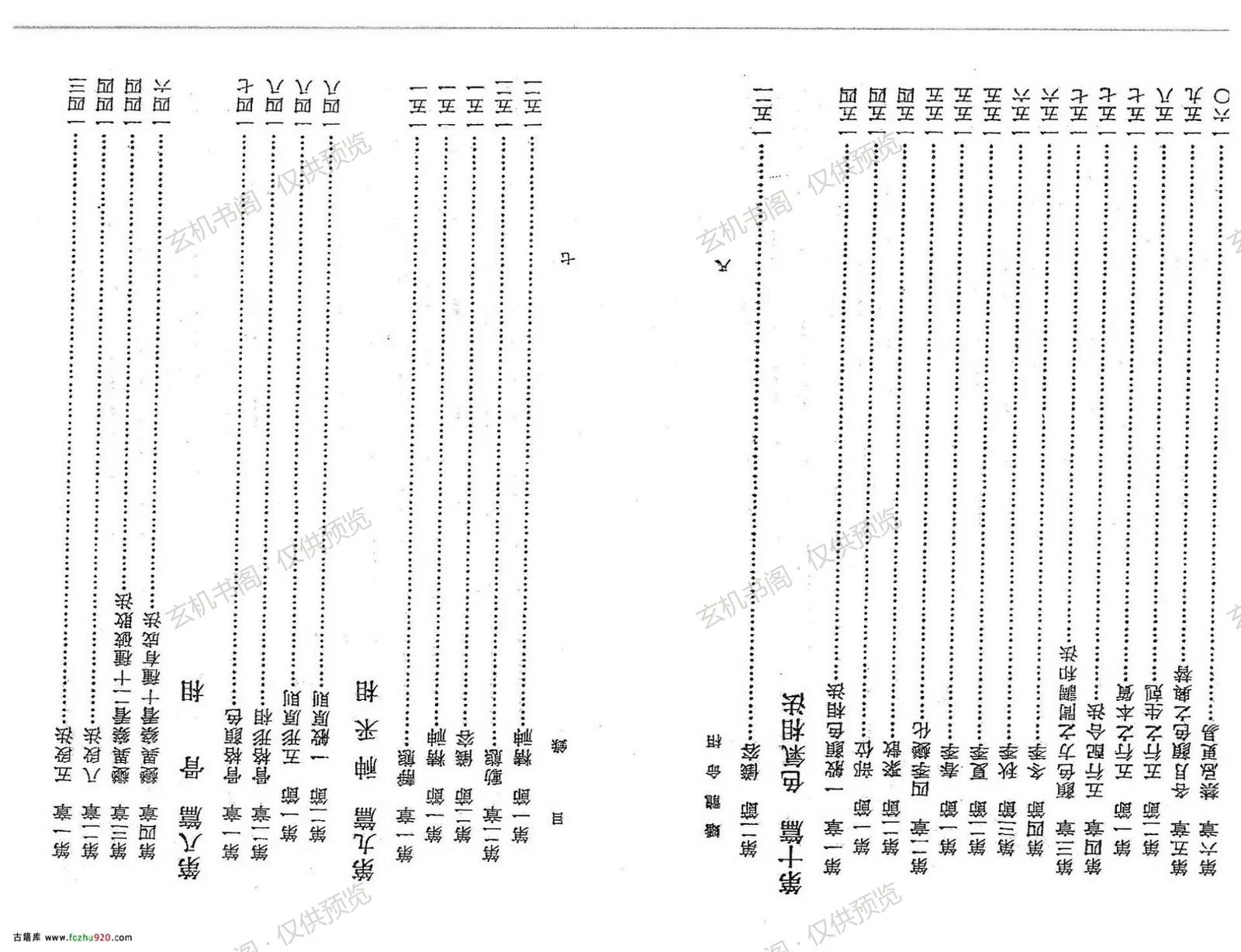
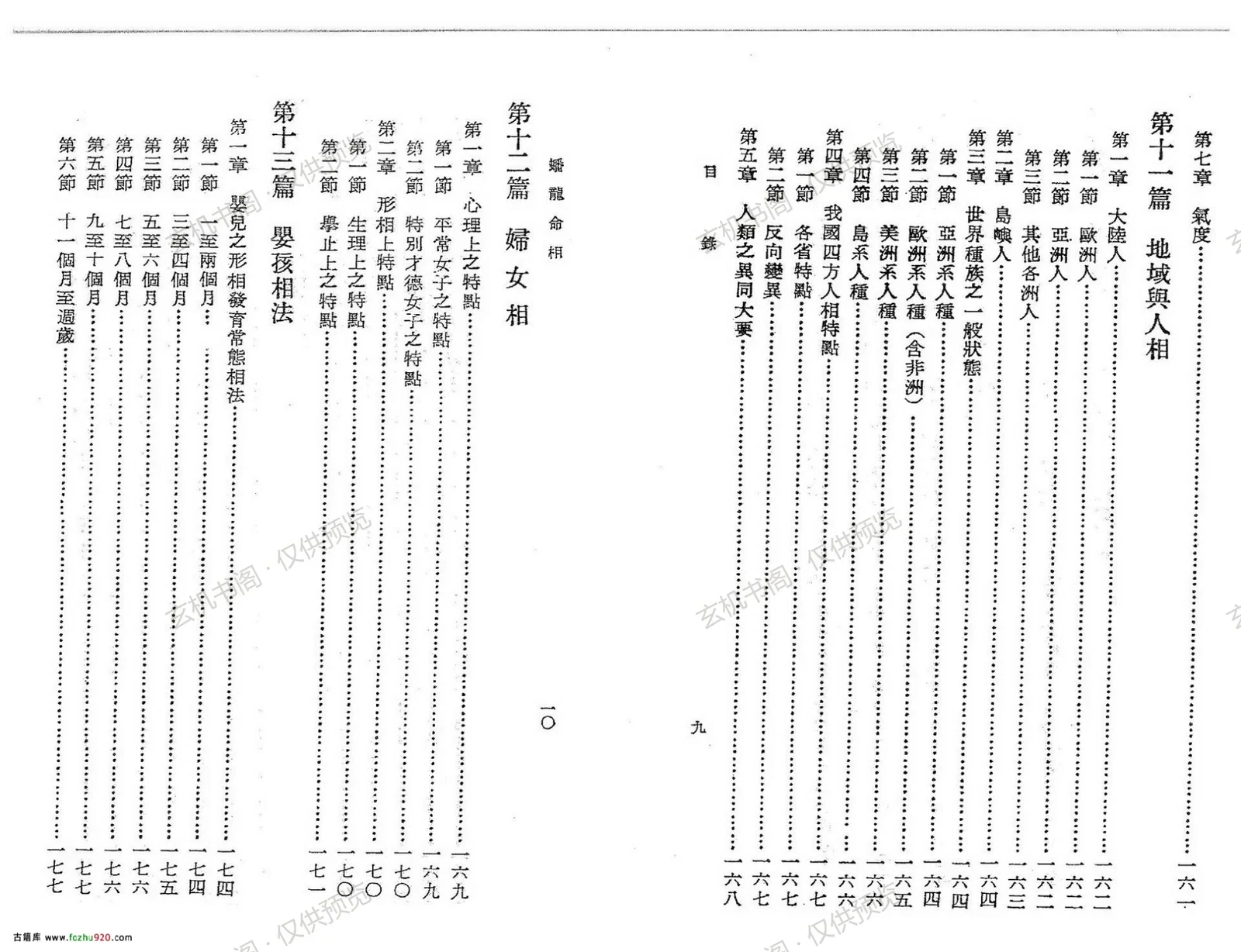
Contents
Part 1 Introduction: meaning, organization, and schools
Part 2 Head reading: skull, face, hair, and quality
Part 3 Facial physiognomy: charts, annual positions, matching
Parts 4–6 Body reading: body type, constitution, fingers, limbs
Part 7 Full-body matching methods
Part 12 Women's physiognomy
Part 13 Infant physiognomy
Part 11 Regional and ethnic physiognomy
Key Points
Builds a complete framework from introduction to full-body matching
Facial section includes annual fortune position charts for reference
Body section details body types, constitution, fingers, and fingerprints
Dedicated chapters on women's and infant physiognomy
Regional section discusses world races and China's four directional types