Reading guide
Content guideOverview
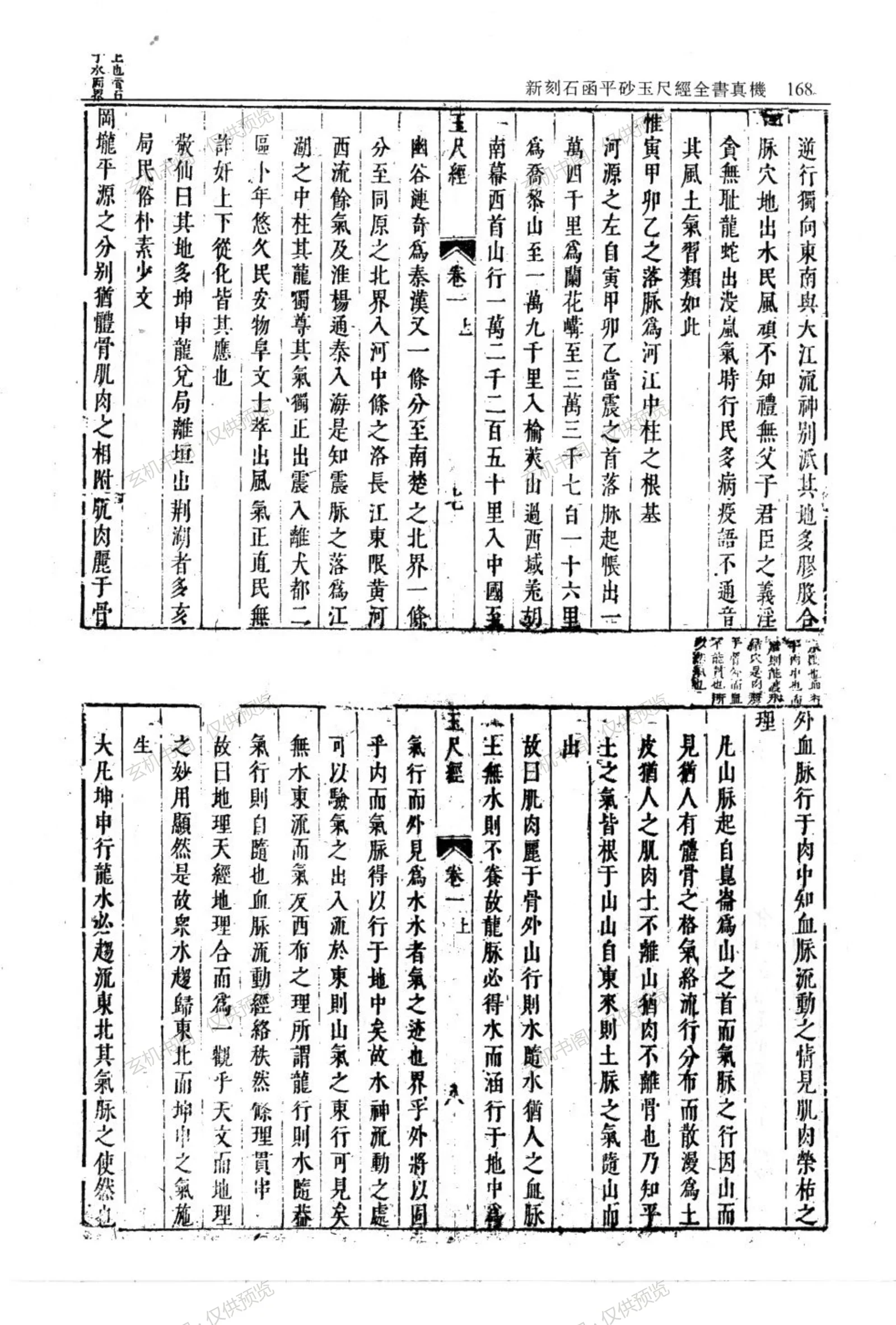
This is a Qing-era printed edition of the Ping Sha Yu Chi Jing, a classical feng shui text attributed to Liu Bingzhong (a Yuan-dynasty state preceptor) and annotated by Liu Ji (Liu Bowen). The prefatory title reads 'Collected Explanations by Lord Liu Wencheng.' The main body opens with the chapter 'Examining Forms' (Shen Shi), followed by sections on examining qi, dragons, cavities, sand, water, and orientations, systematizing the San He school's approach to dragons, caves, sand, water, and facing directions. The book also appends Guo Pu's Zang Jing, a day-selection manual, the Lu Ban blessing scripture, and esoteric methods. It is a key source for studying San He feng shui and Ming-Qing geomancy literature, though this copy contains only the first part of juan one.
Contents
Cover: 'Collected Explanations by Lord Liu Wencheng,' with Zang Jing, day selection, Lu Ban scripture appended
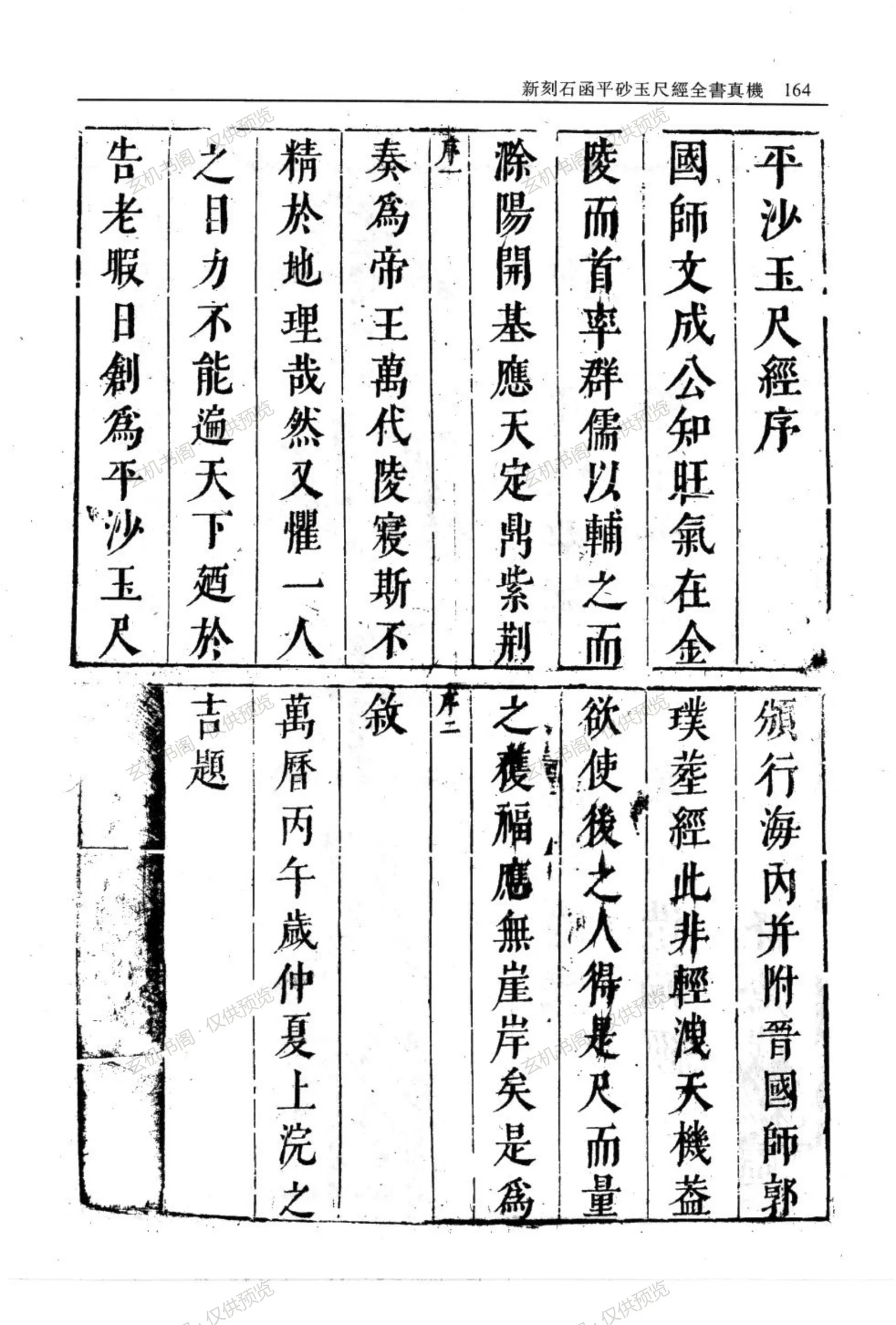
Preface dated 1606, describing Liu Bingzhong's transmission and purpose
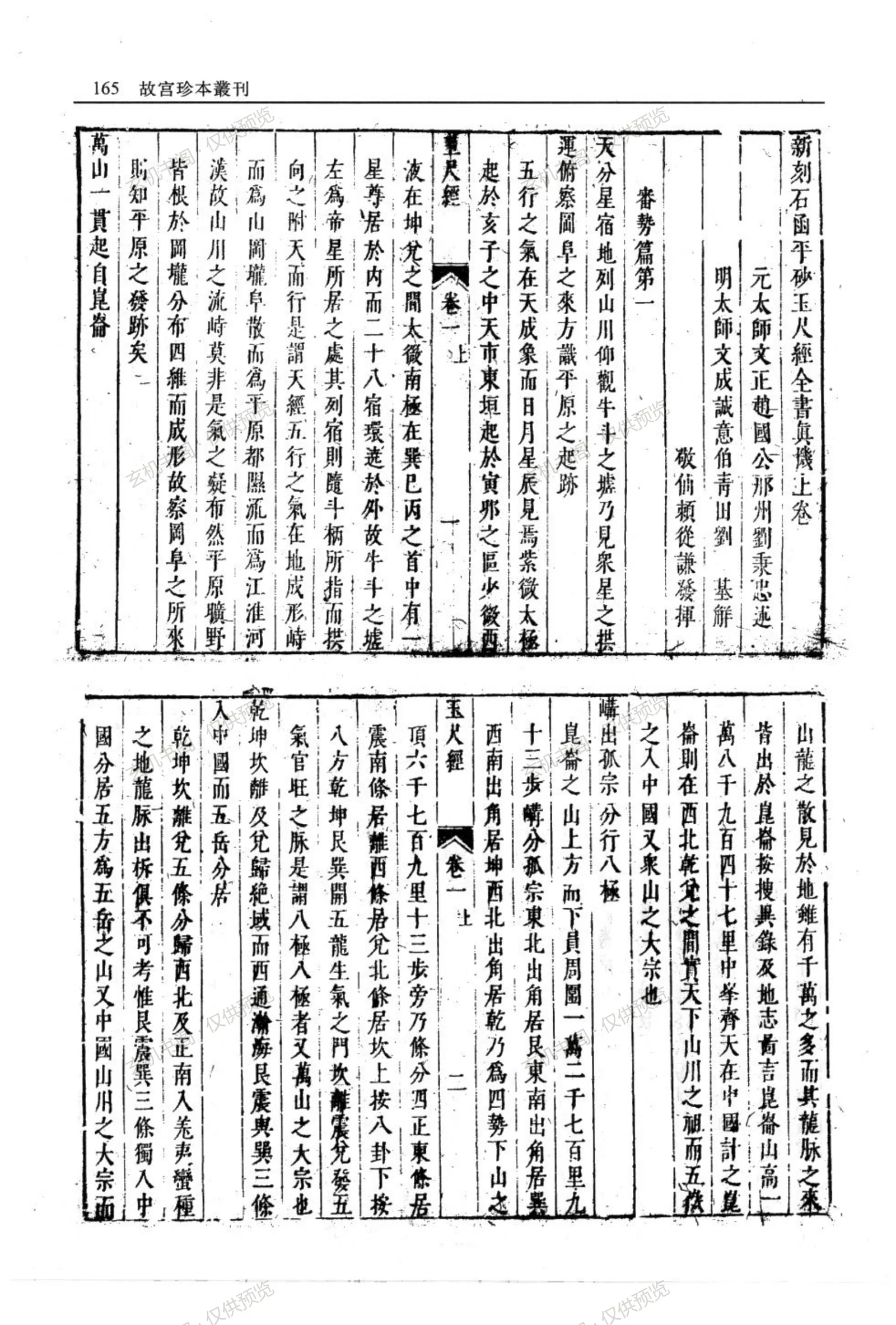
Chapter 1: Examining Forms—astronomy, earth patterns, assessing terrain
Examining Qi: five phases, yin-yang movement, dragon qi
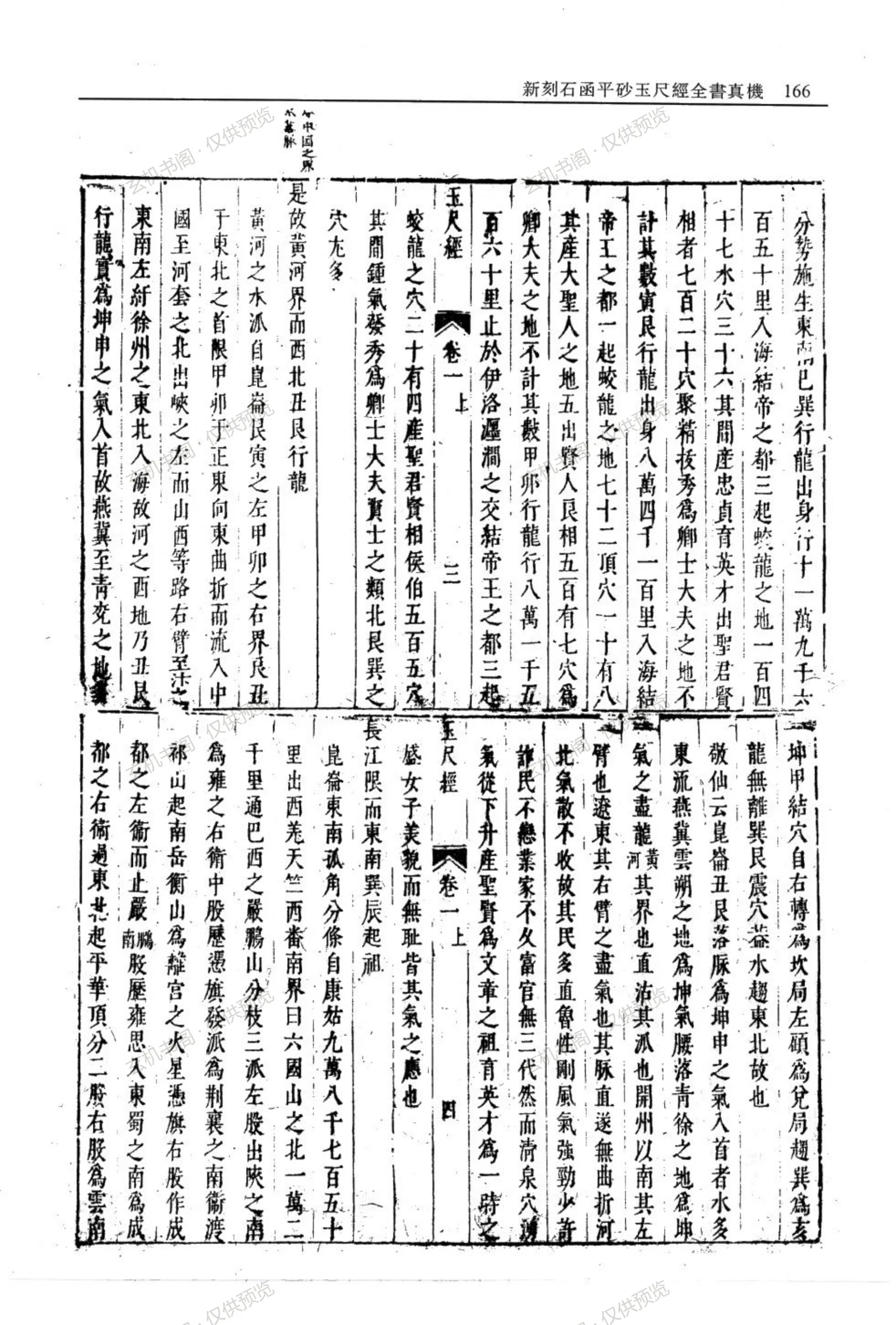
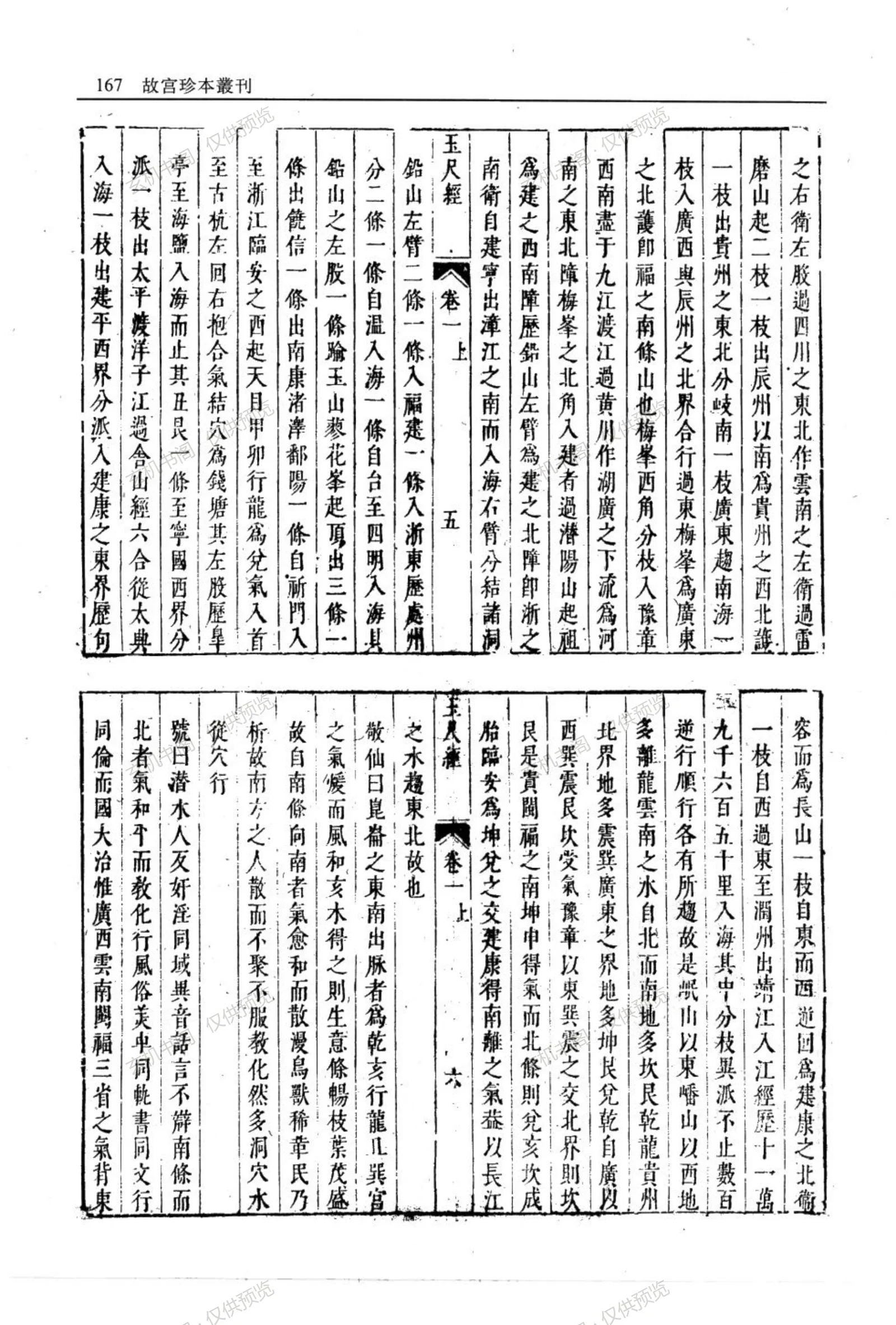
Examining Dragons: Kunlun origin, three great dragon branches, provincial veins
Part 1 (upper): sections on dragons, cavities, sand, water, orientations (incomplete)
Key Points
Uses the 'jade ruler' metaphor for measuring and assessing terrain
Core San He feng shui: dragons, cavities, sand, water, and orientation together
Detailed account of Kunlun's three dragon branches and China's provincial dragon veins
Annotated by Liu Ji (Liu Bowen), attributed to Liu Bingzhong; preface dated 1606
Appends Guo Pu's Zang Jing, day selection, and Lu Ban texts