Reading guide
Content guideOverview
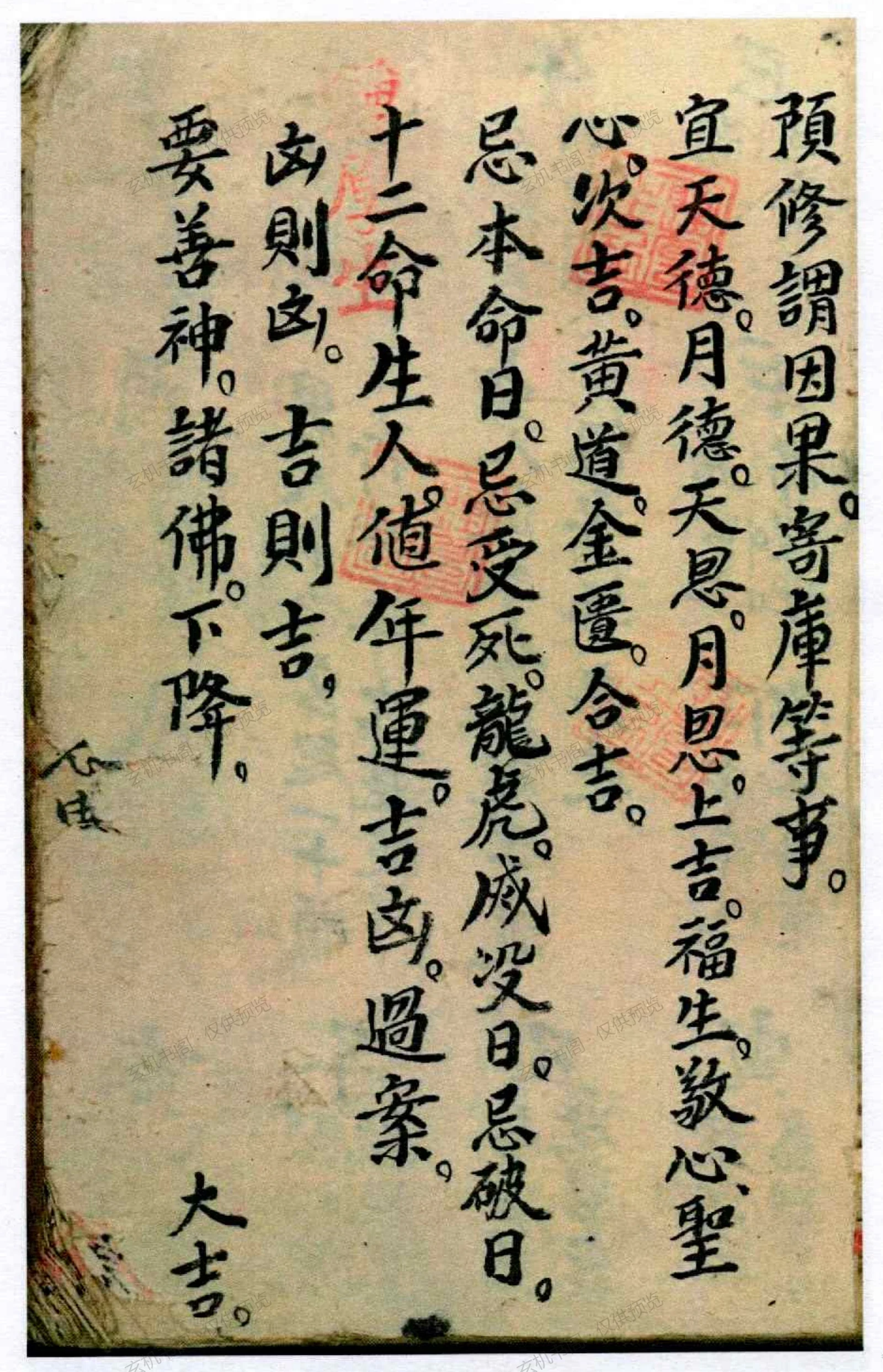
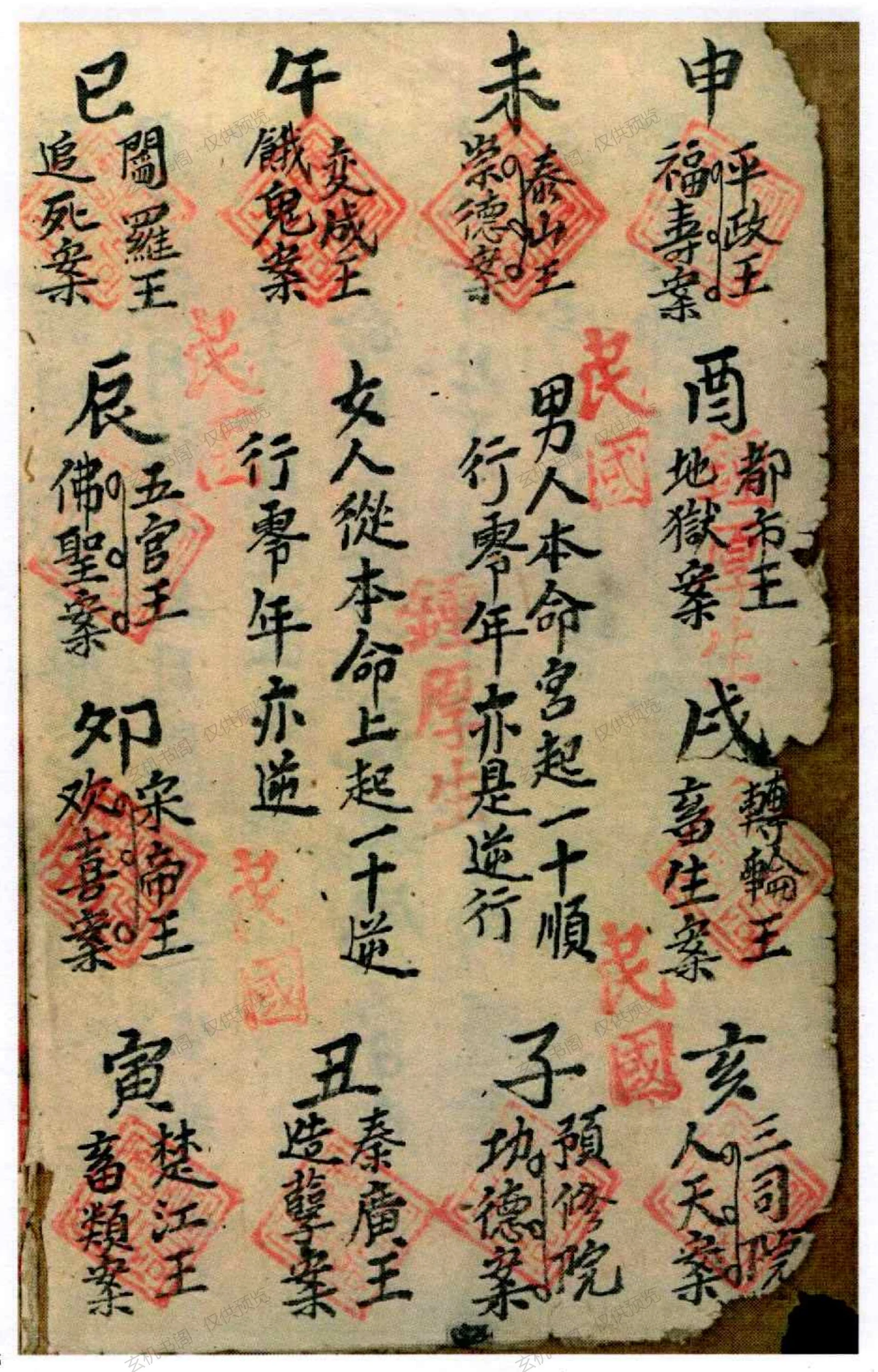
This manuscript, titled Qimen Day Selection, is a practical handbook on selecting auspicious dates, with no visible author, preface, or publication data in the pages shown. Its content centers on day selection, drawing on Qimen and shensha traditions. The text first discusses the relation between one's natal sitting direction and construction, stressing that building ancestral halls and repairing ancestral graves require the most careful date choice, and includes a table of the five phases in their flourishing, resting, and declining states by season. It then lists auspicious deities and days such as Tian De, Yue De, Tian En, and Yue En, along with auspicious yellow-path and golden-coffer days, followed by prohibitions on inauspicious days such as natal-day, shou-si, long-hu, xian-mo, and po days. Further sections present annual fortunes for the twelve life-destiny types, rules for raising the life palace (forward counting for men, reverse for women), and twelve earthly-branch shensha categories named after underworld kings and case types. The final page lists craftsman prohibitions such as Lu Ban Sha and Mu Ma Sha, plus monthly taboo days for construction and livestock. The format is classified entries with mnemonic verses, suited to readers studying folk day-selection systems and construction taboos.
Contents
Natal sitting direction and construction of ancestral halls and graves
Five phases by season and correspondence with solar terms
Auspicious deities and days versus inauspicious days
Annual fortunes for the twelve life-destiny types
Life palace forward/reverse counting and branch shensha
Lu Ban Sha, Mu Ma Sha, and monthly taboo days
Key Points
Focuses on construction, erection, and burial, with ancestral halls and graves given priority
Lists auspicious deities and inauspicious sha for direct comparison
Uses twelve life-destiny types and life-palace counting to judge personal fortune
Includes monthly taboo days and craftsman prohibitions such as Lu Ban Sha