Reading guide
Content guideOverview
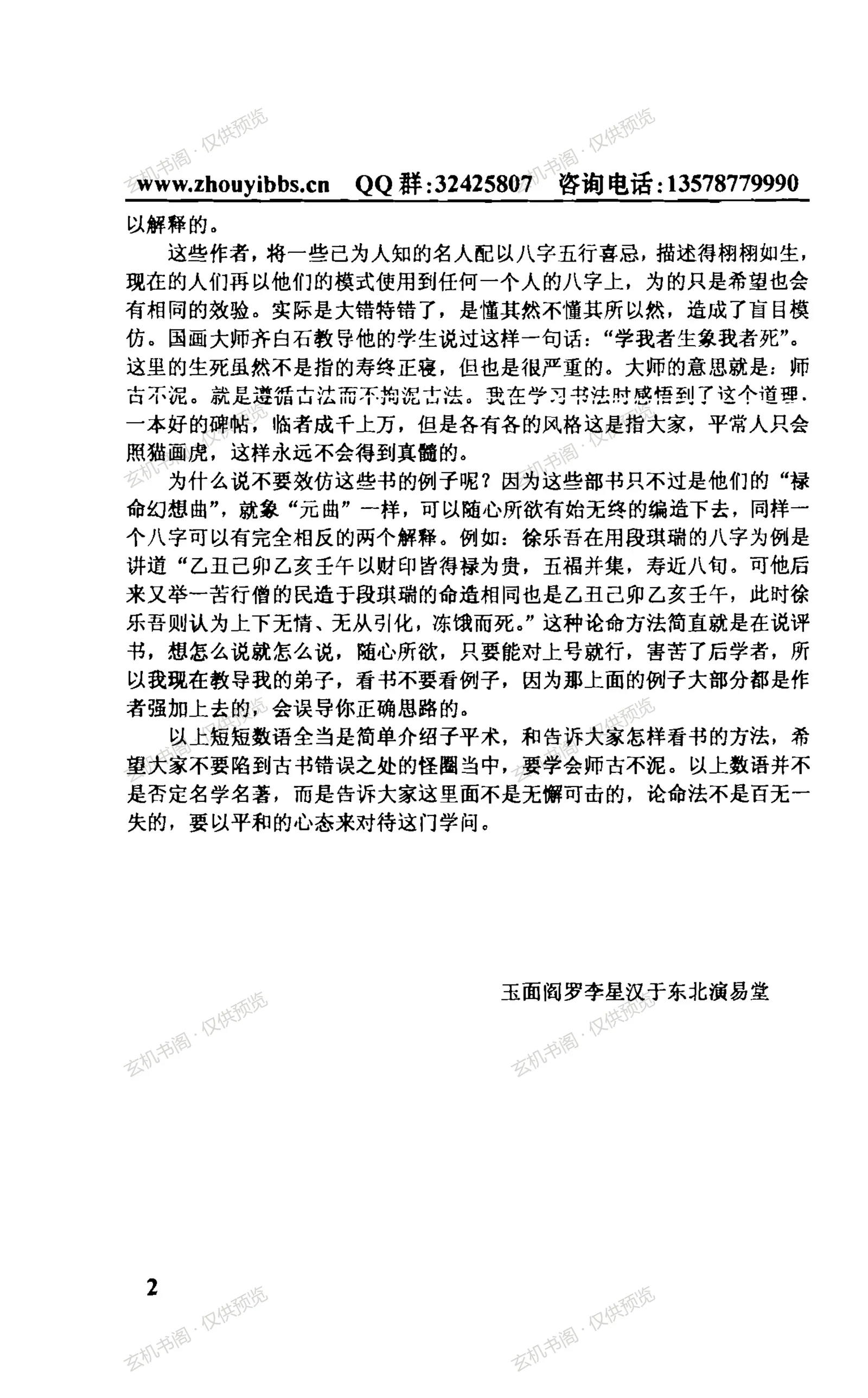
Compiled by Li Xinghan under the byname Yumian Yanluo, this volume presents the fundamentals of traditional Ziping-style Four Pillars astrology. It opens with the five elements, their directions, generation and overcoming relationships, the yin-yang and elemental attributions of the heavenly stems, and the sixty sexagenary pairs. It then explains how to construct a four-pillar chart, including month, day, and hour pillars, solar terms, and the starting of major luck cycles, along with the qualities of the five elements and their correspondences to occupations, directions, and bodily organs. Later chapters cover the heavenly stems in detail, the six harmonies, three combinations, clashes and harms among the earthly branches, the twelve stages of growth, the life palace, initial exploration of spirits and煞, the Ten Gods and six relations, useful gods and shortcuts to selecting them, palace positions, and the steps and essentials of reading a chart. The book closes with practical applications, online case analyses, and appreciation of classical rhymed texts. The preface also questions the overemphasis on the concept of the useful god and warns against mechanically copying examples from old manuals, making the work both an introduction and a methodological reflection.
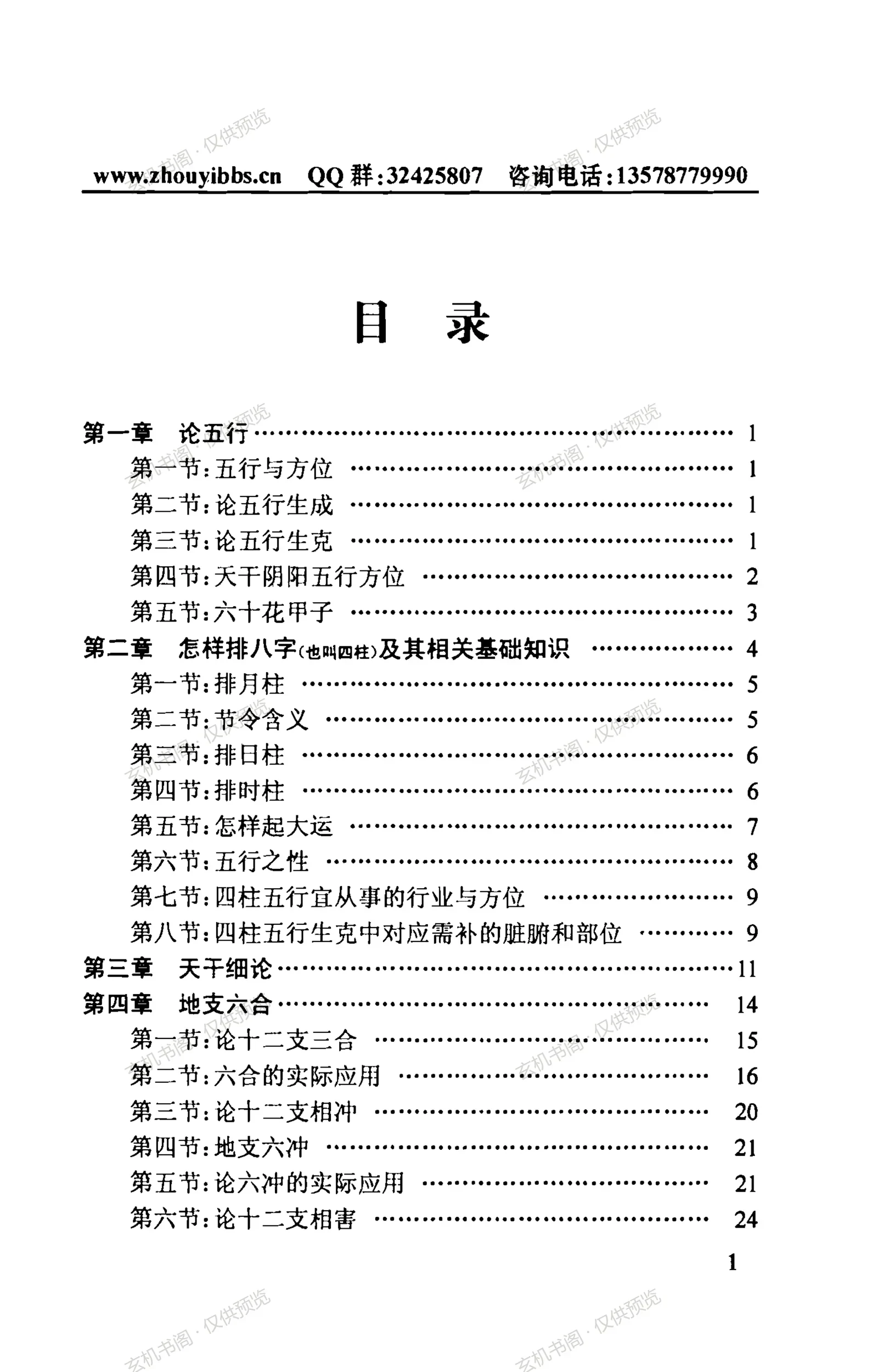
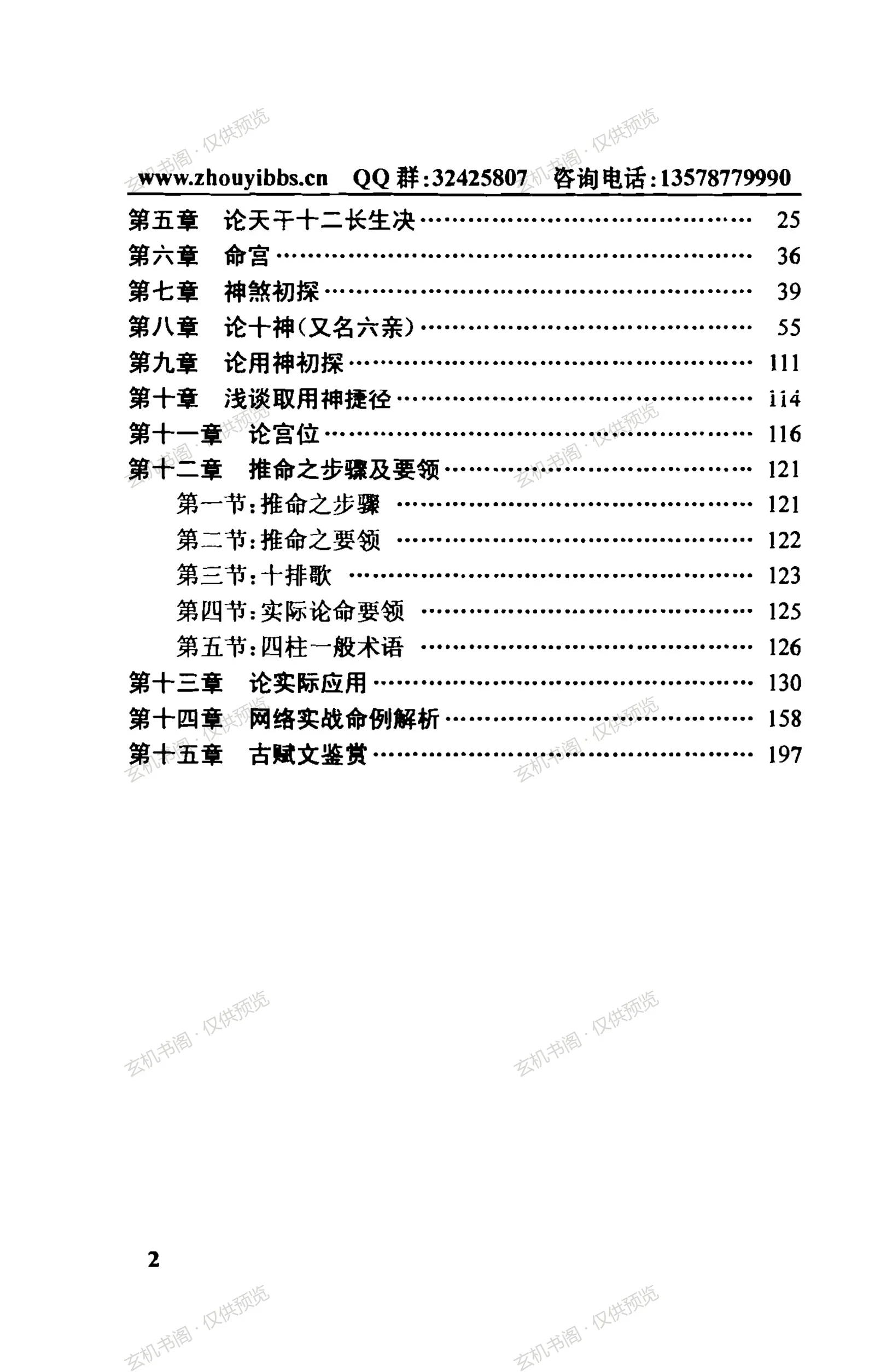
Contents
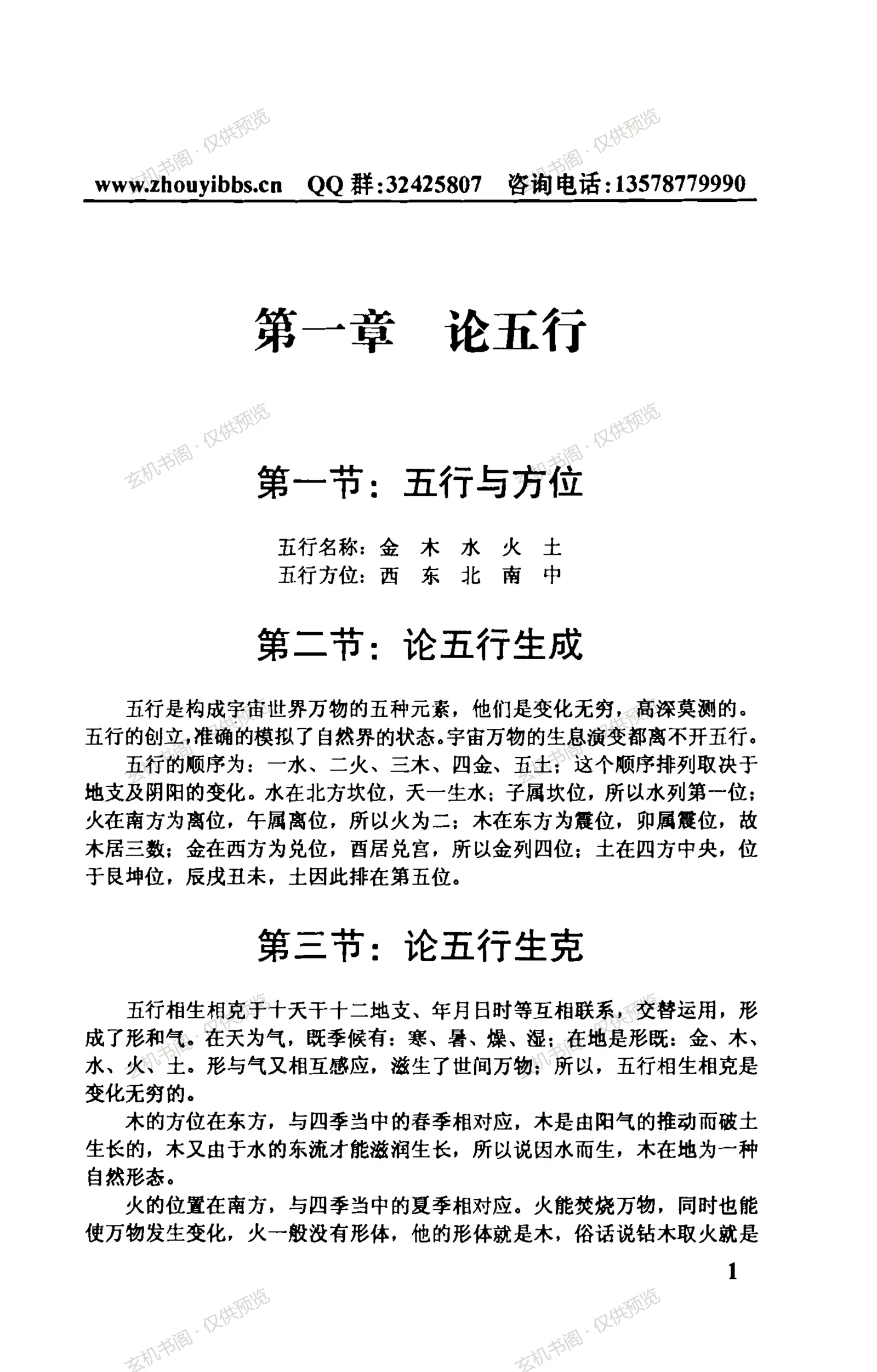
Chapter 1: Five elements, directions, generation, overcoming, and the sexagenary cycle
Chapter 2: Constructing the four pillars, luck cycles, and elemental qualities
Chapters 3–4: Heavenly stems in detail; earthly branch combinations, clashes, and harms
Chapters 5–8: Twelve growth stages, life palace, spirits, and the Ten Gods
Chapters 9–11: Useful gods, selection shortcuts, and palace positions
Chapters 12–15: Reading steps, practical applications, online cases, and classical texts
Key Points
Starts from the five elements and stems-branches, then moves to chart construction and luck cycles.
Covers core Ziping concepts such as the Ten Gods, spirits, life palace, and useful gods.
Includes practical application chapters and online case analyses.
The preface critically examines the notion of the useful god and the blind copying of old examples.
Classical rhymed texts are appended for appreciation alongside theory and cases.