Reading guide
Content guideOverview
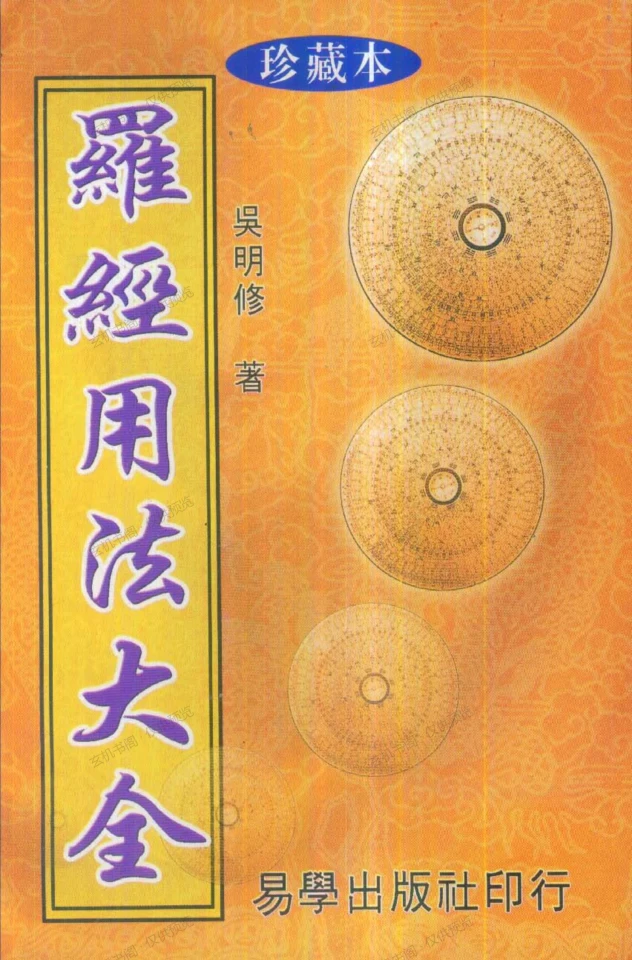
This book is a detailed manual on the feng shui compass (luojing), published in the Daoguang reign. It begins with a preface by Li Weibin dated 1823, followed by a table of contents and the first chapter, 'Newly Edited Annotated Classic of the Compass, Volume One.' The text covers the origins and structure of the compass, how to use it to assess dragon veins, examine sand peaks, and evaluate water flow, and how to combine landform observation with directional principles (liqi). The book stresses the unity of form and energy and provides practical guidance for Sanhe feng shui practitioners. This edition, held by a local government office, is clear and suitable for readers interested in traditional compass techniques and feng shui theory.
Contents
Preface: origins and purpose
General discussion of the compass
Assessing dragon veins and sites
Evaluating sand peaks
Evaluating water flow and facing
List of recommended classics
Key Points
Systematic explanation of compass rings
Emphasizes unity of form and energy
Practical methods for dragon, sand, water
Includes list of classical feng shui texts