Reading guide
Content guideOverview
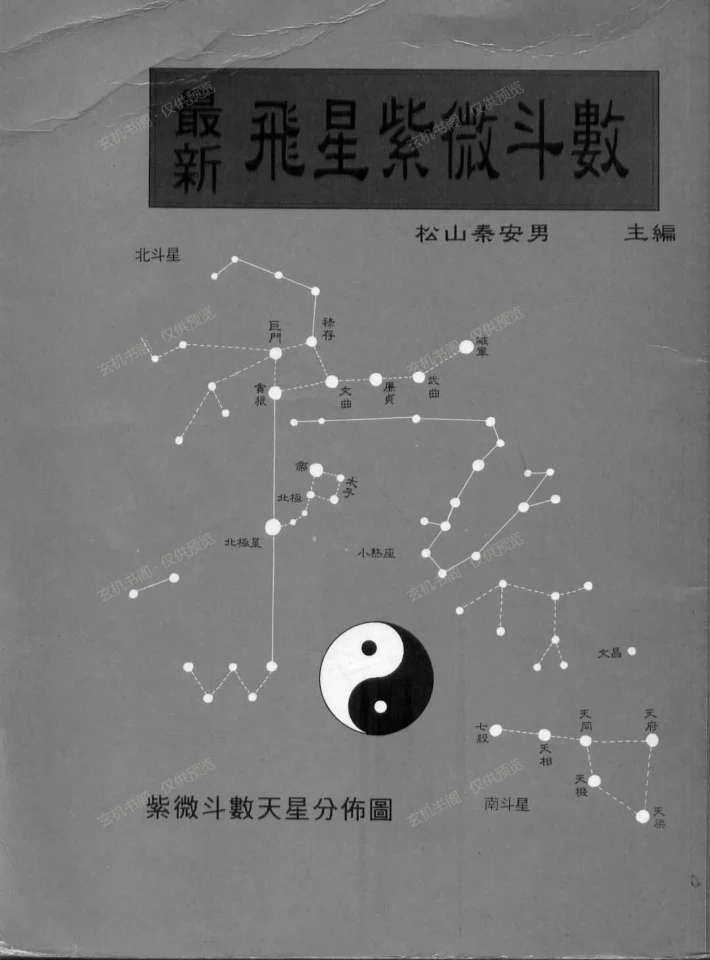
This book presents Qintian Four Transformations Zi Wei Dou Shu, opening with the Yijing principle that what is simple is easy to follow, and arguing that Dou Shu study cannot depart from image and number. The author divides the system into stars, palaces, and four transformations: the fifteen stars symbolize the five phases and the Three Powers, the twelve palaces represent Hetu-Luoshu and inner-outer relations, and the ten stems' four transformations express movement and stillness. Diagrams such as the Fifteen Heavenly Stars and the Thirty-Six Position Qi-Number Chart illustrate the placement of the Zi Wei enclosure, the northern and southern star groups, and the Left-Right Chang-Qu stars, with the sixty-jiazi nayin used to derive the number fifteen. The author repeatedly stresses that the four transformations serve the reading of fortune rather than fixed fate: birth-year lu-quan and self-transformation lu-quan remain unchanged, while Left-Right Chang-Qu shift with month and hour and represent human response. Built on stems and branches, Hetu-Luoshu, and the Three Powers, the book suits readers with basic Dou Shu knowledge who wish to deepen their understanding of Qintian four-transformation theory.
Contents
Overview: Yijing principles, number-image, and the three Dou Shu systems
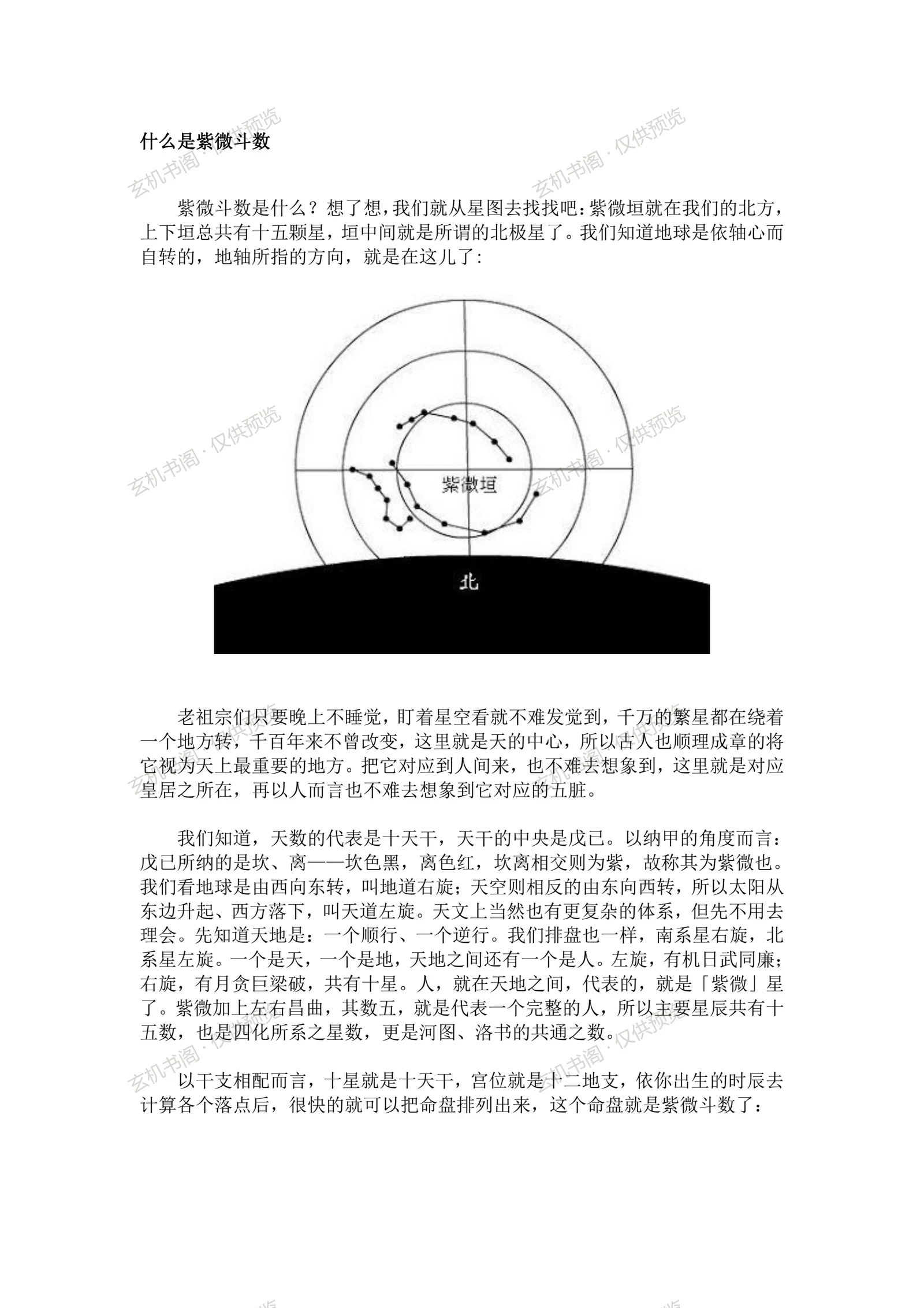
What is Zi Wei Dou Shu: the Zi Wei enclosure and star groups
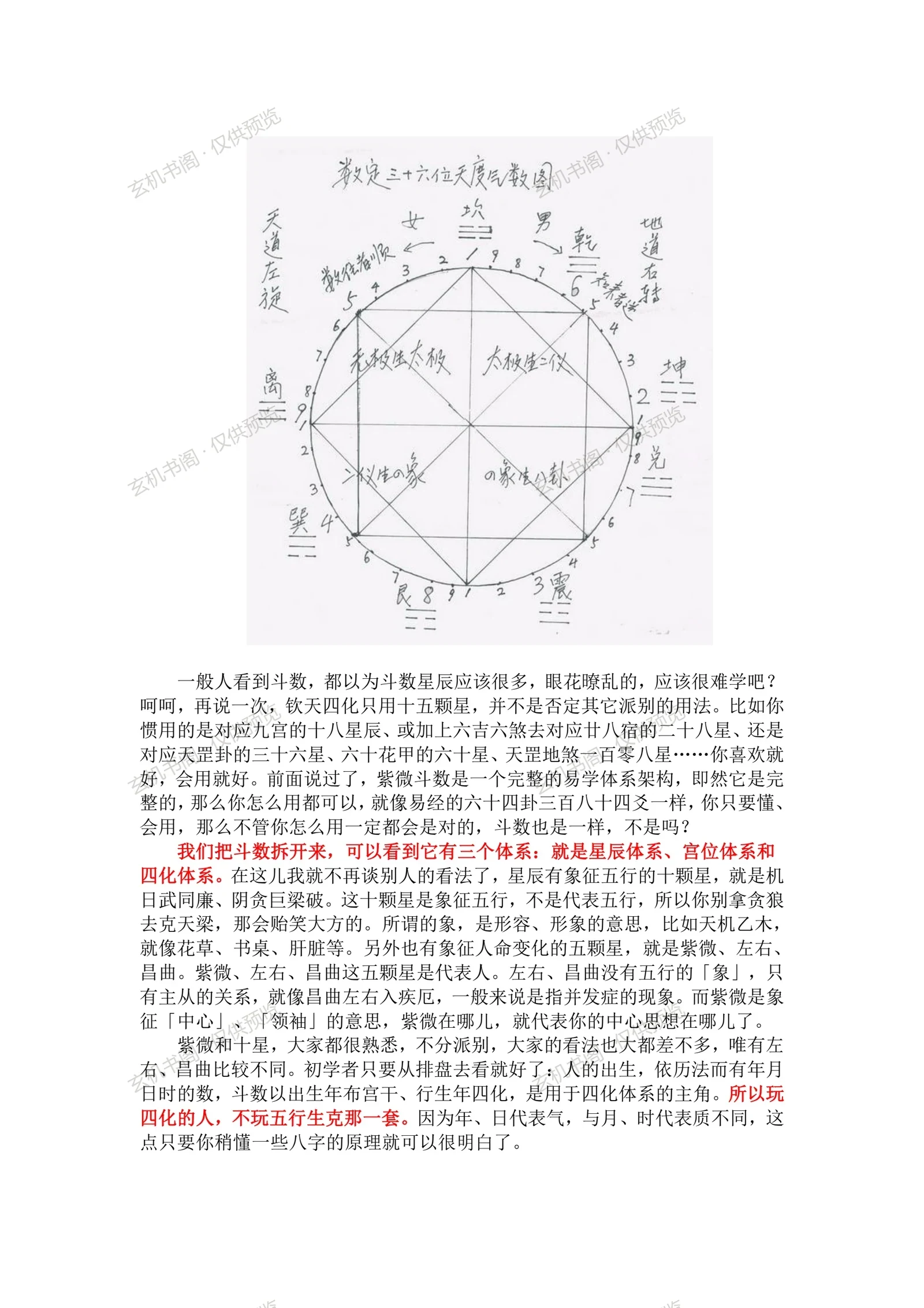
The Thirty-Six Position Qi-Number Chart
Stars, palaces, and four transformations discussed separately
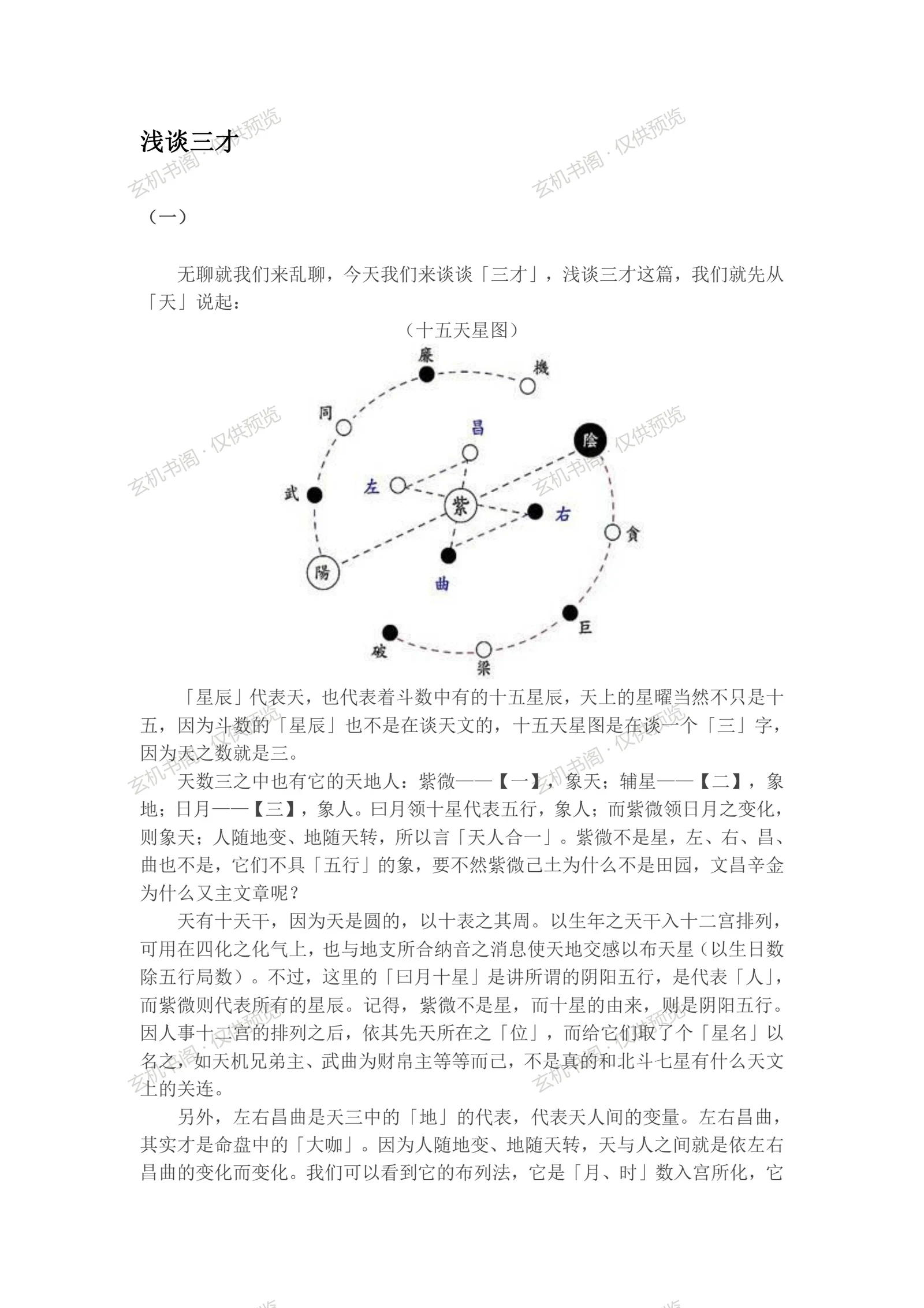
On the Three Powers I: Heaven Three and the Fifteen Stars chart
On the Three Powers II: three placement methods of stars into the earthly chart
Key Points
Dou Shu comprises stars, palaces, and four transformations: stars for imagery, palaces for inner-outer, transformations for movement.
The fifteen stars match Hetu-Luoshu numbers; ten stems' transformations and twelve palaces can be calculated together.
Zi Wei represents Heaven, the ten stars represent Man, and Left-Right Chang-Qu represent Earth, forming the Three Powers.
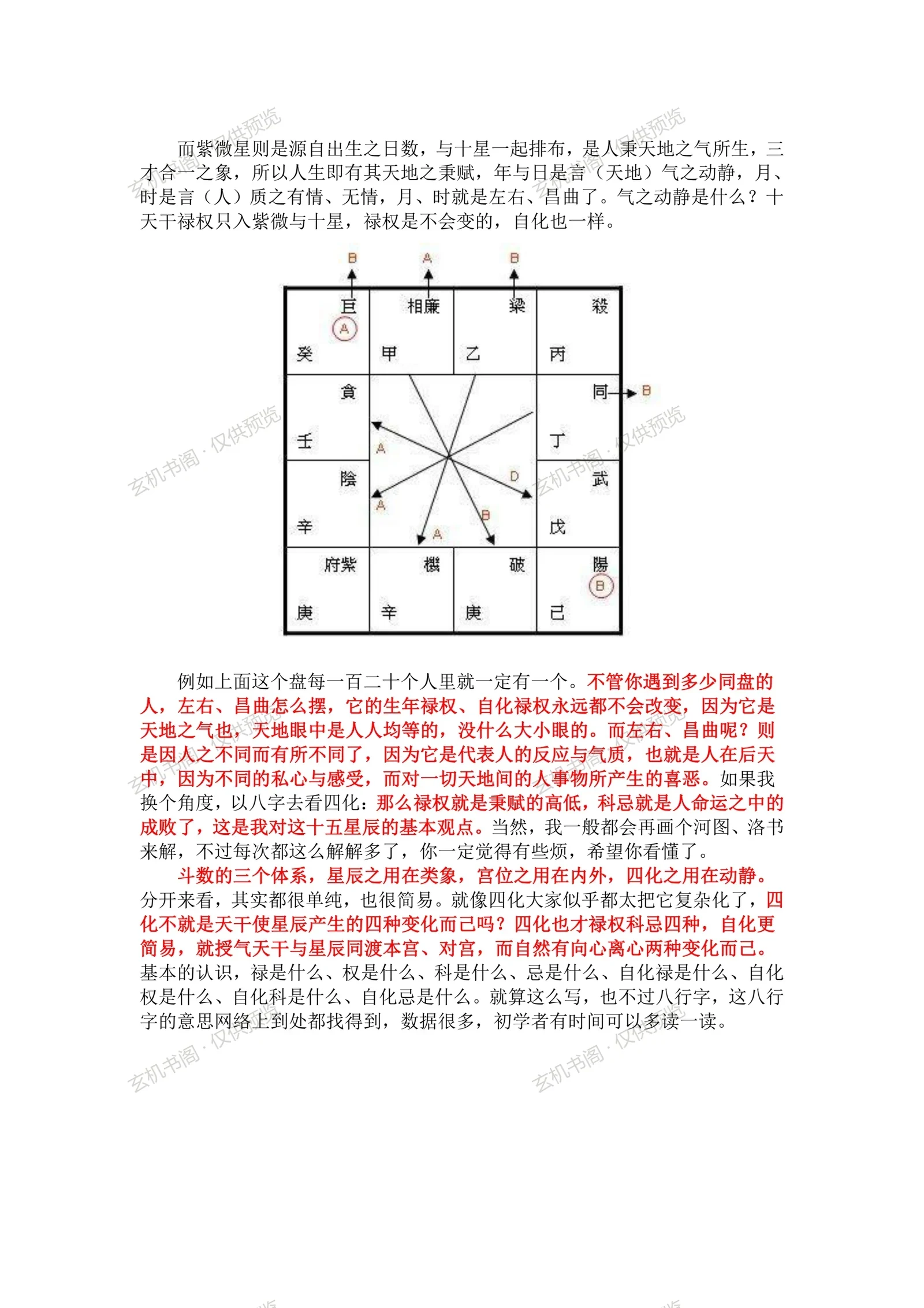
Birth-year lu-quan and self-transformation lu-quan are fixed; Left-Right Chang-Qu vary with month and hour as human response.
The four transformations are used to read fortune rather than fixed fate, changing between palaces and stars.