Reading guide
Content guideOverview
These are classroom notes from Huang Tianfu's advanced Zi Wei Dou Shu course in the Qintian Four Transformations tradition, covering the first lesson. The notes open with the 'Qintian essence,' stating that the school's main difference from others lies in the four prenatal stars—Zuo Fu, You Bi, Wen Chang, and Wen Qu—and linking them to the five aggregates of form, feeling, perception, volition, and consciousness, as well as to past-life causes. The text then discusses Zuo Fu and You Bi as a dynamic/static and material/spiritual pair, explains how Wen Chang and Wen Qu turning into ke or ji signal the beginning and end of affairs and can bring dual or hidden relationships, and uses Tan Lang as a metaphor of leaves, trunk, branches, and roots for lu, quan, ke, and ji. A chart demonstrates how to read the lai yin palace and yuan shen position when the spouse or fortune palace is clashed. Written in a colloquial lecture style with many examples, it suits readers who already know basic Zi Wei Dou Shu and want a deeper look at the Qintian system.
Contents
Qintian essence: four prenatal stars and the five aggregates
Zuo Fu and You Bi: dynamic versus static, material versus spiritual
Wen Chang and Wen Qu: ke, ji, and relationship outcomes
Conflicts when Chang and Qu or Zuo and You share a palace
Tan Lang: lu, quan, ke, ji as leaf, trunk, branch, root
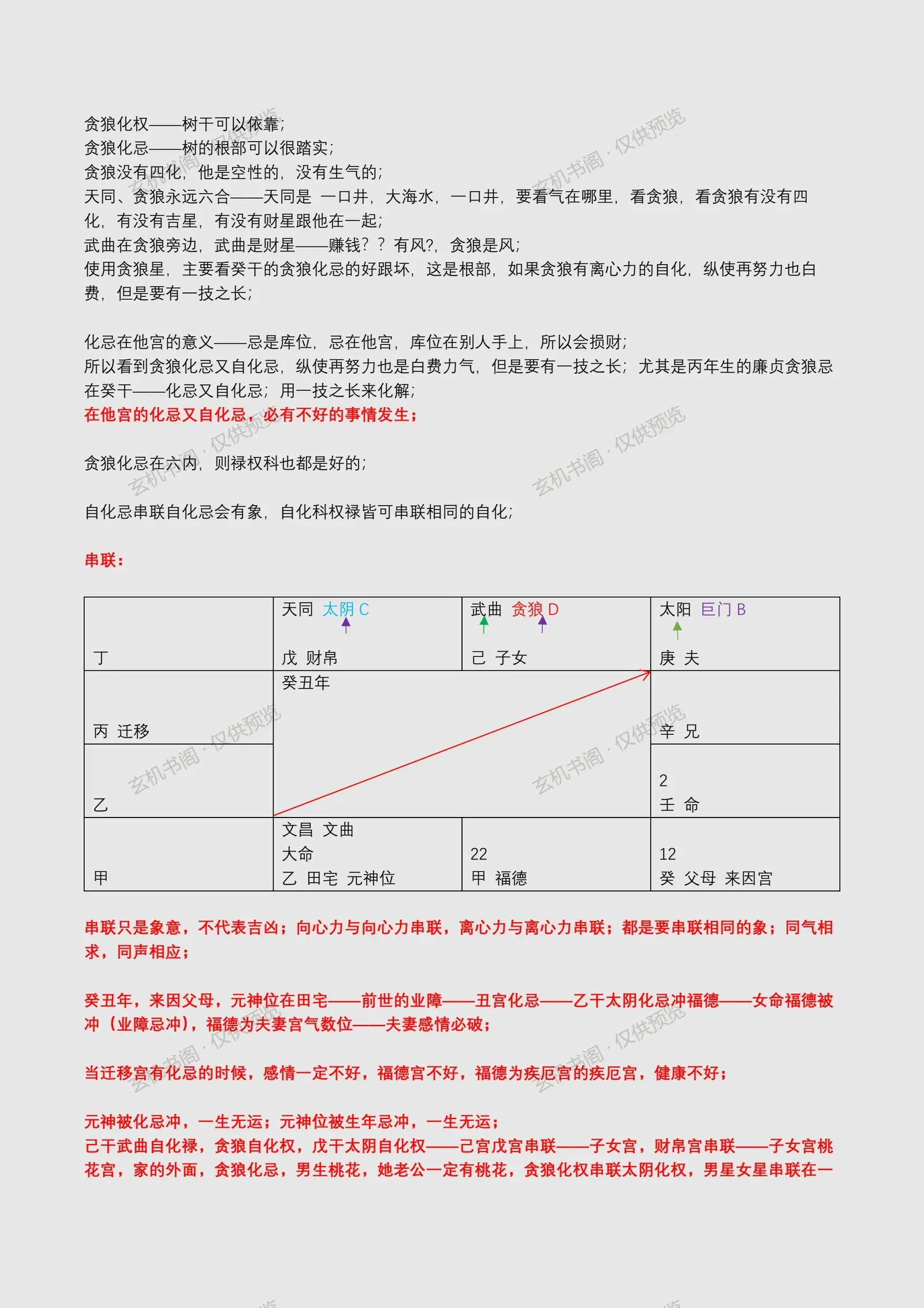
Chart example: lai yin palace and yuan shen position
Key Points
The Qintian school centers on the four prenatal stars Zuo Fu, You Bi, Wen Chang, and Wen Qu.
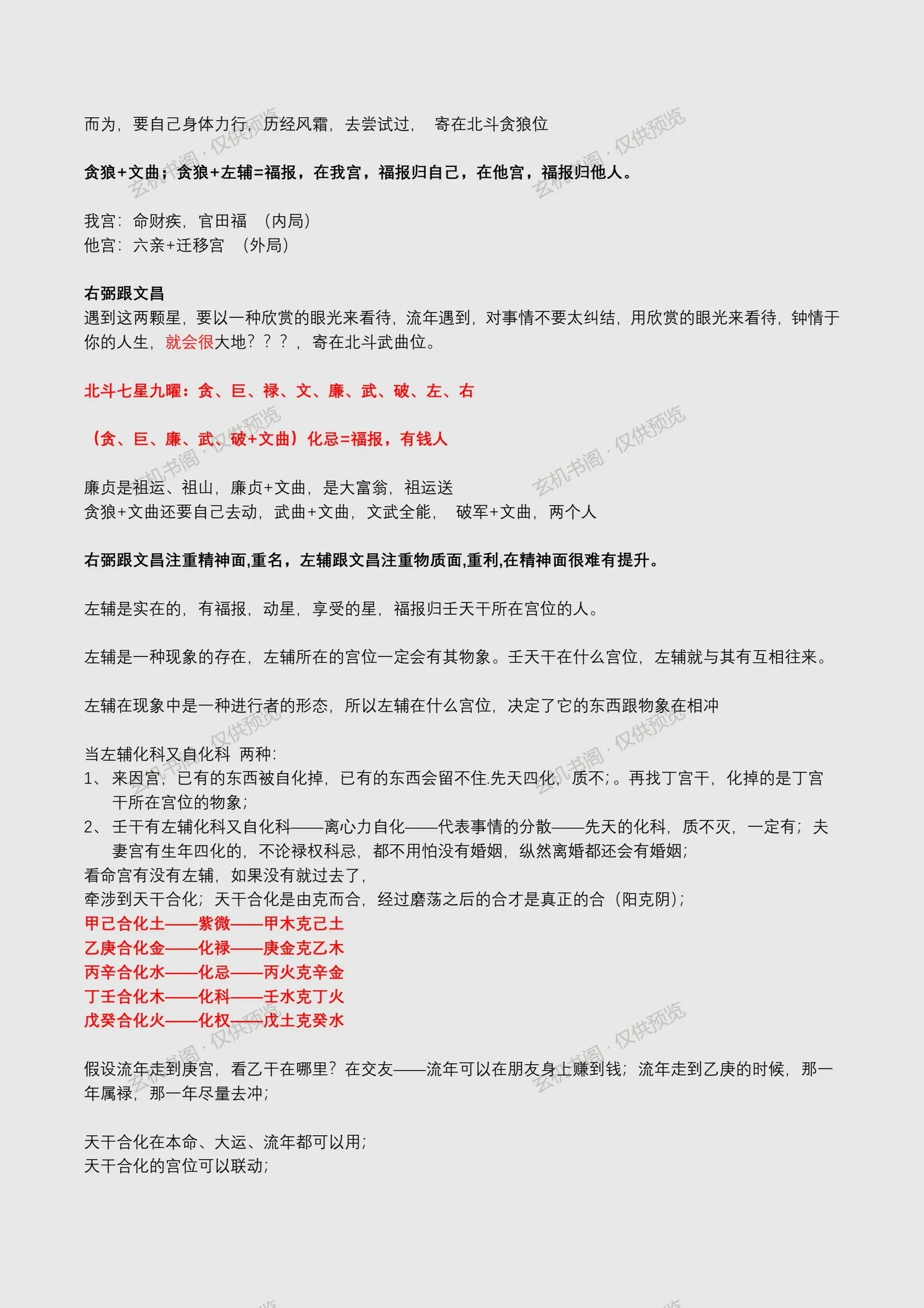
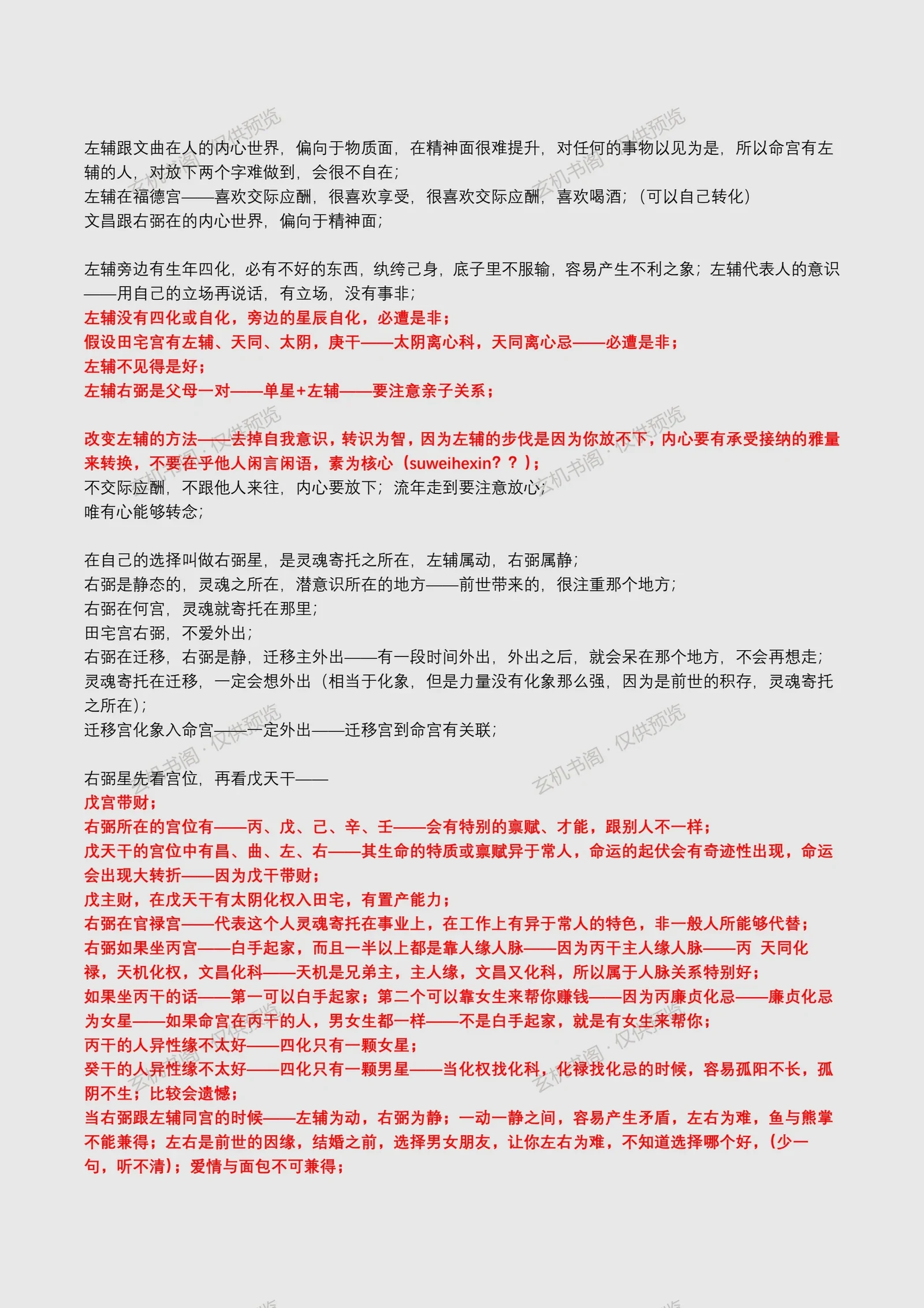
Zuo Fu is dynamic and material; You Bi is static and spiritual; they must be read together.
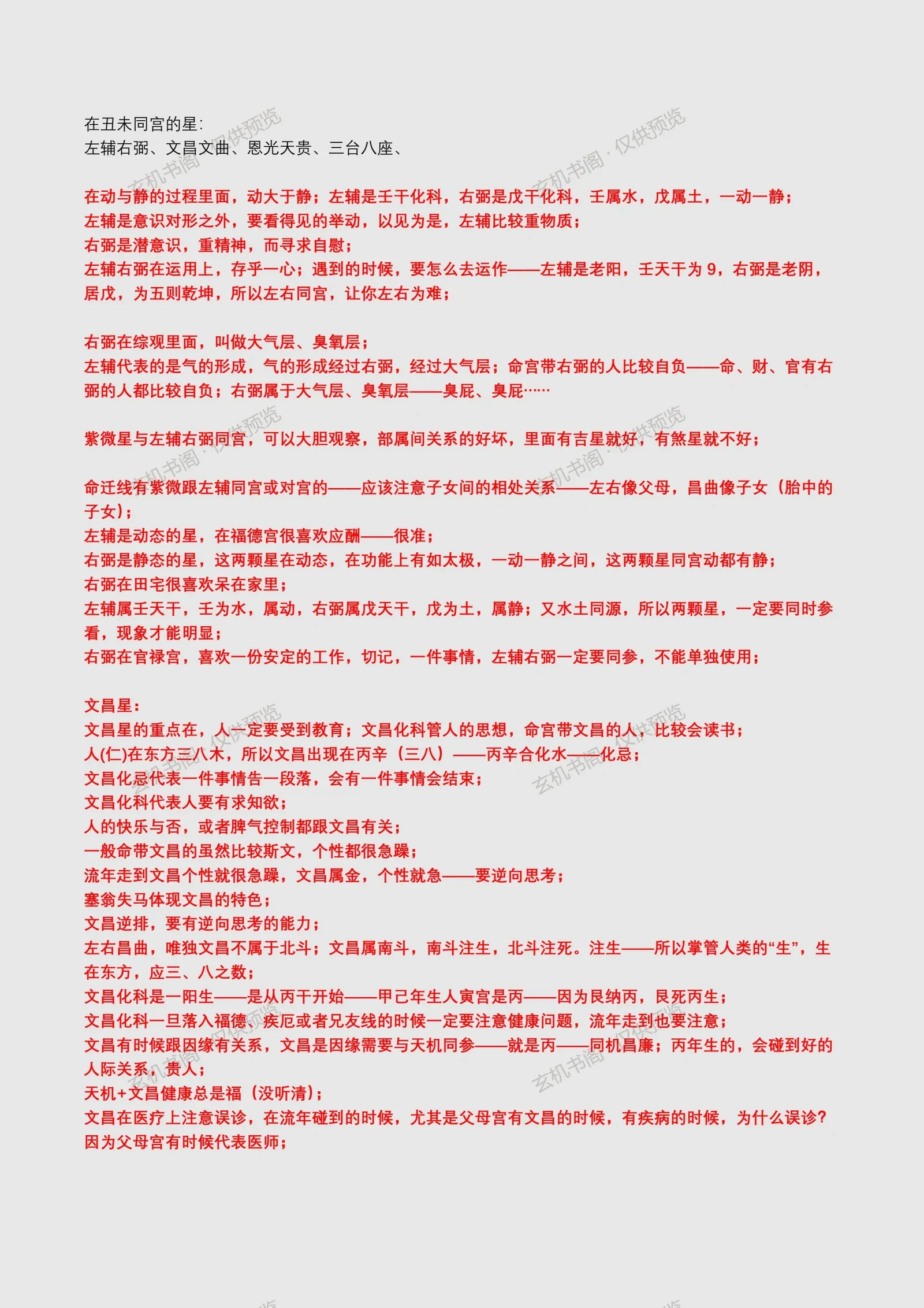
Wen Chang turning into ji marks the end of an affair; Wen Qu into ji relates to desire, romance, and money.
Tan Lang's ji is the root of the chart: its condition determines good or bad outcomes.
A ji in one's own palace is usually favorable; in another palace it often means loss.
A clashed lai yin palace or yuan shen position often points to relationship or health problems.