Reading guide
Content guideOverview
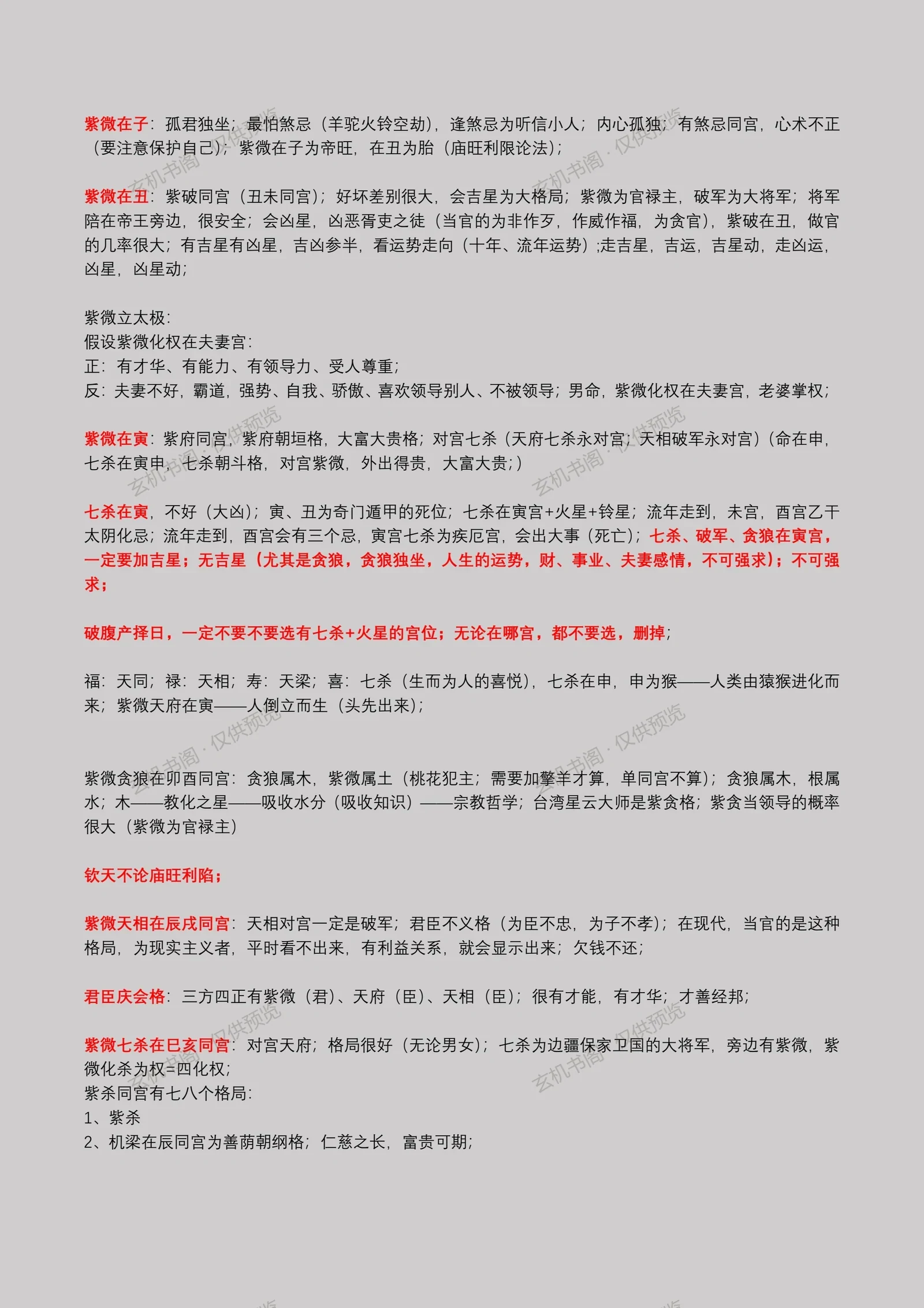
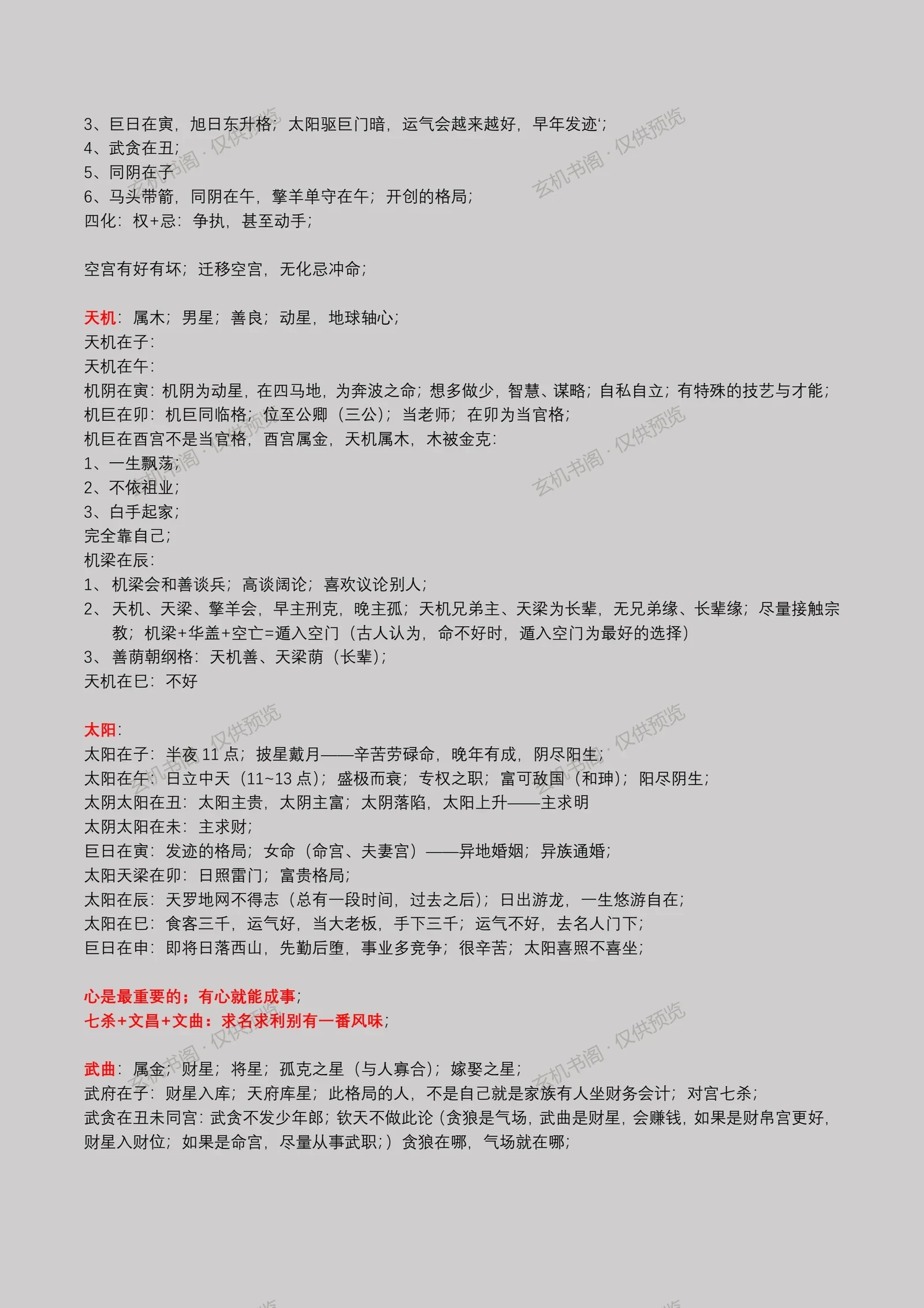
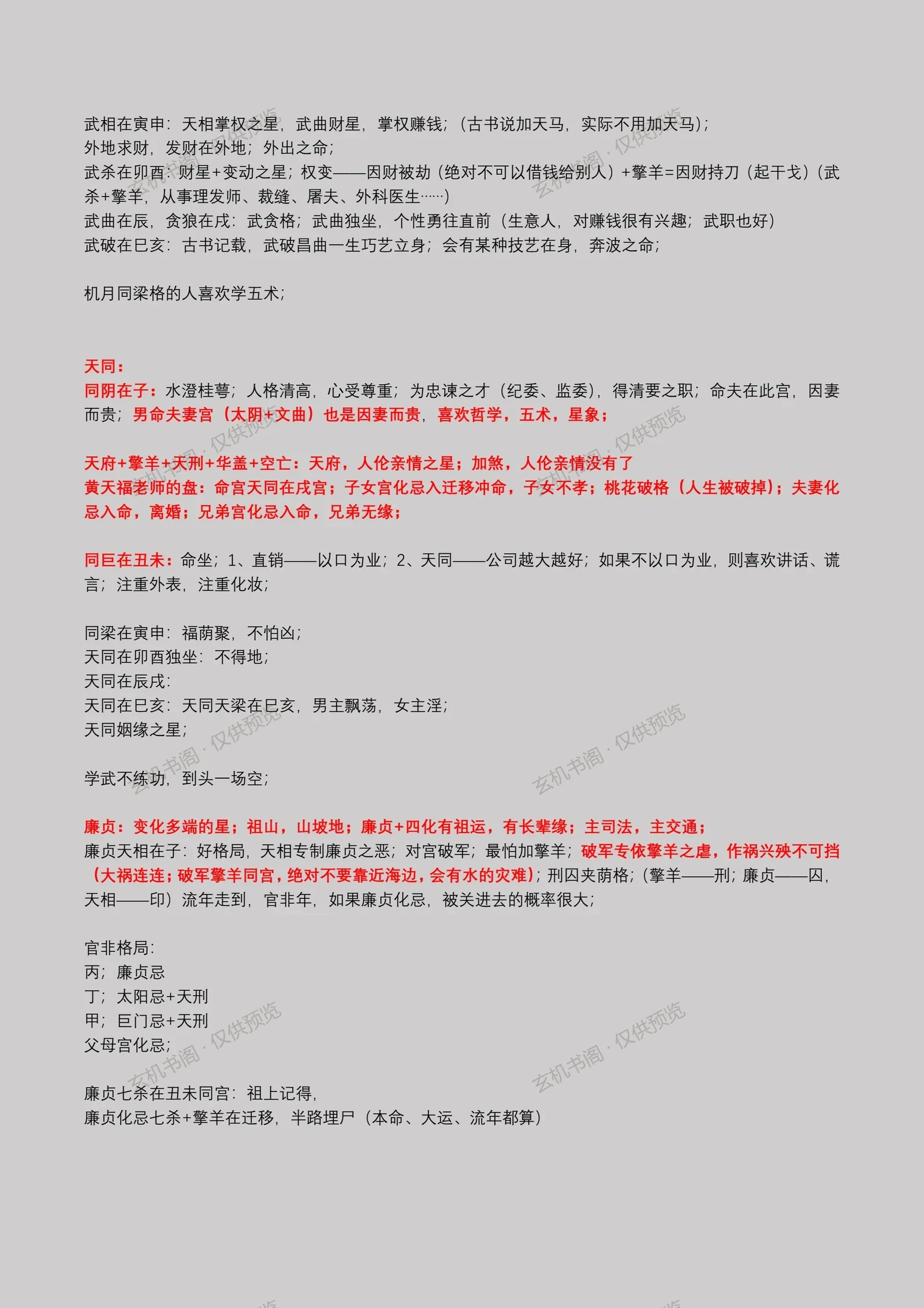
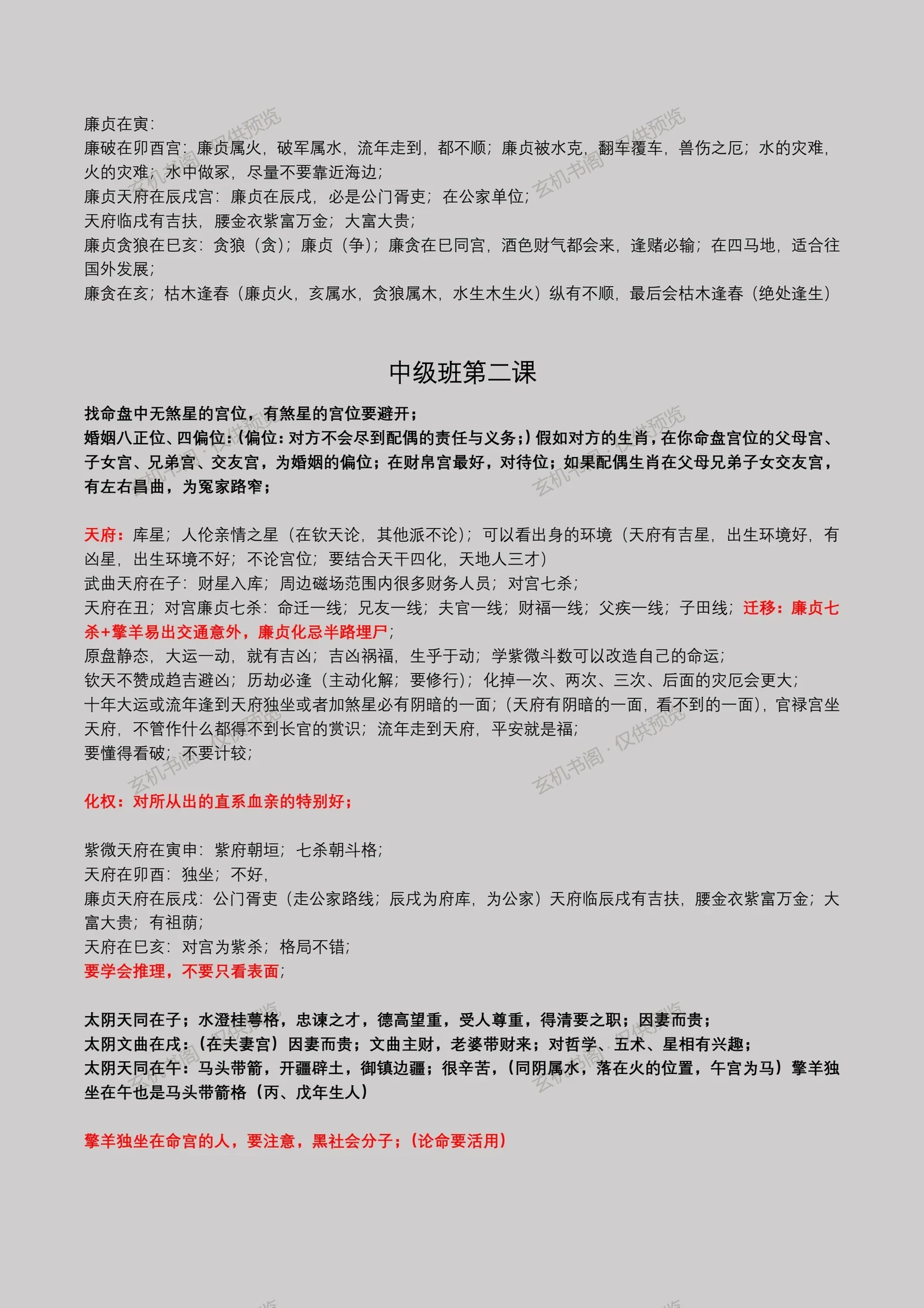
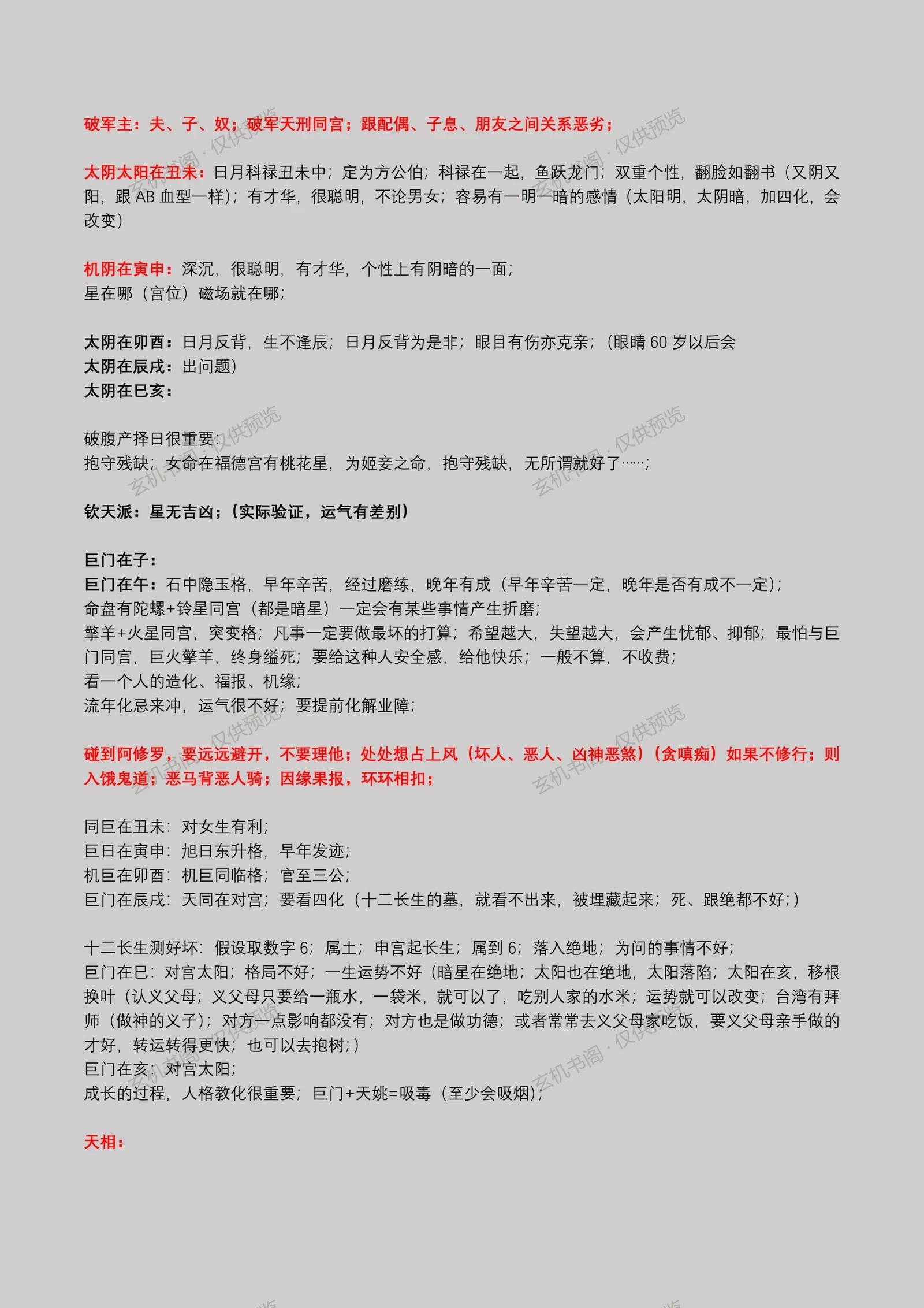
These are class notes from Huang Tianfu's intermediate course on Qintian-school Zi Wei Dou Shu (Purple Star Astrology). The text introduces core Qintian concepts such as star imagery, the Three Powers of Heaven, Earth, and Humanity, palace positions, and the Four Transformations (Lu, Quan, Ke, Ji), emphasizing the philosophical principle that 'where there is an image, there is a corresponding phenomenon.' It then examines the configurations and auspicious/inauspicious indications of major stars—including Zi Wei, Tian Ji, Tai Yang, Wu Qu, Tian Tong, Lian Zhen, Tian Fu, Tai Yin, Ju Men, Tian Xiang, and Po Jun—in different palaces, and discusses practical topics such as annual cycles, major limits, karmic obstacles, marriage, wealth, and legal troubles. The notes also touch on date selection, spiritual practice, and resolving karmic hindrances, making it an advanced textbook suitable for learners with prior foundation in Zi Wei Dou Shu.
Contents
Lesson 1: Fundamentals of the Qintian school and Four Transformations
Configurations and fortunes of the Zi Wei star system
Analysis of Tian Ji, Tai Yang, Wu Qu, Tian Tong, Lian Zhen, etc.
Lesson 2: Tian Fu, Tai Yin, Ju Men, Tian Xiang, Po Jun, etc.
Annual cycles, major limits, and resolving karmic obstacles
Key Points
The Qintian school emphasizes that star images correspond to actual phenomena through palaces and Four Transformations.
The Four Transformations—Lu, Quan, Ke, Ji—relate to wealth, work, relationships, and responsibility.
Each major star has different configurations and indications depending on its palace, requiring synthesis with auxiliary stars and transformations.
The Fu De palace is crucial, involving enjoyment, spiritual practice, and destiny transformation.
The text includes practical perspectives on date selection, karmic obstacles, and marriage.