Reading guide
Content guideOverview
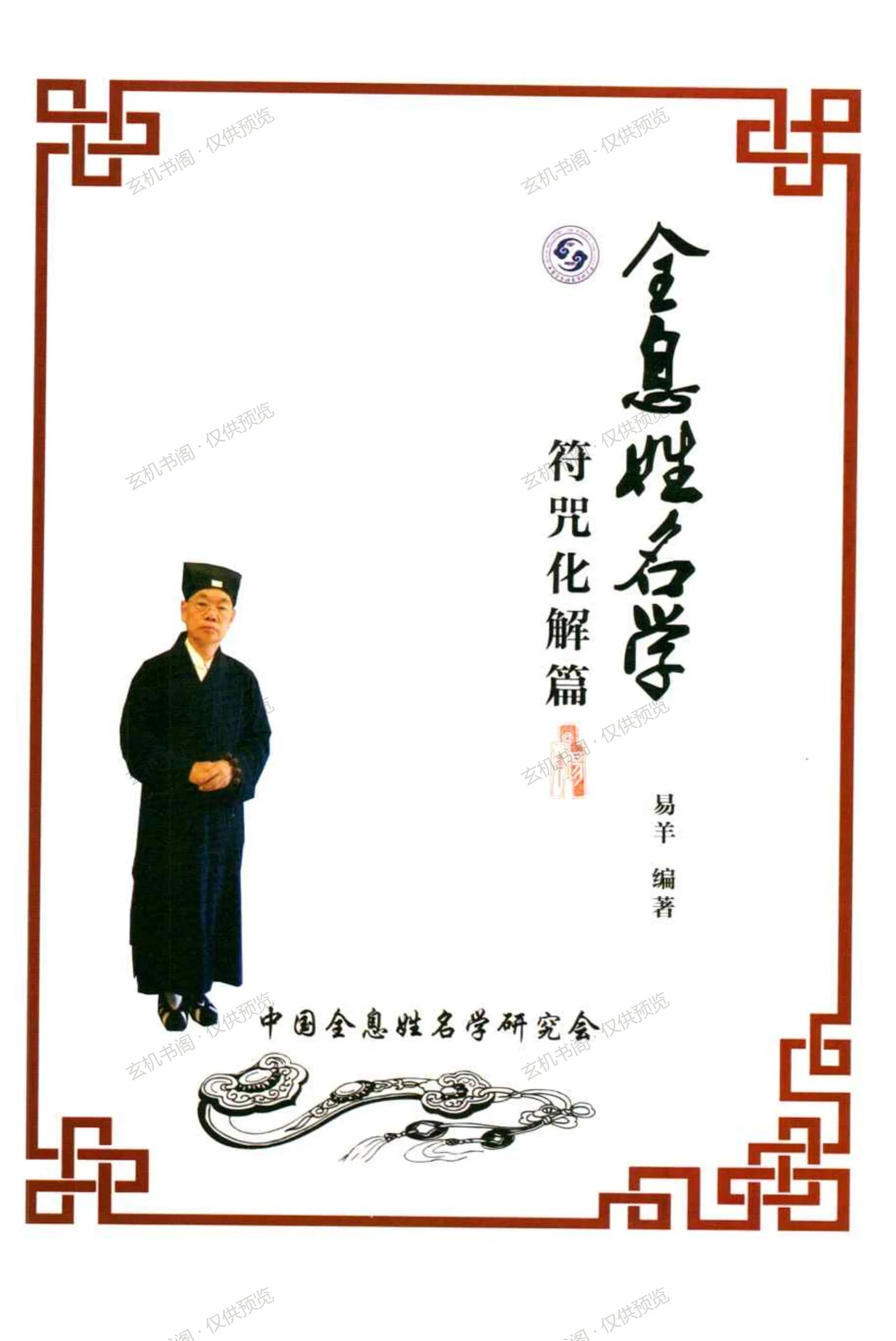
Compiled by Yi Yang (Daoist name Jingzhi) for the China Holographic Nameology Research Association and the Wuwei Education College, this text explores the links between personal names, Chinese characters, diagrams, and Daoist talismans. Starting from the idea that Chinese characters retain pictographic features and therefore possess talismanic power to bind and summon spirits, the opening chapters discuss Daoist scripts such as cloud-seal, bird-seal, and tadpole script as materials for talismans, seals, and commands. It also draws on ancient catalogues of spirits, including the Bai Ze Tu, the Baigui Lu, and the Jiuding Ji, to explain how knowing and calling spirit names can control them. The text further cites the Baopuzi, Sanhuang Jing, and Dunhuang fragments to discuss name magic and sympathetic magic. It is intended for readers with some background in nameology or Daoist talismanic culture.
Contents
Opening essay: characters, images, and talismanic binding
Daoist scripts: cloud-seal, bird-seal, talismans and seals
The Sanhuang Jing and summoning spirits
Yu the Great's nine cauldrons and spirit catalogues
The Bai Ze Tu, Baigui Lu, and calling names to control spirits
Name magic and sympathetic magic
Key Points
Chinese characters are treated as pictographic and thus talismanically potent.
Daoist cloud-seal and bird-seal scripts are used for talismans and seals.
Spirit catalogues record names and traits to control ghosts and spirits.
Calling a spirit's name is explained through name magic and sympathetic magic.
Nameology is linked to talismanic and magical practices through Daoist texts.