Reading guide
Content guideOverview
Authored by Xu Guangyou, The Three Talents Determine a Life builds on the classical triad of Heaven, Humanity, and Earth. It argues that birth time represents heavenly fate, personal conduct represents human agency, and yin/yang dwellings represent earthly feng shui, each shaping roughly one third of a life. Inheriting the theories of his teacher Ni Haixia, the author holds that although destiny cannot be altered, adjusting poor habits and living in the right orientation can avert misfortune and improve fortune, since two thirds outweigh one third. The preface draws on the Yijing and Duan Yi Tian Ji to explain divination, while the main discussion links Zi Wei Dou Shu to timing and feng shui to spatial layout. Examples compare people with identical charts born in Taipei and Mongolia to show how environment reshapes destiny. The book also maps the Later Heaven Bagua onto household roles and discusses accumulating hidden virtue and study as ways to change one's course.
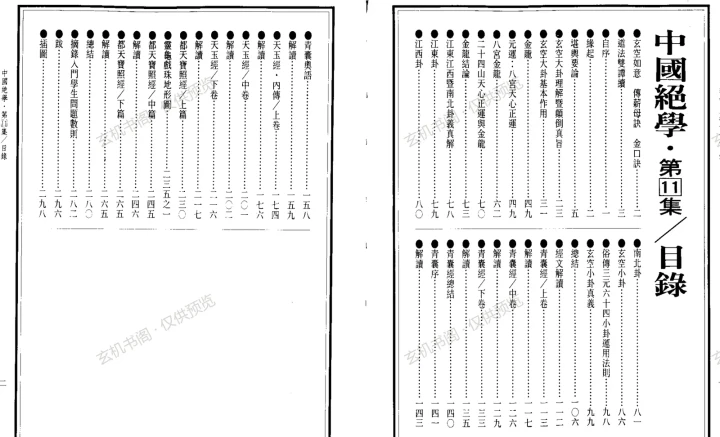
Contents
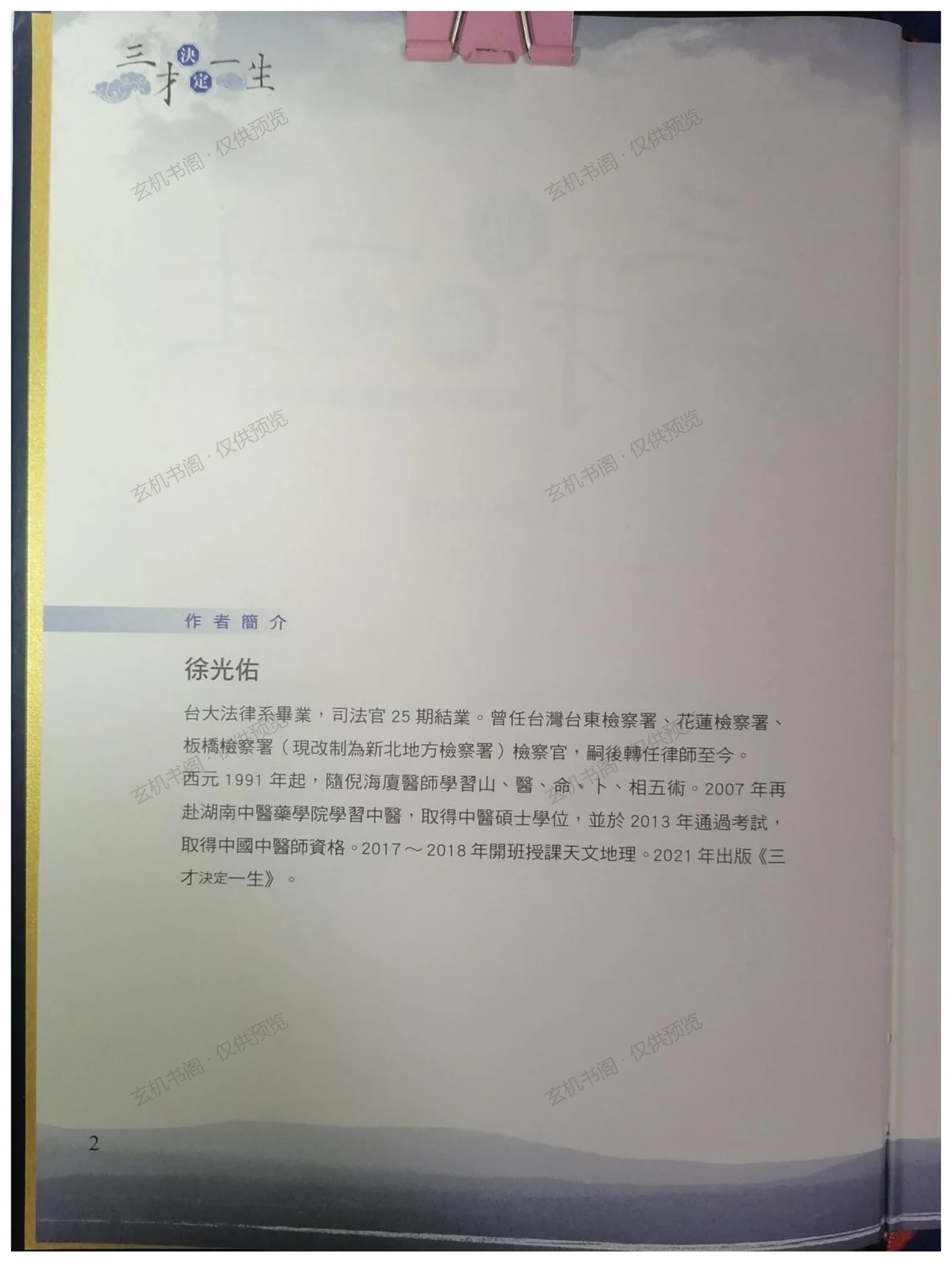
Author biography and origins of the book
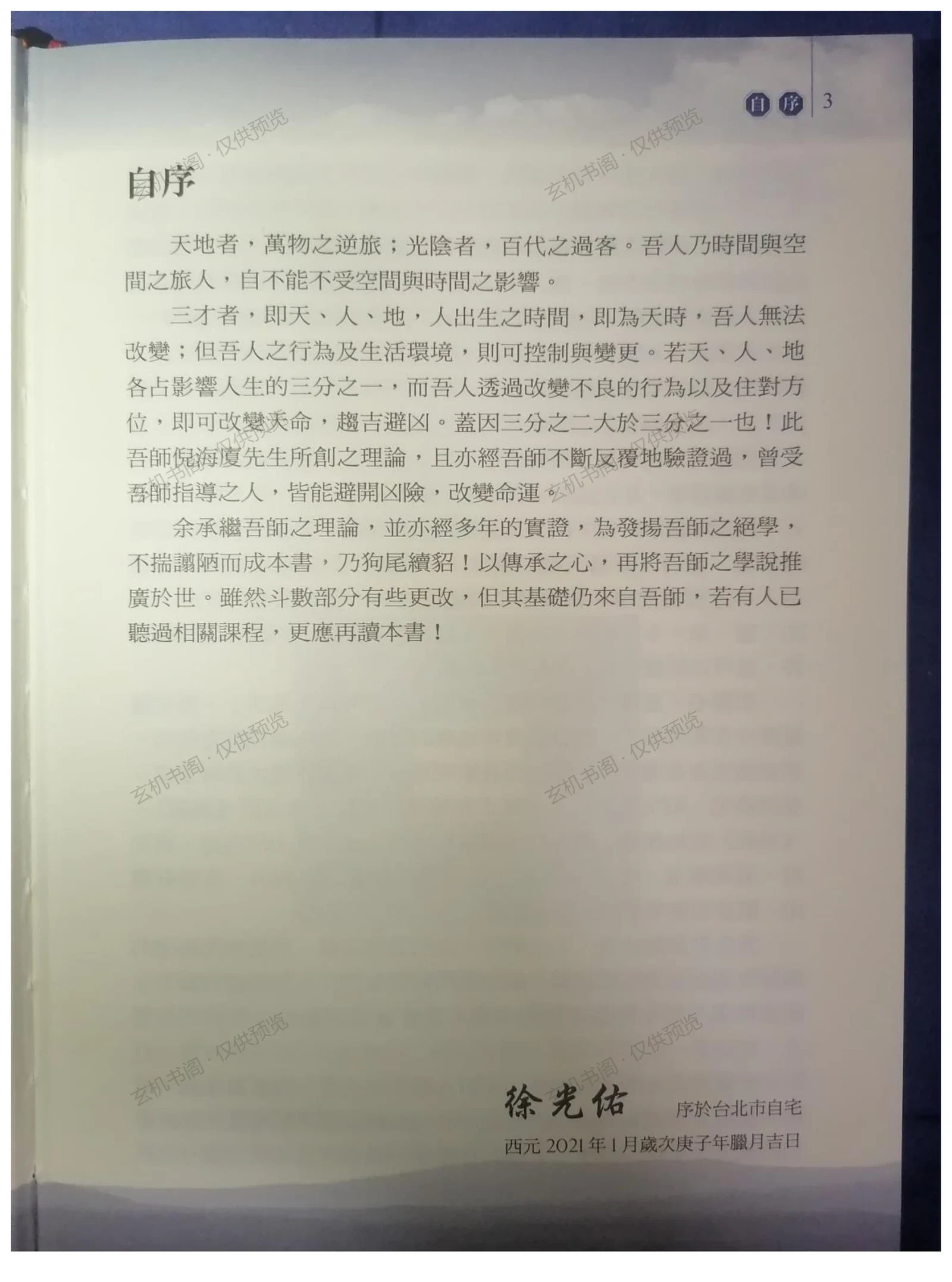
Preface: the three talents and the one-third thesis
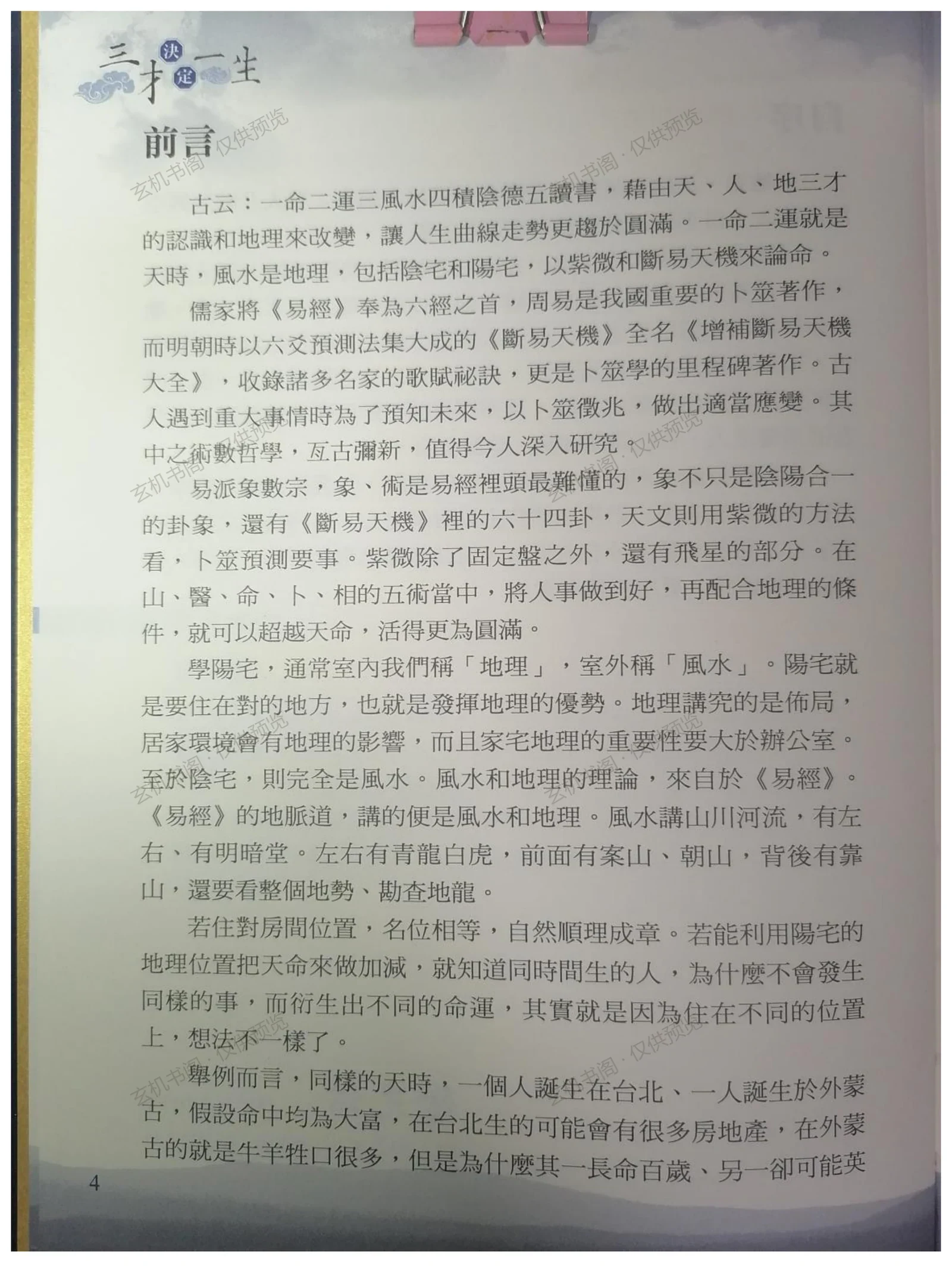
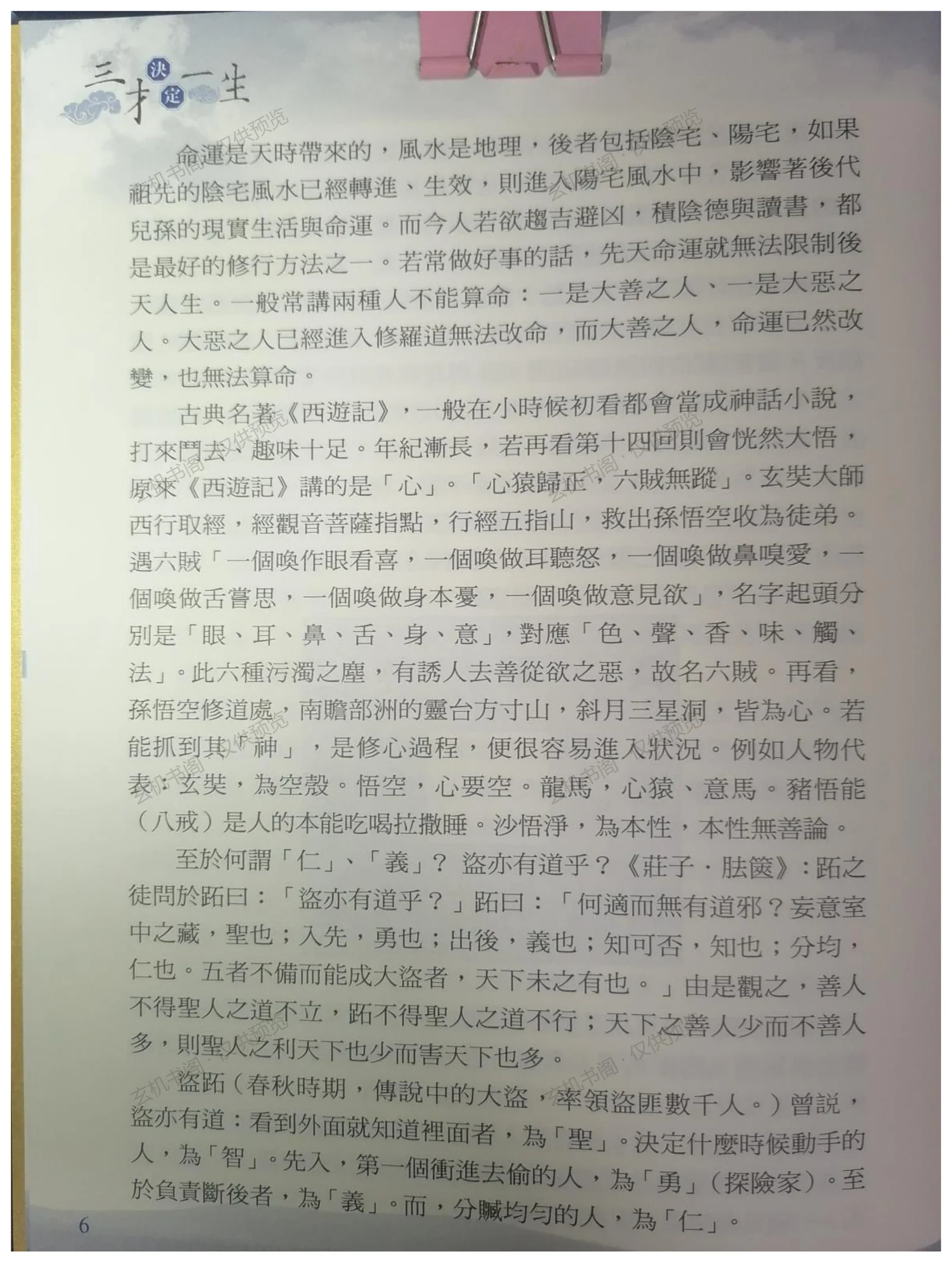
Introduction: fate, luck, feng shui, virtue, and study
The Yijing and Duan Yi Tian Ji in divination
Zi Wei Dou Shu as timing, yang dwelling as space
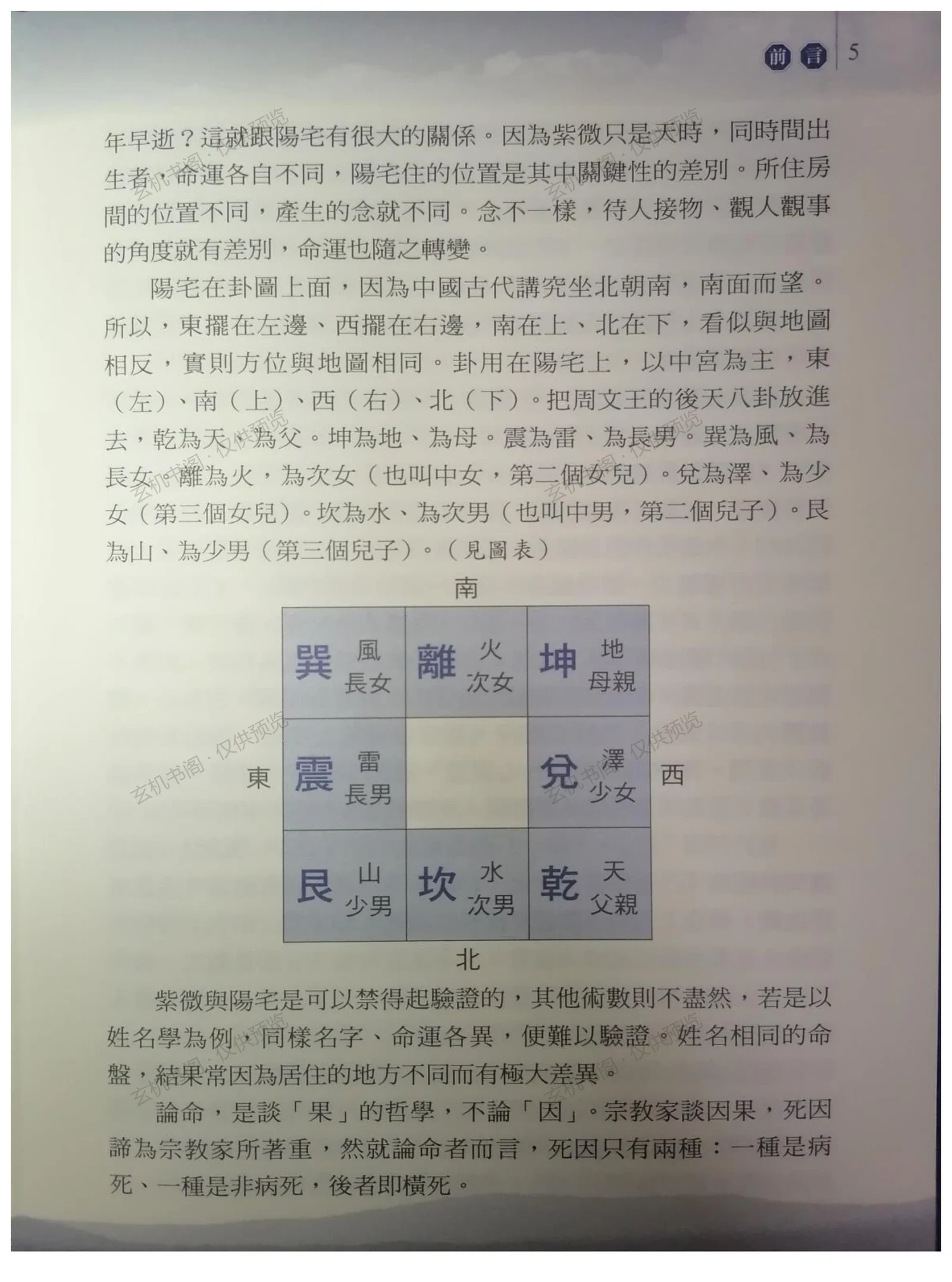
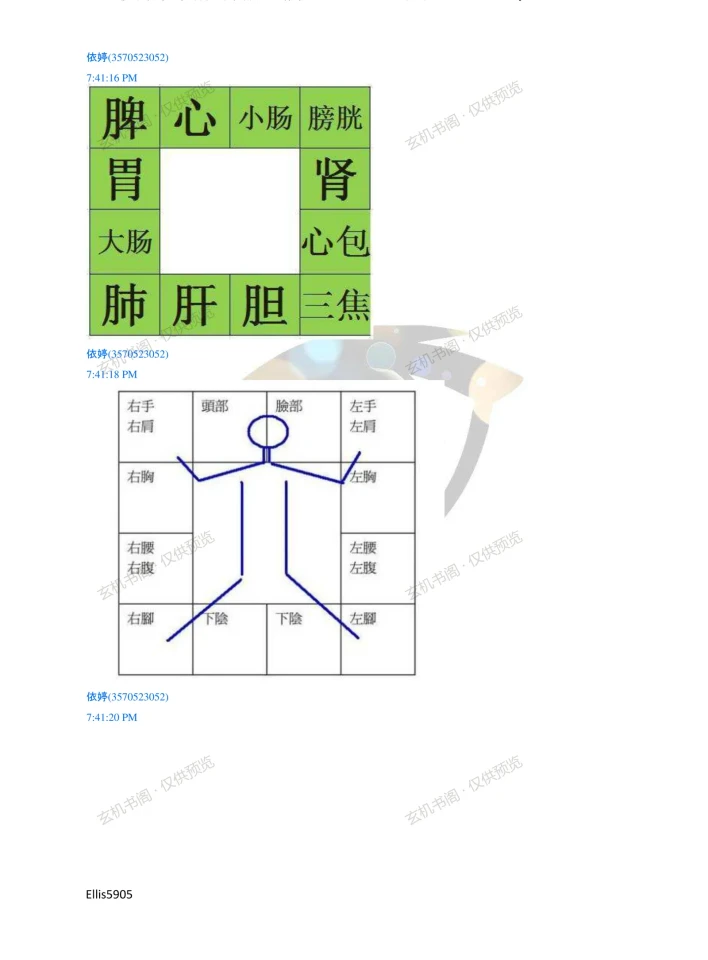
Later Heaven Bagua and household roles
Hidden virtue, study, and self-cultivation
Key Points
Heaven, Humanity, and Earth each account for about one third of life's outcome.
Zi Wei Dou Shu reflects timing; identical charts differ by dwelling orientation.
Yang dwellings center on the middle palace, with Bagua mapping family roles.
Feng shui derives from the Yijing and addresses mountains, rivers, and dragon veins.
Accumulating hidden virtue and study are presented as ways to change fate.