Reading guide
Content guideOverview
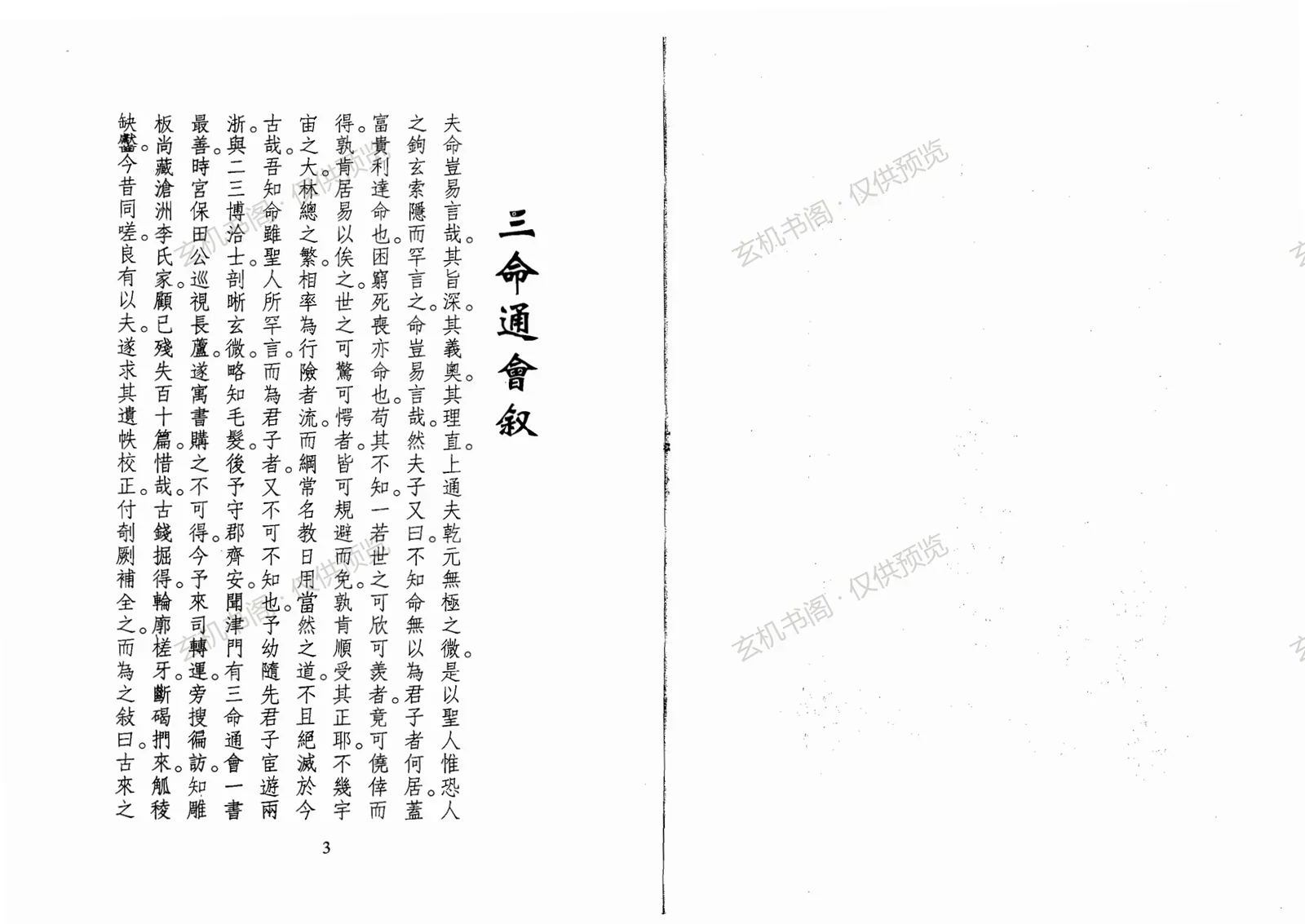
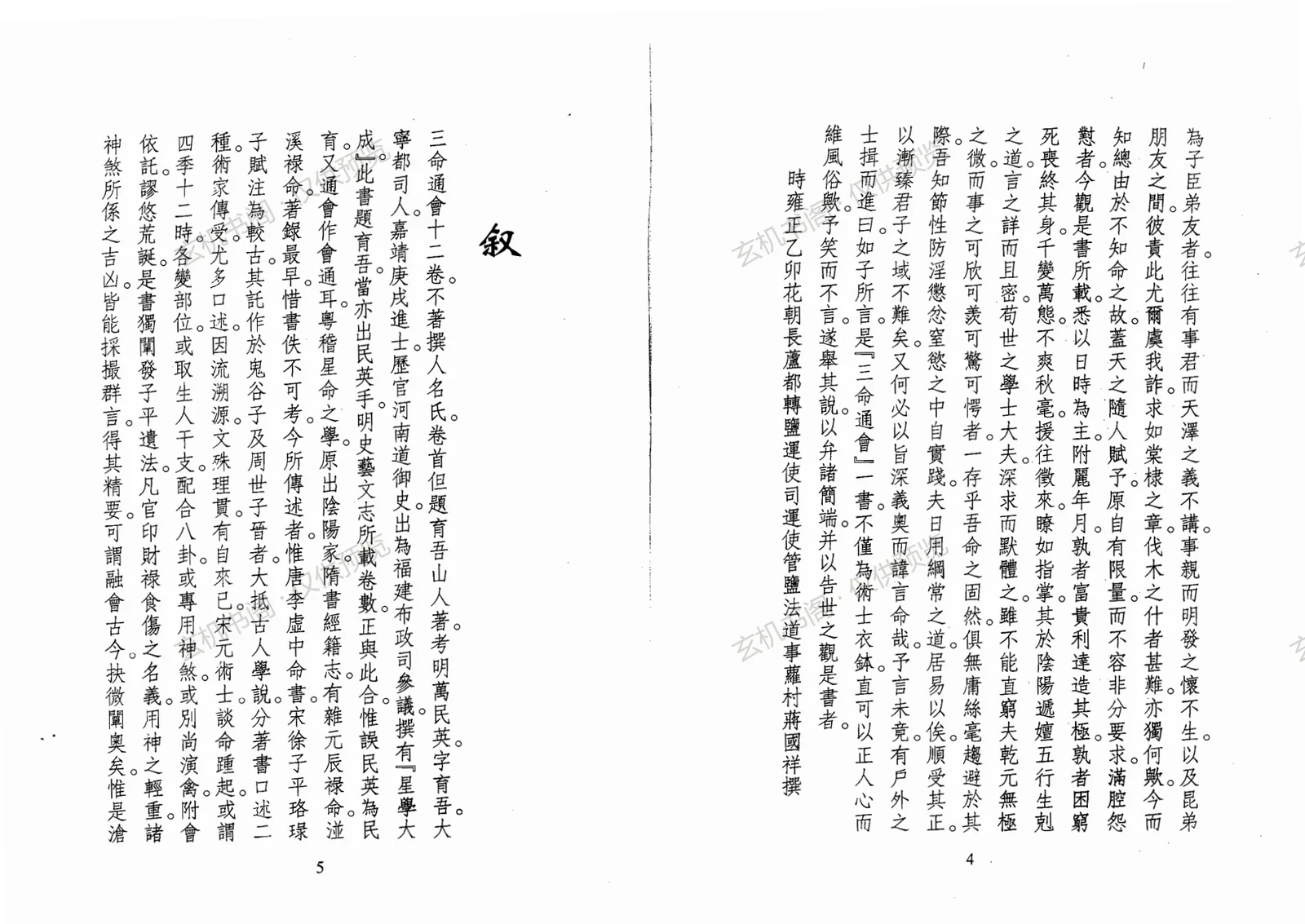
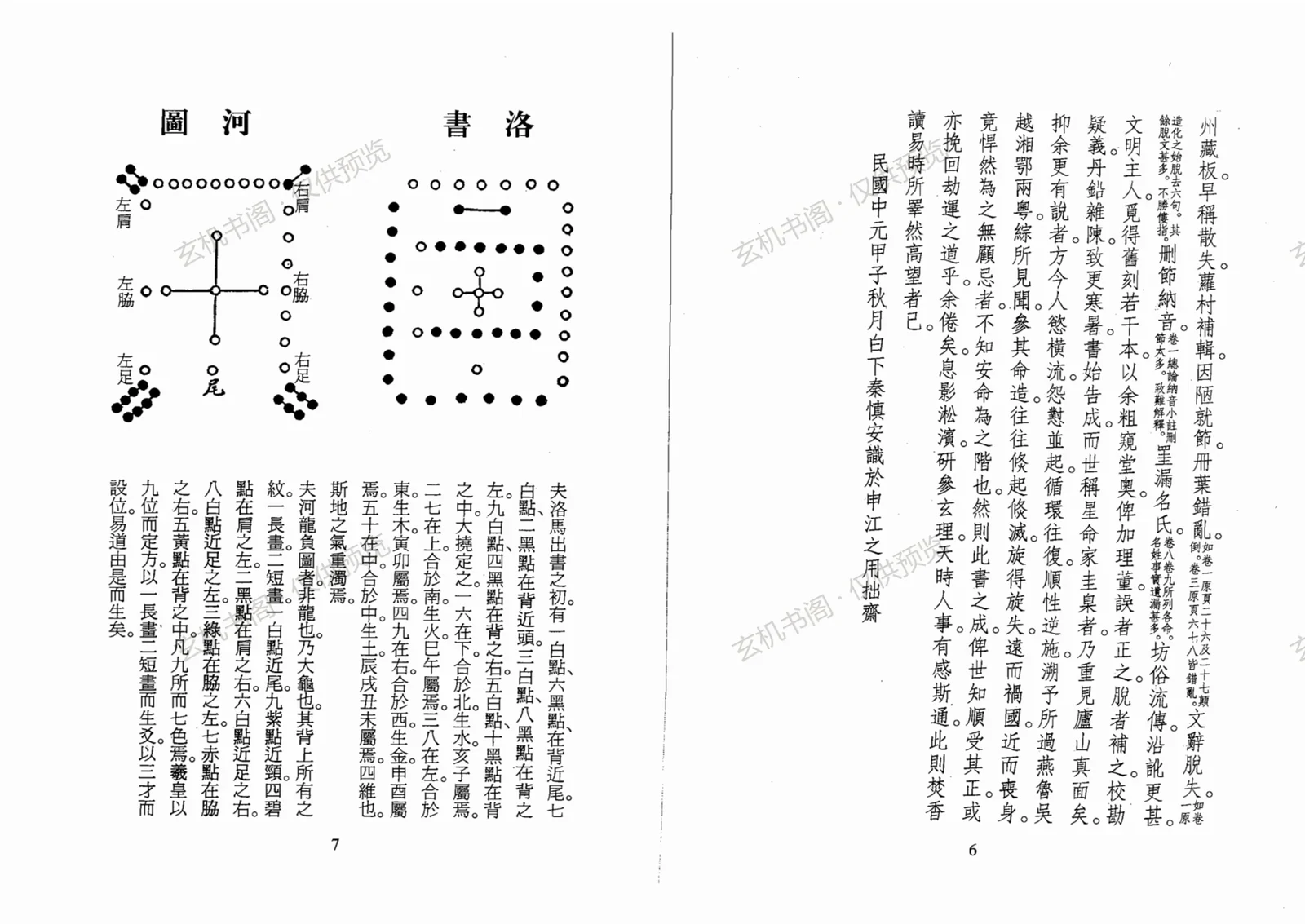
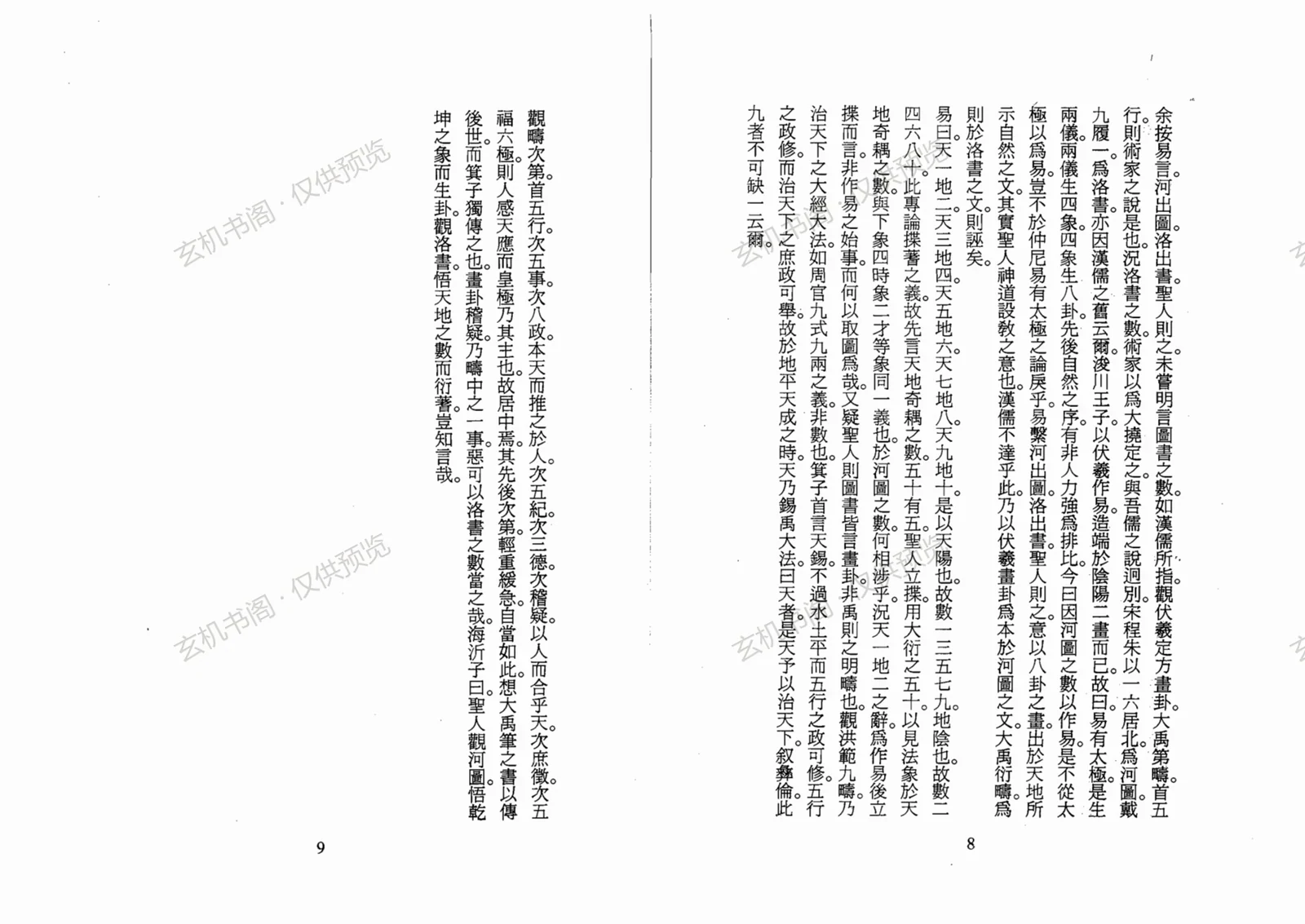
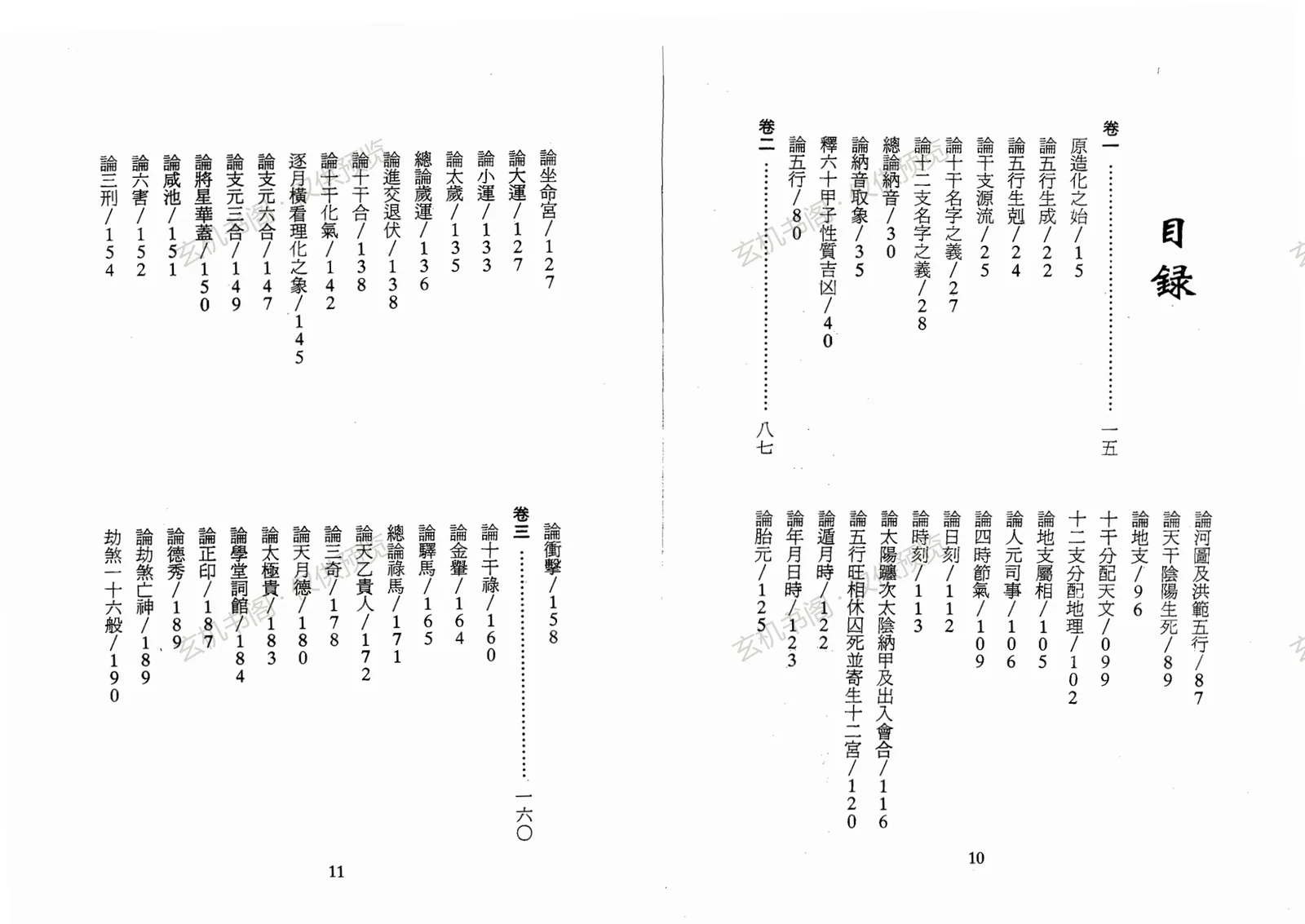
San Ming Tong Hui is a major Ming-dynasty compendium of Chinese fate calculation, attributed to Wan Minying. This scanned edition opens with the cover, a preface, diagrams of the Hetu and Luoshu, and the tables of contents for juan 1 to 3. The work first establishes its cosmological basis in the Hetu-Luoshu and yin-yang Five Phases, then explains the heavenly stems and earthly branches, the imagery of nayin, and the names of the ten gods. It goes on to detail the calculation of major and minor luck cycles, the fetal origin and life palace, the twelve palaces and spirits, and the growth-and-decline stages of the ten stems. Because it gathers terminology, imagery and rules in one place, it is useful for tracing the sources of BaZi concepts and for comparing early methods with later Ziping literature. The scanned contents pages help readers locate topics by juan, though the traditional vertical text and dense terminology require some prior knowledge of BaZi.
Contents
Preface and Hetu-Luoshu diagrams
Juan 1: cosmology, Five Phases, stems and branches
Juan 2: nayin imagery, names of stems, Five Phases
Juan 3: luck cycles, life palace, fetal origin, spirits
Juan 3 continued: lu, post horse, nobleman, academies
Punishment, clash, harm and kalpa spirits
Key Points
Grounds fate calculation in Hetu-Luoshu and yin-yang Five Phases
Explains the origins and imagery of stems, branches, nayin and ten gods
Details methods for luck cycles, life palace and twelve palaces
Collects entries on nobleman, post horse, academy and kalpa spirits
Retains the original contents for locating topics by juan