Reading guide
Content guideOverview
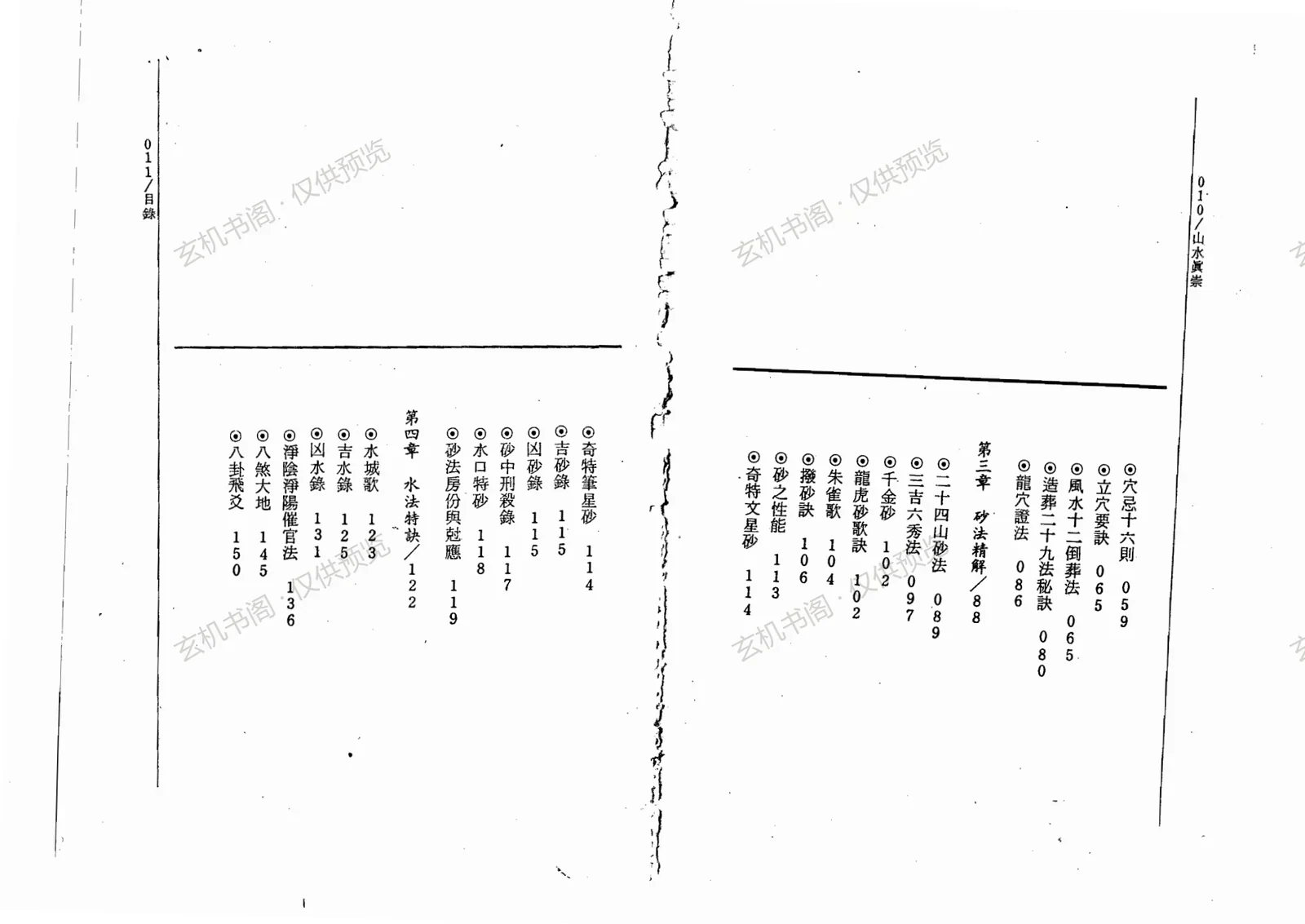
Shanshui Zhenchong by Liang Guibo is a feng shui geography manual in the Fengshui Series. The cover motto stresses observing water flow, recognizing the arising dragon, explaining Five Elements and liqi, and avoiding sha to seek good fortune. The back cover presents the book as an introduction to the geographical roots of Hetu-Luoshu liqi, its appropriate application together with the Five Elements, and the influence of landforms on fortunes, so that readers may find suitable burial sites and choose dwellings while understanding the harm of sitting on sha directions or facing year-break and void-death positions. The preface notes that Chinese kanyu has long been veiled in mystery, and the book seeks to address superstition and error. The table of contents has four chapters: landform basics with the Five Stars (metal, wood, water, fire, earth) body forms and their auspicious or inauspicious shapes; true formulas of site feeling, including the four-force diagram and explanations of wo, qian, ru and tu that should not be buried; a detailed chapter on sha methods, covering twenty-four mountain sha, three auspicious and six elegant methods, qianjin sha, dragon and tiger sha, zhuque sha, bosha formulas, the nature of sha, and unusual rock sha; and water methods, with the Water City Song, records of auspicious and inauspicious waters, special sha at water mouths, and formulas for house allotment and responses. The book focuses on landform and form methods, supported by liqi, and collects many mnemonic verses and judgments. It suits readers with some feng shui background who want a systematic view of the form and liqi schools in dialogue, and can also serve as a reference for the terminology of mountain and water methods.
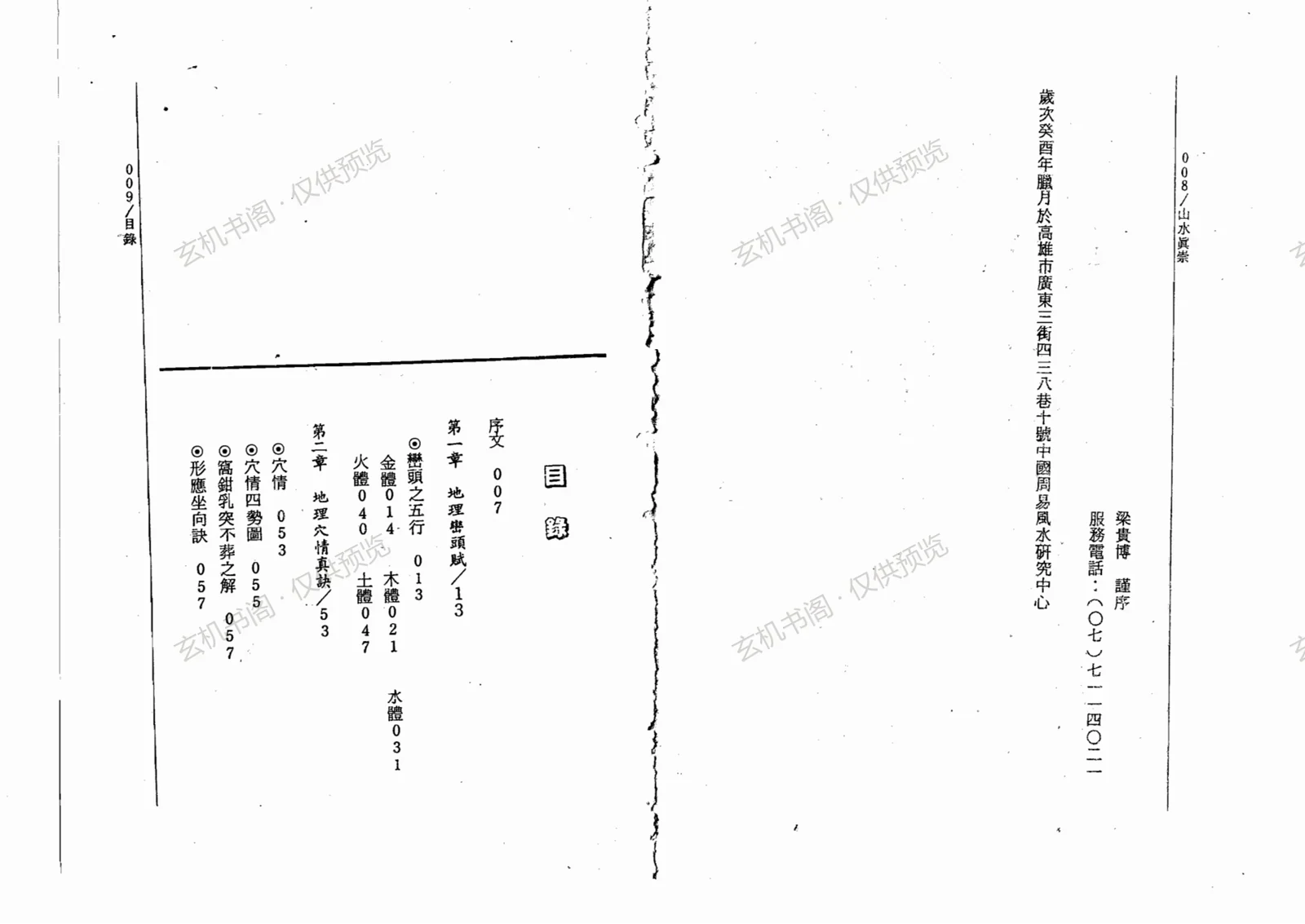
Contents
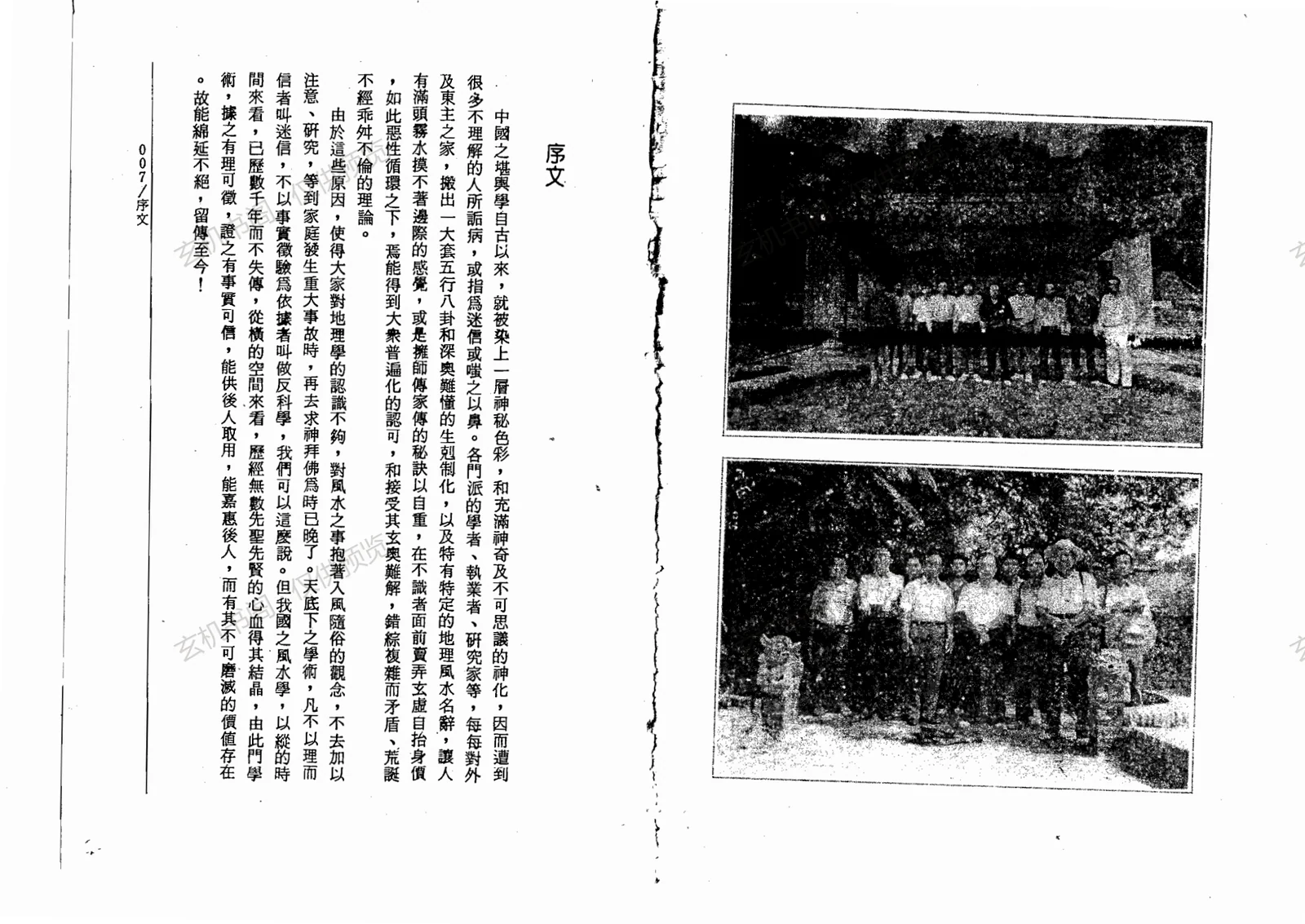
Preface by the author Liang Guibo
Chapter 1: Landform Theory: general discussion and the Five Stars
Chapter 2: True Formulas of Site Feeling: four forces and orientation
Chapter 3: Sha Methods: twenty-four mountain sha and bosha formulas
Chapter 4: Water Methods: Water City Song and auspicious/inauspicious waters
Key Points
Treats landform as the backbone, using the Five Stars to classify mountain dragons
Chapter 2 focuses on site feeling, with the four-force diagram and taboos on wo, qian, ru and tu
Chapter 3 details sha patterns such as twenty-four mountain sha, three auspicious and six elegant, dragon-tiger and zhuque
Chapter 4 collects the Water City Song, records of good and bad waters, and formulas for house allotment
Blends Hetu-Luoshu liqi and Five Elements application, covering both burial and dwelling sites