Reading guide
Content guideOverview
This handout compiles teaching screenshots from a Zi Wei Dou Shu systematic course, focusing on the group of hour-based stars placed according to the birth hour. It first gives the placement formulas for Wenchang and Wenqu, then contrasts the time scales of year-, month-, day- and hour-based stars: year stars are long-lasting but slow to evolve, while hour stars are short-lived but fast-moving. Representative hour stars include Wenchang, Wenqu, Earthly Void, Earthly Robbery, Taifu and Fenggao. The core of the lesson is chart verification: charts of adjacent hours often look alike, differing mainly in the theme palace and hour stars. Two approaches are presented—checking whether major life events fall on stacked palaces, or using the palace positions of Wenchang, Wenqu and the Void/Robbery pair. The text also explains why Qingyang, a year star, is unsuitable for verification since it stays fixed for everyone born in the same year.
Contents
Placement formulas and diagram for Wenchang and Wenqu
Comparing year, month, day and hour star time scales
Representative hour stars: Wenchang, Wenqu, Void and Robbery
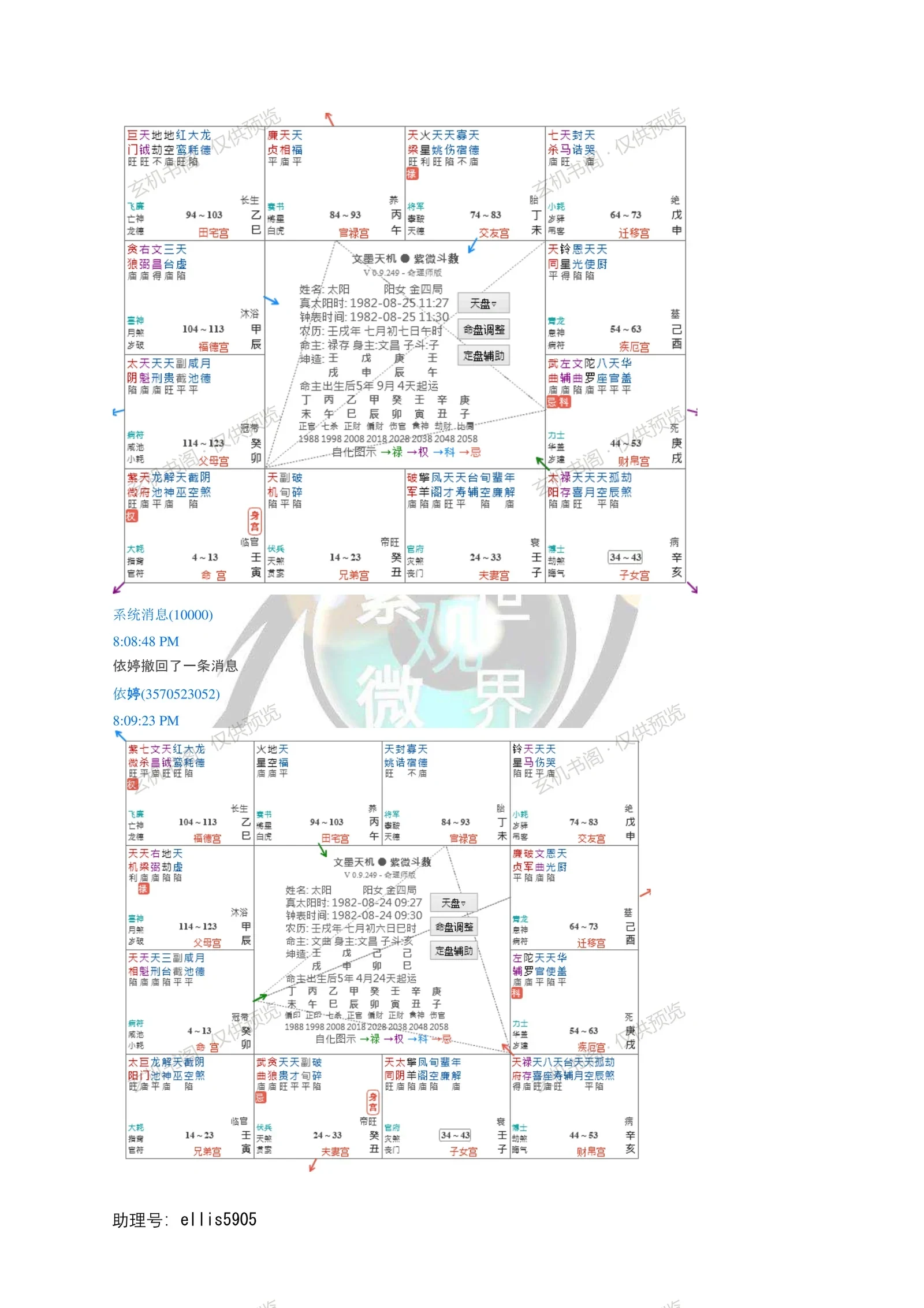
Verification logic: theme palace and hour star differences
Method one: matching stacked-palace event years
Method two: using Wenchang, Wenqu and Void/Robbery positions
Examples of Void/Robbery imagery and why Qingyang fails
Key Points
Wenchang counts backward from Xu, Wenqu forward from Chen, starting at Zi
Year stars act slowly and long; hour stars act fast and short
Charts of nearby hours differ mainly in theme palace and hour stars
Verification checks career, moving, surgery and marriage years against stacked palaces
Void and Robbery suggest falling, loss of control or being hollowed out
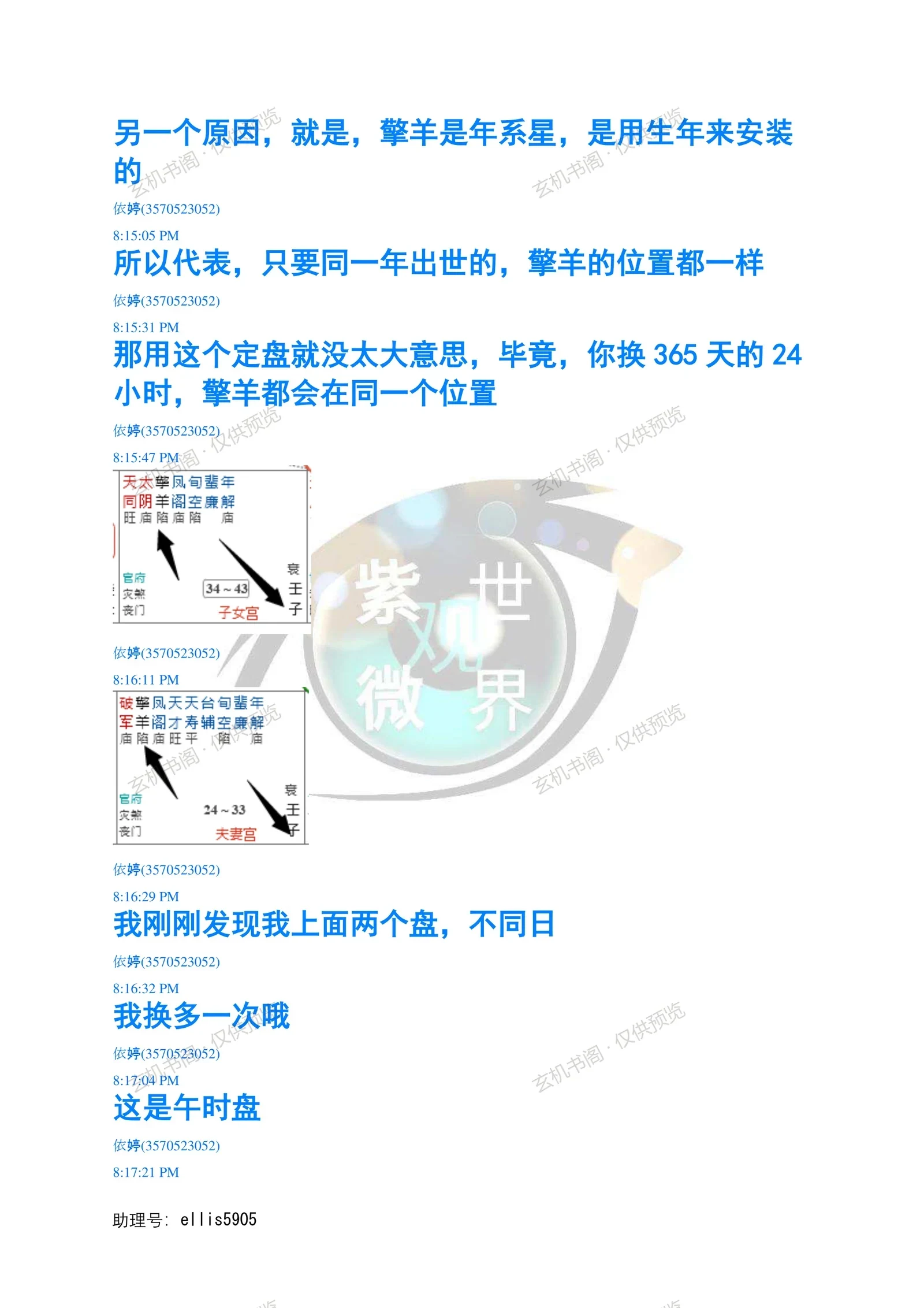
Qingyang is a year star, identical for the same birth year, so unfit for verification