Reading guide
Content guideOverview
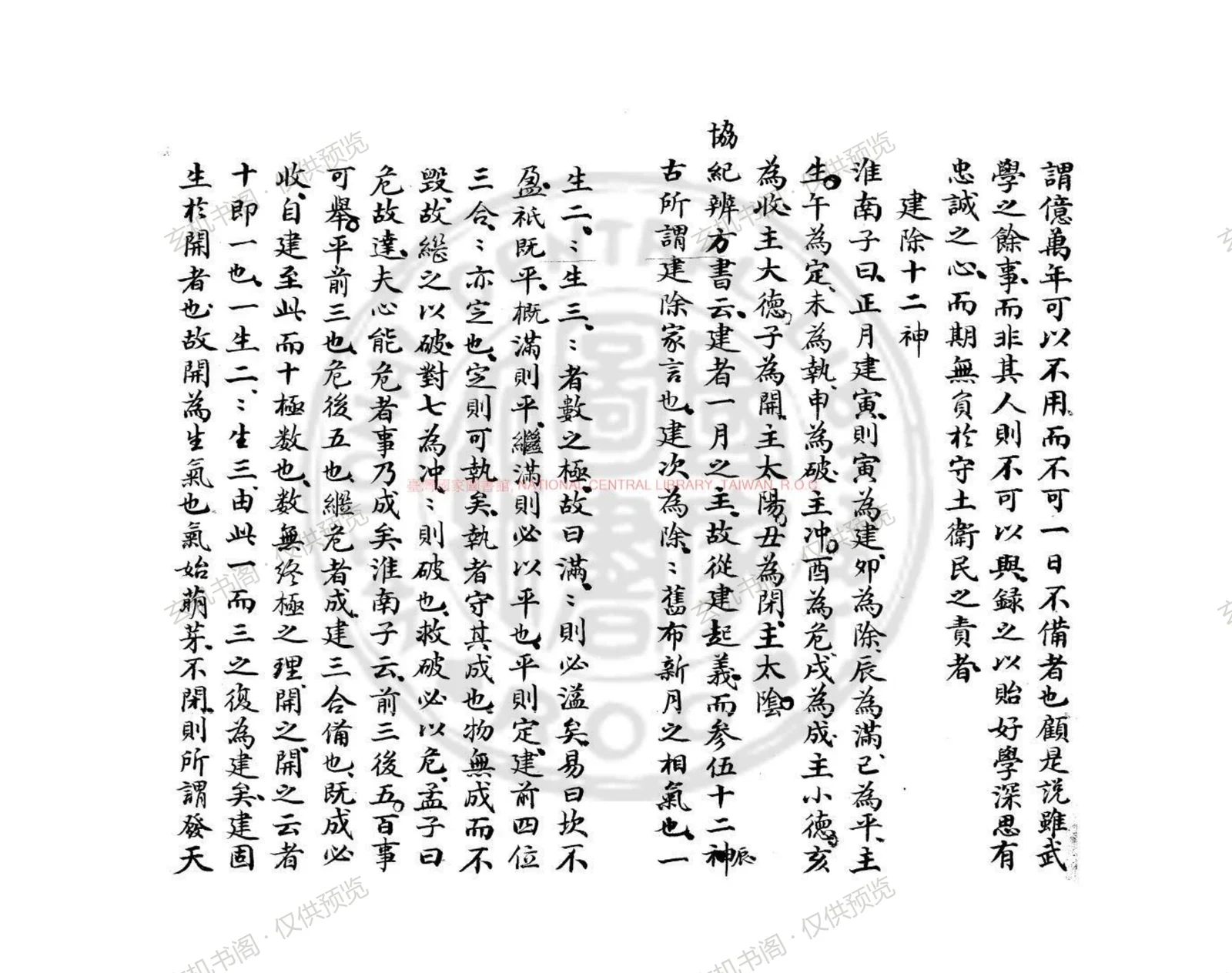
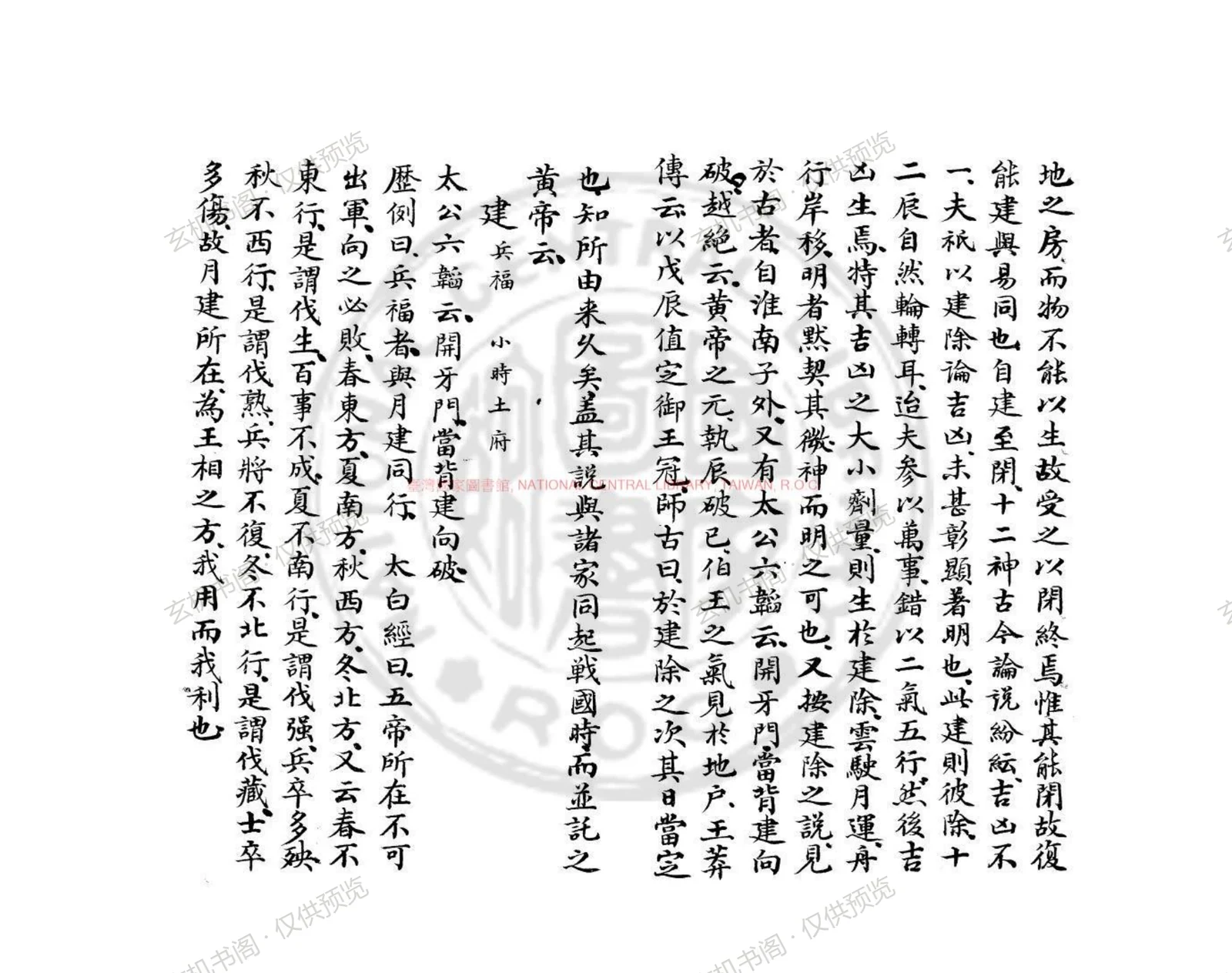
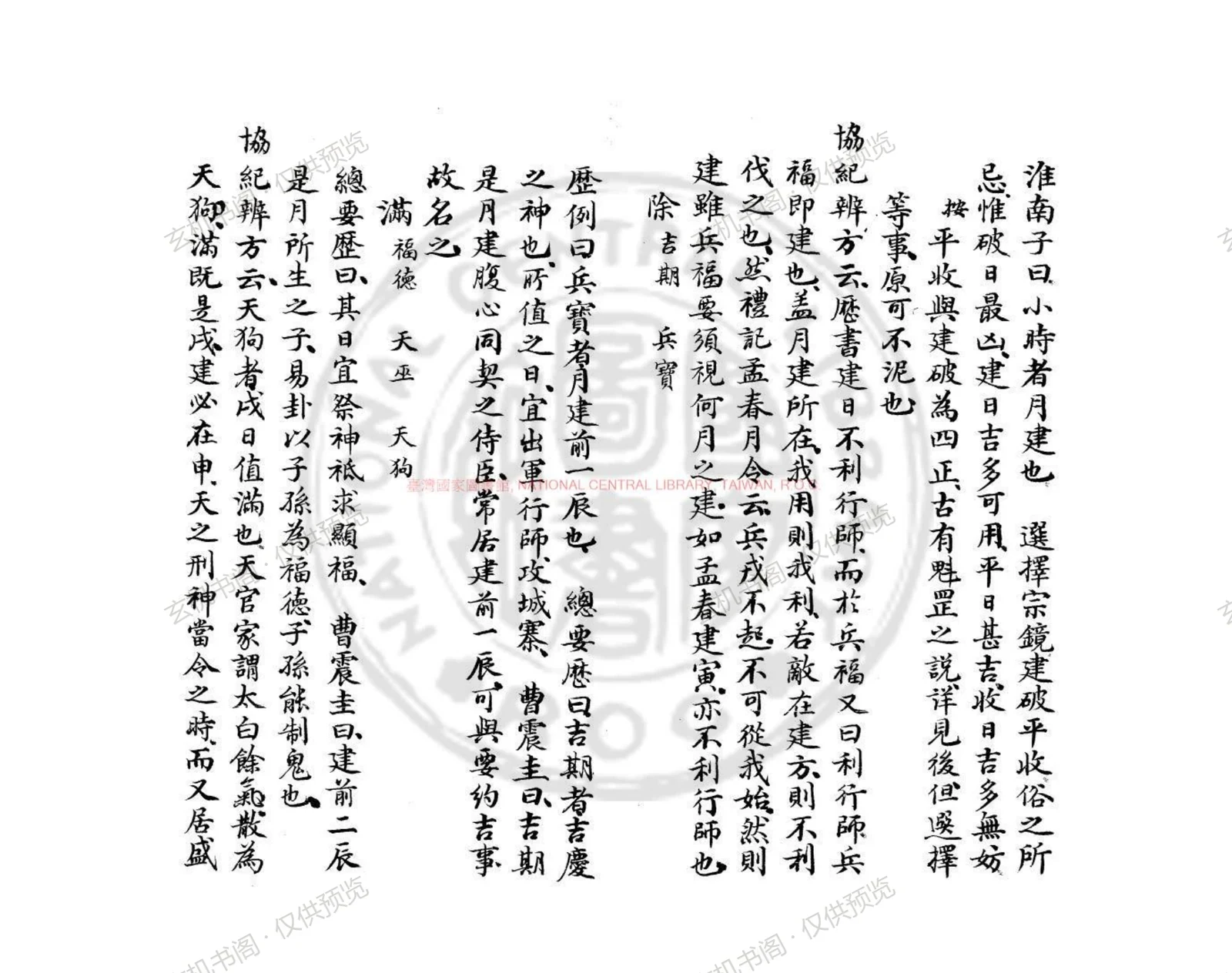
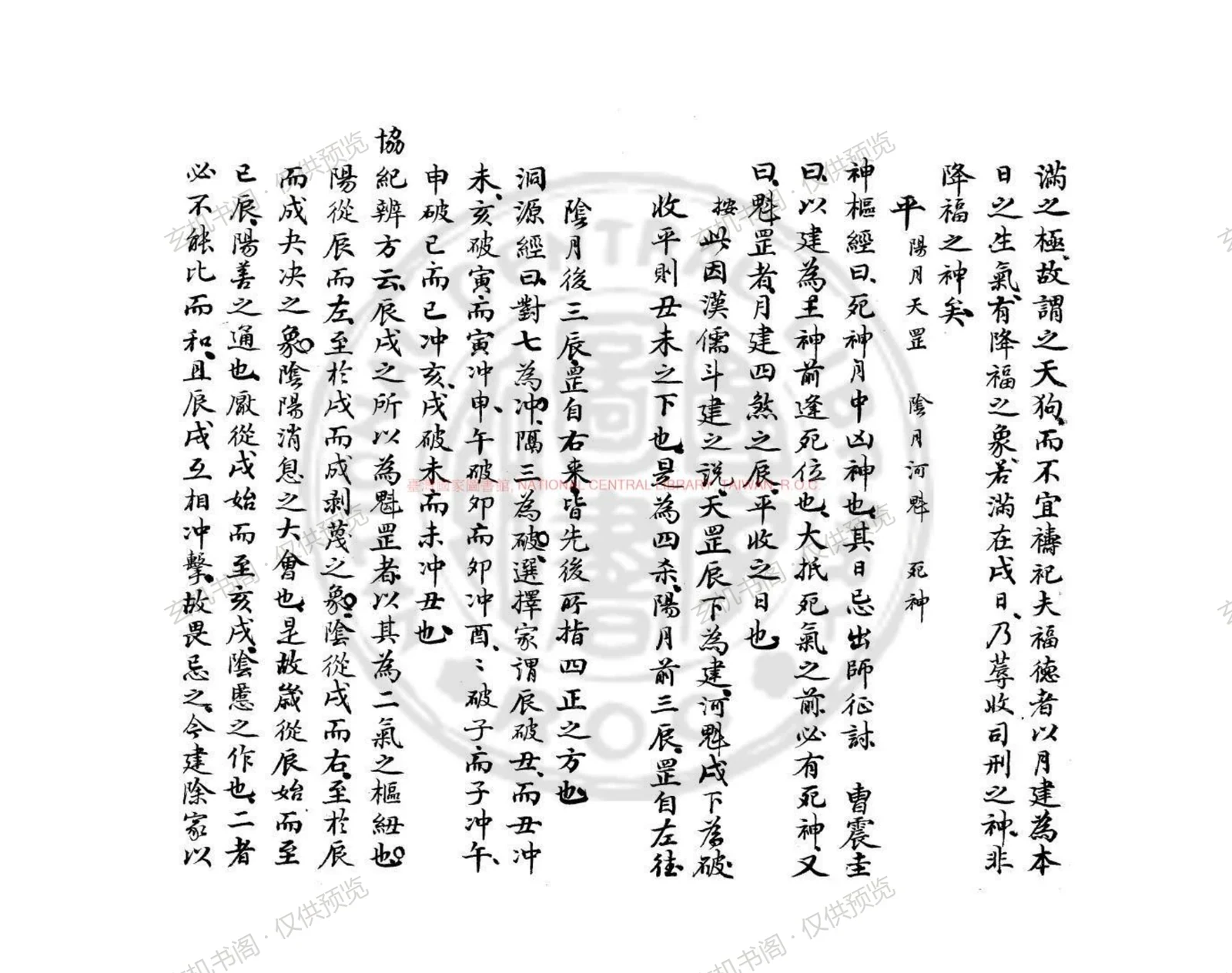
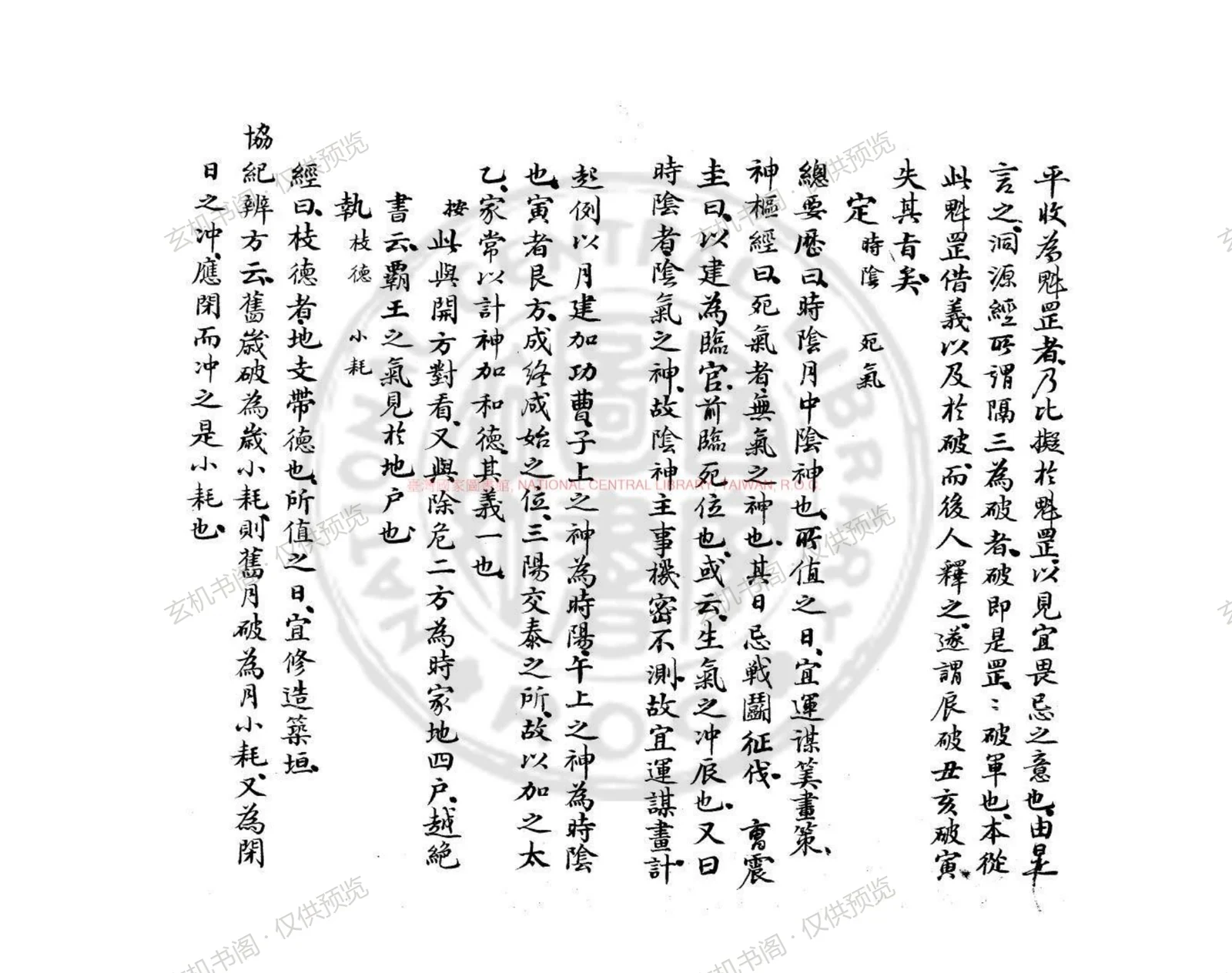
Volume One of Shixue Beiyu focuses on traditional Chinese day-selection (zeri). Opening with citations from Mencius and Zhu Xi on the harmony of timing, terrain, and human affairs, the author explains that he compiled the work because the old arts of seasonal divination had lost their sources. The main text explains the Twelve Jianchu spirits—Jian, Chu, Man, Ping, Ding, Zhi, Po, Wei, Cheng, Shou, Kai, and Bi—relating their auspicious and inauspicious rotation to the monthly lodge and the waxing and waning of yin and yang. Drawing on the Huainanzi and the Xieji Bianfang Shu, it distinguishes Jianchu from related spirits such as Po, Wei, Cheng, and Shou, and also discusses Tian De, Yue De, Tian Yi, Tian Gou, Bing Fu, Xiao Shi, and Tu Fu. Practical judgments cover military action, travel, construction, and sacrifice. The content is theoretical and terminological, suited to readers with some prior knowledge of traditional day-selection systems.
Contents
General discussion of timing, terrain, and the origins of day selection
Names and rotation of the Twelve Jianchu spirits
Auspicious and inauspicious uses of each Jianchu spirit, with military examples
Source analysis of Jianchu via the Huainanzi and other texts
Supplementary notes on Tian De, Yue De, Bing Fu, Xiao Shi, and other spirits
Key Points
Uses the Twelve Jianchu spirits as the core framework
Stresses that monthly lodge and yin-yang cycles determine fortune
Cross-references classical texts such as the Xieji Bianfang Shu
Covers practical taboos for military action, travel, and construction
Many spirit names require judgment in light of the monthly order