Reading guide
Content guideOverview
This handout is an advanced lesson in the Zi Wei Dou Shu system, presented as a class transcript with screenshots. It explains how to integrate the ten heavenly stems and their four transformations (lu, quan, ke, ji) with hidden alignments and the one-six principle to infer patterns and human affairs from year, month, and day transformations. The lesson highlights the transformations for stems Ji and Geng, focusing on the linked effects of Tian Tong Ji, Tan Lang Quan, Wu Qu Lu, and Tai Yin Lu. Using the Geng year as an example, it shows how hidden alignments and one-six relationships explain how Tian Tong Ji extends to Tan Lang Ji, affecting the entertainment industry, health, and education systems. It also covers the previous Wu month, where Tian Ji star and Lian Zhen form a one-six relationship corresponding to work system problems, using examples like online schooling, traffic disruptions, and hospitals to illustrate image-based interpretation. The material is a transcript and requires basic knowledge of Zi Wei Dou Shu stars and transformations.
Contents
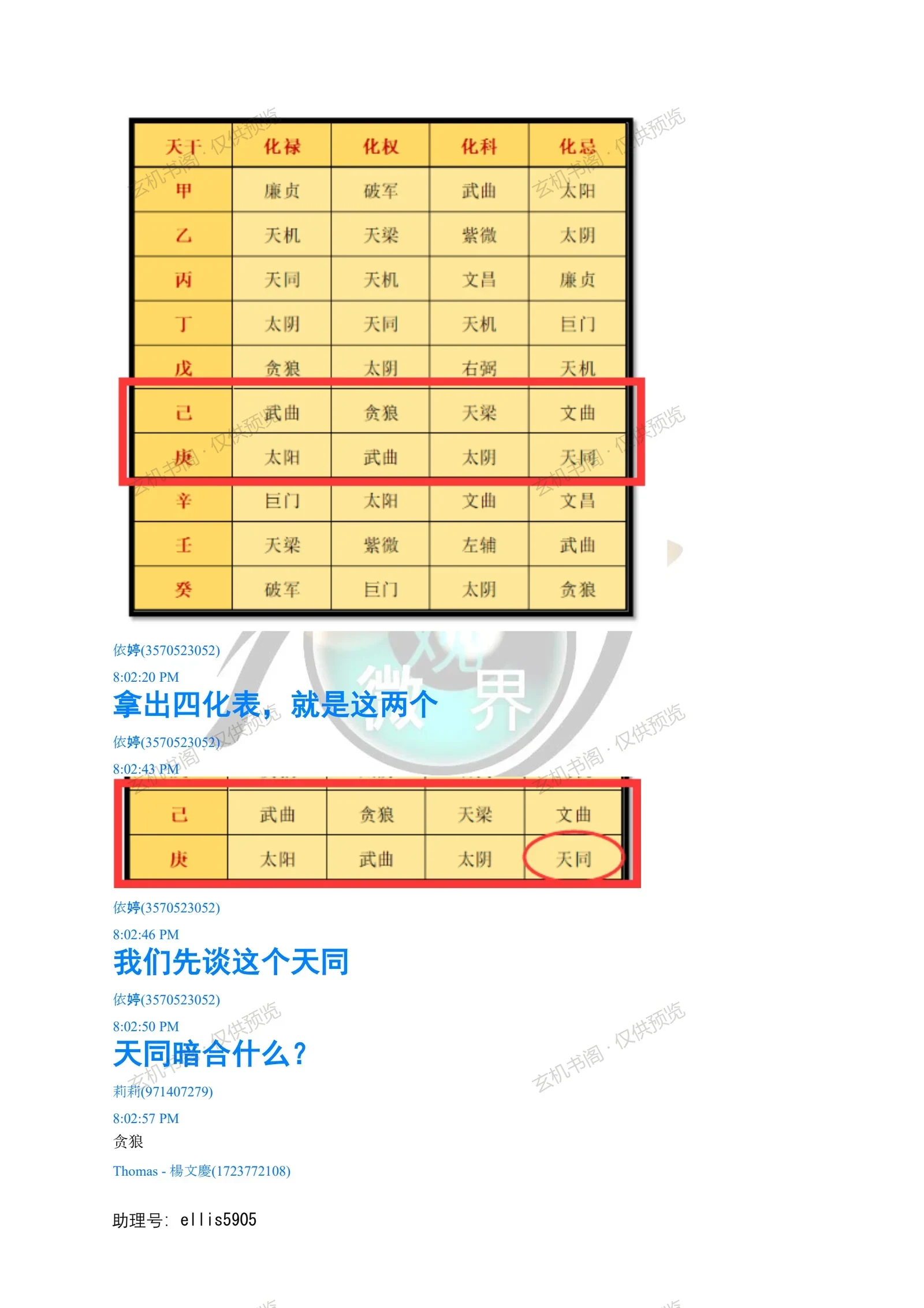
Review of the four transformation table with focus on Ji and Geng stems
Hidden alignment between Tian Tong Ji and Tan Lang
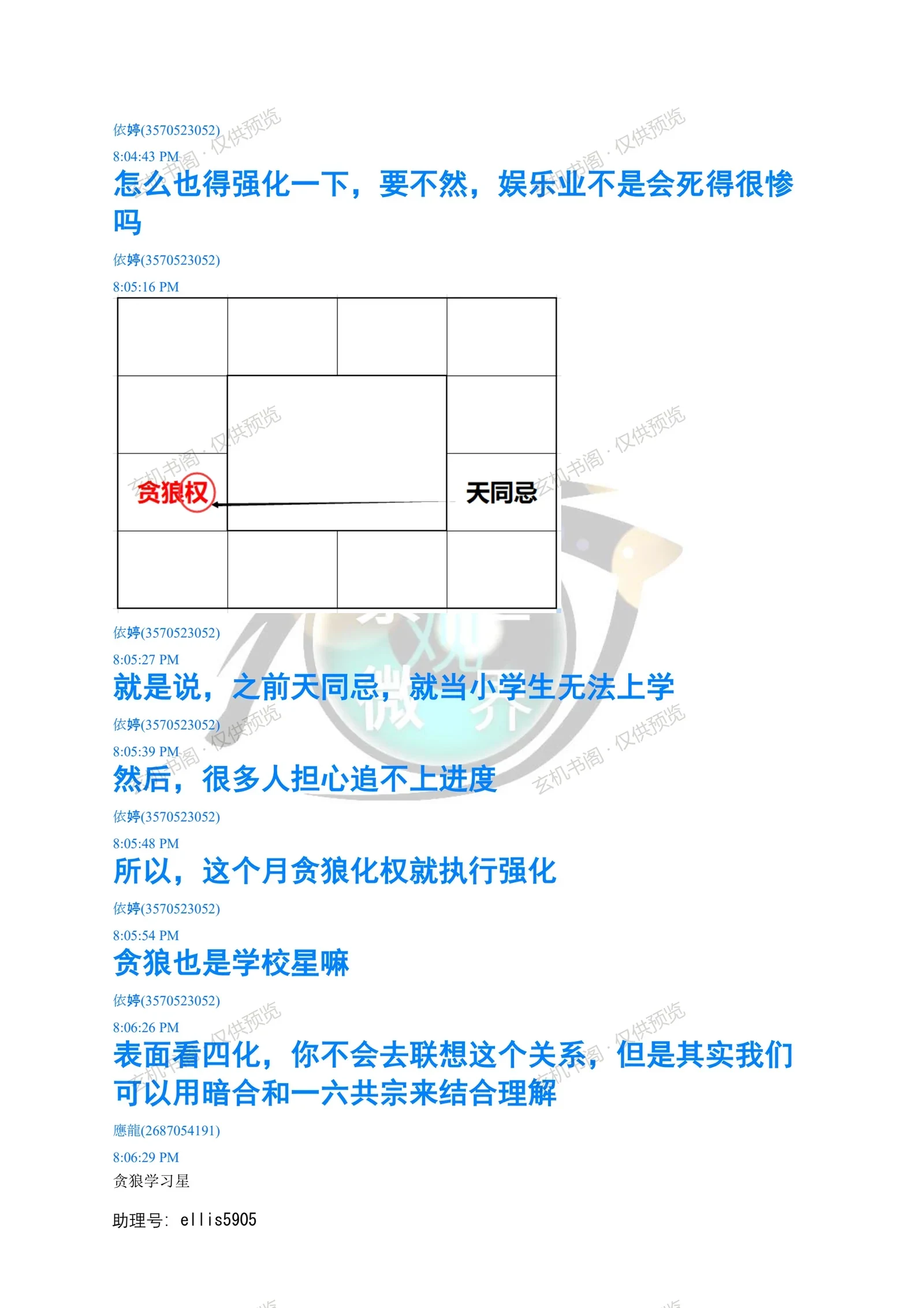
Tan Lang Quan and the imagery of Tian Tong Ji
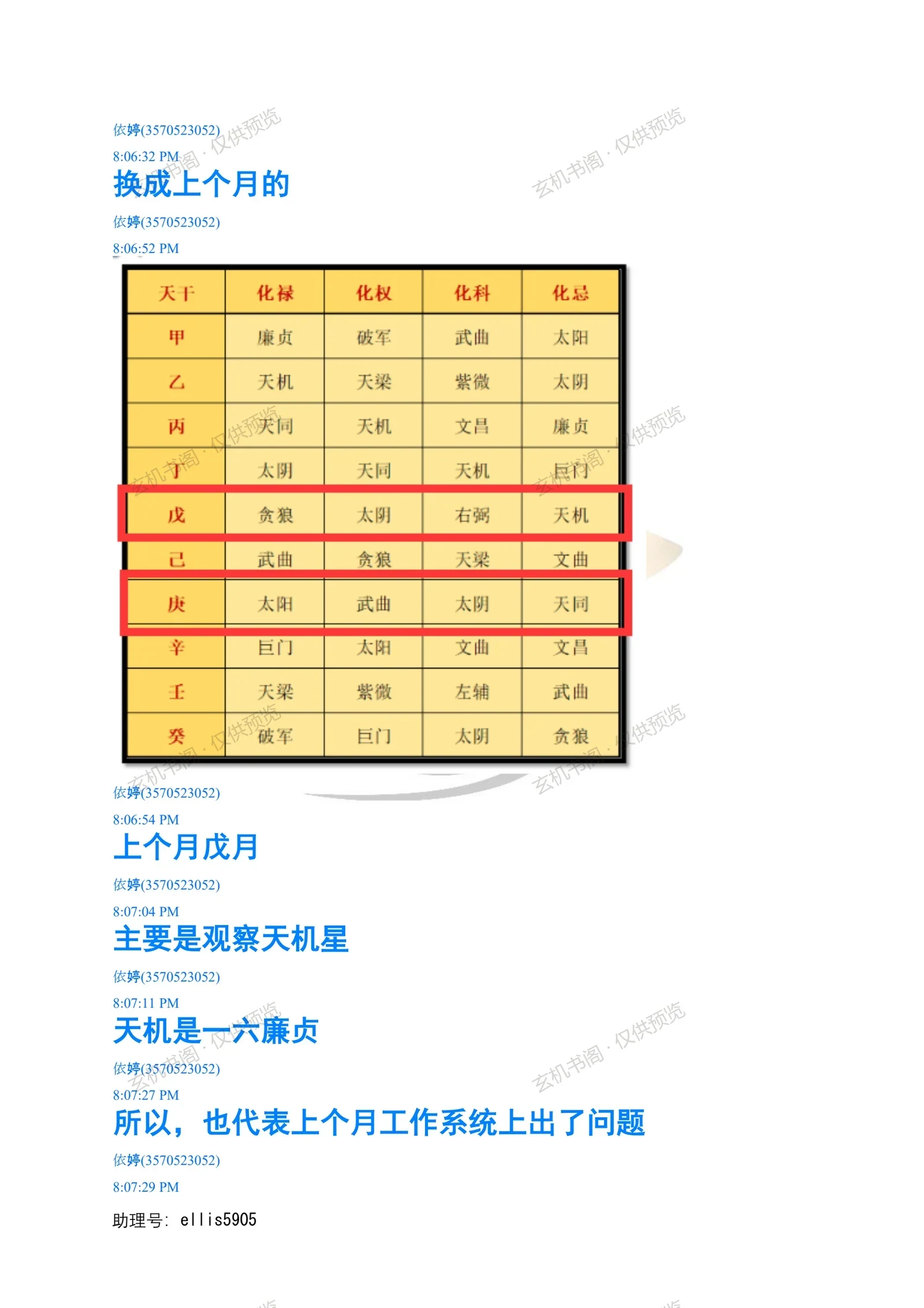
Wu month: Tian Ji and Lian Zhen in one-six relation
Expanding meaning with hidden alignments and 16 elements
Key Points
View the four transformations of all stems together rather than in isolation
Tian Tong Ji affects Tan Lang while Wu Qu Lu and Tai Yin Lu are also considered
Hidden alignments and one-six make implicit star connections explicit
Uses Geng month to apply transformations to education, entertainment, and health
Previous Wu month's Tian Ji (one-six with Lian Zhen) maps to work system issues