Reading guide
Content guideOverview
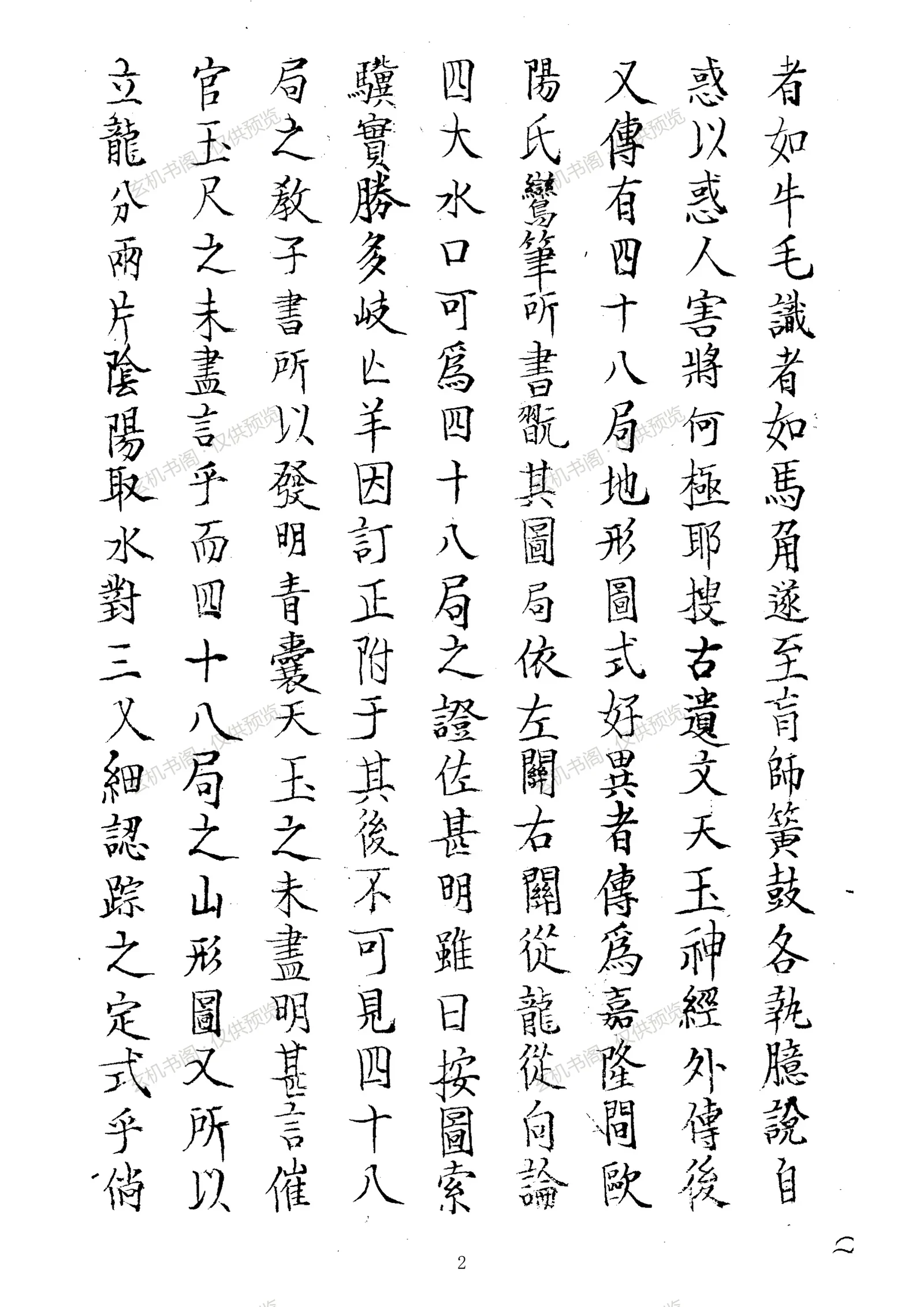
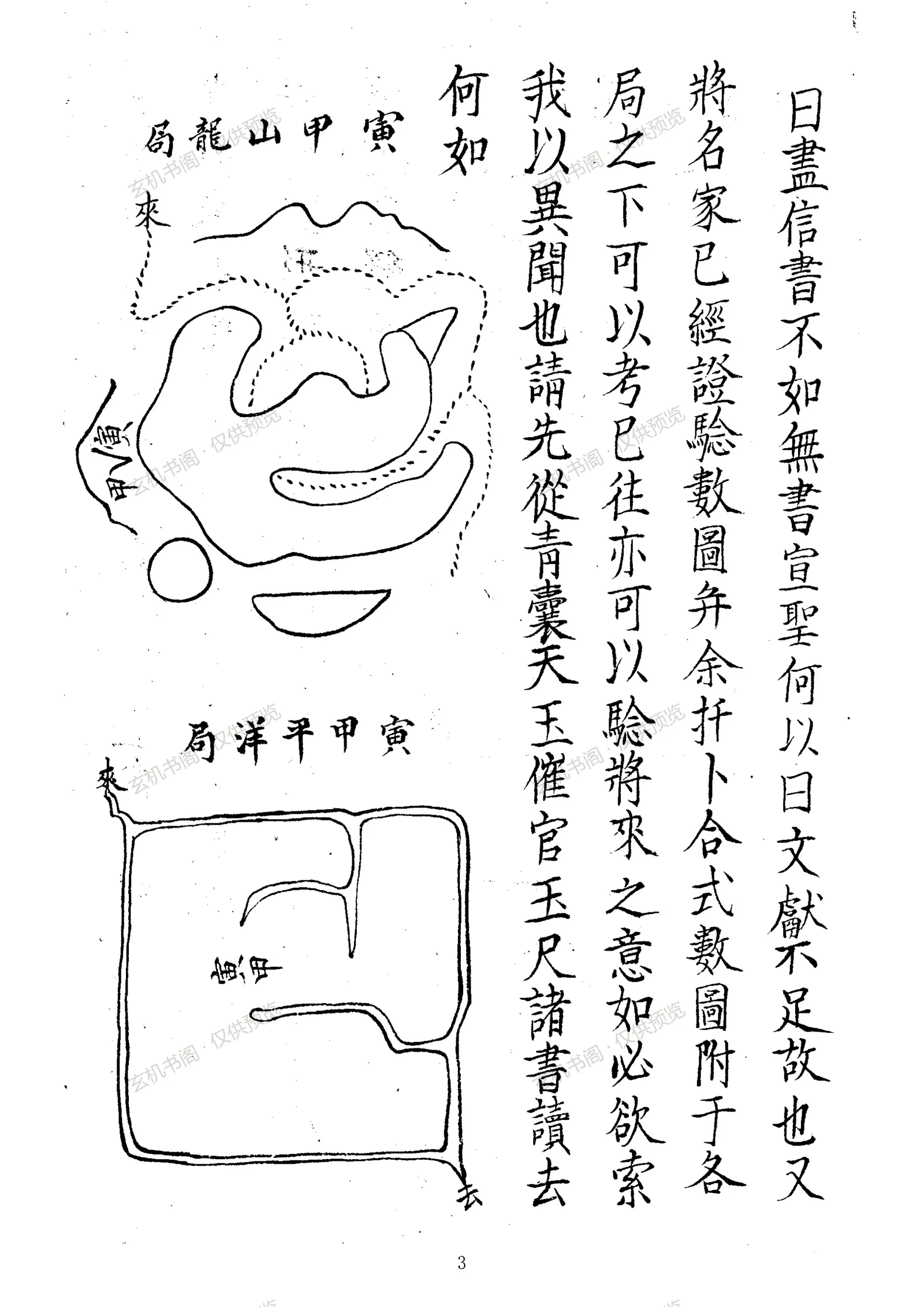
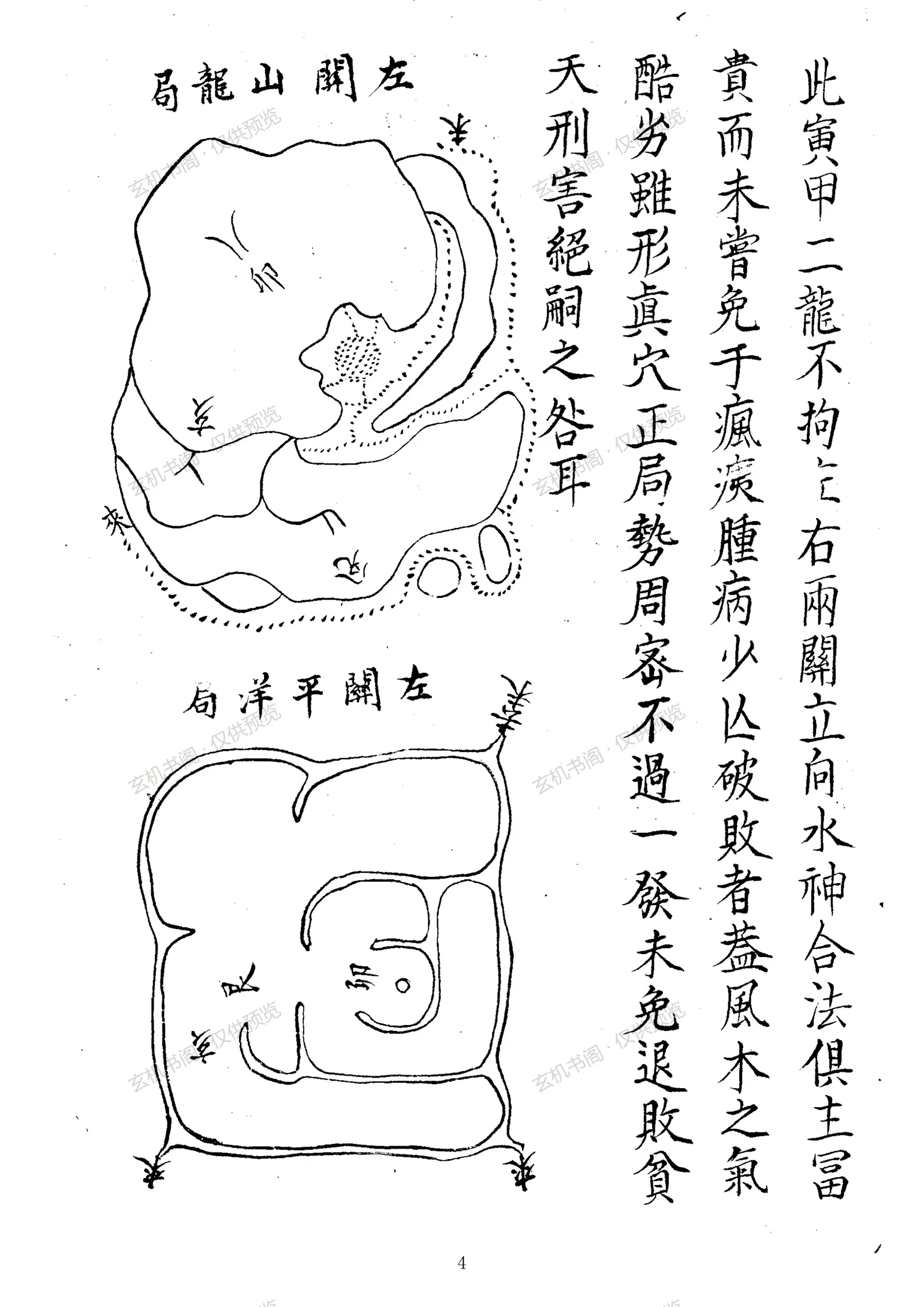
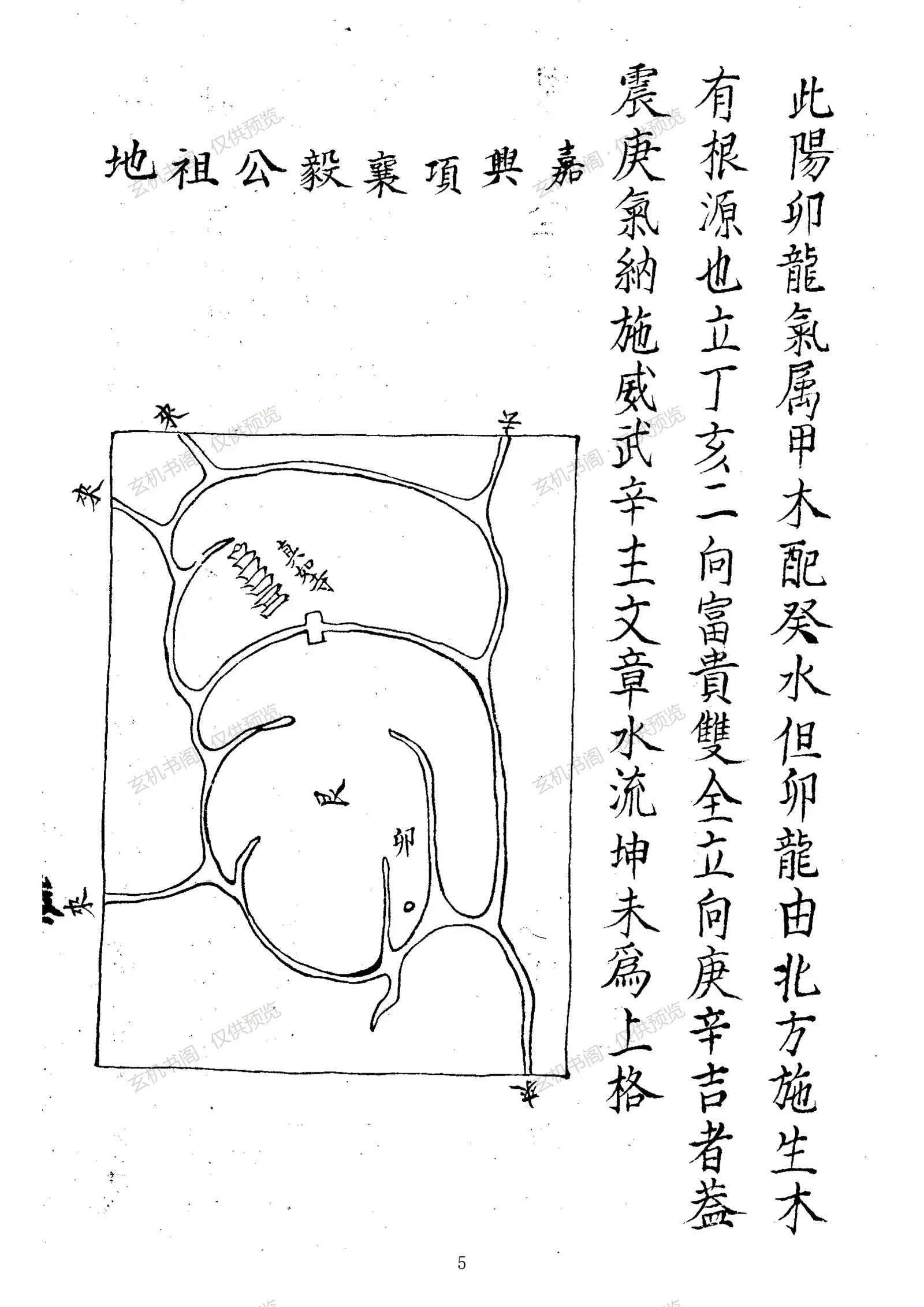
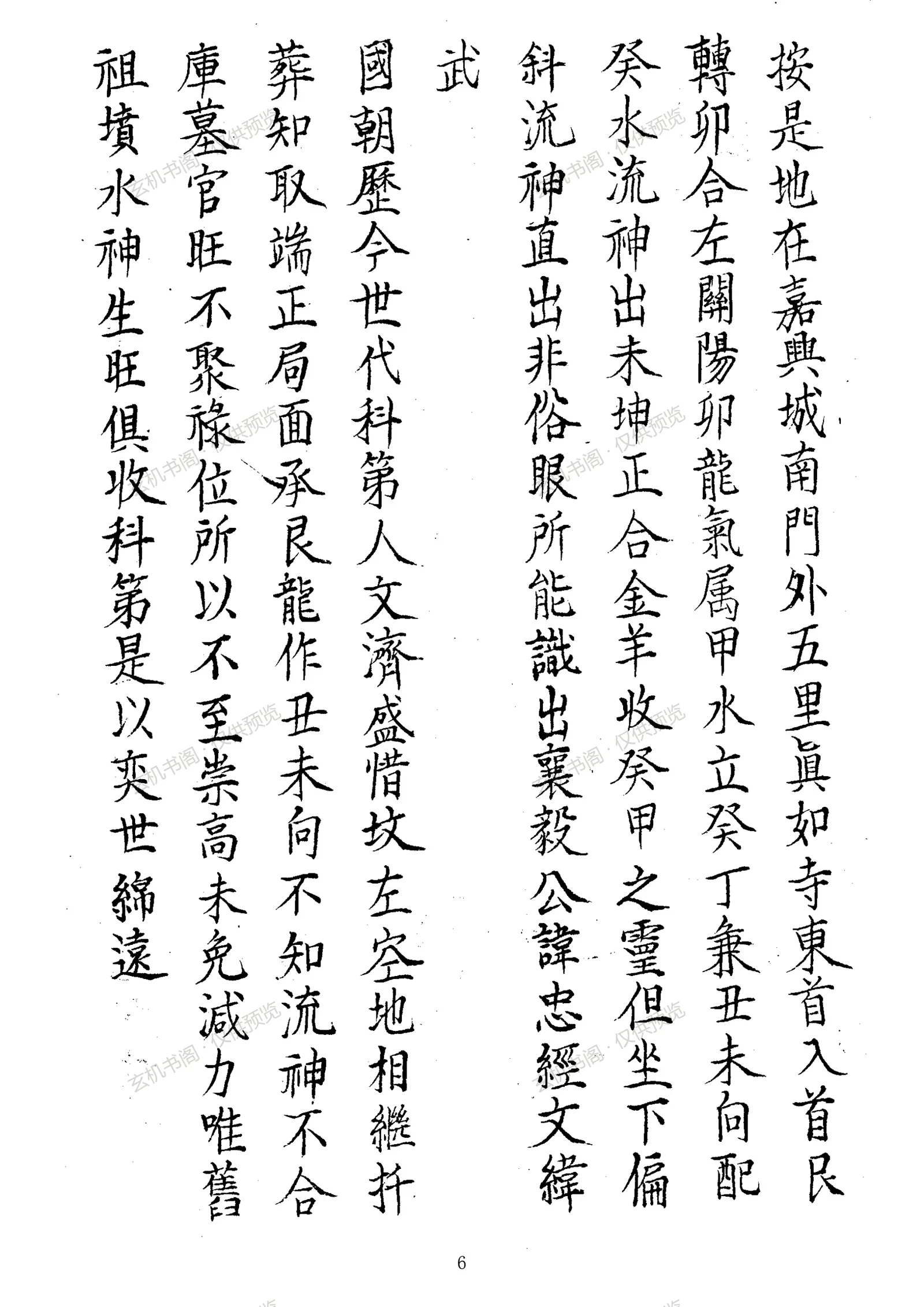
This volume, titled Illustrated Explanation of the Forty-Eight Formations, is fascicle sixteen of the Liji Mizhi (Secret Principles of Pattern and Qi) in the Dili Daquan collection. Its preface traces the tradition to Wu Kecheng, who reportedly received the secret teachings of the Tianyu scriptures and divided the twenty-four mountains into forty-eight formations, later expanded by his son Jingluan. The text discusses how these formations relate to classics such as the Tianyu Jing, Qingnang Jing, Cuiguan Pian, and Yuchi Jing, arguing that diagrammatic verification corrects the speculative errors of contemporary practitioners. Each formation is presented with a diagram marking the incoming dragon, sitting and facing directions, and water exit, accompanied by judgments on wealth, rank, offspring, illness, and prosperity. Surviving examples include the Yin-Jia dragon, Mao dragon, and a grave site in Jiaxing. Combining form and pattern, the work is a practical reference for studying Sanhe fengshui and Ming-Qing geomantic diagrams.
Contents
Preface: origin and transmission of the forty-eight formations
Relation to Tianyu, Qingnang, Cuiguan, and Yuchi classics
Diagram-based formation lookup: mountain and flatland charts
Yin-Jia dragon formations in mountain and flatland settings
Left and right gate orientations and water-deity judgments
Mao dragon formation and the Jiaxing grave case
Key Points
Twenty-four mountains yield forty-eight formations, two per mountain
Emphasizes diagrammatic verification over speculative teaching
Paired charts distinguish mountain dragons from flatland sites
Judgments cover examination success, offspring, illness, and wealth
Cites Tianyu Jing, Qingnang Jing, Cuiguan Pian, and Yuchi Jing