Reading guide
Content guideOverview
This is a guided reading and worked-example companion to the Four Pillars Yin-Yang Classic, issued on the title page as a basic textbook for Zhouyi studies. Part One, on foundational theory, runs through twelve sections: yin-yang doctrine, the five phases, stems and branches, the structure of a chart, the true meaning of flourishing-resting-imprisoned-dead states, hidden stems, the four tombs, the strength of the day stem, patterns, useful and harmful gods, the imagery of a chart, and a critique of several misconceptions in older theory. Part Two turns to case analysis, grouping examples under wealth, poverty, nobility, lawsuits and disputes, injury and illness, imprisonment, marriage and the six relatives. The opening chapter sets out four layers of yin-yang mutual containment and derives principles of quantitative change and transformation, arguing that any single character in a chart carries holographic information about the native's family. The book moves from principle to example and suits readers who already know the stems, branches and basic chart construction and want a structured review with cases to check their reasoning against.
Contents
Part One: yin-yang doctrine and the five phases
Stems, branches, chart structure and hidden stems
Flourishing-resting states, four tombs and day-stem strength
Patterns, useful gods and chart imagery
Critique of misconceptions in older theory
Part Two: cases on wealth, poverty and nobility
Lawsuits, injury, illness and imprisonment
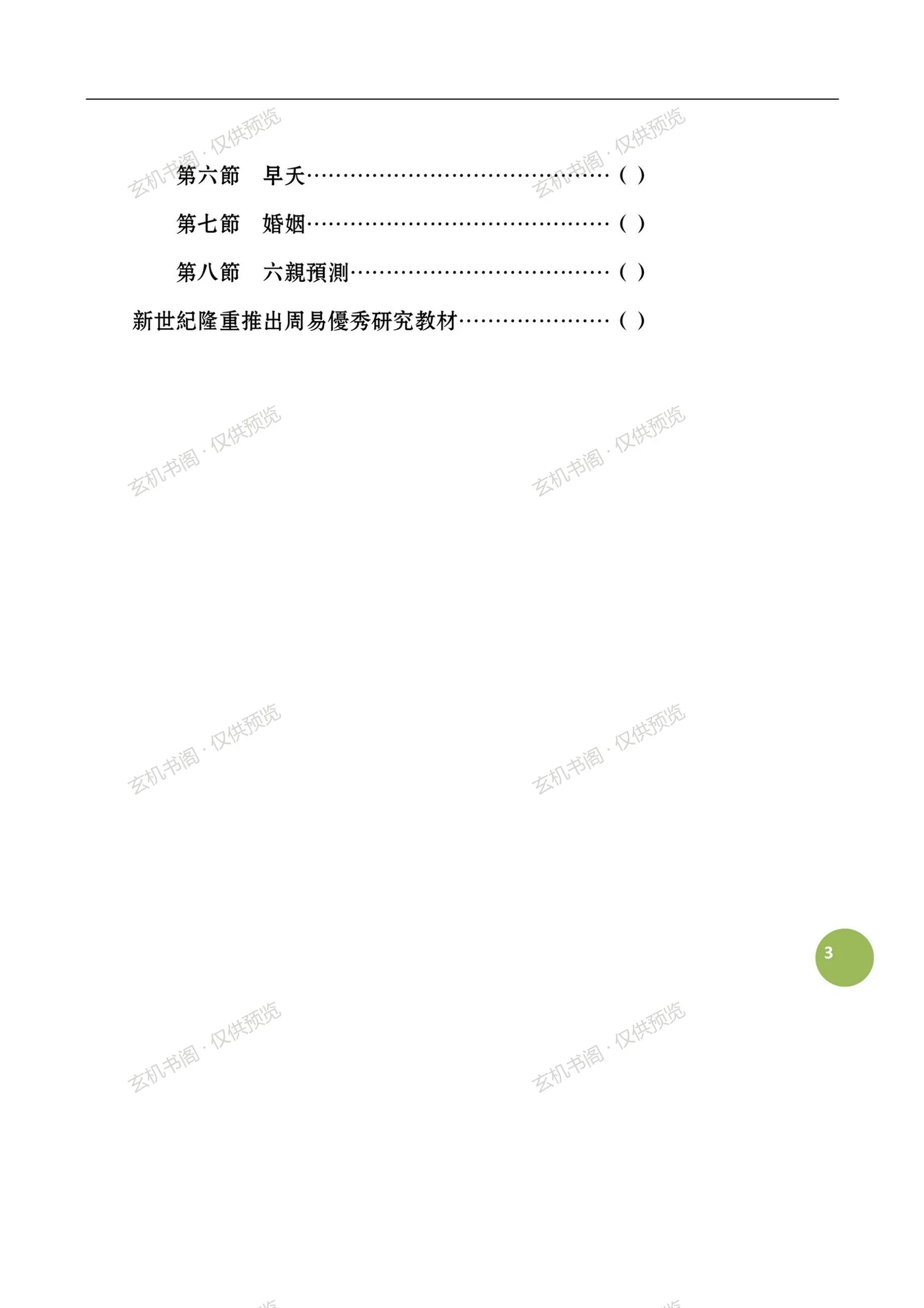
Marriage and the six relatives
Key Points
Organizes theory around yin-yang containment, quantitative change and transformation
Clarifies the real meaning of flourishing-resting-imprisoned-dead states
Devotes a section to correcting misconceptions in classical theory
Cases grouped by wealth, rank, misfortune, marriage and relatives