Reading guide
Content guideOverview
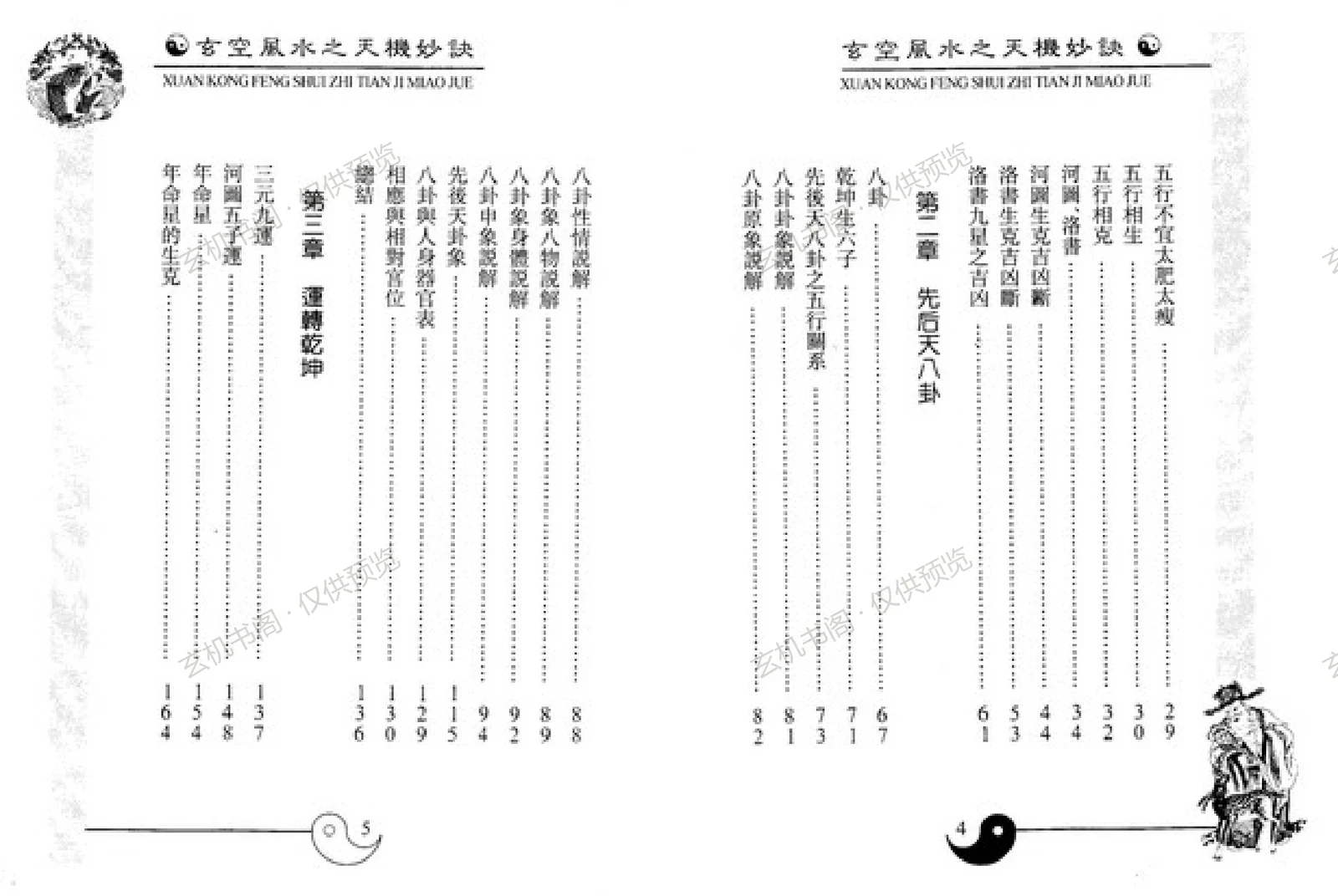
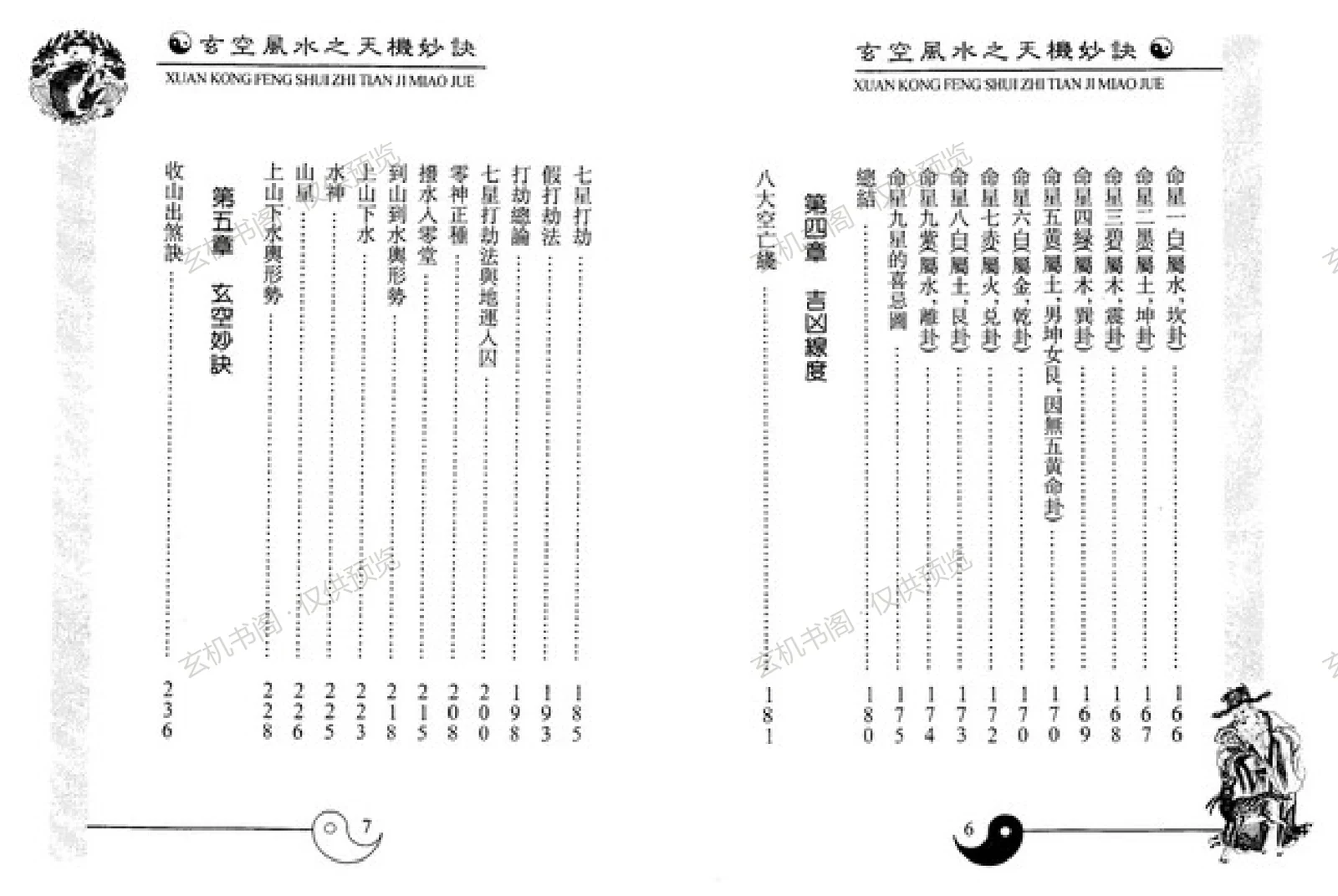
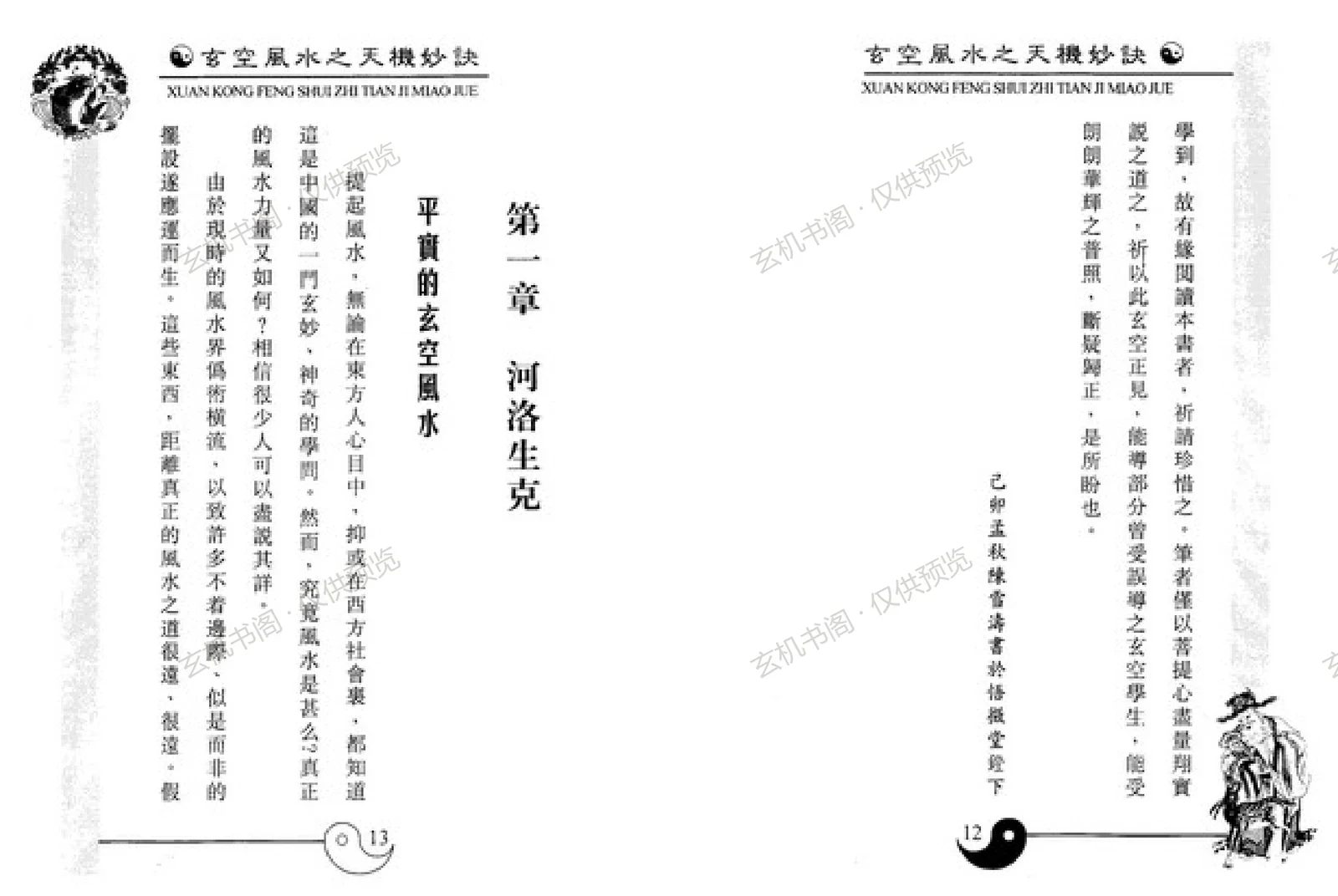
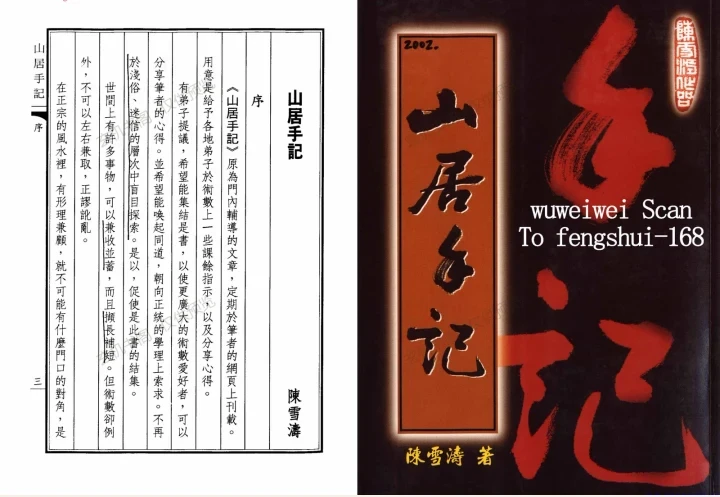
Written by Chen Xuetao and titled on the cover and running heads as 'Xuan Kong Feng Shui zhi Tianji Miaojue,' this book treats Xuan Kong feng shui as a practical study of environmental design rather than superstition. The visible chapters begin with 'Hetu-Luoshu Generation and Restraint,' covering the five phases, Hetu and Luoshu, the nine stars, and the eight palaces; then 'Early and Later Heaven Trigrams,' which details the trigram images, the six children of Qian and Kun, trigram correspondences to the body and to official positions; and 'Turning the Qian and Kun,' on the three epochs and nine periods, the Hetu five-child cycles, and the relationship between annual life stars and human destiny. Later chapters listed in the contents include 'Auspicious and Inauspicious Timing,' with life stars and the great void line, and 'Xuan Kong Secret Formulas,' covering the Seven Stars Robbery, mountain-above-water-below, and gathering mountains and releasing sha. The preface takes a relatively measured view of what feng shui can and cannot do. The book progresses from liqi foundations to flying-star methods and form judgments, and suits readers who already know the Hetu-Luoshu and trigram basics.
Contents
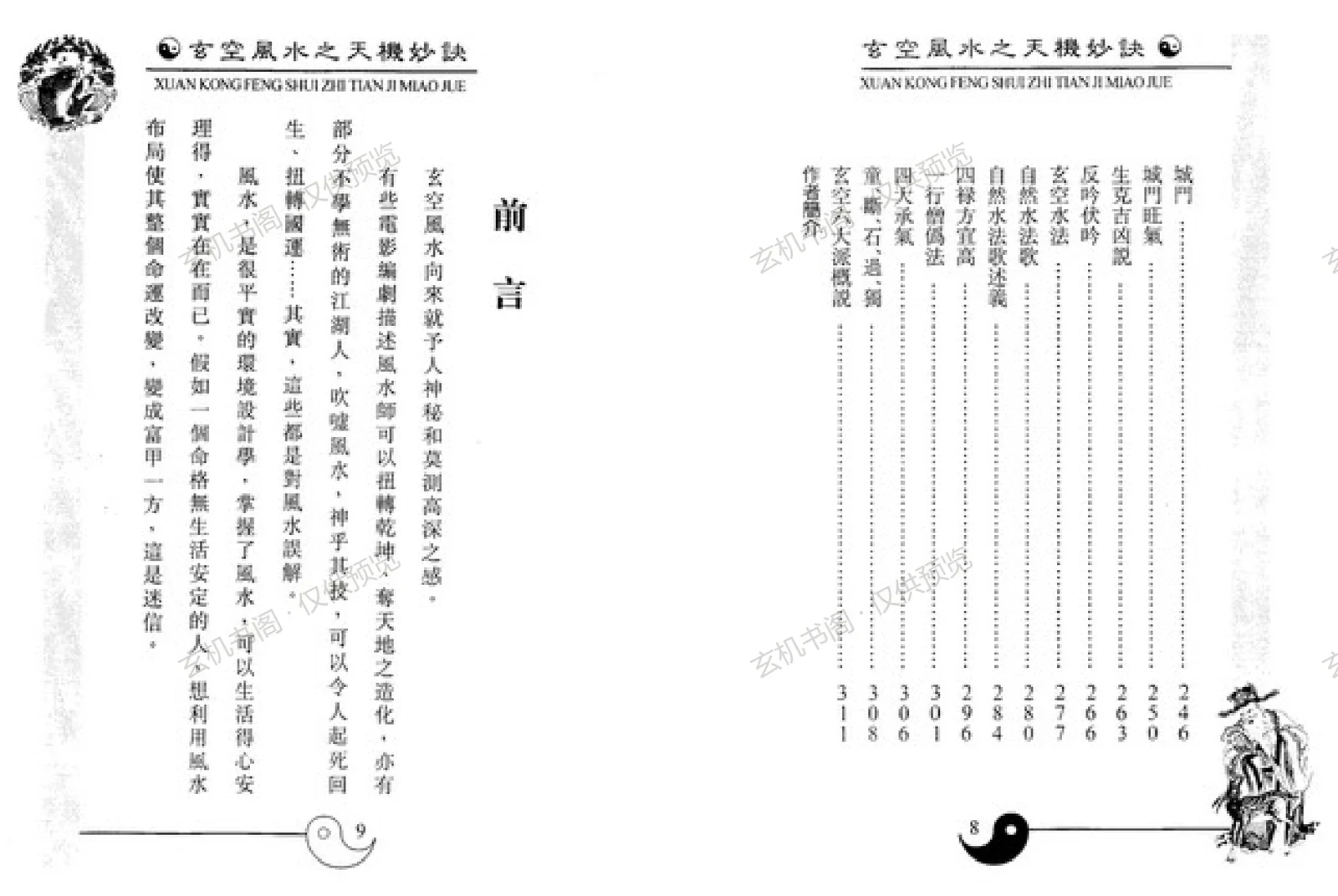
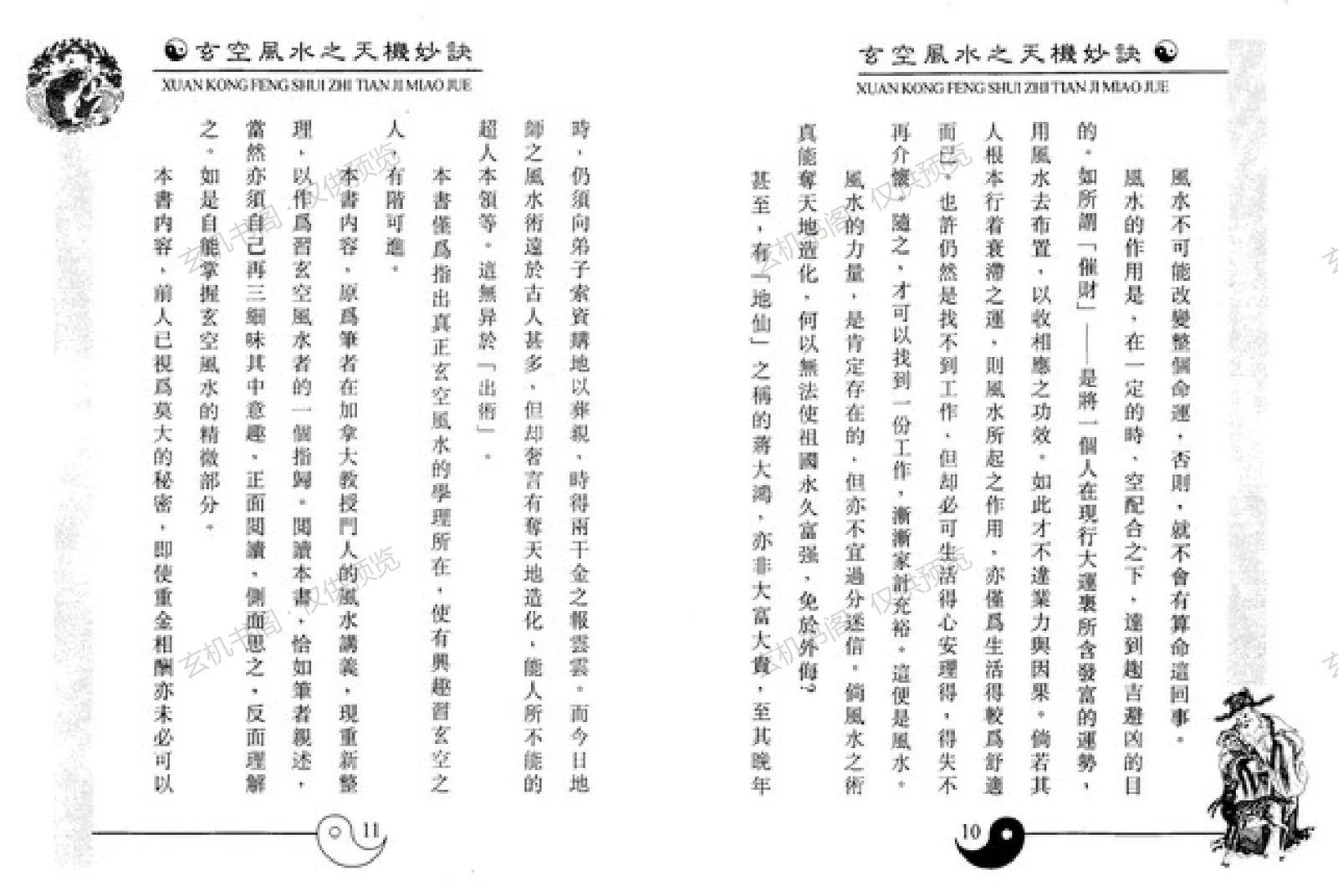
Preface: the uses and limits of feng shui
Ch. 1 Hetu-Luoshu generation and restraint
Ch. 2 Early and Later Heaven trigrams
Ch. 3 Three epochs, nine periods, life stars
Ch. 4 Auspicious and inauspicious timing
Ch. 5 Xuan Kong secret formulas and mountain-water forms
Key Points
Builds liqi theory from Hetu-Luoshu and the Early and Later Heaven trigrams toward Xuan Kong star methods
Links trigrams to the human body and official positions, joining feng shui with destiny analysis
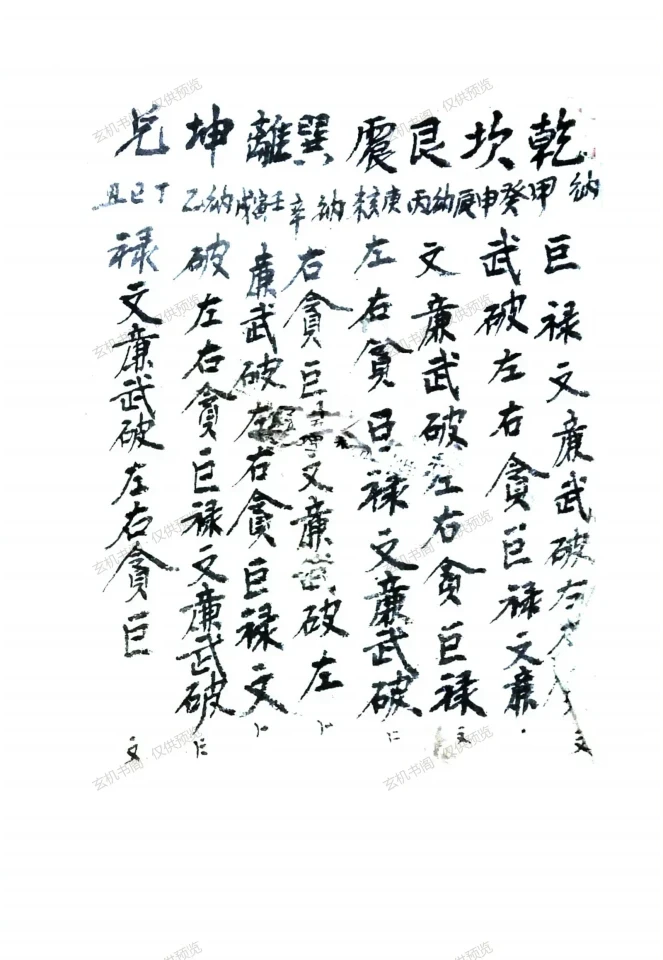
Chapter 5 covers Seven Stars Robbery, mountain-above-water-below and gathering mountains and releasing sha
The preface is notably measured about the limits of feng shui's effects
Discusses three epochs and nine periods, Hetu five-child cycles and annual life stars