Reading guide
Content guideOverview
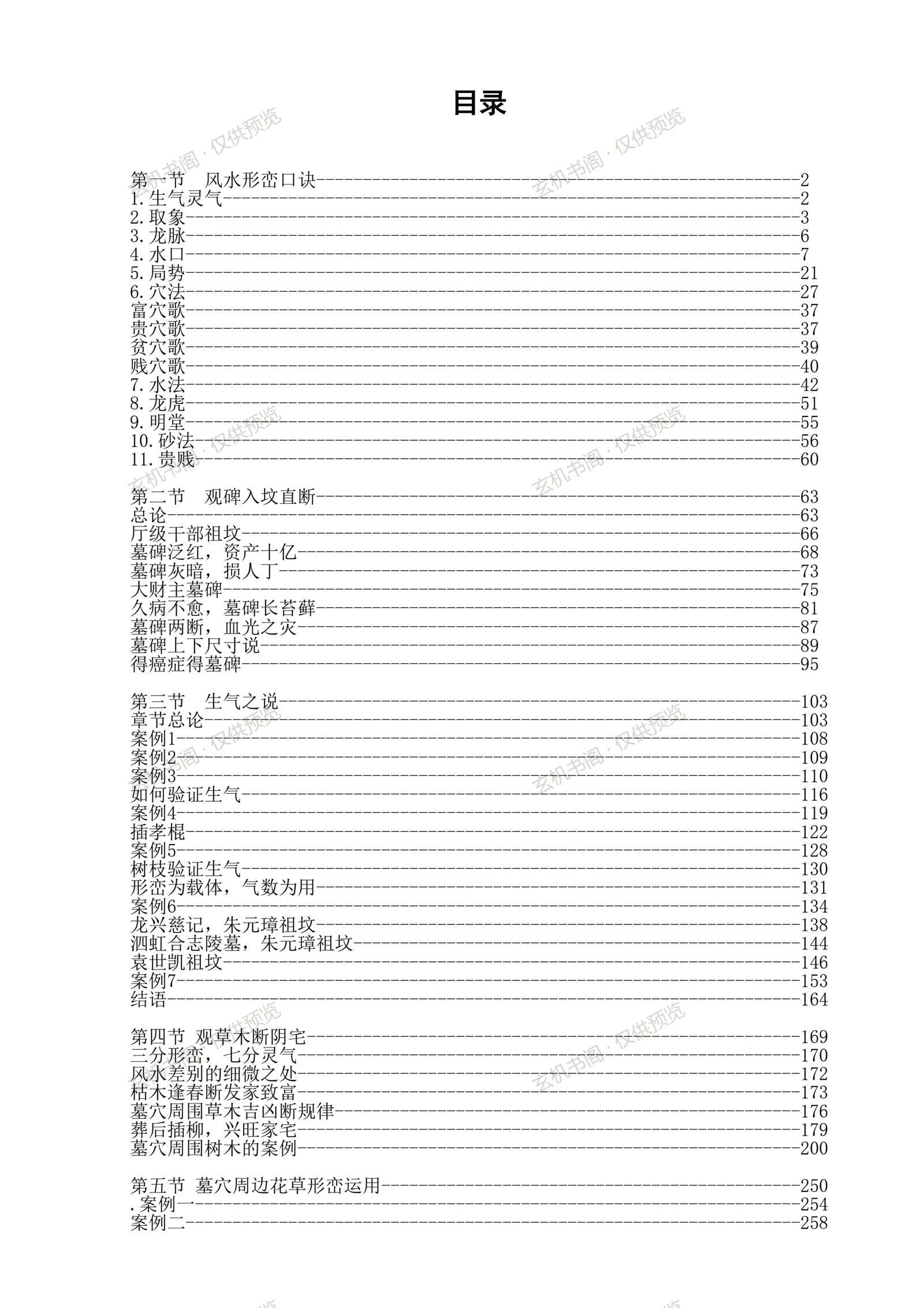
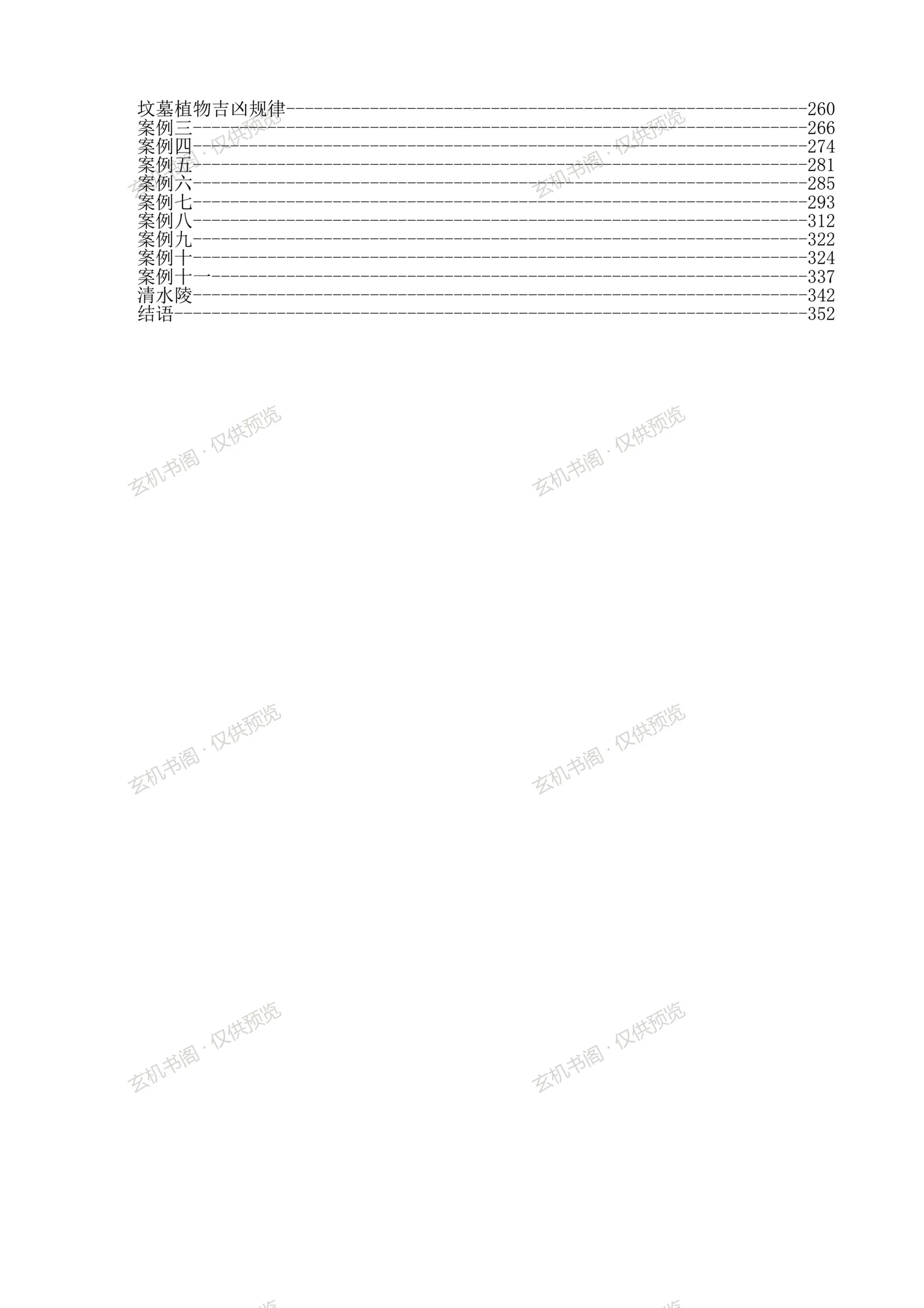
Edited by Chen Yifeng, this book belongs to a series on practical geography and focuses on observing and judging yin dwellings through landform formulas. It begins with form-and-terrain口诀 covering vitality, image-taking, dragon veins, water mouths, configurations, point methods, water methods, dragon-tiger hills, bright halls, sand methods, and noble-base distinctions, along with categorized verses for rich, noble, poor, and lowly points. The second section turns to direct grave judgments by observing tombstones—colors, dimensions, broken stones, moss, and illness-related signs. The third section discusses vitality theory and methods of verification, citing historical ancestral grave cases. The fourth section reads yin dwellings through vegetation, including the idea that three parts are landform and seven parts are vitality. The fifth section applies flower and plant forms to grave surroundings with numerous numbered cases. The book is best suited to readers with prior feng shui knowledge.
Contents
Chapter 1: Form formulas—vitality, image-taking, dragon veins, water mouths
Point verses: rich, noble, poor, and lowly points
Direct tombstone judgments: color, size, breakage, moss
Vitality theory and verification methods
Reading yin dwellings through vegetation
Flower and plant forms around graves with case studies
Key Points
Uses form formulas as the framework, starting from vitality and image-taking.
Direct grave judgments emphasize tombstone color, size, breakage, and moss.
Discusses vitality verification with inserted sticks and branches, plus historical cases.
Vegetation reading stresses that landform is three parts and vitality seven parts.
The later half presents numerous numbered cases of plants and grave surroundings.