Reading guide
Content guideOverview
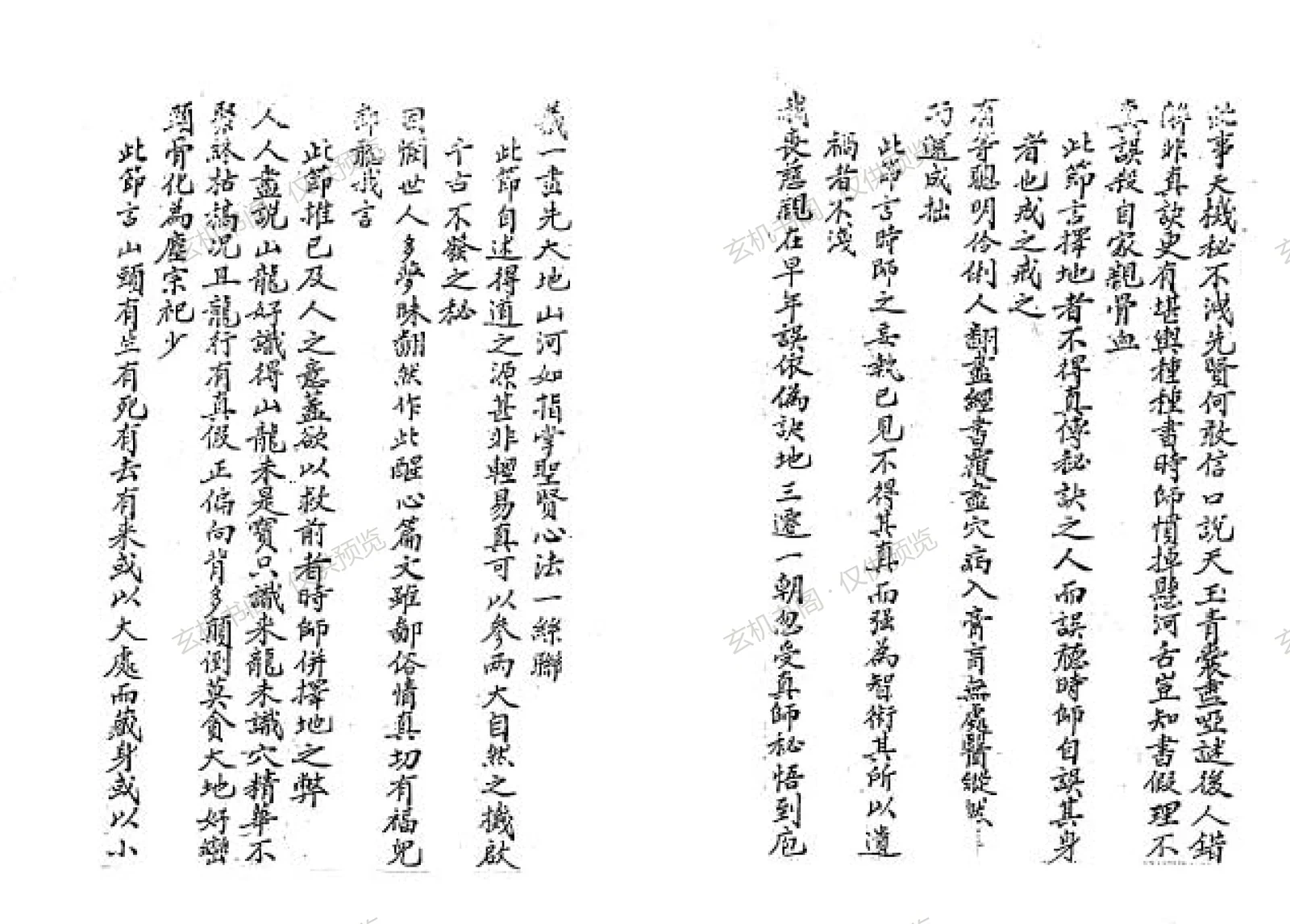
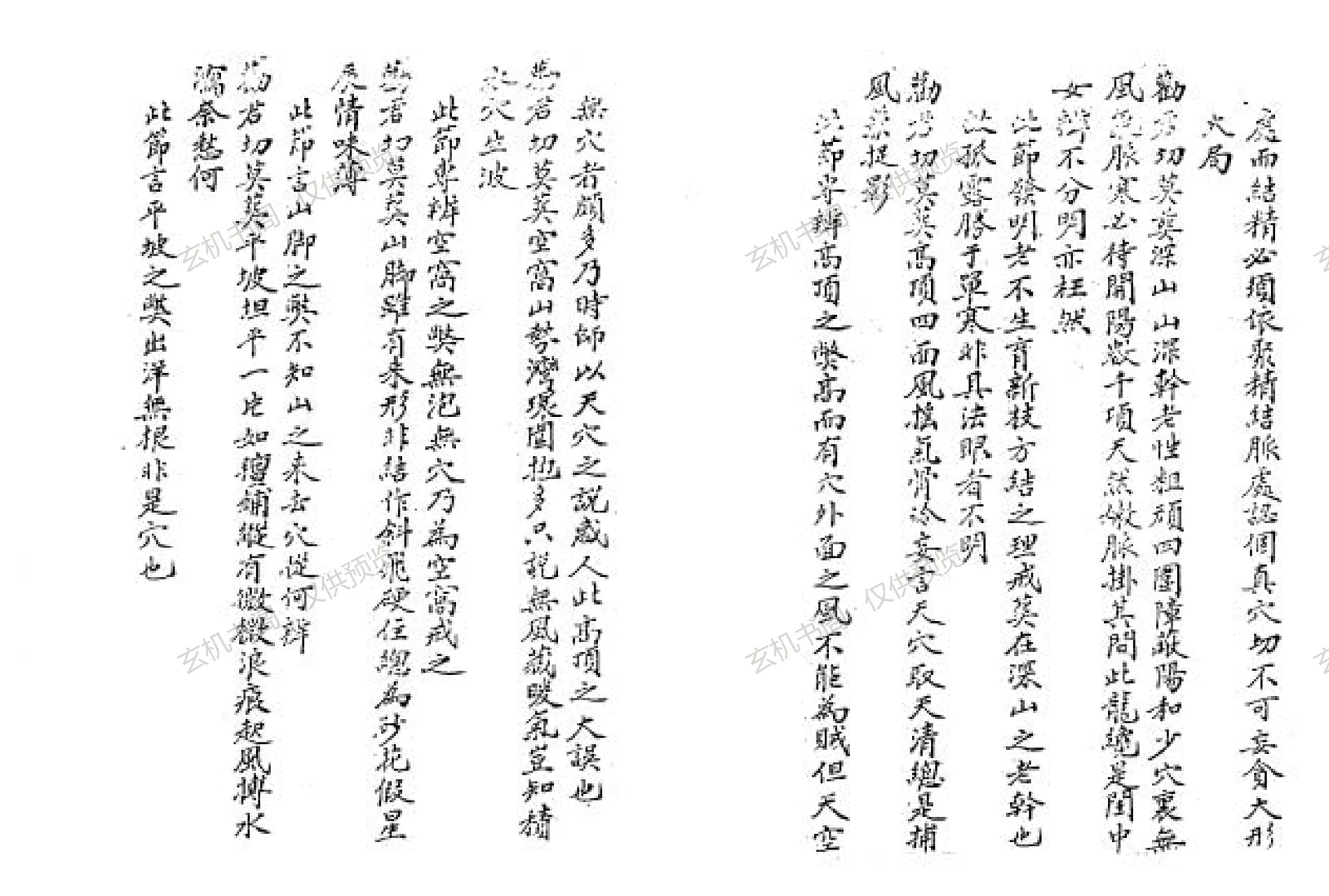
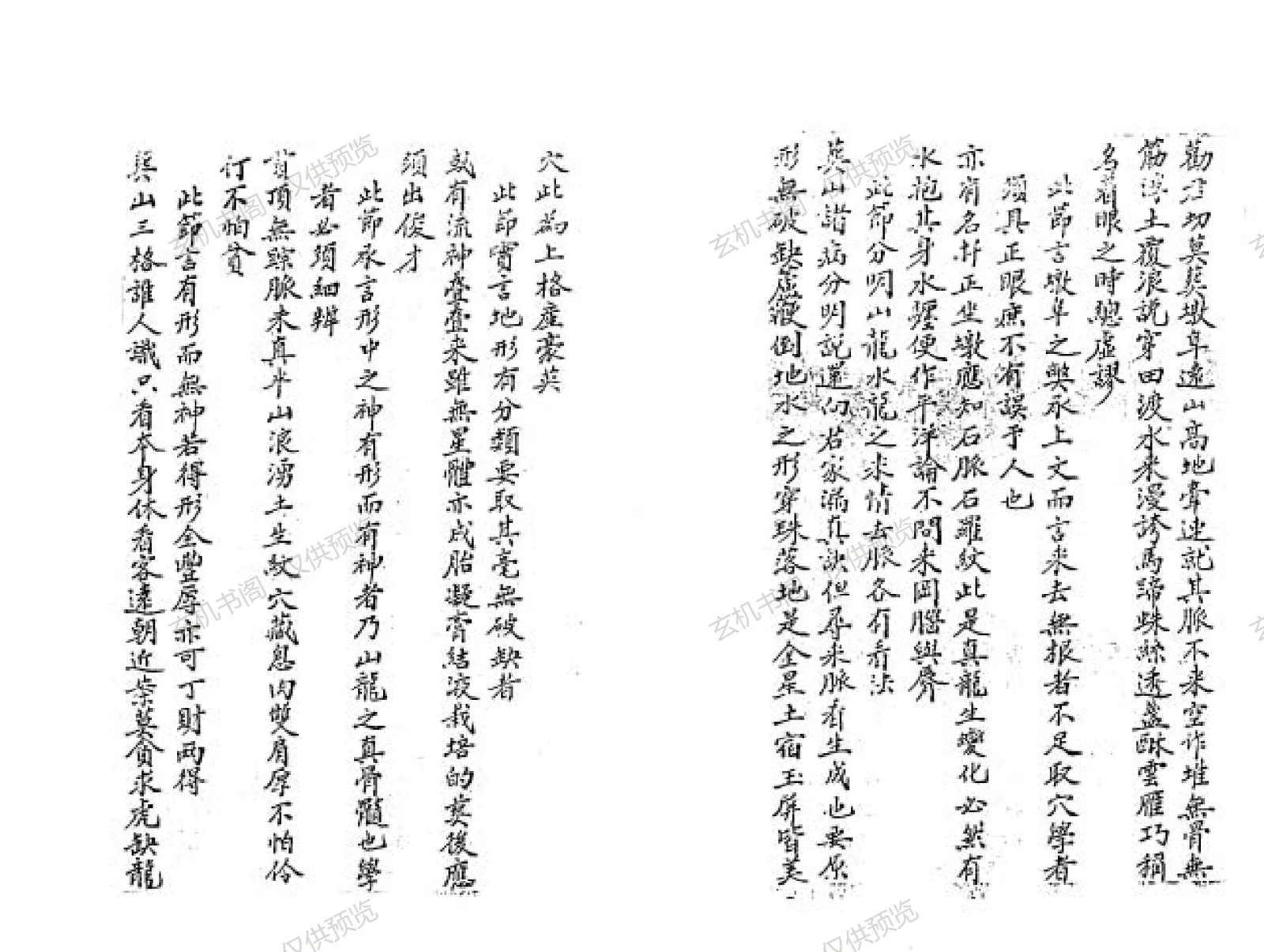
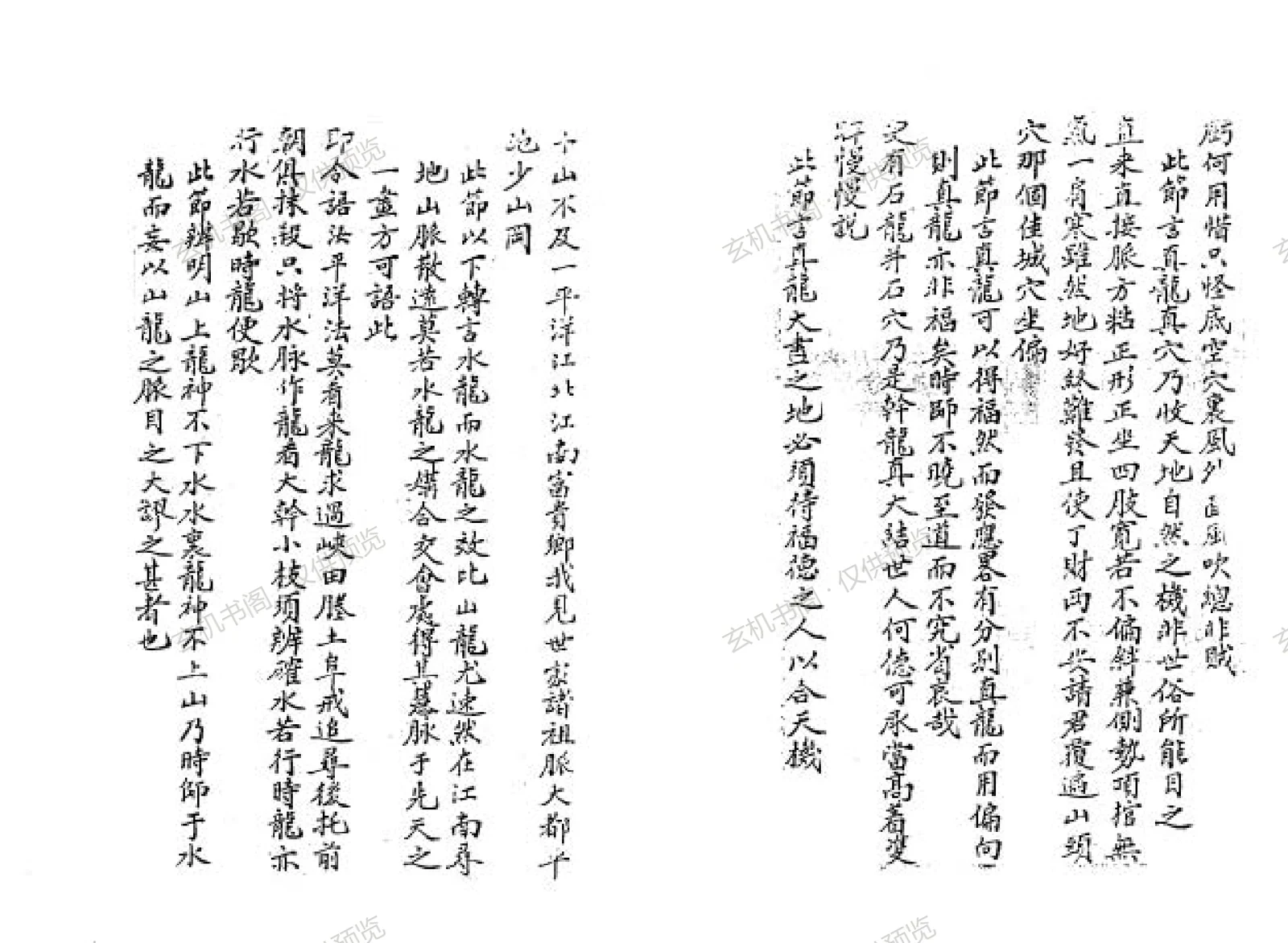
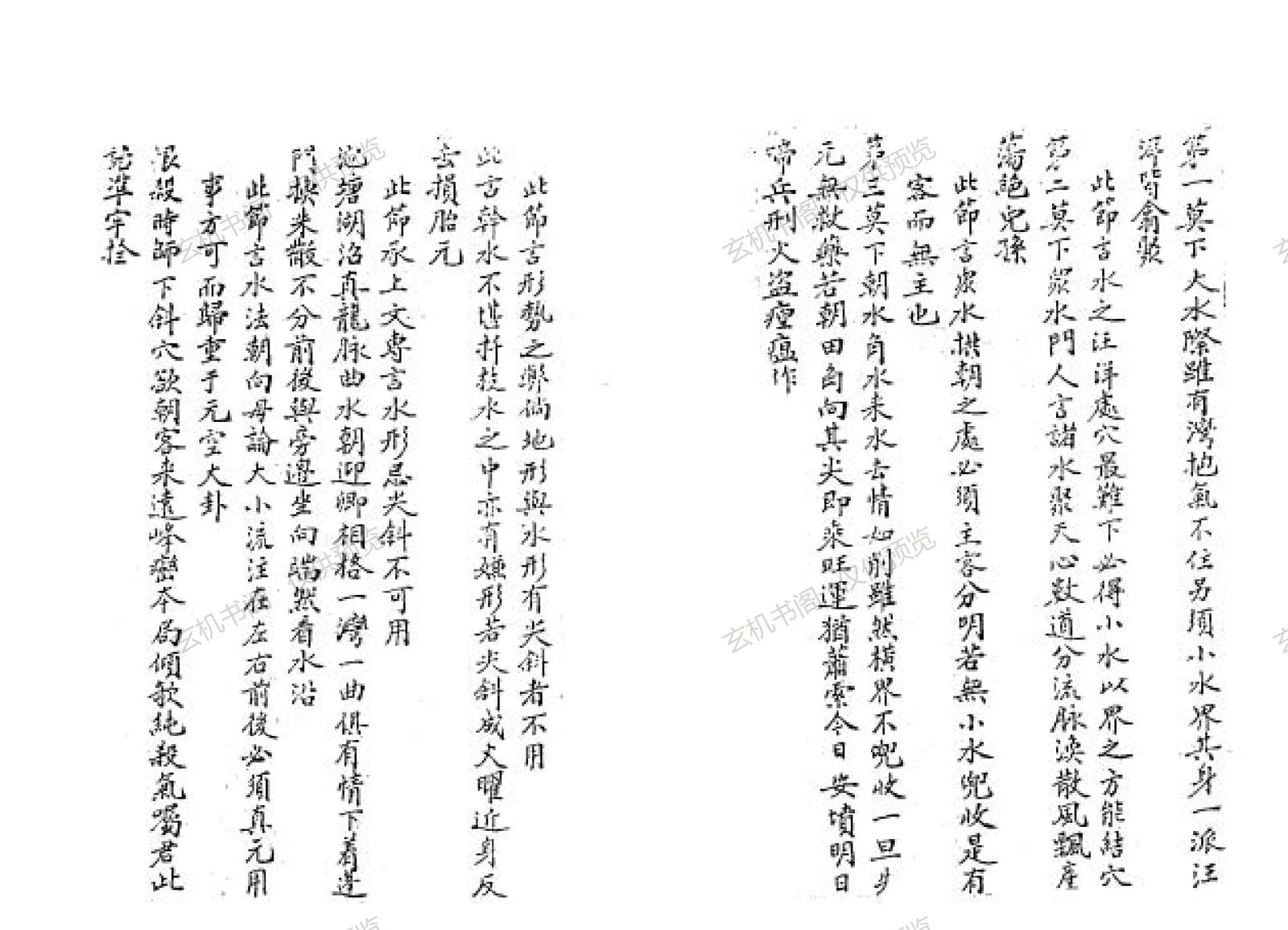
The Xingxin Pian is attributed to Jiang Pingjie (Jiang Dahong) and annotated by his disciple Jiang Yao of Kuaiji. Written in seven-character verse with section-by-section commentary, it belongs to the form-school (luantou) tradition of fengshui. The text opens with reflections on the rarity of auspicious sites and the frequent errors of contemporary masters, then discusses mountain veins, the movement and stopping of dragons, and the distinction between sites with form but no spirit and those with both. It examines true and false, central and偏 positions, and the relationship between facing and backing, with notes on “riding the dragon,” “cutting the pass,” flatland sites, and water dragons. The commentary clarifies practical points and criticizes masters who mechanically apply the “Ten Daos of the Heavenly Heart” or mistake flat slopes for true sites. It serves as an accessible entry to Jiang’s form-school thought and can be read alongside his other geographical works.
Contents
General discussion of fengshui and the rarity of good sites
Distinguishing true and false dragon veins and terrain
Sites with form but no spirit vs. form and spirit
Riding the dragon, cutting the pass, and flatland water dragons
Facing water, departing water, and auspicious orientations
Key Points
Seven-character verse with Jiang Yao’s commentary
Core focus on true/false sites and terrain orientation
Critiques mechanical use of the Heavenly Heart and misread flat slopes
Covers flatland, water dragons, and riding-the-dragon cases