Reading guide
Content guideOverview
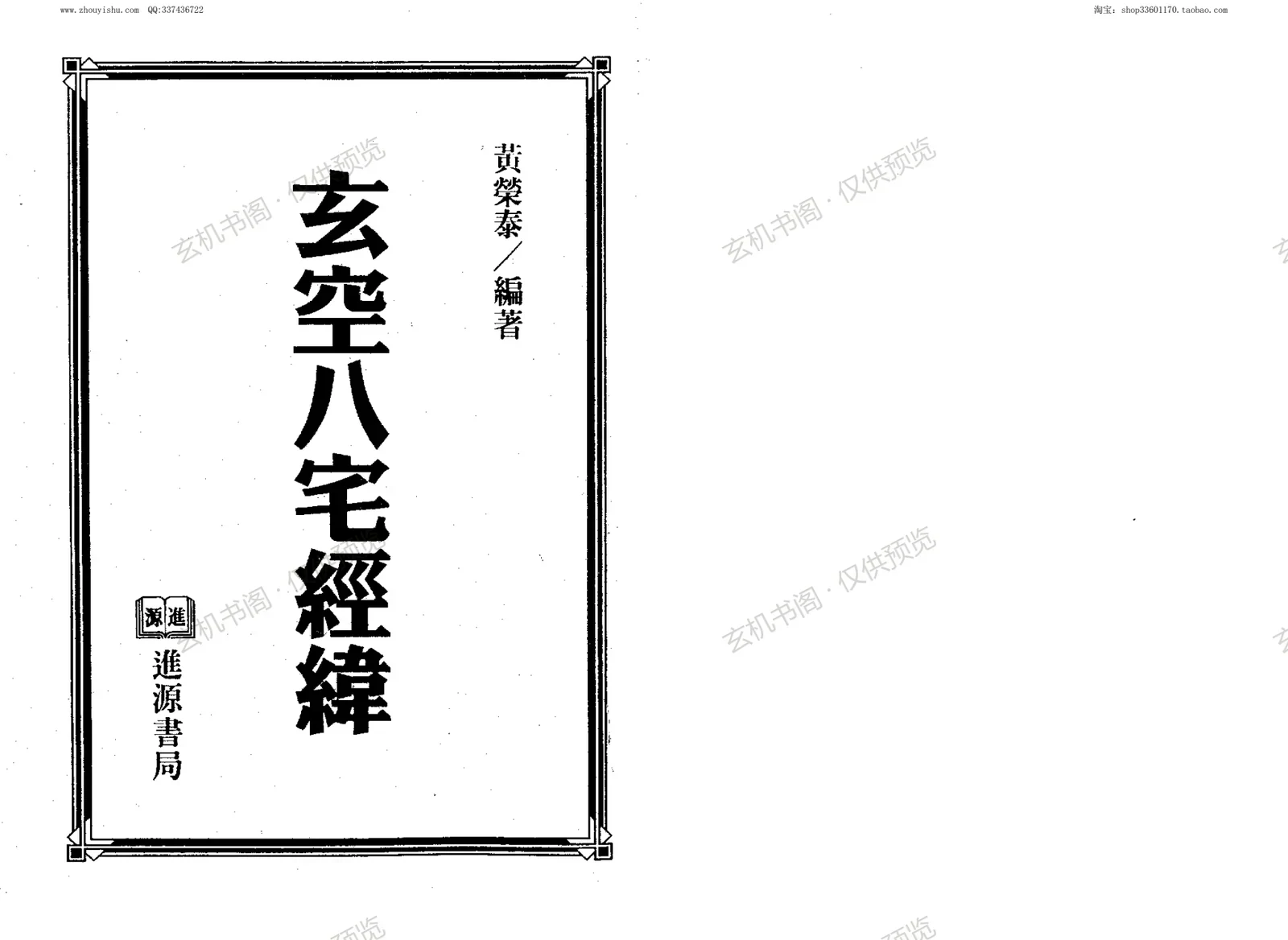
Compiled by Huang Rongtai and issued by Jinyuan Bookstore as volume 1053 of the Kanyu Series, this book is divided into two parts. Part One, 'Xuankong Jingwei', explains the definition and character of Xuankong, the Three Cycles and Nine Periods, the Xuankong compass, casting and judgment methods, and the four Xuankong configurations. Part Two, 'Bazhai Jingwei', begins with the Younian song, the three-yuan life gua, and Wang Kentang's discussion of the Bazhai stars, then treats the fu yuan, main gate, stove and fire gate, ancestral incense, marriage, offspring, separate stoves for different lives, the six sha of dwellings, stove methods for seeking wealth, attracting wealth and children, room allocation, bed positions, foundation measurement, construction, overall form, towers, room counts, pathways, courtyards, beds, stoves, and wells. Classical rhapsodies and essays such as the Xuanji Fu, Feixing Fu, and Shuo Gua Lu Yao are also included, making the book both theoretical and practical for students of Xuankong and Bazhai dwelling feng shui.
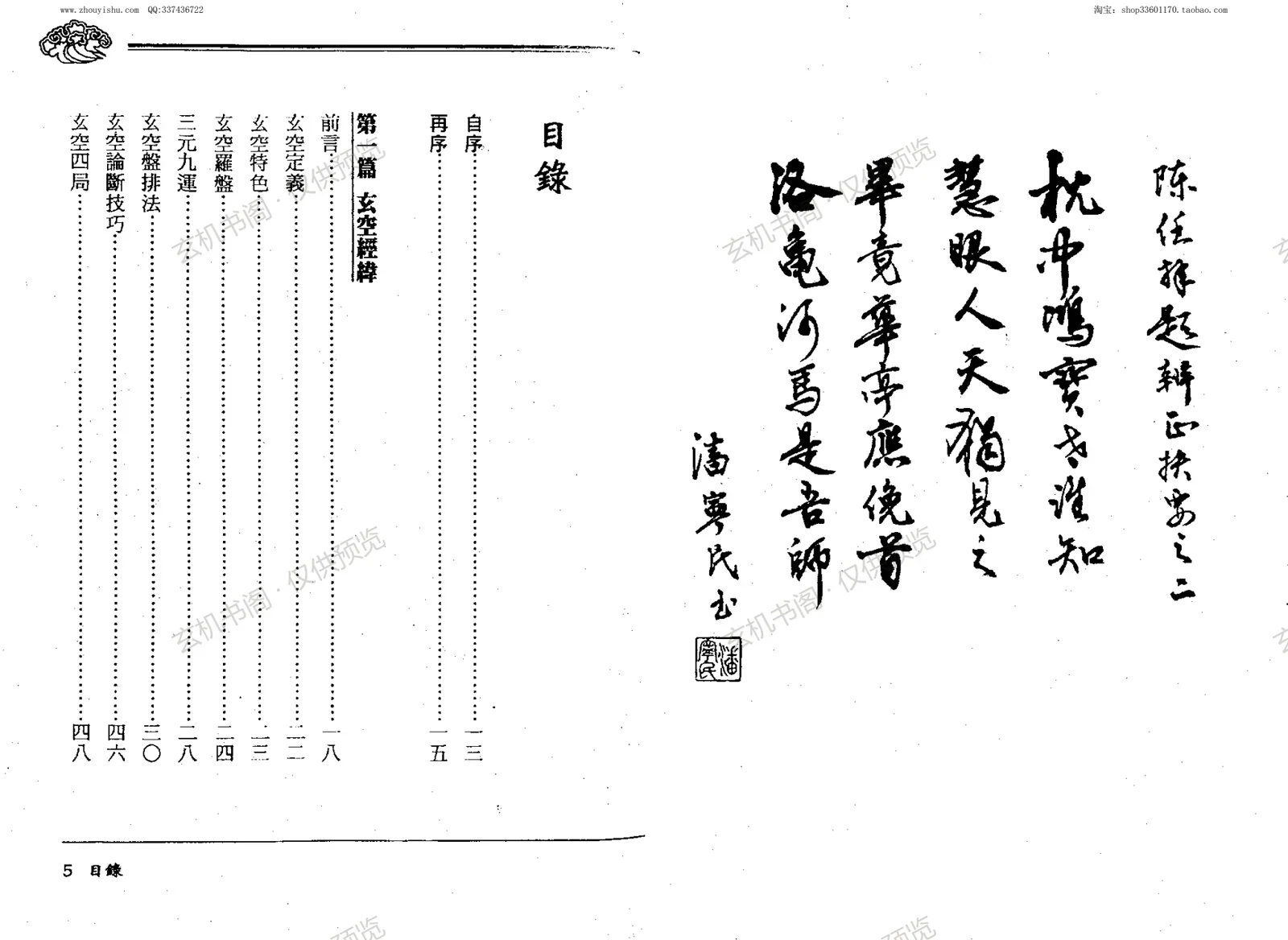
Contents
Part One: Xuankong definitions, features, Three Cycles and Nine Periods
Xuankong compass, casting methods, judgments, four configurations
Part Two: Bazhai Younian song and three-yuan life gua
Fu yuan, main gate, stove and fire gate, incense
Marriage, offspring, separate stoves, six sha
Attracting wealth and children, rooms, beds, foundations
Form, towers, room counts, pathways, courtyards, beds, stoves, wells
Classical rhapsodies: Xuanji Fu, Feixing Fu, Shuo Gua Lu Yao
Key Points
Combines Xuankong and Bazhai theories in one volume for comparison
Xuankong section covers Three Cycles, Nine Periods, casting and judgments
Bazhai section details Younian, life gua, and dwelling parts
Includes traditional rhapsodies such as Xuanji Fu and Feixing Fu
Practical entries on gates, stoves, beds, and wells