Reading guide
Content guideOverview
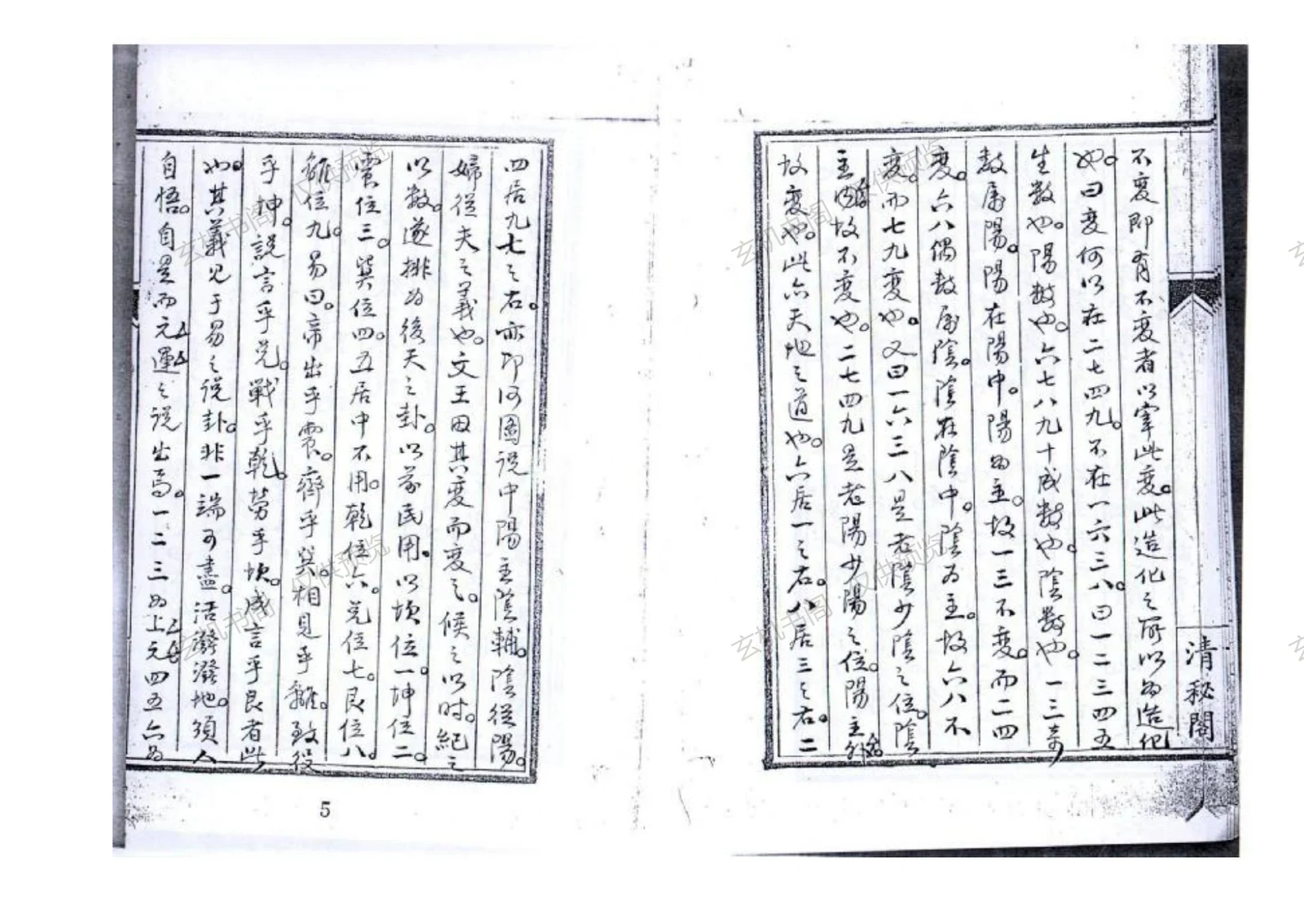
This short work examines the numerical and cosmological foundations of Xuan Kong feng shui. Opening with the Hetu and the Earlier Heaven bagua, it explains the arrangement of the Hetu numbers—one and six behind, two and seven in front, three and eight to the left, four and nine to the right, and five and ten at the center—and how odd and even numbers combine to form the numbers of Heaven and Earth. From there it derives the Earlier Heaven bagua, tracing the generation of yin-yang lines into the four images and eight trigrams, and discusses the directional and symbolic meanings of Qian, Kun, Zhen, Xun, Kan, Li, Gen, and Dui. The latter part turns to the Luoshu and the Later Heaven bagua, assigning the nine palace numbers to the eight directions and explaining the sequence Kan 1, Kun 2, Zhen 3, Xun 4, center 5, Qian 6, Dui 7, Gen 8, Li 9, along with the distinction between generating numbers (1–4) and completing numbers (6–9). The text clarifies how the Hetu relates to the Luoshu and how the Earlier Heaven relates to the Later Heaven, making it a useful source for readers studying the roots of flying-star and compass-based feng shui.
Contents
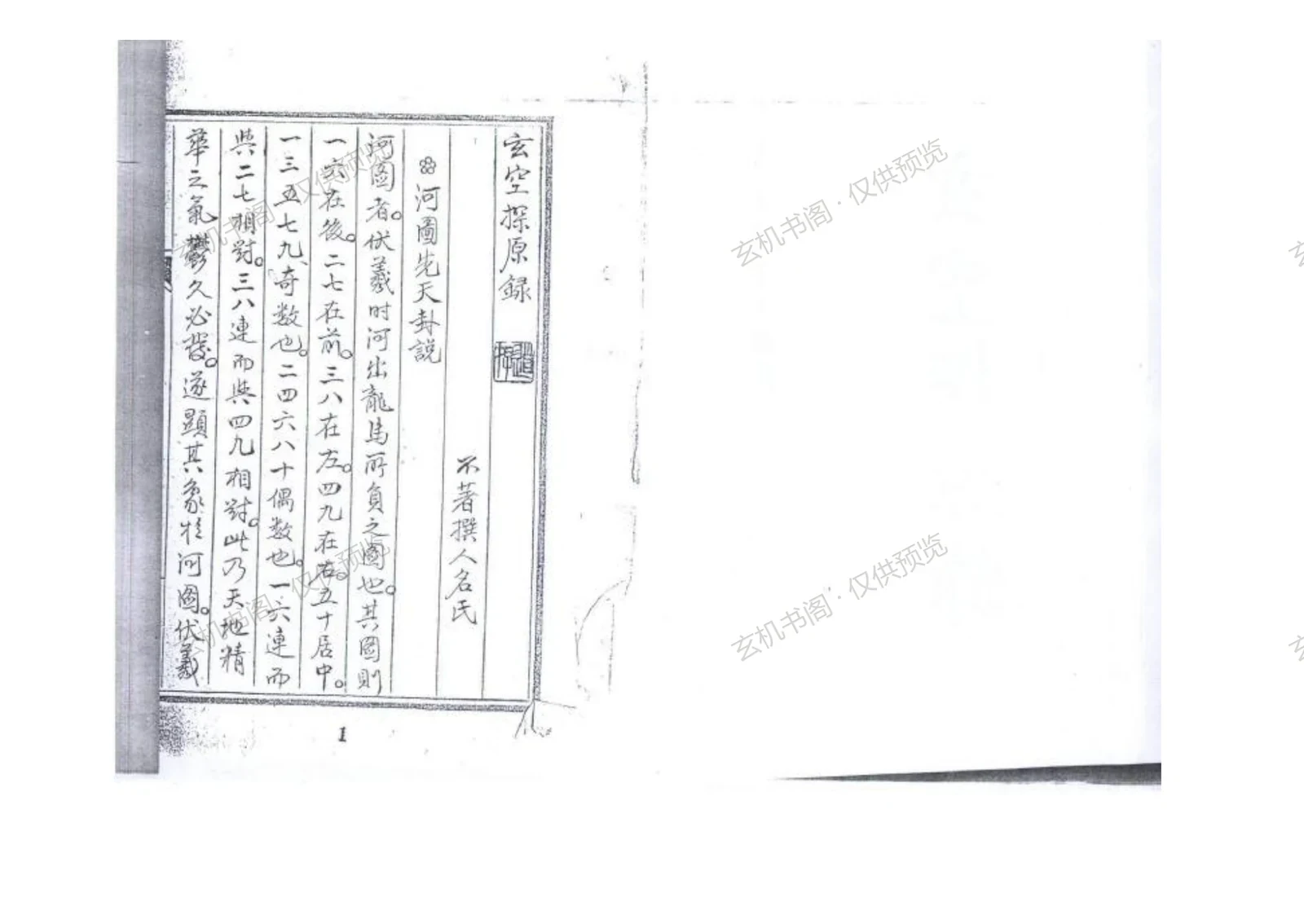
Hetu and the Earlier Heaven bagua: number positions and odd-even pairing
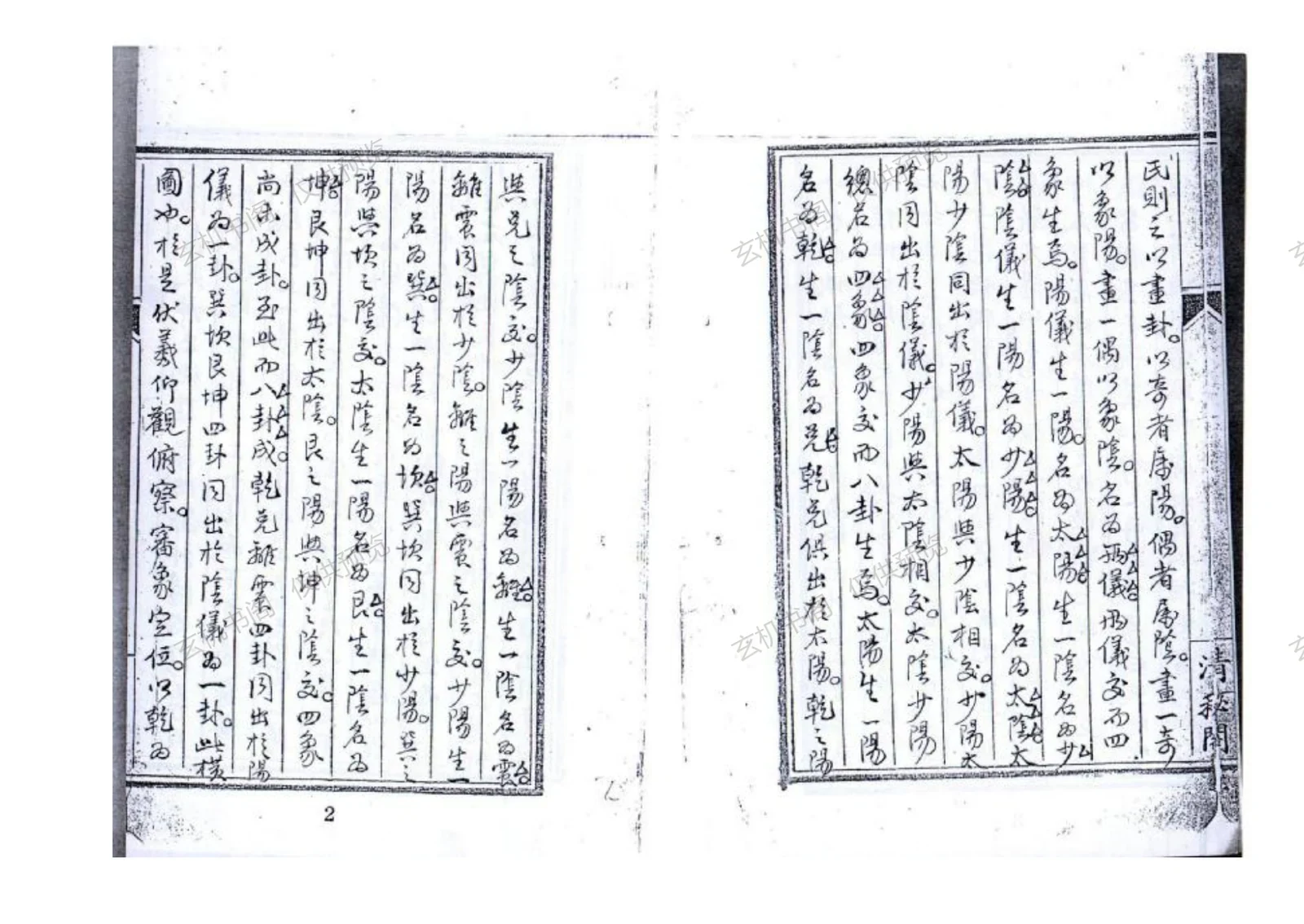
Generation of yin-yang lines, four images, and eight trigrams
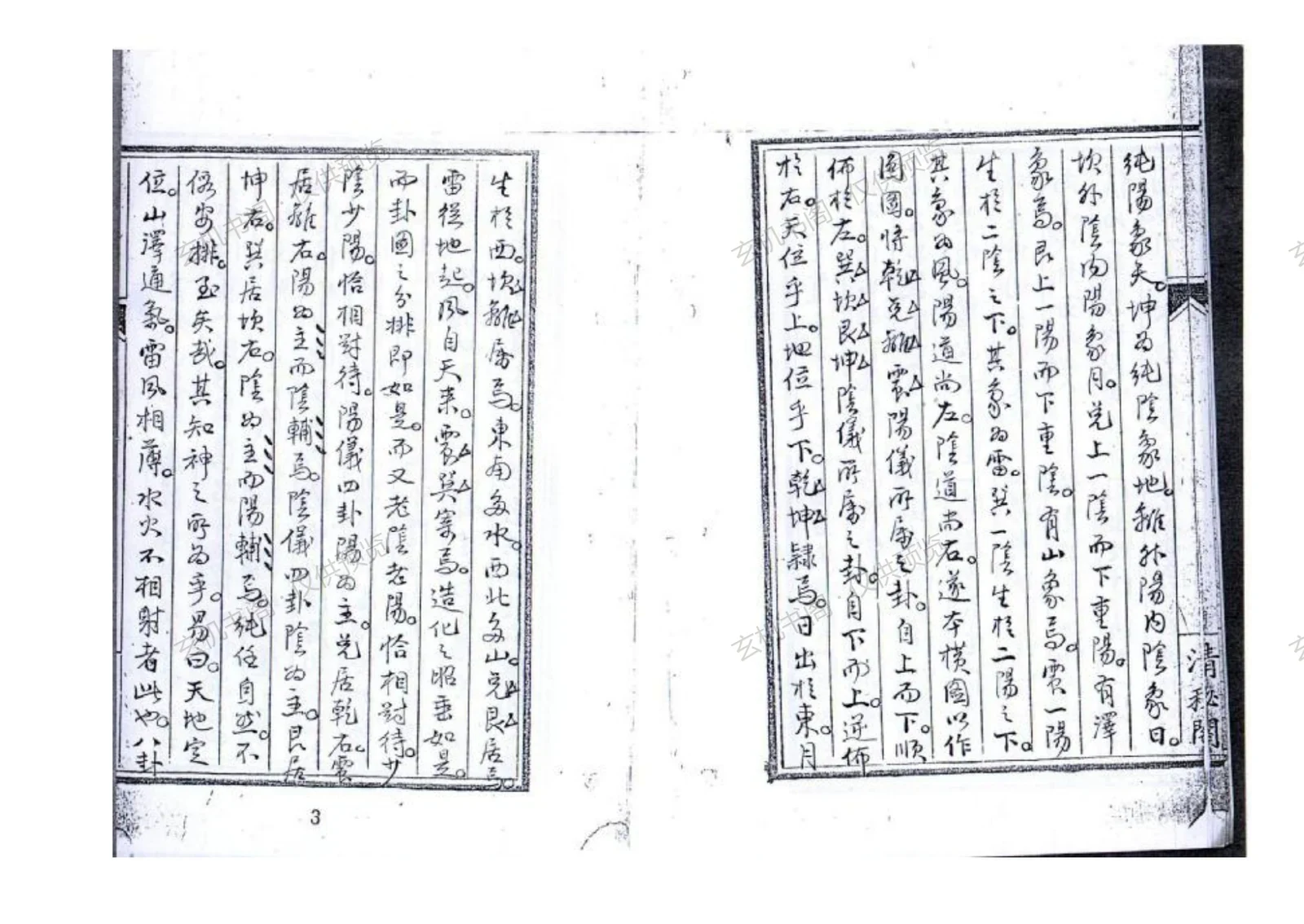
Earlier Heaven bagua directions and trigram symbolism
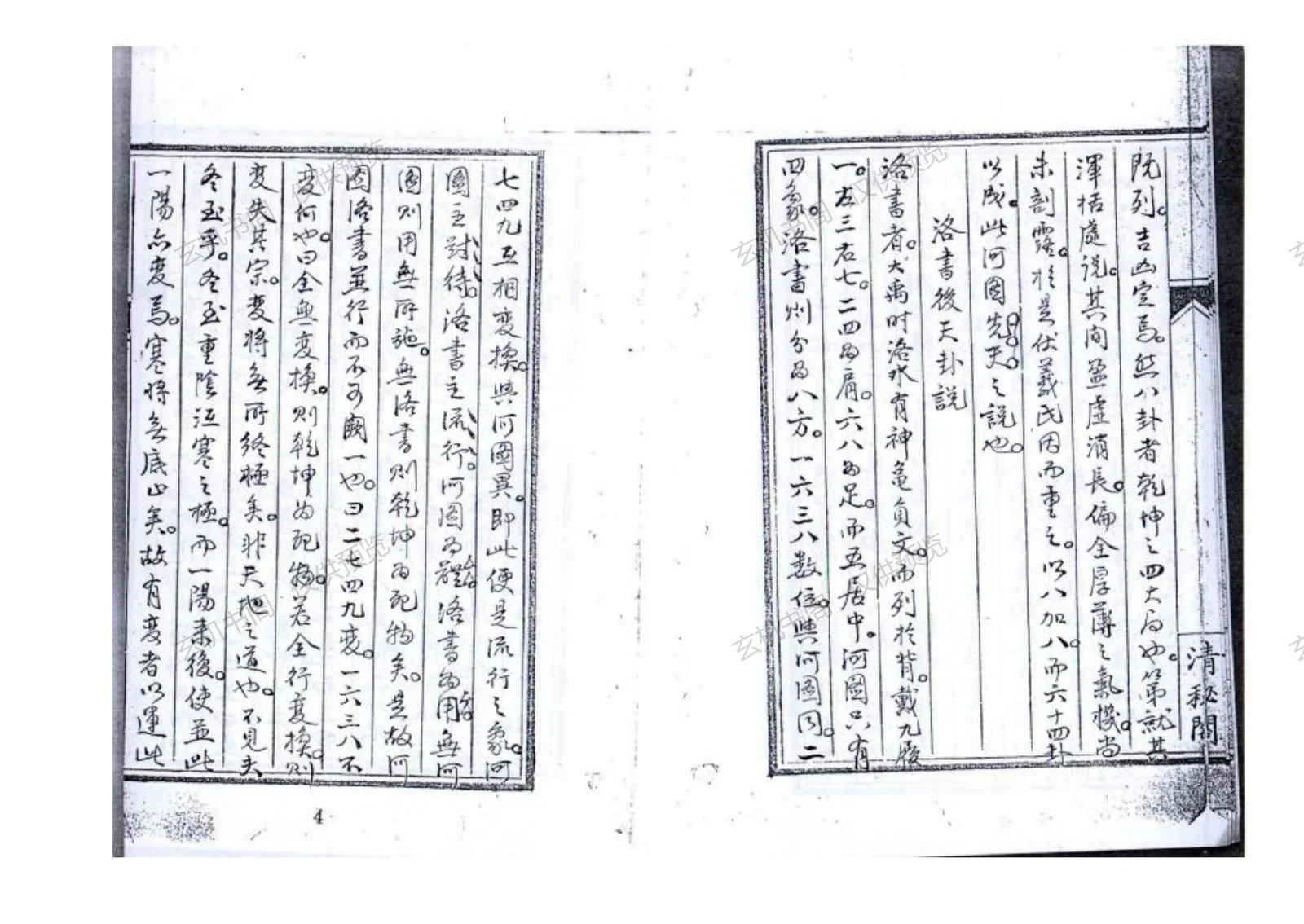
Luoshu and the Later Heaven bagua: nine palaces and eight directions
Generating and completing numbers, old and young yin-yang, Hetu-Luoshu conversion
Key Points
Uses Hetu number positions to explain the generation order of the Earlier Heaven bagua
Maps Luoshu nine-palace numbers onto the Later Heaven bagua directions
Distinguishes the layered derivation of yin-yang lines, four images, and eight trigrams
Explains the correspondence between generating/completing numbers and old/young yin-yang